I remember my first "eco" camping trip. I packed my reusable water bottle, felt smug about my bamboo spork, and then drove four hours in a gas-guzzling SUV to a crowded national park. The irony wasn't lost on me. Eco-friendly camping isn't a checklist you nail on the first try. It's a mindset shift. It's asking, "How can I enjoy this incredible place while leaving it just as good, or better, for the next person?" Forget the Instagram-perfect image of a zero-waste guru in the woods. Let's talk about the real, practical steps that make a difference, even if you're still figuring it out.
What You'll Learn
What Eco-Friendly Camping Really Means (Beyond the Buzzword)
At its core, eco-friendly camping—or sustainable camping, green camping, low-impact camping—is about minimizing your environmental footprint. It's not just about packing out your trash (though that's a great start). It's a holistic approach that considers everything from how you get there, to the products you use on your skin, to how you interact with wildlife.
The biggest mistake I see beginners make? Focusing only on gear. Buying a new "eco" tent made from recycled plastic is great, but its impact is tiny compared to the damage caused by cutting a new trail, washing dishes directly in a stream, or feeding wildlife. The gear is the easy part. The behavior is where the real impact lies.
The Core Idea: Your goal is to be invisible. When you leave, there should be no physical evidence you were ever there, and the ecological processes of the area should be undisturbed.
How to Practice Eco-Friendly Camping: The Leave No Trace Principles
This is the gold standard. The Leave No Trace Center for Outdoor Ethics has distilled sustainable camping into seven principles. Don't just memorize them; understand the why behind each.
1. Plan Ahead and Prepare
Poor planning leads to damage. A classic example? Not checking fire regulations, arriving late, and cutting live branches for a fire because you have no firewood. Plan your meals to reduce waste, know the rules of your destination (are bear canisters required?), and check the weather to avoid having to create new, damaging shelters.
2. Travel and Camp on Durable Surfaces
Stick to established trails and campsites. That beautiful, pristine meadow is an ecosystem, not a bedroom. Camping on it kills vegetation and compacts soil. In high-use areas, the most eco-friendly choice is often the existing, impacted site. In pristine wilderness, the rule is to camp at least 200 feet from lakes and streams on durable surfaces like rock, sand, or dry grass.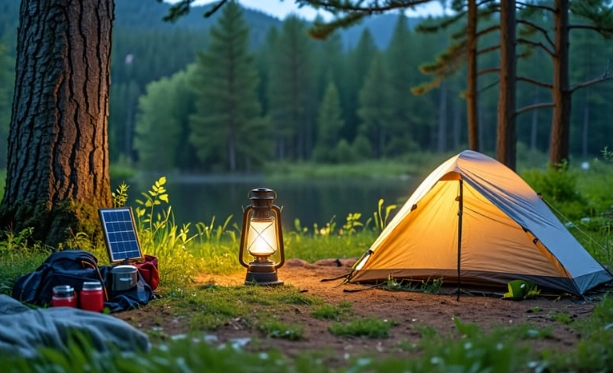
3. Dispose of Waste Properly
"Pack it in, pack it out." This means all trash, including food scraps, orange peels, and used toilet paper. For human waste, dig a cathole 6-8 inches deep at least 200 feet from water, trails, and camp. Pack out toilet paper in a zip-lock bag—it doesn't decompose quickly. For dishwater, strain food particles (pack them out), and scatter the grey water widely, away from camp and water sources.
4. Leave What You Find
That pretty rock, those antlers, the wildflowers. Leave them. Taking souvenirs disrupts the natural landscape and denies others the same experience. Don't carve into trees or build rock cairns. A photo is the best souvenir.
5. Minimize Campfire Impacts
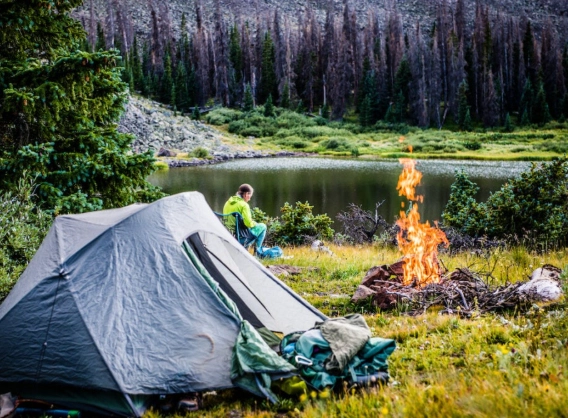
This is a big one. Campfires scar the landscape permanently. Use a camp stove for cooking. It's faster, cleaner, and leaves no trace. If you must have a fire, use an existing fire ring, keep it small, and only use dead, downed wood you can break by hand. Burn all wood to ash, put the fire out completely with water (not dirt), and scatter the cool ashes.
6. Respect Wildlife
Observe from a distance. Never feed animals—it alters their natural behaviors, makes them dependent, and can make them aggressive. Store your food and trash securely. In bear country, this means a bear canister or a properly hung bear bag, not just in your car.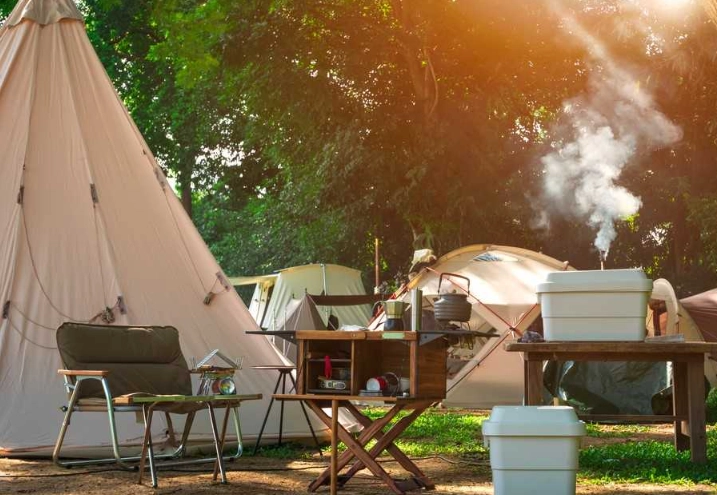
7. Be Considerate of Other Visitors
Keep noise down, let nature's sounds prevail. Yield to others on the trail. Control your pets. The goal is shared, peaceful enjoyment.
Sustainable Camping Gear: What to Buy, What to Skip
You don't need to buy a whole new kit. The most sustainable gear is what you already own. When you do need something, think durability, multi-use, and materials. Here’s a breakdown of key swaps.
| Item | Conventional Choice | Eco-Friendly Alternative | Why It Matters |
|---|---|---|---|
| Sleeping Pad | Cheap, PVC foam pad | Therm-a-Rest NeoAir (recyclable materials) or a high-quality closed-cell foam pad (extremely durable) | Durability means you won't replace it every few years. Some brands now offer repair programs. |
| Cookware | Non-stick aluminum pots | Untreated stainless steel or titanium | Lasts a lifetime, no toxic coatings to flake off, and is fully recyclable. |
| Water Treatment | Disposable plastic bottles | Durable water bottle (Nalgene, Klean Kanteen) + filter (Sawyer Squeeze) or UV purifier | Eliminates single-use plastic. A good filter lasts for 100,000+ gallons. |
| Lighting | Disposable batteries in headlamps | USB-rechargeable headlamp (like BioLite) powered by a small solar charger | Cuts down on toxic battery waste. A 10W solar panel can charge most devices. |
| Hygiene | Mini plastic bottles of soap, shampoo | Solid shampoo/soap bar (like Ethique) stored in a metal tin, or concentrated soap like Dr. Bronner's in a reusable dropper bottle | Zero plastic waste, lasts longer, and biodegradable formulas are safer for waterways (when used 200+ ft away). |
My personal rule? Before buying anything new labeled "eco," see if you can rent it first (tents, bear canisters), buy it used (check REI Used Gear, Geartrade), or repair what you have. A patched-up old tent is often greener than a new one.
How to Choose an Eco-Friendly Campsite
Location is everything. A poorly chosen site can cause erosion and damage sensitive plants.
For Car Camping: Book a site at an established campground. It concentrates impact. Look for campgrounds with clear environmental policies—recycling, solar-powered facilities, water refill stations. Many state and national park campgrounds now use online reservation systems like Recreation.gov, which helps manage visitor numbers.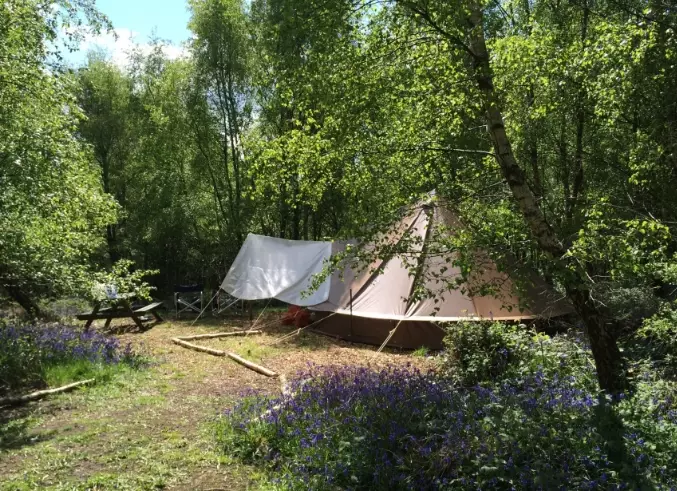
For Backpacking & Dispersed Camping:
- Arrive Early: This gives you time to find the best, most durable site without resorting to creating a new one in the dark.
- Look for the "Room Without a View": The most durable sites are often 200 feet back from that stunning lake vista, in a more sheltered area with resilient ground cover.
- Check Land Management Rules: Bureau of Land Management (BLM) land often allows dispersed camping, but always verify local restrictions, fire bans, and permit requirements on the managing agency's website.
I learned this the hard way in Joshua Tree. We set up on what looked like hard sand, only to find a fragile cryptobiotic soil crust underneath in the morning. That crust takes decades to grow and prevents erosion. Now, I look much more carefully.