In This Guide
Let's talk about the heart of any great scouting trip—the campfire. There's nothing quite like it. The crackle of the wood, the smell of the smoke, the way the flames dance and light up everyone's faces as they share stories or roast marshmallows. It's pure magic. But here's the thing I've learned after more than a few seasons as a scout leader: that magic can turn into a real nightmare in the blink of an eye if you're not careful. A single ember, a gust of wind you didn't expect, or just a moment of distraction is all it takes.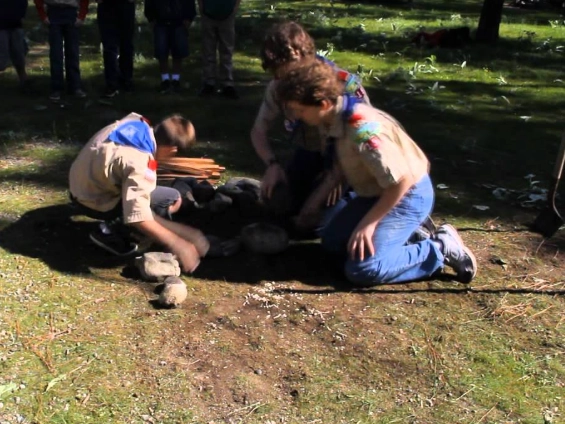
That's why getting these scout campfire safety rules down isn't just about following a checklist. It's about respect. Respect for the fire, respect for the land we're enjoying, and most importantly, respect for the safety of every single person around that circle. This isn't about scaring you away from having a fire—far from it. It's about giving you the confidence to build one properly, manage it safely, and create those amazing memories without a side order of panic or, worse, a call to the fire department.
So, whether you're a seasoned scout leader looking for a refresher, a parent volunteering for the first time, or an older scout taking on more responsibility, this guide is for you. We're going to walk through everything, from picking the perfect spot to making sure the last ember is truly cold. Think of it as your go-to manual for doing campfires the right way.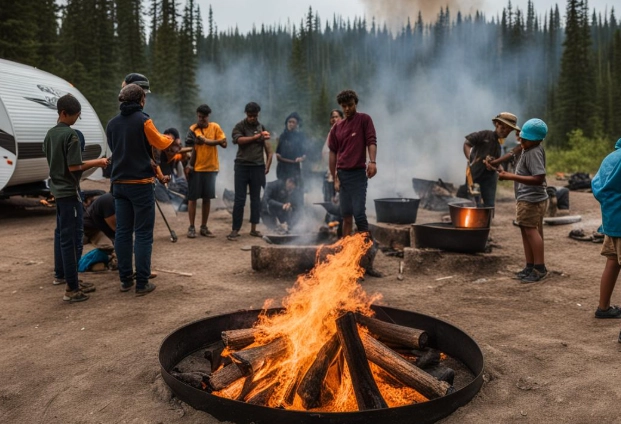
Why Bother with Scout Campfire Safety Rules Anyway?
It seems obvious, right? Fire is dangerous. But sometimes, when we're focused on the fun part, the "why" gets pushed to the back of our minds. Let's bring it forward.
First, and most seriously, we're talking about preventing injuries. Burns are no joke, and a wildfire sparked from a careless campfire is a devastating reality. It destroys habitats, threatens communities, and can be incredibly difficult to control. Following strict scout campfire safety rules is our first and best line of defense.
Second, it's about stewardship. The Leave No Trace principles are a core part of scouting ethics. A responsible campfire means minimizing our impact on the environment. That means using existing fire rings when possible, keeping fires small, and ensuring we leave the site looking better than we found it.
Finally, it's about the experience itself. A fire that's built well, in the right place, with the right materials, is just easier to manage. It burns cleaner, requires less fussing, and lets everyone relax and enjoy the moment instead of constantly worrying about it. Good safety practices don't ruin the fun—they make the fun possible.
The Golden Rules: Your Non-Negotiables
Before we get into the step-by-step, let's lay down the law. These aren't suggestions; they're the foundation. Drill these into your routine until they become second nature.
- Always have adult supervision. No scout, regardless of age or rank, should ever be in charge of a campfire alone. An adult must be present and actively watching from the moment the first match is struck until the site is declared completely cold and safe.
- Know the local rules. This is huge. Before you even think about gathering wood, check with the campground, park authority, or local forestry service. Is there a fire ban in effect? Are open fires even permitted? What are their specific rules? The US Forest Service campfire safety page is a great resource, but always verify for your exact location.
- Have your tools and water ready. Never start a fire without a bucket of water, a shovel, and a way to stir the ashes close at hand. I mean right there, within arm's reach. A hose is great if you have one, but a bucket is mandatory.
- Dress for the job. Loose clothing, dangling jacket strings, and synthetic materials that can melt are a bad idea around fire. Wear fitted, natural-fiber clothing, tie back long hair, and have proper shoes on (no flip-flops!).
Step-by-Step: Building a Safe Scout Campfire
Alright, let's get into the nitty-gritty. Doing this right is a process, and each step matters.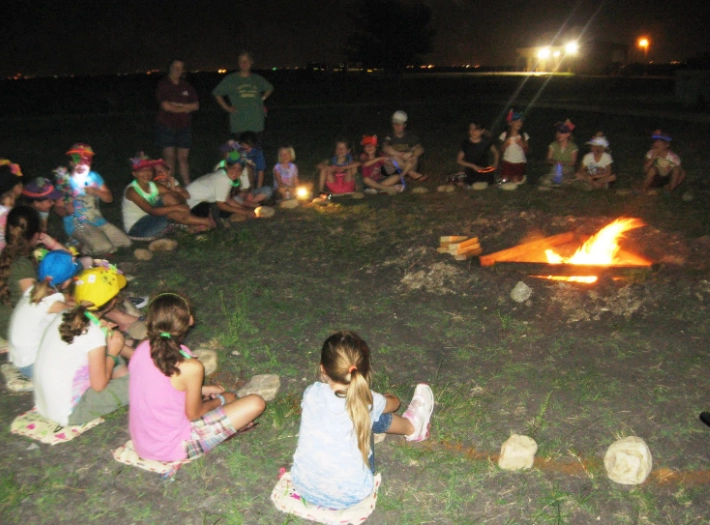
Step 1: Choosing and Preparing the Site
This might be the most important step of all. A good site prevents 90% of potential problems.
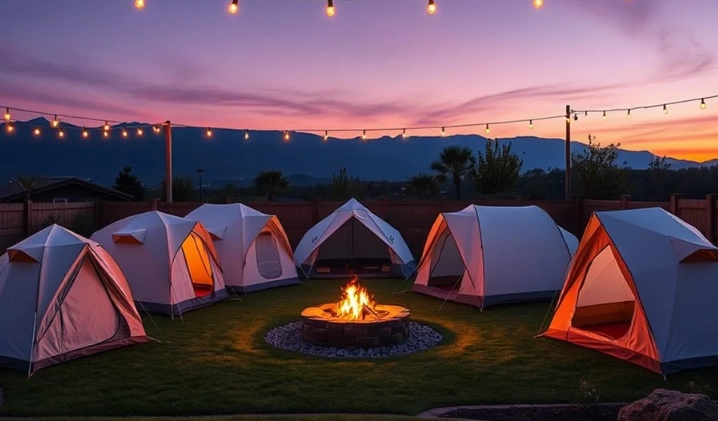
If there's an existing fire ring or pit, use it. It's already a disturbed area, and it's designed to contain fire. Clear away any debris, leaves, or overhanging branches for at least a 10-foot radius around the ring. Look up, too! Make sure there are no low-hanging branches above the site.
If you must build a new fire site (and this should be a last resort), you need to be extra careful. Pick a spot that's away from tents, gear, trees, bushes, and anything else flammable. Look for bare mineral soil—dirt, sand, or gravel. Grass and duff can smolder underground for days. Use your shovel to clear a circle at least 10 feet in diameter down to bare soil. Then, dig a small pit in the center, about a foot deep. You can circle this pit with rocks to help contain the ashes, but avoid using wet or porous rocks from a riverbed, as they can explode when heated.
Step 2: Gathering the Right Materials
You can't just burn anything. What you burn matters for safety, air quality, and the environment.
Tinder: This is your fire starter. Dry grass, leaves, birch bark, wood shavings, or commercial fire starters (like dryer lint in a cardboard tube) are perfect. Never use accelerants like gasoline, lighter fluid, or alcohol. That's asking for a fireball.
Kindling: Small sticks and twigs, about the thickness of a pencil. They should snap easily, not bend. This is what will catch from your tinder and start building real heat.
Fuel Wood: Larger pieces of dry, seasoned wood. It should be dead and gathered from the ground if local rules allow. Never cut live trees or branches. The wood should be no larger than your forearm for a manageable scout campfire. A common mistake is adding huge logs too early—it just smothers your fledgling fire.
| Material Type | What to Use (The Good) | What to Avoid (The Bad & Dangerous) |
|---|---|---|
| Tinder | Dry grass, birch bark, wood shavings, commercial fire starters, dryer lint. | Plastic, paper with colored ink (toxic fumes), accelerants (gasoline, lighter fluid). |
| Kindling | Dry, dead twigs that snap (pencil-thickness). | Green, living twigs; large pieces that won't catch easily. |
| Fuel Wood | Seasoned, dead wood from the ground (local rules permitting), wrist-to-forearm thickness. | Green wood, plywood, pressure-treated wood (toxic fumes), driftwood (high salt content can release toxins). |
Step 3: Building and Lighting the Fire
There are several classic structures, but for scouts, the teepee and log cabin methods are great because they teach fire science—airflow is crucial.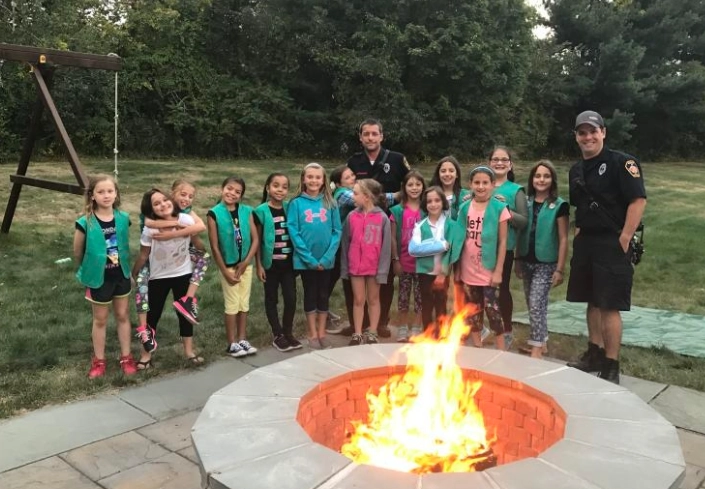
For a teepee: Place your tinder bundle in the center. Carefully lean your kindling sticks against each other over the tinder, forming a cone or teepee shape. Leave an opening on the side the wind is coming from. Light your tinder from that open side. The structure channels heat upwards and allows oxygen to flow.
Once your kindling is burning well, you can add your fuel wood, starting with smaller pieces and gradually adding larger ones. Always add wood to the fire gently, from the side. Don't just chuck it in from above—that sends sparks flying and can collapse your structure.
Step 4: Managing the Active Fire
The fire is going. Now what? Your job shifts from builder to manager.
- Designate a "Fire Warden": This can be a rotating job for scouts (with adult oversight). Their sole task is to watch the fire. They ensure no one horseplays around it, they monitor the wind, and they call for more wood or water as needed.
- Maintain the Circle of Safety: Enforce a "three-foot rule" for everyone not actively tending the fire. No running, playing, or roughhousing inside that circle. Keep all gear, backpacks, and extra firewood well back.
- Mind the Sparks: Some wood, like pine, pops and sparks a lot. Be aware of this and keep the fire lower if sparks are flying towards people or dry vegetation.
- Never leave it unattended. Not for a second. If the group needs to leave the area, the fire must be completely extinguished first.
The Most Critical Part: Putting the Fire Out COLD
This is where so many people get lazy, and it's the cause of countless wildfires. "Drown and stir" isn't just a catchy phrase—it's the gospel.
Start planning to extinguish the fire at least 30 minutes before you actually want to leave or go to bed. Stop adding wood and let it burn down to mostly white ash and coals.
- Drown it: Slowly pour lots of water over the entire fire area. Don't just splash a cup on it. Use your bucket. You'll hear a lot of hissing and see steam.
- Stir it: Use your shovel to stir the ashes and embers around. Break up any big chunks. You're exposing every hidden hot spot to the water.
- Feel it: Carefully hold the back of your hand close to the ashes and the wet ground around the pit. Do you feel any heat at all?
- Repeat: If you feel heat, or see steam when you stir, add more water and stir again. Keep doing this until you feel zero heat.
The final test? It should be cool enough to touch with your bare hand. I'm not kidding. When you're confident it's cold, scatter the cool ashes over a wide area (if in a natural setting and allowed) or pack them out in a bag. If you used rocks, put them back where you found them. The goal is to leave no trace that a fire was ever there.
Scout Campfire Safety Rules: Your Questions Answered
Let's tackle some of the common questions that pop up. You might be thinking some of these right now.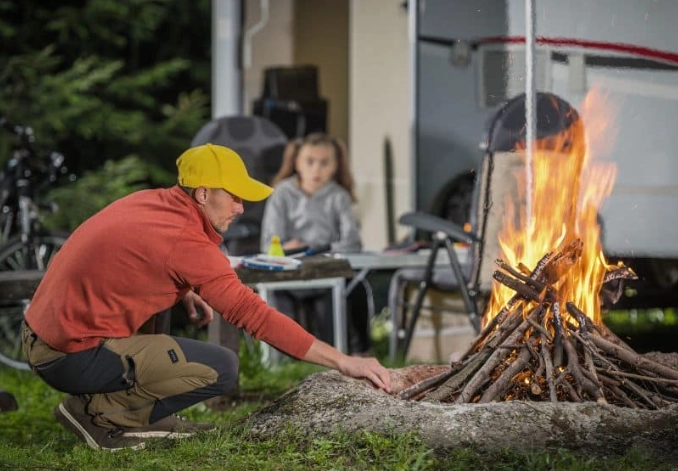
What if it starts to rain during our campfire?
Rain is actually a great help when you're ready to put the fire out! But if it starts raining while the fire is still active, you need to make a call. A light drizzle might not be a problem, but a downpour will create a lot of steam and smoke and can be unpleasant. The safest bet is to begin your extinguishing process early. Use the rain as extra water, but still follow the drown-and-stir method to be absolutely sure.
Can we cook over our scout campfire?
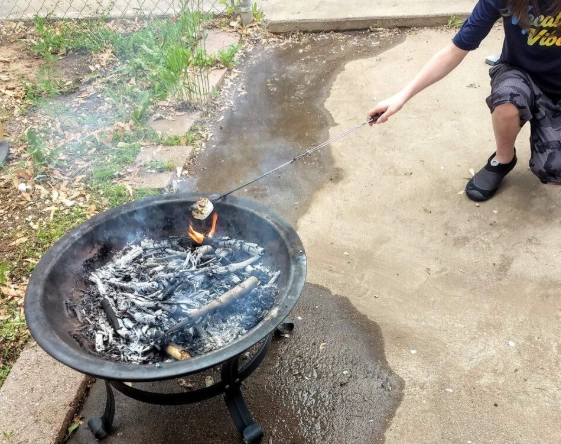
Absolutely! Cooking is one of the best parts. The key is to wait until you have a good bed of hot coals, not roaring flames. Flames will char your food on the outside while leaving it raw inside. Coals provide steady, even heat. Use long-handled utensils to keep your distance, and always have a plan for where to set a hot pot or pan (not on dry grass or leaves!).
What's the one tool you wouldn't skip?
Besides the water bucket? A good, sturdy leather glove. A single glove, not a pair. It lets you safely handle hot pot lids, adjust logs from the side, or pick up a warm rock. It's saved my fingers more times than I can count.
How do we handle a minor burn?
Every group should have a first aid kit with burn cream and sterile dressings. For a minor burn (redness, minor swelling), immediately cool the burn under cool, running water for 10-20 minutes. Do not use ice. Cover it with a sterile, non-stick dressing. For anything more serious (blisters, charred skin), seek professional medical help immediately. This is why having a first-aid certified adult on site is part of those non-negotiable rules.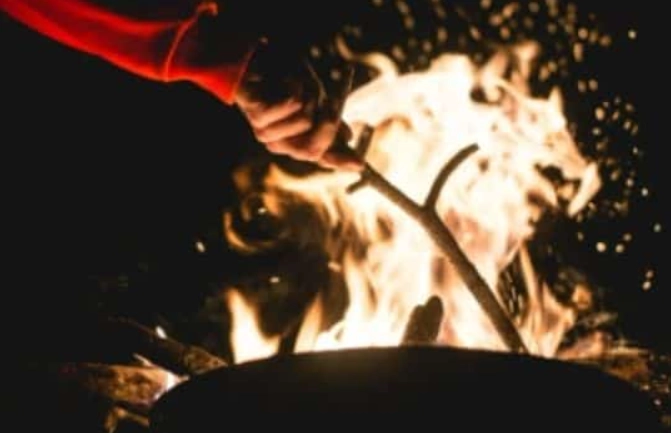
Wrapping It Up: It's About More Than Rules
Look, I know this was a lot of information. It might seem like a long list of "don'ts." But I promise you, when you internalize these scout campfire safety rules, they stop being restrictions and start being the framework for a truly great time.
The confidence that comes from knowing you've built a safe, sustainable fire lets everyone—leaders, scouts, parents—actually relax and enjoy the moment. You're not just preventing disaster; you're creating the perfect setting for the stories, the songs, and the quiet conversations that scouts remember for a lifetime.
So print this out, bookmark it, share it with your troop. Make safety the first story you tell around every fire circle. Because a safe scout is a prepared scout, and a prepared scout gets to have all the best adventures.