Let's be real. Most people think about tents, sleeping bags, and maybe a cooler when they plan a camping trip. Water storage? That often means grabbing a case of plastic bottles from the supermarket. I've been there. On a three-day desert hike years ago, I underestimated my water needs by half. It wasn't a fun lesson to learn. Proper camping water storage isn't just about having some water; it's about having enough clean, accessible, and reliably stored water for drinking, cooking, and cleaning from the moment you leave home until you return. This guide cuts through the basics and dives into the nuanced decisions that separate a stressful trip from a seamless one.
What You'll Learn
Why Camping Water Storage is More Critical Than You Think
Dehydration ruins trips. It causes headaches, fatigue, and poor decision-making. But the mistake I see isn't just bringing too little water. It's bringing water in the wrong way.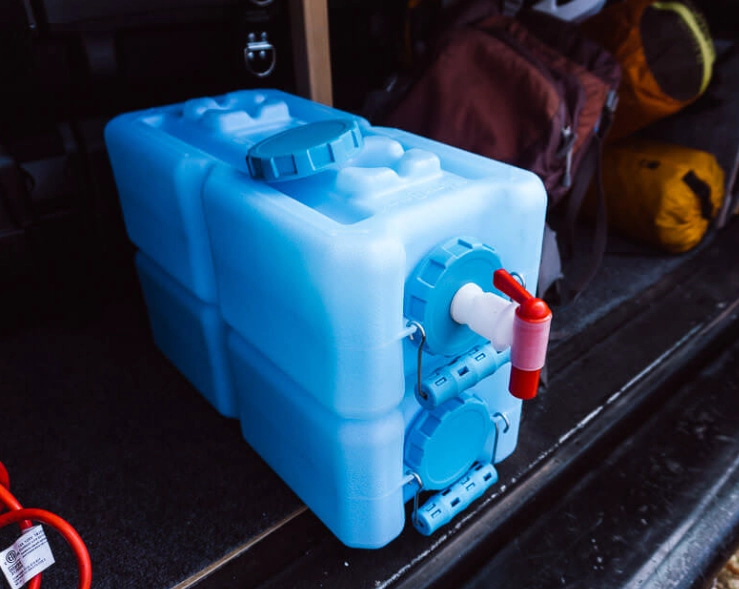
New campers focus on quantity. Experienced campers focus on the entire hydration system: sourcing, storing, accessing, and treating. Relying solely on disposable bottles creates waste, offers no backup if one leaks, and makes it hard to track total consumption. A dedicated water storage strategy gives you control.
How to Calculate Your Water Needs (The Right Way)
Forget the old "one gallon per person per day" rule. It's a starting point, but it's dangerously vague. You need a proper formula.
Base Camp Hydration Calculation:
- Drinking: 0.5 to 1 gallon (2-4 liters) per day. This varies wildly with heat, altitude, and activity.
- Cooking: 1-2 quarts (1-2 liters) per day, per meal if you're rehydrating dried foods or boiling pasta.
- Cleaning: At least 1 quart (1 liter) per day for washing hands, utensils, and maybe a quick sponge bath.
So, for a weekend trip (2 nights, 3 days) for two people with moderate activity in mild weather:
- Drinking: 2 people x 0.75 gal/day x 3 days = 4.5 gallons
- Cooking: 2 people x 1.5 qt/day x 3 days = 9 quarts = 2.25 gallons
- Cleaning: 2 people x 1 qt/day x 3 days = 6 quarts = 1.5 gallons
- Total Minimum: 8.25 gallons.
See how quickly it adds up? Now, add a safety buffer of 20-25%. For this trip, I'd plan for at least 10 gallons total storage capacity between all containers.
Scenario Planning: Car Camping vs. Backpacking
Your storage strategy changes completely based on how you're moving.
Car Camping: Weight is less critical. You can bring large, rigid jugs (5-7 gallons each). Your focus is on efficient camp use—having a dedicated jug with a spigot for cooking water, another for drinking, etc.
Backpacking: Every ounce counts. You carry less (much less) and plan to purify water from natural sources along your route. Your "storage" is a combination of your water bladder (like a 3L hydration pack) and a lightweight, collapsible dirty water bag for your filter. Capacity here is about how far you hike between reliable water sources.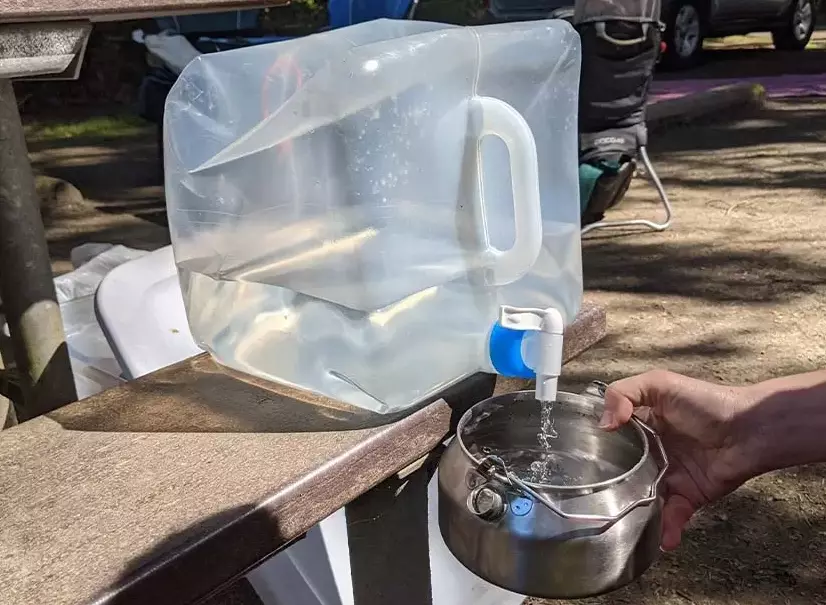
What Are the Best Camping Water Storage Containers?
This is where most guides just list products. Let's talk about the why behind the material and shape choices. The container is the heart of your system.
| Container Type | Best For | Key Pros | Key Cons & Watch-Outs |
|---|---|---|---|
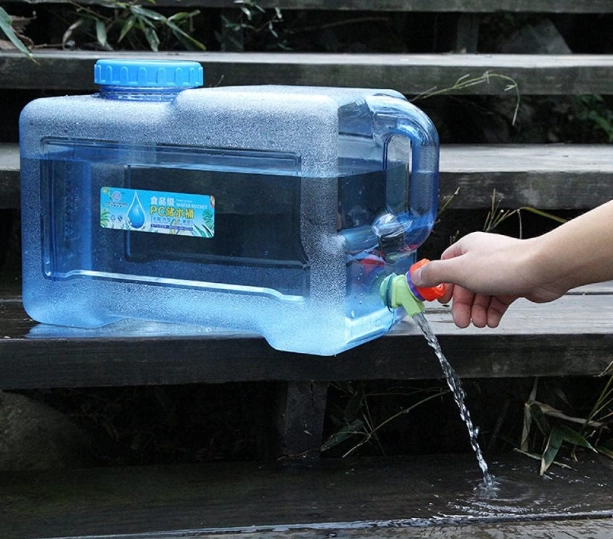
| Rigid Plastic Jugs (5-7 gal) | Car camping, base camps, group trips. | Durable, stable, often have built-in spigots. Easy to see water level. | Bulky when empty. Cheap ones can crack in freezing temps. Spigots are bacteria hotspots if not cleaned. |
| Collapsible Soft-Sided Jugs (2-6 gal) | Car camping where space is tight (SUVs, kayak camping). | Packs flat when empty. Lightweight. Great for irregular spaces. | Can be prone to punctures. Harder to pour from without a spigot. Can develop a plastic taste. |
| Hydration Bladders (1-3L) | Backpacking, hiking, any active camping. | Hands-free drinking via tube. Integrates with your pack. | A nightmare to dry thoroughly, leading to mold. Tubes can freeze. Hard to refill in a moving group. |
| Wide-Mouth Nalgene/Style Bottles (1-1.5L) | Universal use. Personal drinking bottle in camp or on trail. | Nearly indestructible. Easy to clean. Can be used with water purification tablets. | Heavier than soft bottles. Limited capacity alone. |
| Stackable Water Cubes (2.5-5 gal) | Serious car campers, overlanders, long-term storage. | Space-efficient storage. Very robust. Often made from food-grade, taste-free plastic. | Expensive. Can be heavy when full. Lids must seal perfectly. |
My personal workhorse for car camping is a 7-gallon rigid jug with a spigot and a 2-gallon collapsible jug. The rigid one sits on the picnic table for camp use. The collapsible one is for pre-filtering water from a lake to top up the main jug, or for throwing in the car for a day hike. This two-container system provides flexibility and redundancy.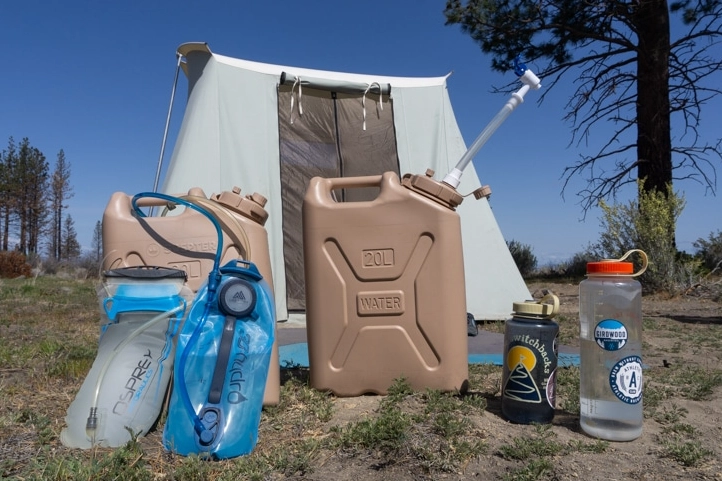
How to Carry and Distribute Your Camping Water
You have 10 gallons of water. Great. Now, where does it all go? This is the logistics puzzle.
In Your Vehicle: Secure it. A full 5-gallon jug weighs over 40 pounds. In a sudden stop, it becomes a dangerous projectile. Place heavy jugs low and centered, ideally in a footwell or strapped down in the trunk. Use moving blankets or foam pads to prevent abrasion.
At Camp: Create a hydration station. Keep your main storage jug in a shaded, stable spot. Use a separate, smaller container with a pour spout for cooking. Designate personal water bottles for each person. This prevents everyone from sticking their dirty hands or bottles into the main supply.
A trick I learned guiding trips: For a group of four, use two 5-gallon jugs. Label one "DAY 1-2" and the other "DAY 3-4 + EMERGENCY." It visually enforces rationing and guarantees a backup supply.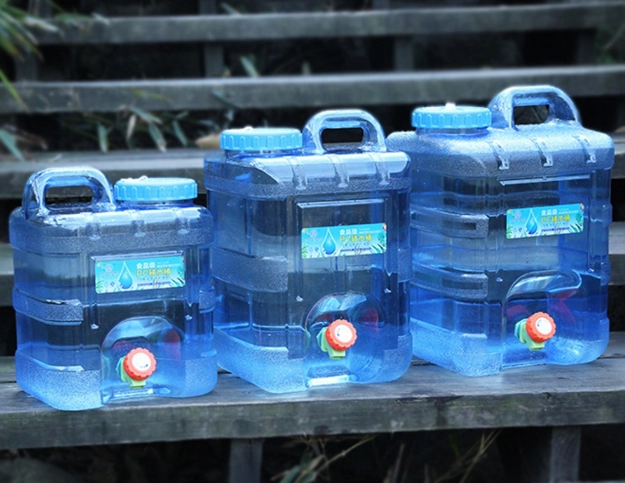
Purification & Safety: Making Sure Your Water is Drinkable
Storing water is pointless if it makes you sick. Even clear mountain stream water can harbor parasites like Giardia. The CDC recommends treating all natural water before drinking.
Your storage containers play a role here. If you're filling from a questionable source (lake, stream, campground pump), you have two main strategies:
1. Treat-Then-Store: Purify the water before it goes into your main clean storage jug. Use a pump filter or gravity filter system directly from the source into your jug. This keeps your main supply sterile.
2. Store-Then-Treat: Have a designated "dirty water" container (like a collapsible jug). Fill it, then treat the water inside with chemical tablets (e.g., Aquatabs) or a UV purifier (e.g., SteriPEN) before transferring it to clean bottles for drinking. This is slower but good for bulk treatment.
Never use the same container for dirty and clean water without a thorough sanitization in between. A simple sanitizing rinse with a diluted bleach solution (1 teaspoon unscented bleach per gallon of water, shake, sit for 30 seconds, rinse) does wonders between trips.
Common Mistakes & Pro-Level Tips
Let's wrap up with the subtle stuff that rarely gets mentioned.
Mistake #1: The Single Point of Failure. Relying on one massive container. If it springs a leak, you're done. Solution: Use multiple containers. Diversify your storage.
Mistake #2: Ignoring Water's Weight in Your Pack. New backpackers often fill their 3L bladder to the brim at the trailhead. That's 6.6 pounds of water! Solution: Check your map. If a reliable stream is 2 miles in, carry only 1 liter to get you there. Drink heartily at the source, then filter and fill what you need for the next leg.
Mistake #3: Freezing Water in Containers. Water expands. A full, sealed Nalgene or rigid jug will crack. Solution: In freezing temps, leave air space (10-20%) in your containers. Store them upside down—ice forms at the top first, so the mouthpiece won't freeze shut.
Pro-Tip: The Hot Water Bottle Hack. Before bed, fill a sturdy, hot-water-safe bottle (like a Nalgene) with boiling water. Screw the lid on tightly. Wrap it in a sock. This becomes a fantastic bed warmer that, by morning, provides you with ice-free, cool drinking water.
Pro-Tip: Mark Your Levels. Use a permanent marker on your soft-sided jugs to mark 1-gallon increments. On rigid jugs, a strip of duct tape on the side works. This lets you track usage at a glance and manage your rations accurately.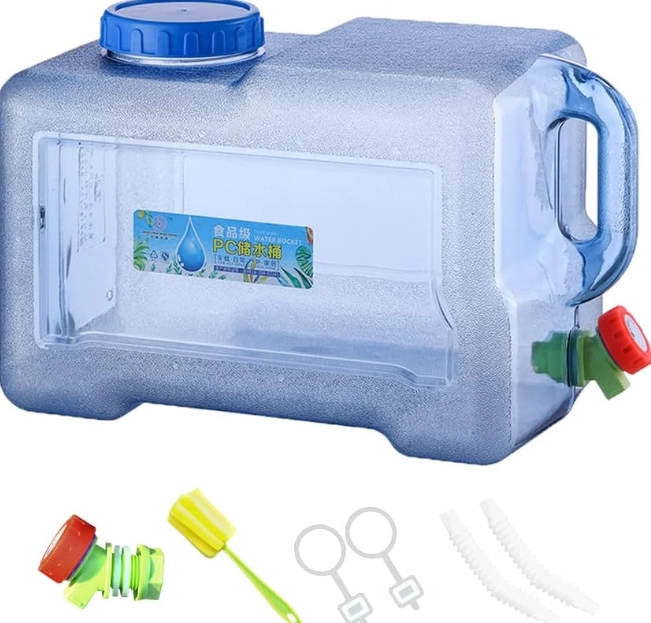
Your Camping Water Storage Questions Answered
Can I just rely on natural water sources and a filter instead of carrying a lot of water?
What's the best way to clean my hydration bladder to prevent mold and that funky taste?
How long can I safely store tap water in my camping containers before a trip?
Are stainless steel containers better than plastic for camping water storage?
What should I do if my main water container leaks in the middle of a trip?
Water is the one resource you can't improvise for long. Investing thought into how you store it transforms it from a worry into a guarantee. It lets you focus on the sunset, not your thirst. Start with calculating your real needs, choose containers that match your style of camping, build in redundancy, and always have a plan to make it safe to drink. Your future well-hydrated self will thank you.