Your Festival Packing Compass
Let's be honest. Packing for a regular camping trip can be stressful enough. But packing for a camping festival? That's a whole different beast. You're not just heading into the woods for some peace and quiet. You're heading into a temporary city of music, mud, and mayhem, where your campsite is your home base for everything. Forget one thing, and your weekend can go from fantastic to frustrating real fast.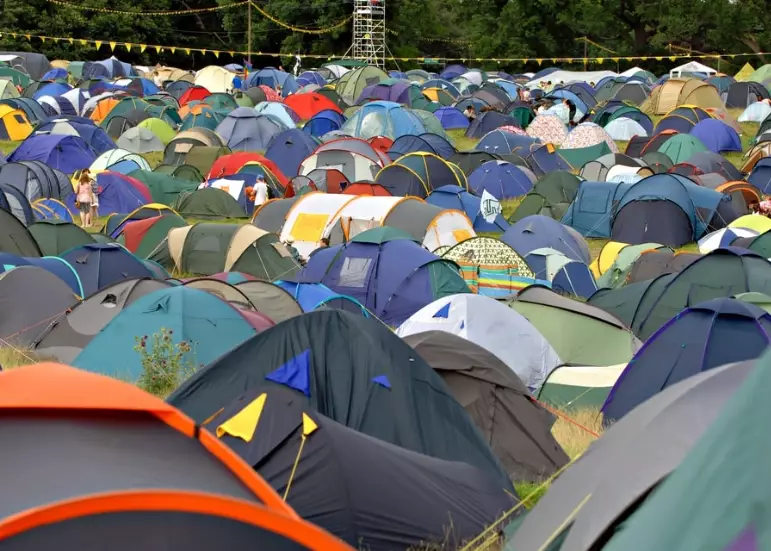
I've been there. I've shown up with a tent that leaked during a surprise midnight thunderstorm. I've forgotten a sleeping pad and spent three nights feeling every single root under me. I've watched friends shiver in cotton hoodies because they didn't pack for a cold night. It's from those mistakes that this list was born.
This isn't just a generic list of camping stuff. This is a camping festival gear manifesto, built for the unique chaos and joy of festival life. We're talking about gear that survives dust storms, curious neighbors, late-night returns, and the sheer marathon of fun. We'll cover what you absolutely need, what will seriously upgrade your experience, and what you can probably leave at home. Think of this as your personal packing coach.
The Core Pillars of Your Camping Festival Gear Strategy
Before we dive into the nitty-gritty items, let's talk philosophy. Your festival campsite needs to fulfill four core functions: Shelter, Sleep, Sustenance, and Sanity. Every piece of gear should serve at least one of these masters. If it doesn't, you should question if it's worth the precious space in your car or backpack.
Shelter is your fortress. Sleep is your recovery. Sustenance is your fuel. Sanity is everything else that makes the experience enjoyable and not just survivable. Keeping these pillars in mind helps you prioritize when space is tight.
The Non-Negotiable Foundation: Your Shelter & Sleep System
This is where you can't afford to cut corners. A bad night's sleep will ruin your next day's fun. A leaky tent is a disaster.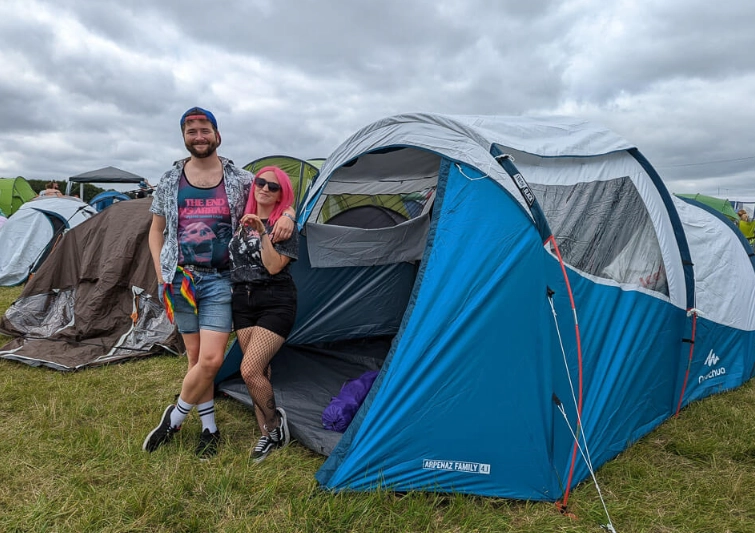
The Tent: Don't just grab your old scout tent. Festival grounds are often hard-packed, rocky, or on a slight slope. A freestanding tent is a godsend because you can move it around to find the perfect spot after you've staked it out. Look for something with a solid rainfly that goes all the way to the ground. That "3-person" label? It usually means 3 people lying side-by-side like sardines with zero room for their bags. For two people and their festival camping gear, a 4-person tent is the sweet spot for comfort.
My personal take? I'm not a fan of those pop-up instant tents for festivals. Sure, they're easy, but one good gust of wind can turn them into kites, and they often lack proper ventilation, turning them into saunas by 8 AM. A sturdy, simple dome tent has never let me down.
Sleeping Bag & Pad: Check the festival's location and historical nighttime lows. A cheap summer bag might be fine for the South, but mountain festivals can get shockingly cold. A sleeping pad isn't a luxury; it's insulation from the cold ground. An air pad is more comfortable, but a foam pad is bulletproof—it can't pop. I always bring a closed-cell foam pad as a backup. The REI guide on choosing a sleeping pad breaks down the R-value (insulation rating) really well, which is crucial if you're a cold sleeper.
Ground Cover & Mallet: A footprint or a simple tarp under your tent protects the floor from abrasion. And a rubber mallet? Trust me, after trying to hammer stakes with a shoe, a rock, or your water bottle, you'll wish you had one. The ground is often harder than you think.
The Ultimate Camping Festival Gear Checklist
Here’s the master list, broken down by category. Use it as a packing list. Print it. Check things off.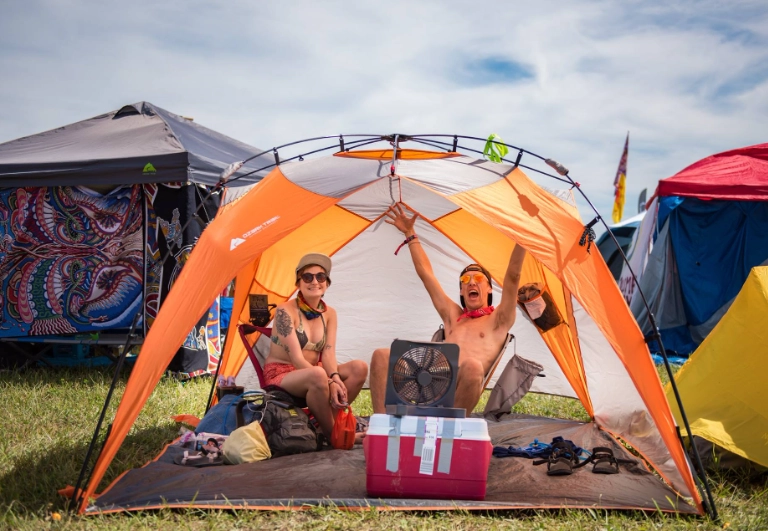
| Category | Essential Items | Pro-Upgrade Items |
|---|---|---|
| Shelter & Sleep | Tent (with rainfly, stakes, poles), Sleeping Bag, Sleeping Pad, Ground Tarp/Footprint | Pop-up canopy for shade, Rubber Mallet, Extra Guy Lines & Stakes, Battery-powered tent fan |
| Camp Comfort | Camp Chair, Headlamp/Flashlight, Multi-tool/Pocket Knife, Duct Tape, Ziploc Bags | Rolling Cooler, Folding Table, Portable Power Station, Inflatable Sofa, Rug or AstroTurf |
| Clothing & Personal | Weather-appropriate layers, Rain Jacket/Poncho, Sturdy Shoes, Hat, Sunglasses, Bandana | Merino Wool Socks, Compression Sack for dirty clothes, Costume Elements, Extra Shoelaces |
| Sustenance | Water (Jugs/Bladder), Non-perishable Snacks, Paper Plates/Bowls, Biodegradable Soap | Camp Stove & Fuel, Compact Cookset, French Press, Spices, Collapsible Water Container |
| Health & Safety | Ear Plugs, Eye Mask, First-Aid Kit, Sunscreen, Hand Sanitizer, Wet Wipes, Prescription Meds | Electrolyte Packets, Lip Balm with SPF, Nasal Spray (for dust), Portable Phone Charger |
See that "Pro-Upgrade" column? Those are the items that transform your site from a basic bunker into a comfortable lounge. They're not strictly necessary for survival, but they are 100% necessary for thriving.
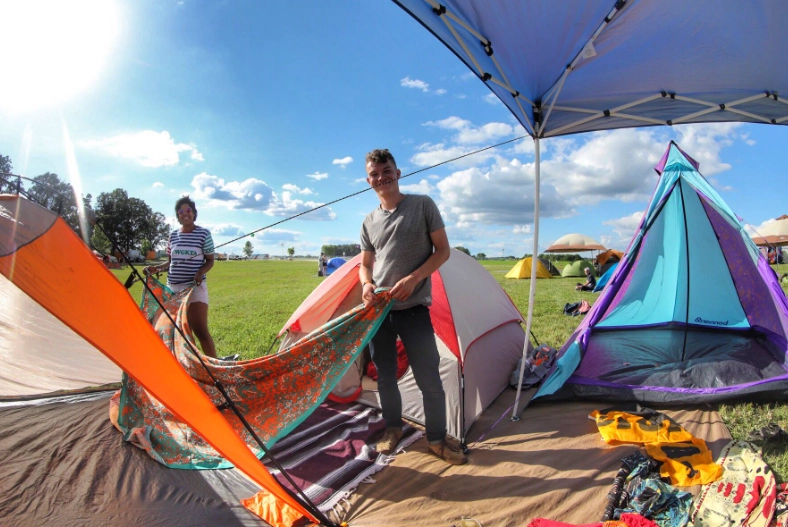
One year, my group skipped the pop-up canopy to save space. Big mistake. Our tent was an oven by 9 AM every day, forcing us out into the sun. We spent half the morning drowsy and dehydrated before the music even started. The next year, we brought the canopy, strung up some tapestries for walls, and had the coolest, shadiest hangout spot in our row. Neighbors were constantly stopping by. That one piece of camping festival gear changed the entire social dynamic of our camp.
Deep Dive: The Gear That Makes or Breaks Your Experience
Lighting – More Than Just a Headlamp
Everyone remembers a headlamp. But you need two types of light: task lighting and ambient lighting. Your headlamp is for tasks—finding something in your tent, walking to the port-a-potties at night. But you don't want to be blinding your friends at the campsite. That's where ambient light comes in.
String lights powered by batteries are fantastic. So are a few small, cheap LED lanterns placed around the common area. It creates a welcoming vibe and prevents tripping over guy lines. A tip: put a red gel or tape over one of your lanterns. Red light preserves your night vision and attracts fewer bugs.
The Footwear Debate
This is a hill I will die on: Your shoes are the most important clothing item you pack. You will walk miles. The ground will be uneven, muddy, or dusty. Cute but flimsy shoes are a one-way ticket to blisters and misery.
My formula: One pair of broken-in, supportive hiking shoes or boots for long days. One pair of comfortable, closed-toe sandals (like Tevas or Chacos) for around camp or if your feet need to air out. And a pair of cheap, fun shoes you don't mind getting destroyed for dancing. Never, ever wear brand-new shoes.
Water Management – The Lifeline
Festivals are dehydrating. Between sun, dancing, and maybe a drink or two, your body needs constant water. Relying solely on buying expensive bottled water inside the venue is a poor strategy.
Here's a better system: A large 5-gallon refillable jug with a spout for camp. A hydration bladder (like a CamelBak) for carrying water during the day—it's hands-free and encourages you to sip constantly. And a reusable water bottle for backup. Many festivals have free water refill stations; the National Park Service promotes reusable bottles to reduce waste, and the same principle applies to festival grounds.
Water Safety Note: If you are refilling from a tanker or a source you're unsure about, having a backup plan like purification tablets or a LifeStraw bottle isn't paranoid. It's smart. Gastrointestinal issues are a surefire way to end your weekend early.
The Power Situation
Your phone is your camera, map, and communication device. Letting it die is isolating. A massive, heavy power bank is the standard solution. But consider a solar-powered charger if you're going to be in a sunny location. You can leave it trickle-charging at camp during the day.
The real pro move? A small portable power station (like a Jackery or EcoFlow). It can recharge phones, power string lights, and even run a small fan. It's an investment, but if you go to multiple festivals, it's a game-changer for festival camping comfort.
Packing & Setting Up Camp Like a Pro
Packing your car is a puzzle. Heavy items low and centered. Tent and shelter items last in, first out. Create a "Day One" box or bag with the tent, mallet, water, and snacks so you don't have to unpack everything to start setting up.
When you get to your spot, don't just plop your tent down. Walk the site. Look for depressions where water might pool. Clear away sharp rocks and sticks. If there's a slope, orient your tent so your head is uphill when you sleep. Pitch your tent, then immediately set up your sleeping system inside. That way, if rain suddenly hits, your bed is ready and dry.
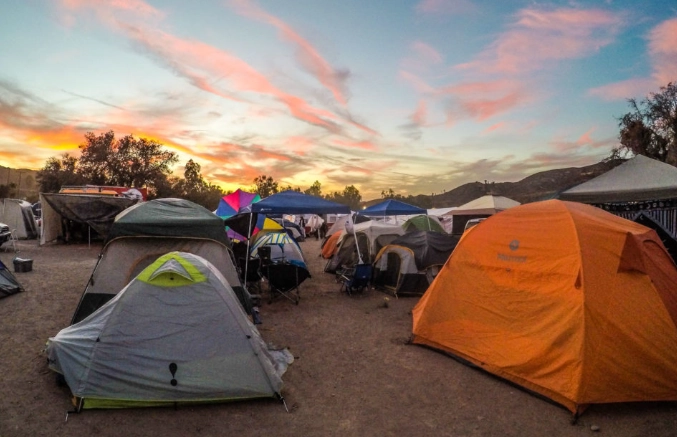
Organize your camp into zones: Kitchen area (on a table if you have one), Lounge area (chairs under the canopy), and Sleeping area. Keep wet and muddy items away from your tent entrance. Hang a flag or unique tapestry on your canopy—it makes finding your camp in a sea of identical tents infinitely easier at 2 AM.
Pro Tip for Dust: Festivals in dry climates are dusty. Bring a small broom and dustpan for your tent. Keep shoes outside the tent, and use a bandana dipped in water as a face cover during the dustiest parts of the day. A saline nasal spray before bed clears your sinuses.
Common Camping Festival Gear Questions Answered
Final Thoughts Before You Go
Packing the right camping festival gear isn't about having the fanciest stuff. It's about foresight. It's anticipating the cold night, the afternoon downpour, the dusty path, and the need for a comfortable chair after eight hours of dancing.
It removes the stressors.
When you're well-prepared, you're free to fully immerse yourself in the experience. You're not worrying about being wet, cold, hungry, or lost. You're just present, having fun with your friends, making memories that will last long after you've shaken the dust out of your tent.
So use this list. Adapt it to your own needs. Think about what comfort means to you. Maybe it's that special pillow from home. Maybe it's a french press for morning coffee. Pack those things.
Then go. Set up your little home-away-from-home. And have an absolutely incredible time out there.