Quick Jump: What I'd Tell a Friend Before They Book
Most people use "tent camping" and "primitive camping" like they mean the same thing. They don't, and in California the gap between them is wider than in most states. One has a flush toilet and a reservation system. The other might have nothing but a dirt pullout and a fire permit you printed at home. I've pitched a tent in both kinds of spots across the Sierra, the desert, and the coast, and the difference has changed my packing list more than once.
Here's the short version: tent camping means sleeping in a tent at a developed campground, usually with water, toilets, and a designated pad. Primitive camping (often called dispersed camping) means camping outside a developed campground, typically on public land, with no services at all. That single distinction drives everything else: cost, permits, what you carry, and how you plan your day.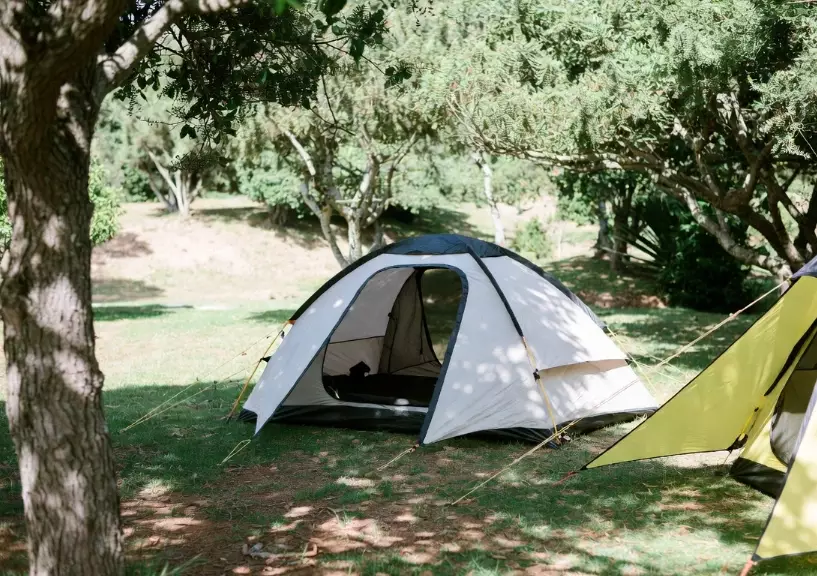
The Core Difference in One Minute
Tent camping is a style of shelter. Primitive camping is a style of location and service level. That's the mental model that clears up most confusion.
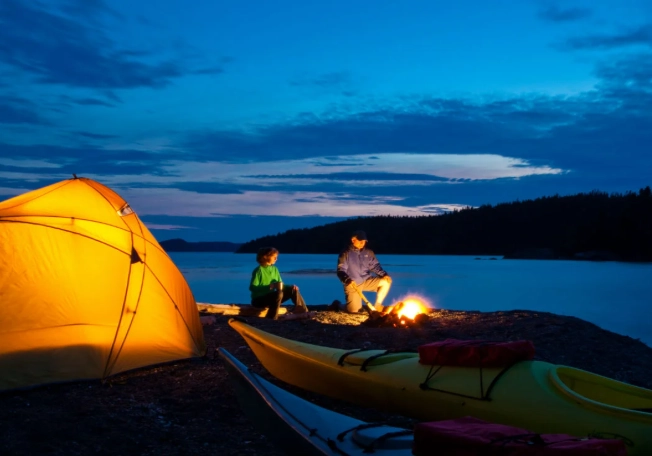
Tent camping at a California state park or national park campground: you reserve a site, park in a numbered spot, and walk to a restroom. Think of a site at a place like the coastal campgrounds in San Diego County or the Sierra sites near a lake. Showers may or may not exist. The key is that infrastructure is there.
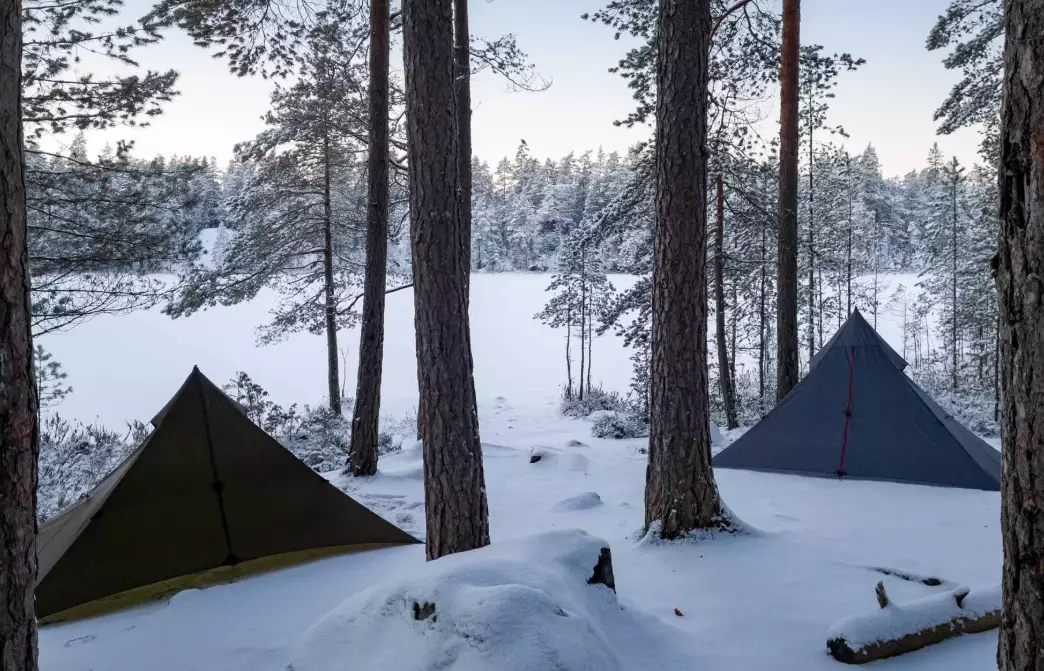
Primitive camping: you drive down a forest road, find a legal pullout, set up off the road, and pack out everything. No water spigot. No vault toilet. Often no cell signal. The trade is silence and space for a little more planning and gear.
You can tent camp inside a primitive site (that's the common combo), but you can't call a developed campground primitive just because the sites are small.
Amenities Side by Side (What You Actually Get)
I keep this table in my head when I'm deciding whether to bring the big cooler or the compact one. It's the practical stuff that decides your comfort level.
| Feature | Tent Camping (Developed) | Primitive Camping (Dispersed) |
|---|---|---|
| Reservation | Usually required, book ahead | Usually none, first come |
| Cost | Roughly $25 to $45 per night in state parks | Free on most federal land, some areas need a permit |
| Water | Potable water available | You bring all of it |
| Toilet | Flush or vault toilet on site | None, dig a cathole |
| Fire | Fire ring provided, seasonal bans apply | Fire permit required, bans apply, often banned |
| Trash | Dumpsters on site | Pack out everything |
| Cell signal | Often decent | Often zero |
The first time I camped primitive in the Eastern Sierra, I forgot the trash part. Two days of wrappers went into my backpack and, honestly, that smell taught me more than any guide could.
Permits, Rules, and Costs in California
California adds a layer most other states don't have: fire permits and land-manager rules that vary by agency.
Who manages the land
Primitive camping usually happens on U.S. Forest Service land or Bureau of Land Management land. Each has its own dispersed camping rules, and specific districts can close areas. Check the ranger district's page before you drive out. Developed tent camping runs through California State Parks, the National Park Service, or county park systems.
What you need in hand
For any fire, stove, or lantern outside a developed campground, California requires a California Campfire Permit, free and available online from Cal Fire. Print it. Rangers do ask. The permit is separate from your campsite reservation and it's the item people forget most often.
One non-obvious detail: in developed campgrounds, the fire ring is often the only legal place for flame. In primitive areas, the rule is usually "no fire without a permit and only where allowed." In high fire danger season, that means no fire at all. Don't assume a metal fire ring makes it legal.
Water, Toilets, and the Trash Trap
Water is the biggest comfort divider. At a developed tent site, I fill my bottles at a spigot and don't think about it. Primitive sites mean hauling a gallon per person per day at minimum, and more in desert heat.
Toilets are next. A developed campground gives you a real toilet, which matters if you're camping with kids or someone new to the outdoors. Primitive camping means a trowel and a cathole at least 200 feet from water, trails, and camp. It's not hard, but it's a skill to teach before the trip, not during it.
Trash is the quiet difference. I've watched people leave a full bag at a primitive site because "someone will get it." Nobody will. Pack out trash, and also pack out food scraps, because wildlife learns fast.
Fire Rules and Wildlife Reality
California's fire rules shift by season and region, and they can tighten overnight. Before any trip, check the current restrictions from Cal Fire and the specific forest or park you're visiting. When fires are banned, a camp stove is usually still allowed under the permit, but check the exact terms.
Wildlife is the other thing people underestimate. Developed campgrounds have habituated animals that know the drill, so you need a hard-sided food container or a bear box. Primitive sites have animals that haven't learned to raid coolers, which sounds easier but isn't, because they're bolder about checking. Either way, store food away from your tent.
How Do You Choose Between Them?
Ask yourself three questions and the answer usually falls out on its own.
- Is anyone in the group new to camping? Choose developed tent camping. The toilet and water spigot remove the two biggest stress points.
- Do you want to drive far from pavement and stay a while? Primitive camping wins on space, quiet, and cost.
- Are you traveling in fire season or summer heat? A developed campground with shade and water is safer and simpler.
If you're mixing both, do the developed night first. That way you can top off water and check the weather at the ranger station before heading out to a primitive spot.
First-Timer Mistakes I See Every Season
The one I see most: people plan primitive camping without checking the specific district's dispersed camping map. A road that looks open on a general map may be closed to camping. The ranger station's motor vehicle use map is the real answer, and it's often only available as a PDF.
The second: assuming "primitive" means "remote." Some dispersed sites sit 20 minutes from a highway with five other groups nearby. If you want true solitude, go midweek and farther out.
Third: packing for developed camping and then switching to primitive without adjusting. No water source means no dishwashing at a spigot, no shower, and a heavier pack. Rebuild the list if you switch plans.
FAQ: Questions People Actually Ask
Can I just pull off a forest road in California and camp for free?
Sometimes, but not anywhere. Dispersed camping is allowed on much Forest Service and BLM land unless a specific area is closed. You need to be off the road, usually within a set distance from it, and you need the campfire permit if you plan any flame. The closure list changes, so check the local ranger district before you go.
Is primitive camping legal with a dog in California state parks?
This trips people up. Developed state park campgrounds often allow leashed dogs in camp but not on trails. Primitive camping on federal land usually has looser dog rules, but wildlife and heat change the risk. I keep a short leash and a water bowl regardless.
What's the one item people forget for primitive camping in California?
A printed campfire permit and a way to carry water. Both are easy to overlook because developed camping spoils you. I also carry a small trowel and a trash bag, because pack-out rules are stricter than most people expect.
Do primitive sites ever have a vault toilet?
A few do, especially at trailheads or popular dispersed areas, but you can't count on it. Plan as if there's none. That single assumption keeps your trip simple.
I've had great nights in both setups. Developed tent camping is the easy on-ramp. Primitive camping is the one I keep going back to when I want quiet and don't mind carrying the weight. Match the style to the group and the season, and California gives you plenty of room for both.
This article was fact-checked against current land-manager guidance from Cal Fire and federal camping rules.