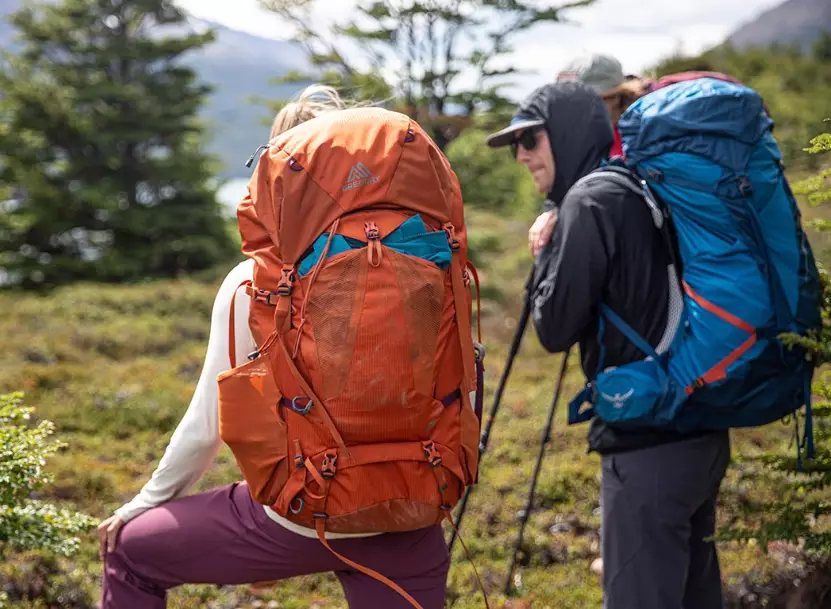
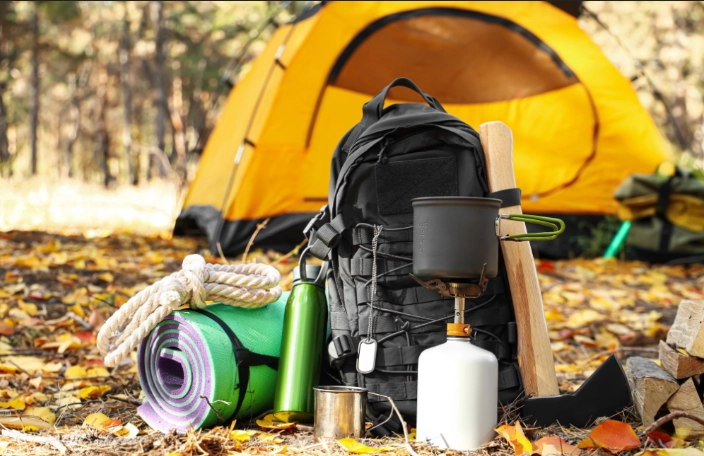
You've spent a fortune on lightweight gear. You've meticulously planned your meals. But halfway up the trail, your shoulders are screaming, your hips feel bruised, and every step is a battle against your own backpack. Sound familiar? The culprit is rarely just total weight—it's almost always poor camping weight distribution. Getting this right isn't just a nice-to-have; it's the difference between a grueling slog and an enjoyable journey. I learned this the hard way years ago on a trip where my poorly packed 40-pound bag felt like 60, while my friend's identically weighted pack felt effortless. The secret was all in the balance.
Quick Navigation: What You'll Learn
Why Backpack Weight Distribution Matters (It's Not Just About Comfort)
Think of your backpack as a lever system. Where you place weight dramatically changes the forces acting on your body. A top-heavy pack pulls you backward, forcing you to lean forward constantly, straining your back and neck. A load that's too low can feel unstable, like it's swinging side-to-side with each step.
Proper distribution does three critical things:
It transfers weight to your hips. Your hip belt is designed to carry 80-90% of the load. A well-balanced pack sits snugly against your mid-back, allowing the hip belt to engage properly. If the weight is too high or too far from your back, the belt is useless, and your shoulders take the punishment.
It improves stability and reduces fatigue. A centered, close-to-the-body load minimizes sway. Your core muscles don't have to work overtime to counteract shifting weight, saving massive amounts of energy over miles. The American Hiking Society emphasizes that stability is key to preventing injuries on uneven terrain.
It keeps you safer. Good balance means better footing on tricky sections—crossing a stream, scrambling over rocks, or navigating a steep descent. A wobbly pack is a liability.
How to Achieve Perfect Backpack Weight Distribution: A Step-by-Step Method
Forget complicated rules. Use this simple, physical method I've taught for years.
Step 1: The Foundation (Bottom of Pack) Start with your sleeping bag. It's bulky, light, and compressible. Stuff it at the very bottom. This creates a soft base and keeps heavy items from sinking too low.
Step 2: The Core Weight (Close to Your Back, Mid-Height) This is the most important step. Gather your heaviest items: food bag, cook kit with stove and fuel, water reservoir (if full), and bear canister. Place these items vertically in the center of your pack, as close to your spine as possible. Imagine creating a dense column of weight running along your back. This is your anchor.
Step 3: The Filler & Access (Top and Front) Surround that heavy core with medium-weight items like clothing and your shelter (tent body/fly). Lighter, bulky items like a puffy jacket go on top. Items you need quick access to—rain gear, first aid, snacks—go in the lid or in external pockets.
Step 4: The Fine-Tuning (The Hip Belt Test) Don't just put it on. Load your pack, loosen all straps. Put it on, fasten the hip belt first and tighten it firmly so the padding cups your hip bones. Then tighten the shoulder straps just enough so they hug your shoulders without pulling down. Finally, engage the load lifter straps (the ones coming from the top of the shoulders to the pack). They should pull the load in and down towards your shoulders at a 45-degree angle.
Now walk around your living room. Does it pull you back? Tighten load lifters and/or shift weight forward. Does it feel unstable? Make sure heavy core items are tight against your back.
A Zone-by-Zone Packing Guide for Different Trip Types
Your packing strategy should shift based on your trip. Here’s how weight distribution priorities change.
For Weekend Backpacking (2-3 Days)
You have more luxury items. Focus is on balancing food weight. Pack your food bag (often your single heaviest item) right in the center-back. Use clothing to pad around it. Since water sources may be frequent, start with only 1 liter in your reservoir to keep initial weight down, placing it in the core zone.
For Multi-Day Treks (5+ Days)
Food weight dominates. The mistake is putting the entire massive food bag in one spot. Split your food. Pack 2-3 days' worth in the heavy core zone. Put the rest of the food (lighter as you eat it) in the top or bottom. This keeps the center of gravity consistent as you consume supplies.
For Desert or Dry Camping
Water is king. You might be carrying 6+ liters (over 13 lbs). This changes everything. You cannot put all that weight in one spot. Distribute water weight: a full reservoir in the core zone, and 1-2 liter bottles in side pockets, but only if they are high and tight. Low side bottles will swing. Consider a front-mounted bottle carrier for perfect counter-balance if your trail is non-technical.
Quick Reference: Where to Pack Key Items
| Item | Optimal Zone | Reasoning & Pro Tip |
|---|---|---|
| Sleeping Bag | Bottom | Light, bulky. Forms a base. Use a compressions sack only enough to reduce volume, not to create a brick. |
| Food Bag (Heavy) | Center, against back | This is your primary ballast. Keep it vertical. |
| Water Reservoir (Full) | Center, against back | Water is dense. Keep it high in the center zone to avoid a low, sloshing pull. |
| Stove, Fuel, Pot | Center, next to food | Dense items. Bundle them together in a stuff sack to create a neat weight block. |
| Tent (Body & Fly) | Middle, outside of core | Medium weight. Can be split—fly in middle, poles in side pocket. |
| Clothing | Around core, top, or front | Use to fill dead space and pad the heavy core. Keep rain layer accessible. |
| First Aid, Headlamp, Snacks | Lid or hipbelt pockets | Critical for access without stopping or opening main pack. |
Common Weight Distribution Mistakes to Avoid
The "Everything on the Outside" Error
Strapping a sleeping pad, tent, and wet shoes all to the exterior. This moves weight away from your body, creating a pendulum effect that destabilizes you with every step. External carry should be for very light, bulky items only (e.g., a closed-cell foam pad).
The "Heavy at the Bottom" Trap
Putting your food bag or water at the bottom of the pack. It forces you to hunch forward to compensate and makes the pack feel like it's dragging you down into the ground. It's exhausting.
Ignoring the Load Lifter Straps
These small straps are your best friend for fine-tuning vertical balance. If they're loose, the weight sags away from your upper back. They should be snug, pulling the top of the pack frame toward you.
How Your Gear Choices Inherently Affect Balance
Your backpack model isn't neutral. An ultralight frameless pack demands near-perfect packing, as it lacks a structure to manage weight away from your body. A heavy-duty internal frame pack with a robust hip belt and tensioned back panel is more forgiving.
Consider where your pack's features are. Does it have high, tight side pockets for water bottles? That's good for balance. Does it have a massive front "shove-it" pocket? Be careful not to overload it with heavy items, pulling you backward.
My personal rule: The more technical or longer the trip, the more I prioritize a pack with good suspension and structure, even if it adds a pound. That framework is what allows me to execute perfect weight distribution.
Your Weight Distribution Questions Answered
Mastering camping weight distribution turns your backpack from a burden into a tool. It's not about buying the lightest gear; it's about using smart packing to make the gear you have work with your body. Spend 10 extra minutes at the trailhead adjusting and repacking. Your back, your knees, and your overall enjoyment of the wilderness will thank you for miles to come.