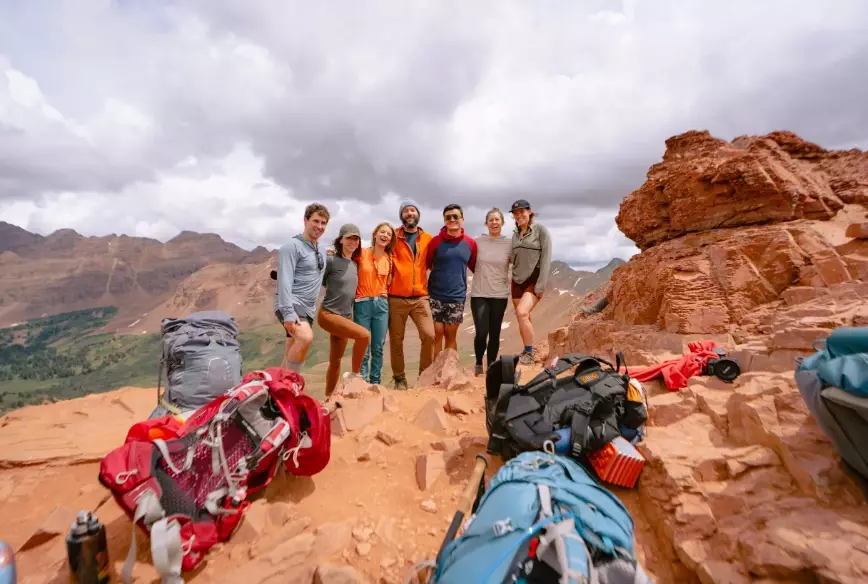
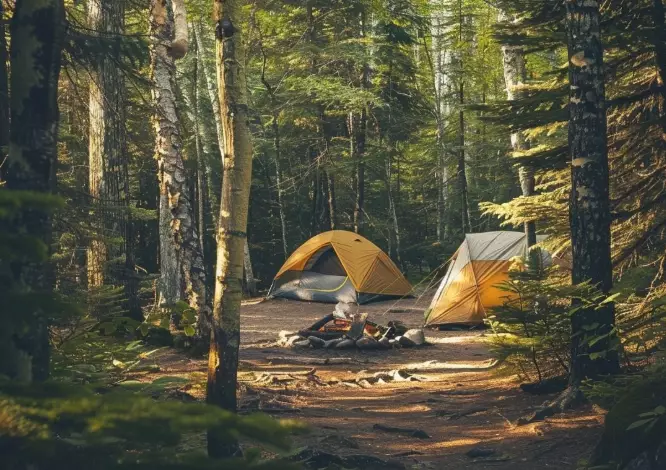
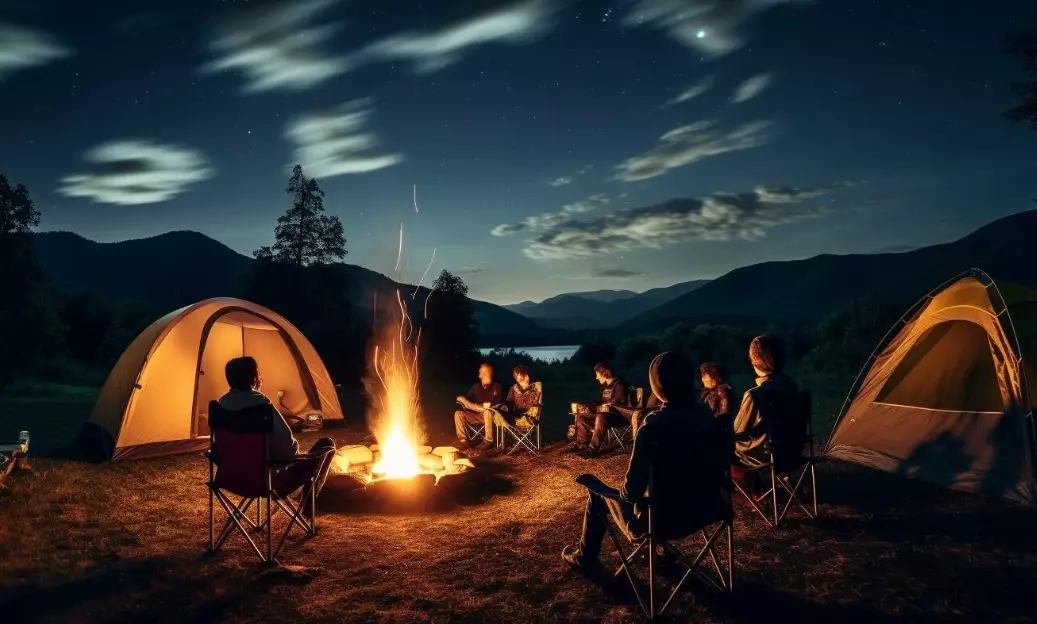
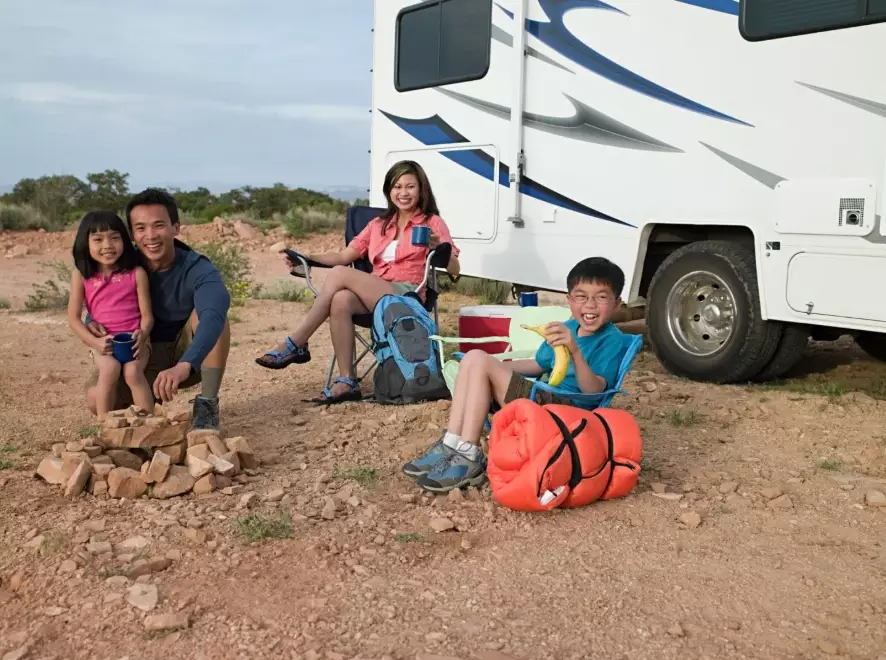
You know the feeling. You finish a stunning day hike, but instead of heading back to a hotel or a long drive home, you get to stay right there, in the heart of the landscape. The stars come out, the campfire crackles, and you wake up with the sunrise already on the trail. That's the magic of a camping and hiking combined trip. It's not just doing two activities back-to-back; it's a seamless, immersive way to experience the wilderness. This guide cuts through the clutter and gives you the practical, from-the-ground-up knowledge to plan your own perfect hybrid adventure.
Your Quick Trail Map
Why Combine Camping and Hiking?
Think of it as depth versus breadth. A day hike gives you a slice of a place. A camping trip lets you soak in one spot. Combine them, and you get the full story. You can tackle longer, more remote trails without the time pressure of a return trip. You're there for the golden hour and the dawn chorus—times most visitors miss. It's also incredibly efficient. Your lodging moves with you, eliminating commute times and letting you invest that energy into the trail itself. For families, it builds a deeper connection to nature. For solo travelers, it offers profound solitude. It's the difference between visiting a place and briefly living in it.
Planning Your Combined Adventure
Success here is all about the blueprint. A generic plan will lead to frustration. You need to match the trip type to your goals and group.
Scenario 1: The National Park Weekend
You have two or three days and want maximum scenery with reliable facilities. This is the perfect starter model.
Sample Itinerary: Arrive at a park like Yosemite National Park or Great Smoky Mountains National Park on Friday afternoon. Set up camp at a reservable frontcountry campground (e.g., Yosemite's Upper Pines Campground, $36/night, reservations essential 5 months ahead on Recreation.gov). Saturday: Day hike a major trail from your base (like the Mist Trail to Vernal Fall). Sunday: Break camp and do a shorter hike on your way out.
Key Move: Use your car as a basecamp. You can bring more comfort gear—a bigger cooler, camp chairs—because you're not carrying it. Focus on hikes that start from or near the campground.
Scenario 2: The Multi-Day Backpacking Loop
This is the purest form of the combined trip. You carry everything on your back, hiking from one backcountry campsite to the next.
Sample Itinerary: A 3-day, 2-night loop in a wilderness area like the Eagle Cap Wilderness in Oregon. Day 1: Hike 6 miles to Lakes Basin, set up camp. Day 2: Explore the high alpine basins with a light daypack, return to your camp. Day 3: Hike out a different 7-mile trail. You need a backcountry permit, which often has a quota. Apply early.
Key Move: Your packing list becomes critical. Every ounce matters. This is where a lightweight tent, sleeping pad, and stove system pay off. Plan a lighter "exploration" day in the middle to rest your legs.
Scenario 3: The Family-Friendly Basecamp
The goal is fun and engagement, not mileage. Choose a campground with easy trail access and kid-friendly amenities.
Sample Itinerary: A state park with a lake. Camp at a site with potable water and bathrooms. Day one: Set up, short nature walk. Day two: Longer hike (2-3 miles max) to a waterfall or viewpoint, with plenty of snack breaks. Afternoon spent at the campsite playing games. The focus is on the camping experience, with hiking as a featured activity, not the sole purpose.
Key Move: Book a campsite close to the trailhead. The walk from your tent to the trail start should be under 5 minutes. Trust me, with kids and gear, this is a game-changer.
Pro Planning Tip: Always check the official park or forest service website for your destination. That's where you'll find the real-time info on fire restrictions, trail closures, permit availability, and bear activity. The National Park Service site and Recreation.gov are your best friends.
Packing Smart: The Dual-Purpose Gear List
Packing for two activities means scrutinizing every item. The biggest mistake I see? People pack for the campsite and forget they have to carry it all. Your goal is items that pull double duty.
Here’s the non-negotiable core list, optimized for carry weight:
| Category | Essential Items | Pro-Tip / Dual-Purpose Hack |
|---|---|---|
| Shelter & Sleep | Backpacking tent, sleeping bag, sleeping pad. | A sleeping pad isn't just for sleep. Inflate it halfway for a great campsite lounger. Test your tent setup at home first—every time. |
| Kitchen | Compact stove, fuel, pot, spork, lighter. | Your cooking pot is also your bowl and mug. Go for a canister stove for simplicity. Pre-measure and repack food into zip-top bags to save space. |
| Clothing | Moisture-wicking layers, insulating layer, rain shell, sturdy hiking boots, camp shoes. | Camp shoes are not optional. A pair of lightweight sandals or sneakers gives your feet a break and saves your boots from campfire embers. Your puffy jacket is for camp luxury. |
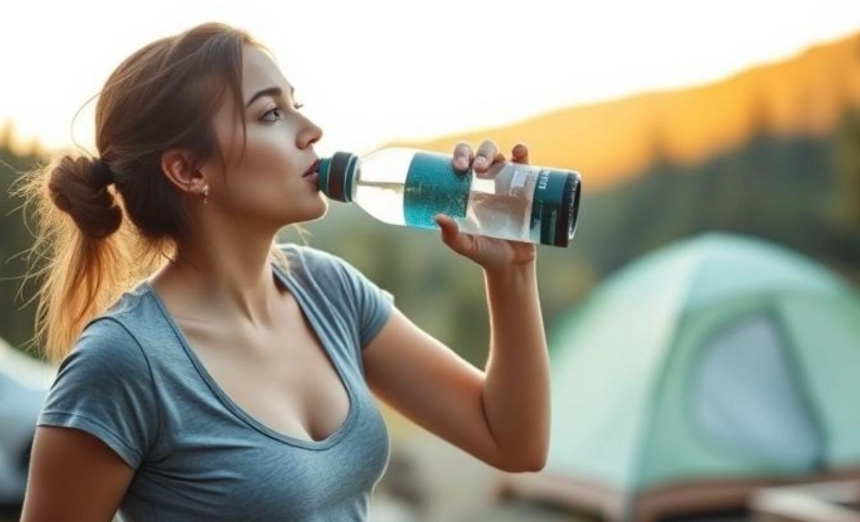
| Hydration | Water filter/purifier, bottles/bladder (3L capacity). | Filter water at the end of your hiking day for camp use. The Katadyn BeFree or Sawyer Squeeze are field favorites for a reason. |
| Navigation & Safety | Detailed paper map, compass, headlamp, first-aid kit, multitool. | Your phone/GPS is a backup, not the primary. A headlamp with a red light mode saves night vision and bugs at camp. |
The one thing most lists forget? A dedicated “camp comfort” item. It should be small and light. For me, it's a compact camp pillow. For others, it's a tiny bag of good coffee or a lightweight book. This one non-essential makes the transition from hiker to camper feel rewarding.
Choosing Your Trail and Campsite
This is where trips are made or broken. Don't just pick the most famous trail.
First, match the trail length to your camping style. If you're at a drive-in campground, you can handle a 10-mile day hike. If you're backpacking, a 6-8 mile day with a full pack is ambitious for most. Use tools like AllTrails or the Forest Service's trail reports to check recent conditions—look for comments about downed trees, water crossings, or snow.
Second, understand your camping options.
- Frontcountry Campgrounds: Designated sites, often with water, toilets, fire rings. Requires reservation, sometimes far in advance. Perfect for beginners and families.
- Backcountry Designated Sites: Specific spots in the wilderness, often with a tent pad and bear hang. Requires a permit. Offers solitude with some infrastructure.
- Dispersed Camping: Camping outside designated areas, usually on National Forest or BLM land. Requires more skill (Leave No Trace is crucial), offers maximum freedom. Always check local regulations first.
My rule: For your first combined trip, pick a designated campground near a trail network. It reduces variables and lets you focus on enjoying the rhythm of hike-camp-repeat.
Expert Tips and Common Mistakes to Avoid
After years of these trips, you notice patterns. Here’s what most guides won’t tell you.
The Camp Setup Timing: Don't wait until you're exhausted to make camp. If you hit your planned site and you're feeling okay, set up immediately. Pitch the tent, inflate the pad, hang the bear bag. Then relax. Doing chores when you're depleted is miserable.
The Food Reality: You'll be hungrier than you think. Pack an extra dinner or more snacks. Freeze-dried meals are efficient, but bring one that you genuinely enjoy—it's a major morale booster. A common mistake is packing boring, utilitarian food.
The Foot Care Ritual: The first thing you do at camp: take off your hiking boots and socks. Air out your feet. Put on those camp shoes. This simple act prevents blisters and feels like a five-star luxury.
The Silent Killer: Camp Chores: People budget time for hiking but forget camp chores take time. Filtering water, cooking, cleaning up, securing food—this can easily eat 2 hours. Plan for it. A slow morning with coffee is part of the experience; a frantic morning because you didn't factor in cleanup time is not.
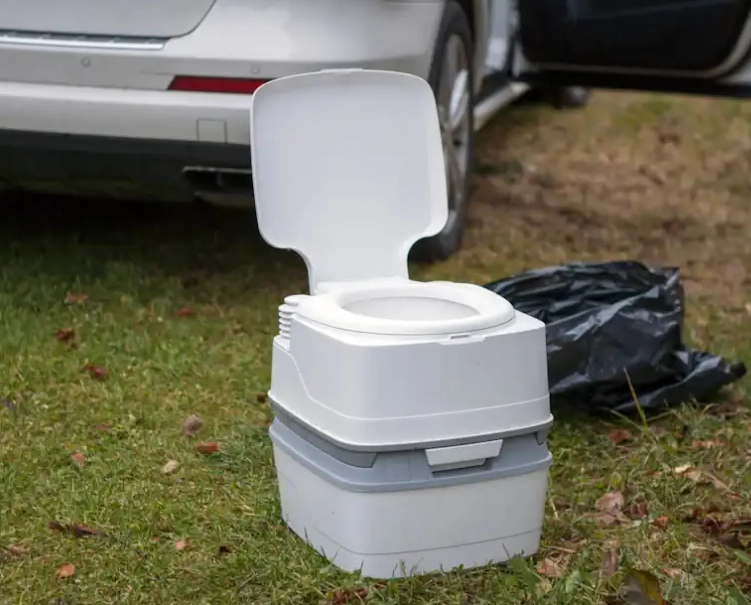
Leave No Trace is Non-Negotiable: This isn't just about litter. It's about camping on durable surfaces, packing out all waste (including toilet paper in many areas), and respecting wildlife. A fed bear is a dead bear. Store your food properly every single time.