What You’ll Find Here
- The Undeniable Allure: Why We're Drawn to the Water's Edge
- The Flip Side: Risks That Can Ruin Your Trip (Or Worse)
- Pros vs. Cons: The River Camping Scorecard
- Choosing *The* Spot: How to Pick a Safe Riverside Campsite
- The Non-Negotiable Safety Protocol
- Gear Up Right: The Specialized Riverside Camping Checklist
- Your River Camping Questions, Answered
Okay, let's talk about that dream. You know the one. Waking up to the sound of gently flowing water, brewing coffee while watching the mist rise off the glassy surface, maybe even casting a line right from your tent door. Camping next to a river seems like the ultimate outdoor fantasy, straight out of a magazine. But is it actually a good idea? I've done it more times than I can count, and let me tell you, the answer isn't a simple yes or no. It's a big, fat "it depends."
I remember one trip in particular, up in the Sierra Nevada. The spot was perfect—a wide, sandy bank next to a crystal-clear stream. We fell asleep to that beautiful, soothing white noise. Around 3 AM, a distant rumble turned into a roar. A sudden upstream storm we hadn't accounted for sent a surge of water down the canyon. Nothing catastrophic happened, thank goodness, but we spent a few heart-pounding hours on high alert, packed and ready to move. It was a stark reminder that rivers are living, breathing entities, not just scenic backdrops.
So, should you camp next to a river? That's the million-dollar question we're going to tear apart. We'll go beyond the obvious and dig into the gritty details most blogs gloss over. The good, the bad, the ugly, and the absolutely breathtaking.
The Undeniable Allure: Why We're Drawn to the Water's Edge
Let's start with the positives, because they're powerful. Camping by a river isn't just popular for Instagram likes. There are some legit, hard-to-beat advantages.
First, the practical stuff. Water source. Obviously. Having a river nearby means you don't have to haul every single drop of water for drinking, cooking, and cleaning from the trailhead. It's a massive weight off your back (literally). But—and this is a huge but—you must, must, MUST treat that water. Giardia and other nasties don't care about your scenic views. A good filter or purification tablets are non-negotiable. The CDC has clear guidelines on backcountry water treatment that are worth memorizing.
Then there's the atmosphere. The sound of moving water is nature's best white noise machine. It drowns out other campers, rustling critters, and even your own thoughts in the best way possible. It's incredibly soothing and can lead to the best sleep you've ever had outdoors. The air also tends to feel fresher, and on a hot day, that cool, damp microclimate by the river is a literal lifesaver.
And of course, the activities. Fishing, swimming (in safe spots), skipping stones, wildlife viewing. Herons, otters, deer coming to drink at dusk—it turns your campsite into a front-row seat to nature's theater. The recreation value is off the charts.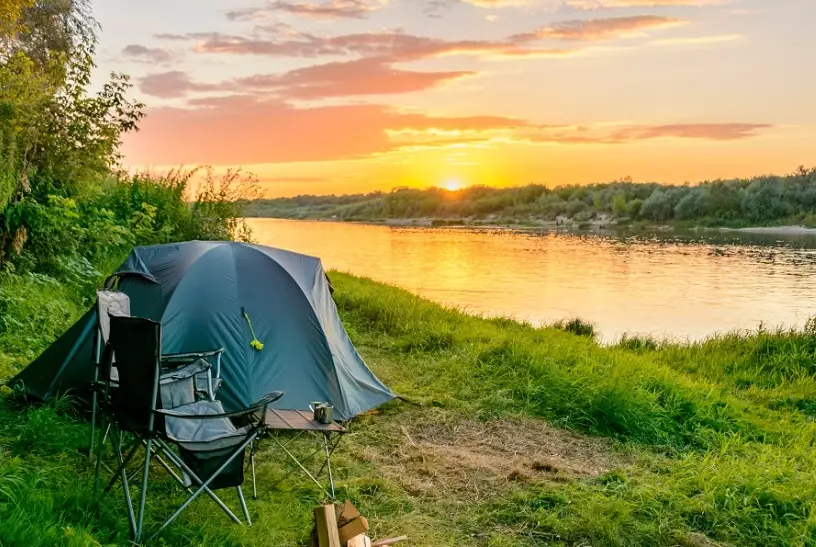
Pro Tip: That "convenient" water source is also your biggest responsibility. Always follow Leave No Trace principles, especially when camping near water. Wash yourself and dishes at least 200 feet away from the riverbank using biodegradable soap (and even then, sparingly). Your campsite should be invisible when you leave.
The Flip Side: Risks That Can Ruin Your Trip (Or Worse)
Now, let's get into the less glamorous side. This is where most people, especially beginners, get tripped up. Deciding if you should camp next to a river means taking these risks dead seriously.
Flash floods are public enemy number one. They are silent, fast, and deadly. You don't need to see rain overhead to be in danger. A thunderstorm miles upstream can send a wall of water, debris, and mud down a canyon with terrifying speed. That beautiful, wide bank you're on can vanish in minutes. The National Weather Service emphasizes that flash floods are the #1 weather-related killer in the U.S. This isn't scare-mongering; it's fact.
Then there's the moisture. Rivers create damp environments. This means heavier dew, condensation in your tent, and gear that never quite feels dry. It also means bugs. Mosquitoes, black flies, no-see-ums—they all love riparian areas. I've had evenings where the bugs were so thick you could barely talk without swallowing a few. Not fun.
Wildlife corridors are another factor. Rivers are natural highways for animals. You're more likely to have visitors, from curious raccoons to larger animals like bears coming down for a drink. This demands impeccable food storage (always use a bear canister or hang food properly, far from your tent). The terrain itself can be tricky—slippery rocks, muddy banks, and uneven ground are common.
And let's not forget the noise. That soothing white noise can become a roar that makes it impossible to hear anything else, including your camping partners or approaching weather. It can also mask the sound of rising water.
See what I mean? It's a trade-off.
Pros vs. Cons: The River Camping Scorecard
To make the decision of whether you should camp next to a river a bit clearer, let's lay it all out side-by-side. This isn't about winning or losing, but about understanding the balance.
| The Pros (The Siren's Call) | |
|---|---|
| Scenery & Ambiance | Unbeatable views, soothing sounds, serene sunrises/sunsets. A direct connection to a dynamic landscape. |
| Water Access | Convenient source for treated drinking water, cooking, and limited cleaning. A lifesaver on long trips. |
| Recreation Hub | Instant access to fishing, swimming, wildlife photography, and cooling off on hot days. |
| Temperature Regulation | Cooler air in summer, often less windy than exposed ridges. |
| The Cons (The Reality Check) | |
|---|---|
| Flash Flood Risk | The single greatest danger. Requires careful site selection and constant weather awareness. |
| Insects & Humidity | Prime breeding ground for mosquitoes and flies. Gear stays damp, condensation is high. |
| Wildlife Encounters | Higher probability as rivers are animal highways. Demands strict food discipline. |
| Noise & Terrain | Water roar can mask other sounds. Banks are often muddy, rocky, and uneven. |
| Regulations | Many protected areas forbid camping within 100-200 feet of water to protect ecosystems. |
Choosing *The* Spot: How to Pick a Safe Riverside Campsite
If you've weighed the risks and are still keen, your success hinges on one thing: site selection. This is where you answer "should you camp next to a river?" with action. A good spot minimizes risks and maximizes rewards.
First, elevation is your best friend. Look for a spot that's significantly higher than the river's edge. I use a simple rule: can I see a clear, high-water mark (debris in bushes, stained rocks, eroded soil)? If so, camp well above that line. A general guideline is to be at least 10-15 feet vertically above the water level, and even further back horizontally. Don't camp on a sand or gravel bar—it's basically the river's temporary storage area during high water.
Second, check the weather forecast meticulously, but not just for your location. Look upstream. What's the forecast for the entire watershed? Are there thunderstorms predicted miles away? Resources like the National Weather Service river gauge forecasts can be invaluable for larger rivers.
Look for durable surfaces. Established, hardened campsites are best. If you must create a new spot, choose resilient surfaces like gravel, dry grass, or forest duff—not fragile riparian vegetation right at the water's edge. The goal is to have zero impact.
Red Flag Checklist: NEVER camp next to a river if you see any of these signs: debris caught high in trees, a constricted canyon downstream, recently rain-saturated ground, or if the weather forecast hints at storms anywhere nearby. When in doubt, hike to higher ground.
Consider the sun and wind. A spot that gets morning sun will help dry out dew-soaked gear. A bit of a breeze can help with bugs. Also, scan the trees above for dead branches ("widowmakers") that could fall.
Finally, know the rules. Many national parks, forests, and wilderness areas have specific regulations about how close you can camp to water. The U.S. Forest Service camping guidelines are a great starting point, but always check the specific rules for your destination. These rules exist to protect water quality and sensitive bankside habitats.
The Non-Negotiable Safety Protocol
Once you've picked your spot, the work isn't over. You need a safety routine.
- Weather Radio/App: Have a way to receive weather alerts. A NOAA weather radio is a solid, battery-powered option.
- Escape Route: As soon as you arrive, identify at least two quick escape routes to high ground. Do this in daylight.
- Nighttime Prep: Keep shoes, a headlamp, and car keys (if relevant) right by the tent door. In an emergency, you don't want to be fumbling.
- Food Storage: Store all food, trash, and scented items (toothpaste, deodorant) in a bear-resistant container or a proper bear hang. Do this at least 100 yards downwind from your tent.
- Mark the Water Level: Place a stick vertically at the water's edge when you arrive. Check it periodically and definitely before bed. A rising level is your cue to reassess.
Gear Up Right: The Specialized Riverside Camping Checklist
Your gear list needs a few tweaks when the answer to "should we camp next to a river?" is yes. It's about managing moisture and bugs, primarily.
| Gear Category | Essential Items & Why |
|---|---|
| Shelter & Sleep | A rainfly with excellent ventilation to combat condensation. A groundsheet or footprint is mandatory for damp ground. Consider a slightly warmer sleeping bag—damp air feels colder. |
| Bug Defense | Head net (a lifesaver), picaridin or DEET repellent, permethrin-treated clothing, and a bug shelter or tent with fine mesh. Don't skimp here. |
| Water Management | A reliable water filter or purifier (gravity filters are great for groups). Multiple water bags/bladders to collect and store treated water away from the noisy riverbank. |
| Footwear | Camp sandals or crocs for wet, muddy banks. Keeps your hiking boots dry. Extra socks are gold. |
| Safety & Navigation | Weather radio, fully charged power bank, physical map (in case electronics fail), and a loud whistle (sound carries poorly over rushing water). |
I learned the hard way about camp sandals. I once spent a whole evening with cold, wet feet because my only shoes were my soaked hiking boots. Never again. A cheap pair of sandals is now a permanent part of my river kit.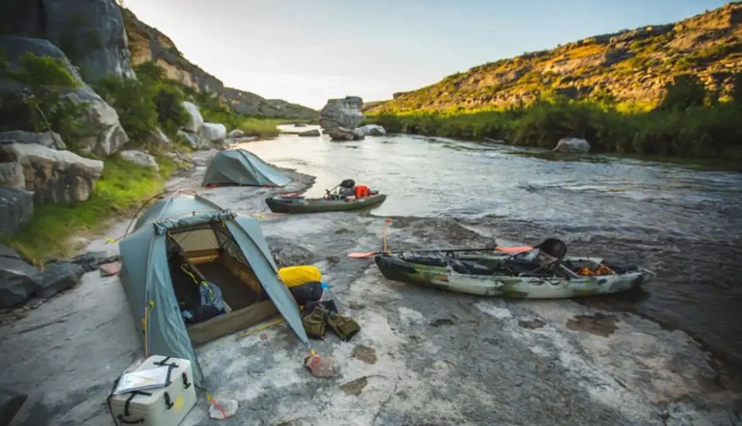
Your River Camping Questions, Answered
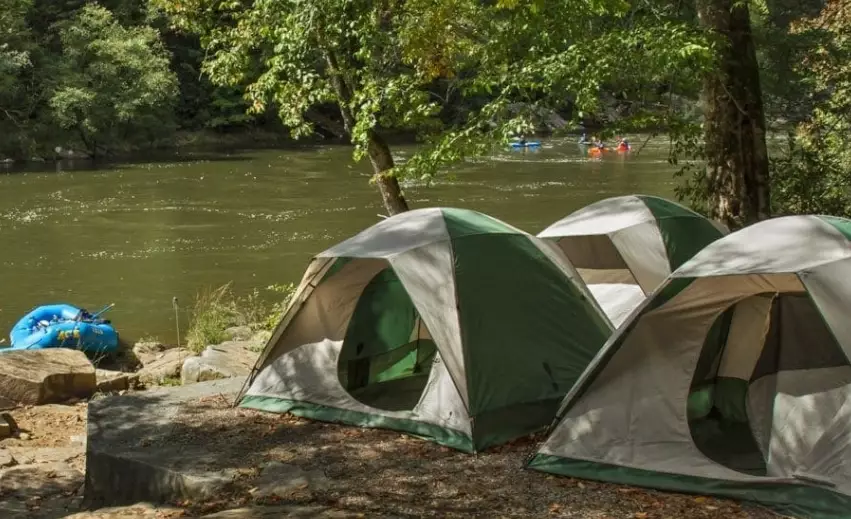
So, circling back to our core question: should you camp next to a river?
If you're a prepared, experienced camper who respects the power of moving water, does their homework on weather and regulations, and is willing to prioritize a safe spot over a pretty one—then yes, it can be an incredibly rewarding experience. The pros can absolutely outweigh the cons.
If you're new to camping, prone to overlooking details, or heading into an area with unpredictable weather, you might be better off choosing a site a little further back. Enjoy the river by day, and retreat to a more protected spot at night. There's no shame in that. It's smart.
Ultimately, the river doesn't care about your plans.
Your job is to listen to it, understand its moods, and make a decision that ensures you get to tell the story of your amazing riverside campout for years to come. Do that, and you'll have answered the question of whether you should camp next to a river perfectly.