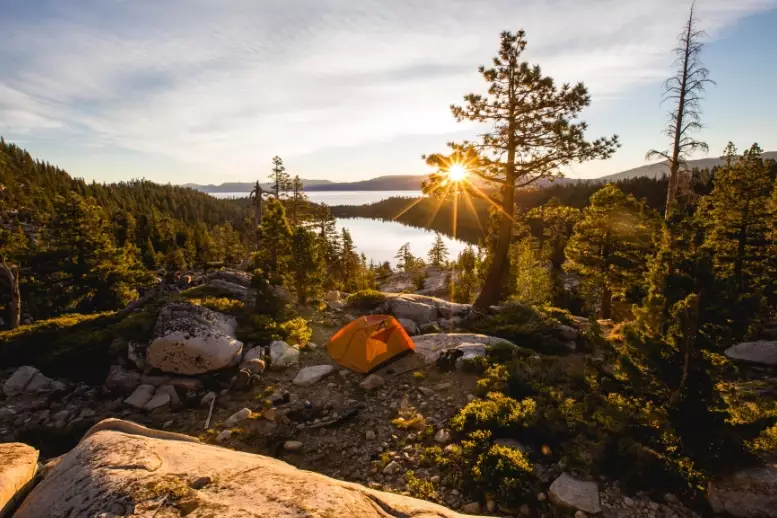
You wake up in your tent, unzip the fly, and there it is. A misty lake, mountains painted with the first gold of dawn, a deer sipping water at the shore. You grab your camera, fire off a few shots, and... later, on your screen, it just looks flat. Muddy. Nothing like the awe you felt. I've been there. After a decade of hauling camera gear into the backcountry, I've learned that camping photography is a unique beast. It's not just landscape photography; it's storytelling under constraints—limited power, changing weather, and the need to keep your kit light and safe.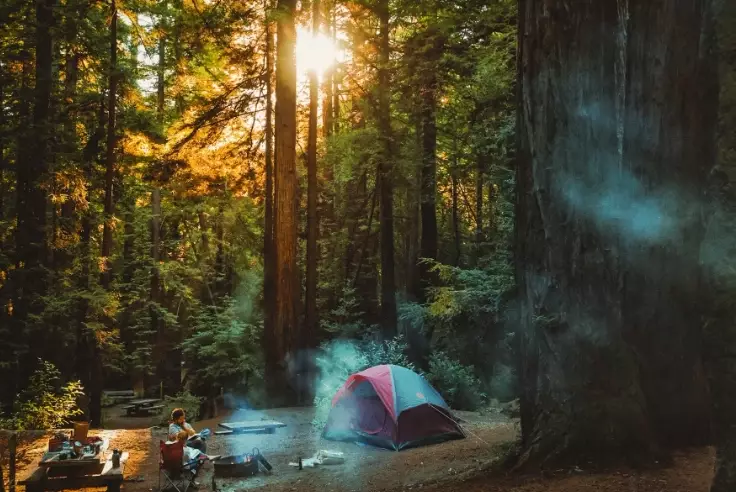
Your Quick Guide to Better Camping Photos
Packing Smart: The Non-Negotiable Gear
Forget trying to bring your entire studio. The key is versatility and durability. A common mistake I see is people bringing their heaviest, fastest lens for wildlife but forgetting a simple, light tripod. For camping, your tripod is arguably more important than an extra lens.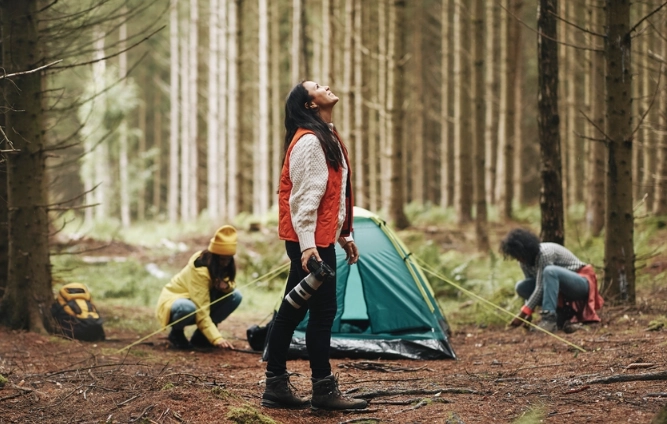
My Core Philosophy: Every piece of gear must serve at least two primary purposes, or it probably stays home. Your camera body is your eye, your lens is your vision, and your support system (tripod, bags) is what lets you execute when you're tired, cold, or in a hurry.
The Camera & Lens Trio
You don't need the latest and greatest. A weather-sealed DSLR or mirrorless camera from the last 5-7 years is perfect. Full-frame sensors are great for low-light star shots, but a modern APS-C camera is lighter and often enough. Lenses? Here's my tried-and-true trio:
- A Wide-Angle Zoom (e.g., 16-35mm f/4): For vast landscapes, tight campsite shots, and astrophotography. The f/4 aperture is fine; you'll be on a tripod for low-light anyway.
- A Standard Zoom (e.g., 24-70mm f/2.8 or f/4): The workhorse. Campfire candids, detail shots of gear, mid-range landscapes. The f/2.8 version is heavier but better for aurora or milky way shots if you lack a wide-angle.
- A Telephoto Zoom (e.g., 70-200mm f/4): Crucial. It compresses distant mountains, captures wildlife from a safe distance, and lets you pick out intimate details in a scene. The f/4 version saves weight and size.
See a pattern? Zooms over primes. When you're miles from your car, you can't swap primes easily. Zooms give you creative flexibility on the spot.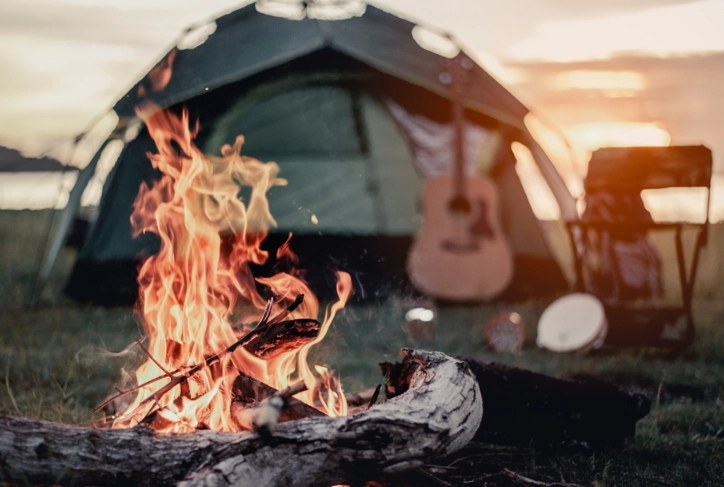
Support & Protection: What Most Blogs Miss
A flimsy tripod in the wind is worse than no tripod. Get one with sturdy leg locks that can handle mud and sand. Carbon fiber is light but expensive; sturdy aluminum is fine. A common error? Not checking the tripod's minimum working height. For low-angle wildflower or creek shots, you need one that goes nearly flat.
For protection, a simple plastic bag and a rubber band can be a makeshift rain cover. But a dedicated sleeve is better. Silica gel packets in your camera bag are a must to combat condensation when you bring cold gear into a warm tent.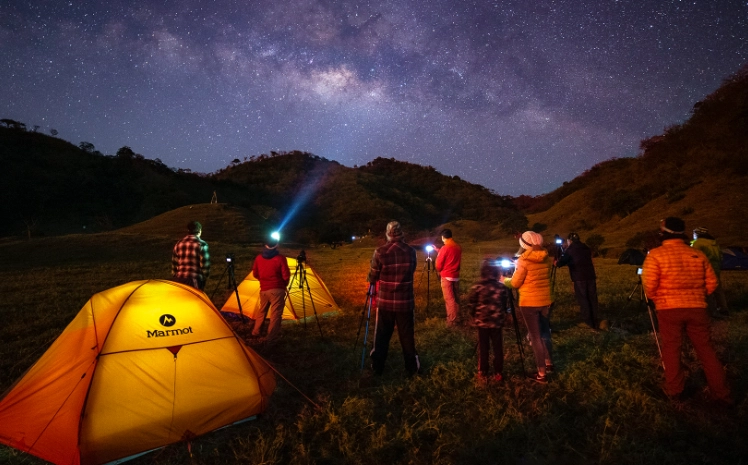
| Gear Category | Specific Recommendation | Why It's Critical for Camping |
|---|---|---|
| Power Solution | High-capacity power bank (20,000mAh+) & solar panel | No outlets in the woods. This keeps your camera, phone, and headlamp alive for multi-day trips. |
| Filters | Circular Polarizer (CPL) & Neutral Density (ND 6-stop) | CPL cuts glare on water/foliage, boosts sky contrast. ND allows long exposures of streams/clouds in daylight. |
| Bag | Water-resistant backpack with dedicated camera compartment | Protects from sudden rain and dust. Quick access is safer than digging in a top-loader with dirty hands. |
| Cleaning | Rocket blower, microfibre cloth, lens pen | Dust, pollen, and campfire ash are lens killers. A blower is better than wiping and scratching. |
Seeing the Scene: Composition & Light
Great camping photos aren't about fancy gear; they're about seeing. The light changes everything. The "golden hour" after sunrise and before sunset is gospel for a reason—the long, warm shadows add depth and emotion. But don't pack up at noon.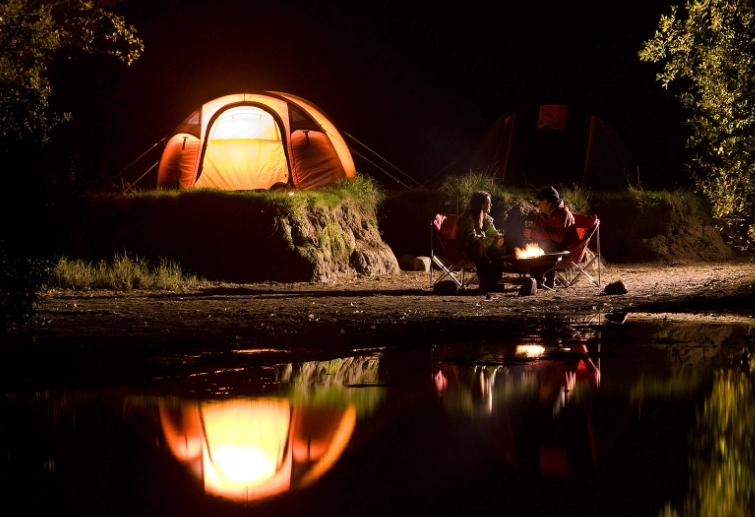
Overcast days are a gift for photographing forests and waterfalls—the clouds act as a giant softbox, eliminating harsh contrasts. Embrace the mood.
Beyond the Rule of Thirds
Yes, place your horizon on a third line. But here's a subtle trick most miss: use elements in your campsite to create frames within the frame. The opening of your tent looking out at a view, tree branches arching over a lake, the curve of a canoe paddle in the foreground. These elements add layers and tell the story of being there, not just looking at a pretty scene.
Leading lines are everywhere—a winding trail, a row of trees, the edge of a lake. Use them to pull the viewer into the photo. And for landscapes, always have a clear foreground element. A textured rock, a patch of wildflowers, your hiking boots. It gives scale and a sense of place.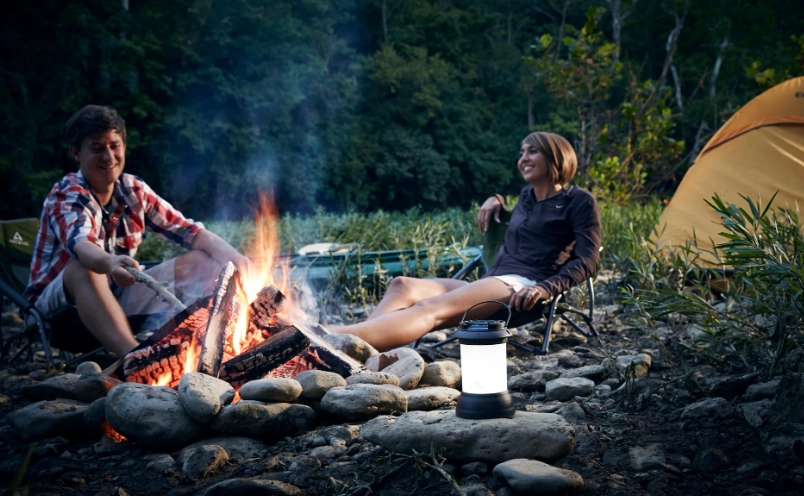
Mastering Specific Camping Scenes
Astrophotography & The Campfire Shot
This is why you brought the tripod. For the Milky Way, you need a moonless night, far from city lights. Use the "500 Rule": 500 divided by your lens's focal length gives you the max shutter speed before stars trail (e.g., 500 / 24mm = ~20 seconds). Set aperture to its widest (e.g., f/2.8), and ISO between 1600-3200. Manual focus is key—use live view, zoom in on a bright star, and adjust until it's a sharp point.
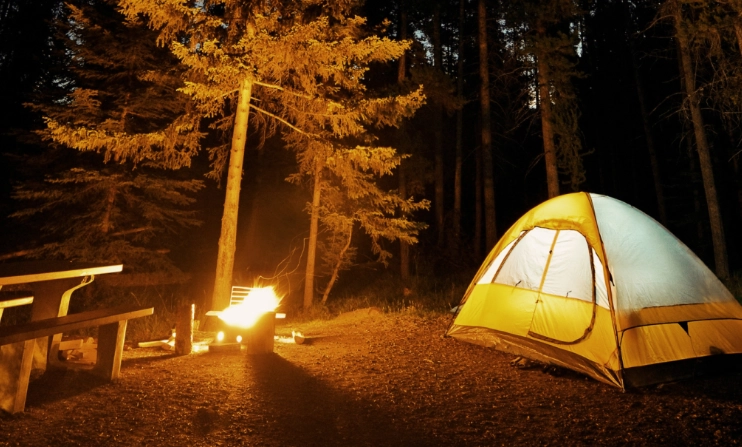
The campfire shot is about balancing exposures. Use a tripod. Take one shot exposed for the people's faces by the fire (slower shutter). Take another exposed for the bright flames themselves (much faster shutter). You can blend them later, or use your camera's built-in HDR mode if you're not into editing.
Wildlife & Candid Camp Life
For animals, your telephoto is your best friend. Be patient and quiet. Shoot in burst mode. The magic often happens in the first or last light of day. More important than the shot? Respect. Keep your distance. Never feed wildlife or alter their behavior for a photo.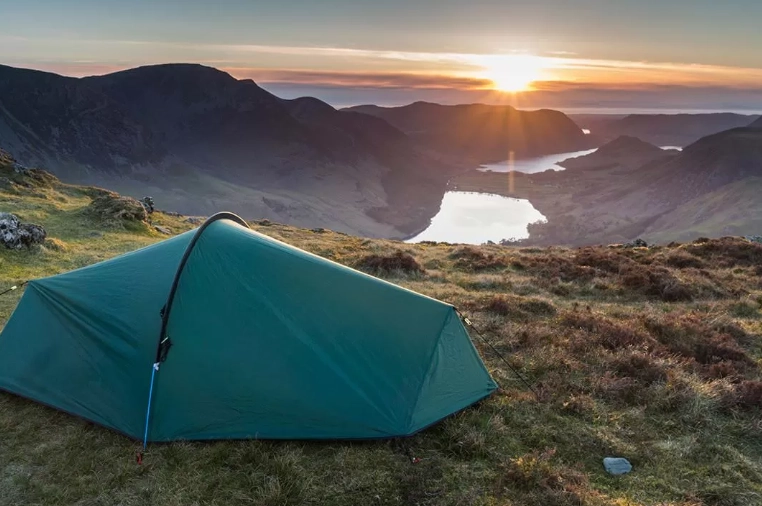
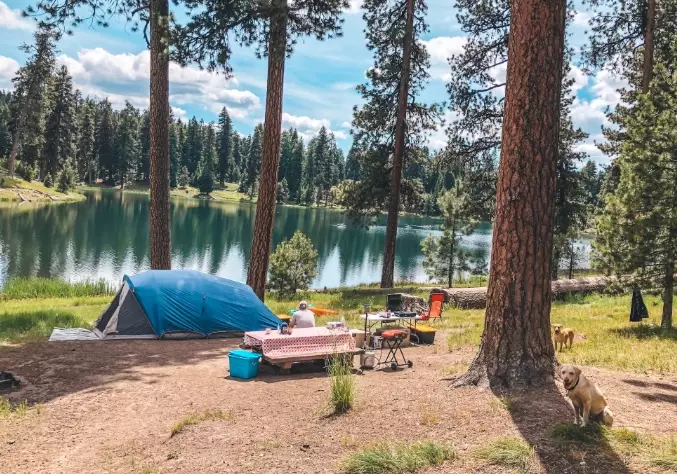
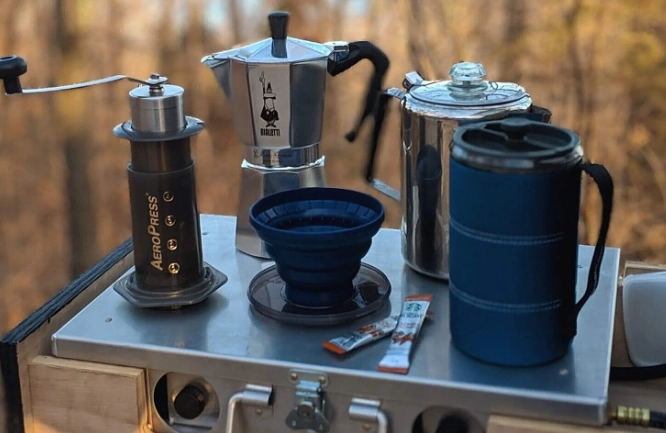
Don't just shoot the vistas. The real memories are in the details: steam rising from a morning coffee mug, hands tying a knot, a well-worn map on a log. These candid moments tell the full story of your trip.
The Campground Workflow & Gear Care
At camp, establish a routine. Keep your camera in its bag when not in use to protect it from dust and moisture. Change batteries and memory cards at night, so you're ready at dawn. I use a large, clear zip-top bag as a "dry bag" inside my backpack for extra insurance.
If your gear gets cold overnight, let it acclimatize slowly in your bag before bringing it into the warm, humid tent to prevent condensation inside the lens. A basic edit on a tablet or phone at camp can help you review what's working, but save the heavy lifting for home.
Your Camping Photography Questions Answered