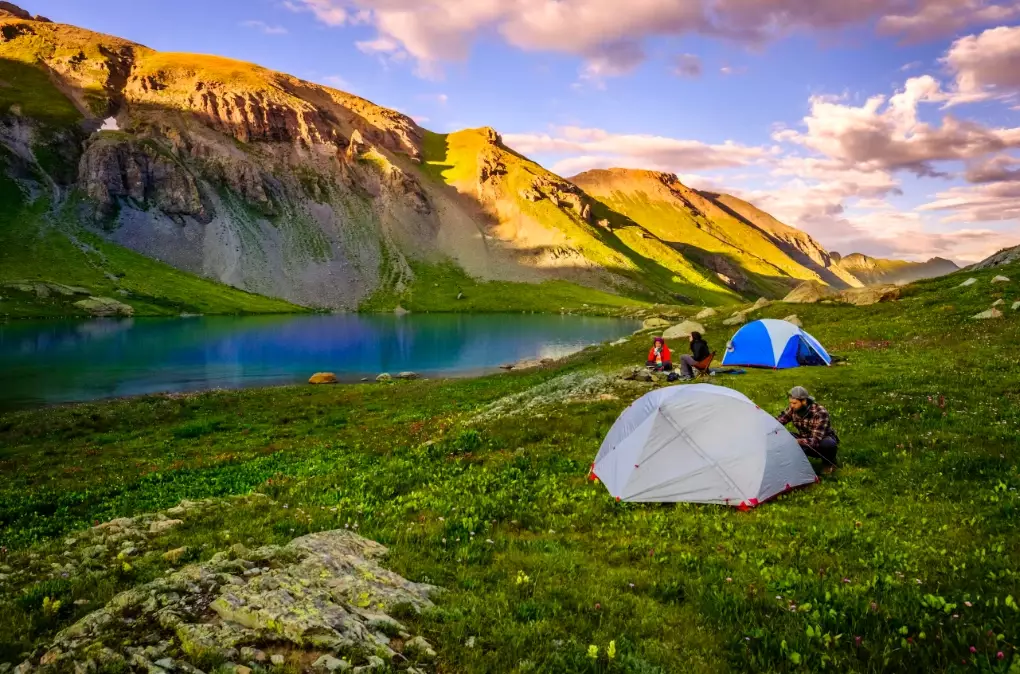
That first backpacking trip. The idea is intoxicating—total freedom, stunning views you can't drive to, the quiet of the wilderness. Then the reality hits: a dizzying array of gear lists, confusing jargon, and a nagging fear of getting in over your head. I remember my first trip well. I packed like I was moving into the woods, not hiking through them. My pack weighed a soul-crushing 45 pounds, and I spent the first night shivering in a cheap sleeping bag, listening to every rustle in the leaves. It was miserable, and I almost quit right there.
But I didn't. I learned, slowly and sometimes painfully, how to do it right. This guide is everything I wish someone had told me before I took that first, overburdened step. We're going to cut through the noise and build your confidence from the ground up.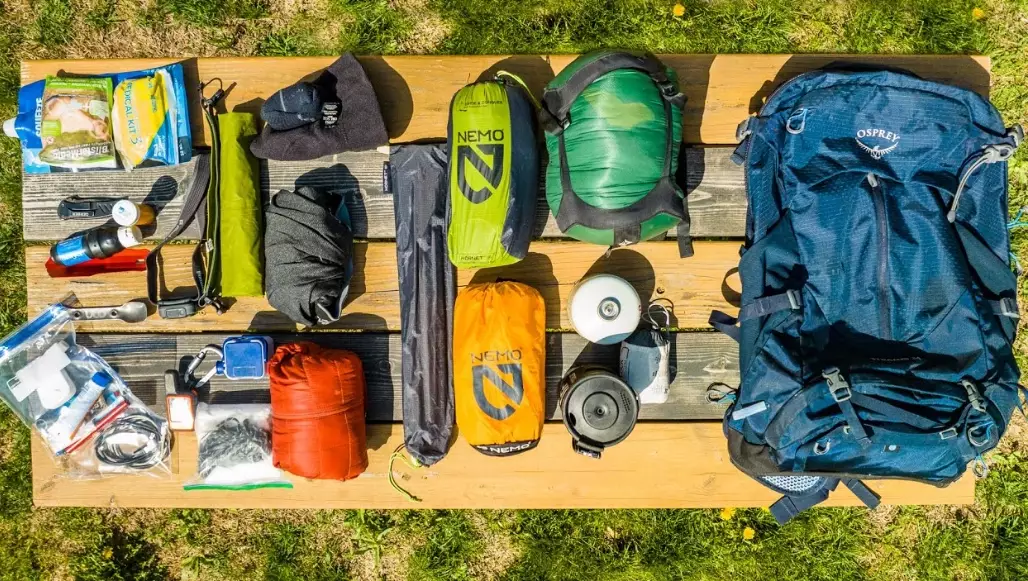
Your Quick Trail Map
The Right Mindset & Your Core Gear System
Forget buying everything at once. Backpacking is a system, and the goal is comfortable safety, not surviving a military exercise. Your gear choices directly dictate your enjoyment.
The Big Three: Where Your Money and Weight Matter Most
Your backpack, shelter, and sleep system are your mobile home. Skimp here, and you'll pay for it in misery. You don't need the lightest, most expensive stuff, but you need reliable, appropriate gear.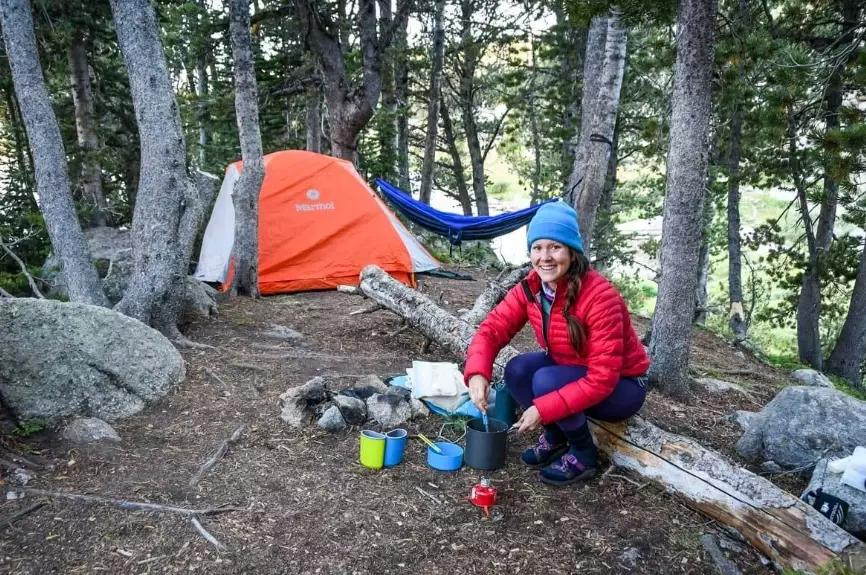
| Gear Category | Beginner-Friendly Options & Key Considerations | Budget vs. Splurge Insight |
|---|---|---|
| Backpack | Look for a 50-65 liter pack. The fit is everything. Go to a store, get measured for your torso length, and load it with weight. Hip belts should carry 80% of the load. Brands like Osprey and Gregory have great entry-level models with excellent suspension. | Budget: A well-fitted $150 pack from a major brand. Splurge: Ultralight packs ($300+) save pounds but often sacrifice comfort and durability for beginners. |
| Shelter (Tent) | A 2-person, freestanding tent is the most forgiving for beginners. Look for a "trail weight" under 5 lbs. Double-wall designs (inner mesh + rainfly) reduce condensation. Practice setting it up in your yard! | Budget: Reliable 2P tents from REI Co-op or Alps Mountaineering ($150-$250). Splurge: Lightweight tents from Big Agnes or MSR ($400+) that use high-tech materials. |
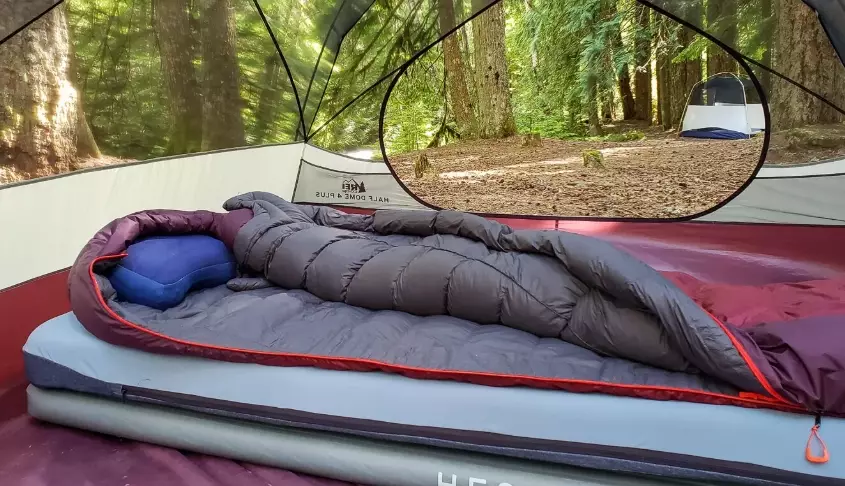
| Sleep System | This is two parts: a sleeping bag (or quilt) rated 10-20°F lower than the coldest expected temp, and a sleeping pad for insulation and comfort. A pad's R-value (insulation) is crucial—aim for R-3+ for three-season use. | Budget: Synthetic bag and a basic foam pad. Splurge: Down bag (warmer, lighter, packs smaller) and an inflatable pad with a high R-value. |
The most common gear mistake I see? Focusing on the backpack first. It's the opposite. Choose your shelter and sleep system first, then buy a pack that fits them and you.
Everything Else: The Supporting Cast
Here’s where you can get creative and save weight. Your kitchen is a canister stove (like the Jetboil Flash), a single pot, a spork, and a lighter. Water means a filtration system—the Sawyer Squeeze is a beginner's best friend. Clothing is all about layers (moisture-wicking base, insulating mid, waterproof shell) and avoiding cotton at all costs—it's called "death cloth" for a reason.
Pro Tip Nobody Tells You: Your first aid kit isn't just for major injuries. Pack blister care (moleskin or Leukotape), ibuprofen, antidiarrheal meds, and tweezers. A small tube of superglue can seal deep cuts in a pinch. And always, always carry a physical map and compass, even if you have a GPS.
How to Choose Your First Backpacking Destination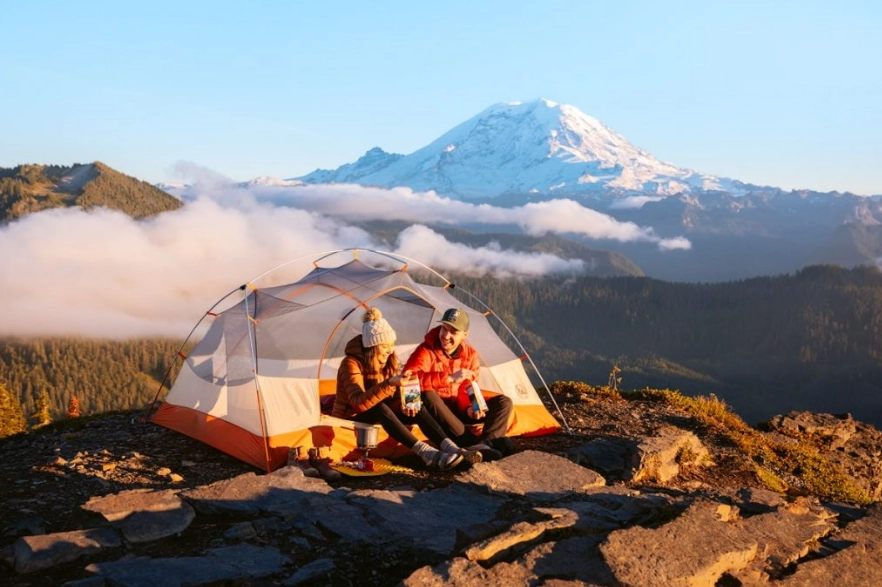
Your first trip shouldn't be a summit push on a remote peak. Think of it as a shakedown cruise. The goal is to test your gear, your legs, and your psyche in a relatively safe environment.
Look for these features:
Short Mileage: Aim for 3-8 miles total over 1 or 2 nights. A 2-mile hike in, camp, explore, hike out is perfect.
Established Trails & Campsites: You want a clear path and obvious places to pitch your tent, often with a fire ring. This removes the stress of navigation and finding a safe spot.
Reliable Water Source: A lake, stream, or spring near the campsite is non-negotiable for filtering.
Minimal Elevation Gain: Save the big climbs for later. Look for trails described as "gentle" or "moderate."
Where to find these? Use resources like the U.S. Forest Service or National Park Service websites. They have trail descriptions, difficulty ratings, and permit info. Apps like AllTrails are great for research, but cross-reference with official sources—user reviews can be misleading.
Let's get specific. Imagine your first trip: The Lakeshore Trail, Porcupine Mountains Wilderness State Park, Michigan. You park at the Lake of the Clouds overlook. The trail to the first backcountry sites along Lake Superior is mostly flat, under 3 miles, and stunningly beautiful. Water is everywhere, sites are designated, and the ranger station is nearby for permits and last-minute questions. It's a classic, forgiving beginner route.
Planning & Executing Your Trip: A Step-by-Step Walkthrough
Planning is what separates a good story from a survival ordeal. Here’s your timeline.
Weeks Before: The Logistics
Check Permits & Regulations: Many popular areas require permits, often available online. Book them as soon as you decide on dates. Check fire rules (is there a burn ban?) and bear canister requirements.
Tell Someone Your Plan: Email a friend or family member your exact trailhead, route, campsite, and return time. This is your most important safety tool.
Test Your Gear: Sleep in your bag on the floor. Cook a meal on your stove. Hike with your loaded pack. This is where you discover your stove fuel canister is empty or your boots give you blisters.
The Day Before: Packing & Food
Pack your backpack using the “light in the middle, heavy and dense close to your back” principle. Sleeping bag at the bottom, tent in the middle or strapped outside, food and stove near the top. Keep rain gear and a water filter in an easily accessible pocket.
For food, think simple and calorie-dense. Dehydrated meals are easy but pricey. My go-to for a first trip: instant oatmeal for breakfast, tortillas with peanut butter and jerky for lunch, a Mountain House dinner, and snacks like trail mix, bars, and chocolate all day. Pack out all your trash, including food scraps.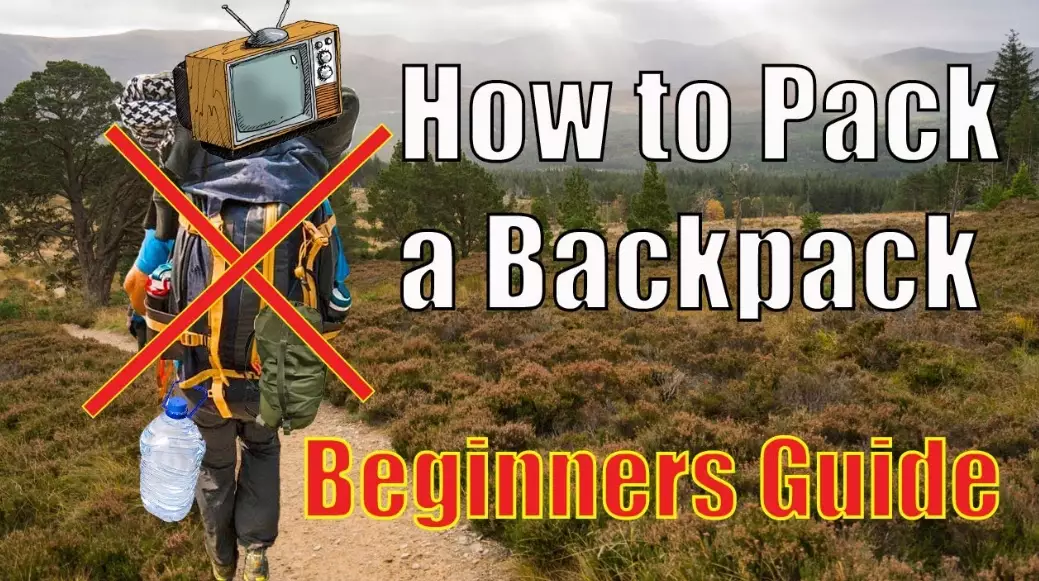
On the Trail & At Camp
Start early. Hike slow. Take breaks every hour. Drink water constantly, even if you're not thirsty.
When you get to camp, your first tasks are: 1) Find a legal, established site. 2) Set up your tent. 3) Hang your bear bag or secure your food in a canister (100+ feet from camp, between trees). Then you can relax, cook, and enjoy the sunset.
Leave No Trace isn't just a slogan. It means packing out toilet paper in a baggie, washing dishes 200 feet from water sources, and leaving rocks and sticks where you found them.
The 5 Most Common (and Avoidable) Beginner Mistakes
I've made most of these. Learn from me.
1. Overpacking Clothes: You need one set to hike in, one set to sleep in (clean and dry), and maybe a puffy jacket. That's it. You will be dirty. Embrace it.
2. Ignoring Foot Care: Stop at the first hint of a hot spot. Apply moleskin before it becomes a blister. Wear moisture-wicking socks, not cotton.
3. Underestimating Water Needs: You need 2-4 liters per day, depending on heat and effort. Plan your route around reliable sources and filter as you go.
4. Setting Up Camp in the Dark: It's a frustrating nightmare. Plan your hike to arrive at camp with at least 2 hours of daylight.
5. The "I Can Tough It Out" Mentality: Cold? Put on your layers before you start shivering. Tired? Take a break. Something feels off? Speak up to your group. Comfort is the goal, not suffering.
Your Backpacking Questions, Answered
 I'm hiking solo for the first time. Any special advice?