You've packed the gear, studied the maps, and you're ready to hit the trail or find that perfect lakeside spot. But something's missing. The idea of sharing a campfire, swapping stories, and having a backup plan when things go sideways sounds pretty good. That's the pull of a camping community. It's not just about a place; it's about the people. Forget the romanticized, solitary image of camping. For most of us, the real magic—and the real practicality—happens when we connect with others who share this itch for the outdoors.
I spent years camping solo or with one buddy, thinking it was the "pure" way. Then I got a flat tire on a remote forest service road with no cell service. A passing group of overlanders not only helped me change it but invited me to their campsite for dinner. That experience flipped a switch. A camping community isn't a clique; it's a network, a resource pool, and often, the source of your best outdoor memories. This guide cuts through the vague ideas and shows you exactly how to find your tribe, what you'll gain from it, and how to pick the right group for you.
What You'll Find in This Guide
What Exactly Is a Camping Community? (It's Not What You Think)
When you hear "camping community," you might picture a permanent RV park or a hippie commune. That's one form, but it's the narrowest definition. Today, a camping community is far more fluid and accessible. At its core, it's any group of people who regularly connect to camp, share knowledge, and support each other's outdoor pursuits.
The key word is connect. The community exists in the conversations, the shared Google Drive folders full of gear lists, the group chats planning the next trip, and the collective memory of that time it rained for three days straight and you all laughed about it anyway. It can be:
- A local Facebook group with 5,000 members where people post "anyone free to camp at Joshua Tree this weekend?"
- A handful of families who book adjacent sites at the same state park every Columbus Day weekend.
- An official club like The Sierra Club, which organizes outings for all skill levels.
- A brand-centric forum for owners of a particular overlanding vehicle or rooftop tent, where meets and trail rides are organized.
The physical campsite is just the temporary headquarters. The community is the ongoing relationship. Understanding this frees you from the idea that you need to live in a certain place or make a huge commitment. You can dip a toe in from your phone tonight.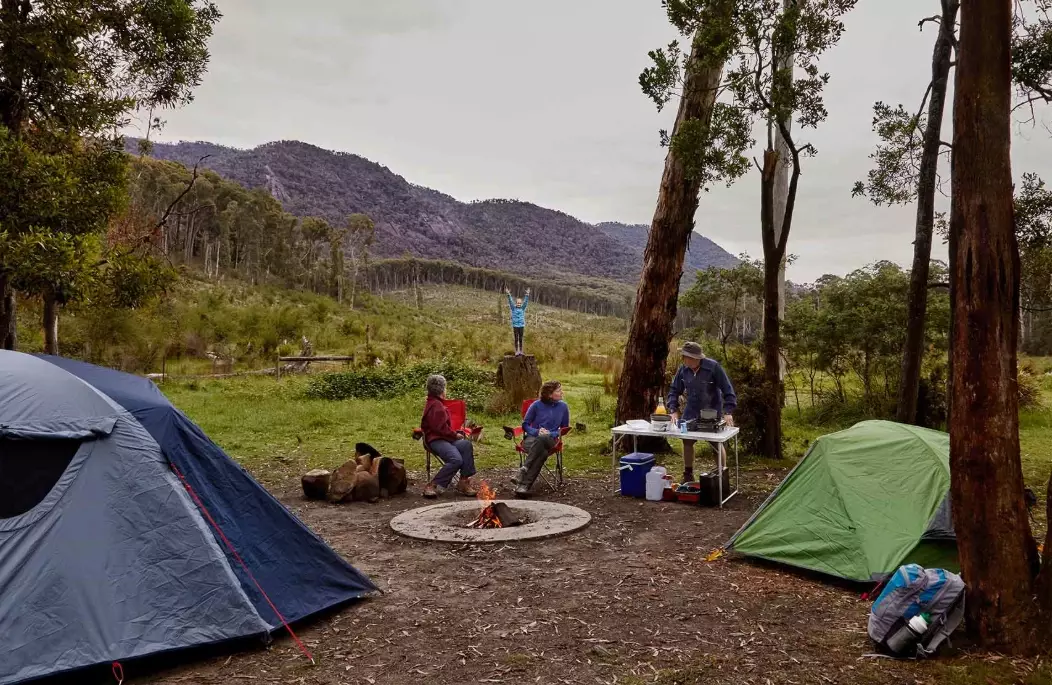
How to Find Your Tribe: Online and Offline Avenues
Finding a camping community is easier now than ever, but it requires moving beyond a simple web search. Here’s where to look, both digitally and in the real world.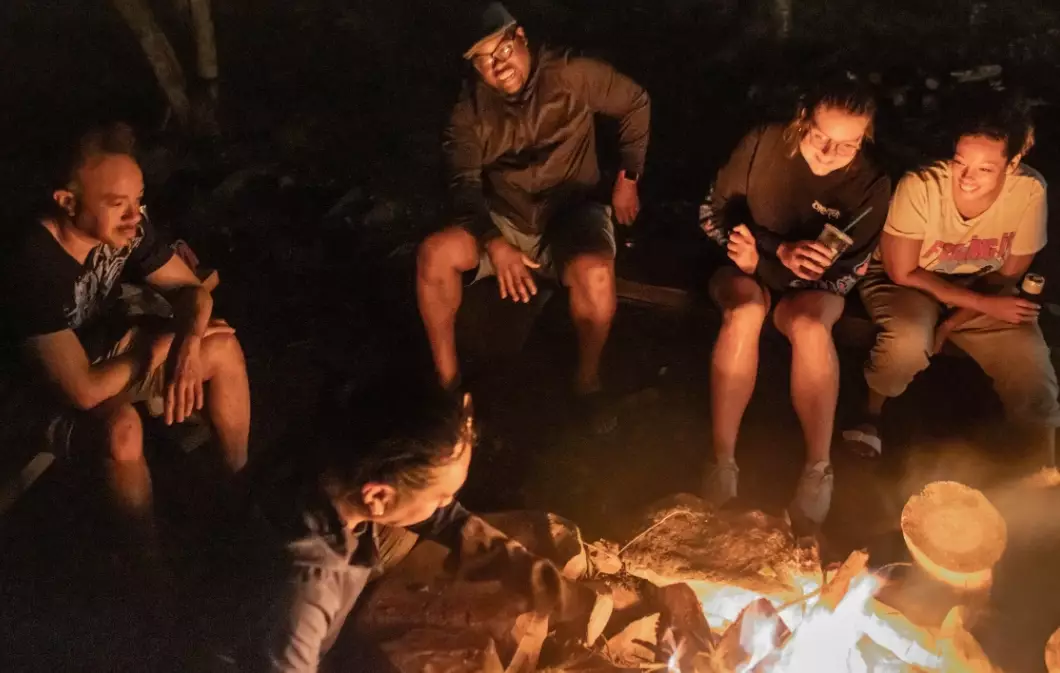
The Digital Watering Holes
This is your starting point. The goal here isn't just to join, but to observe and then participate.
Facebook Groups: This is the undisputed king. Search combinations like "[Your City] Camping," "[Your State] Hiking and Camping," or "Family Camping [Your Region]." Look for groups with active daily posts, not just ads. For example, "Colorado Front Range Camping Enthusiasts" is a massively active and helpful group. Before posting, read the group rules. A good first post is often a specific question: "Looking for dog-friendly, dispersed camping recommendations within 2 hours of Seattle for next weekend."
Meetup.com: More action-oriented than Facebook. Search for "camping," "overlanding," "backpacking," or "RV" in your area. The advantage here is that groups are organized around scheduled events. You can see exactly when the next trip is, who's going, and what the difficulty level is. It takes the ambiguity out of "maybe we should camp sometime."
Reddit (Subreddits): Subreddits like r/camping, r/overlanding, or r/Ultralight are national/international knowledge hubs. While less focused on local meetups, they often have regional threads or Discord servers where local plans are made. The discussion quality on gear and techniques can be very high.
Specialty Forums & Apps: If you're into a niche, go where they gather. iOverlander (app) has a strong community aspect in its forums. Brand-specific forums (e.g., TacomaWorld for Toyota truck owners) almost always have regional "clubhouse" sections for organizing trail runs and camps.
The Physical World Touchpoints
Online gets you connected, but these places seal the deal.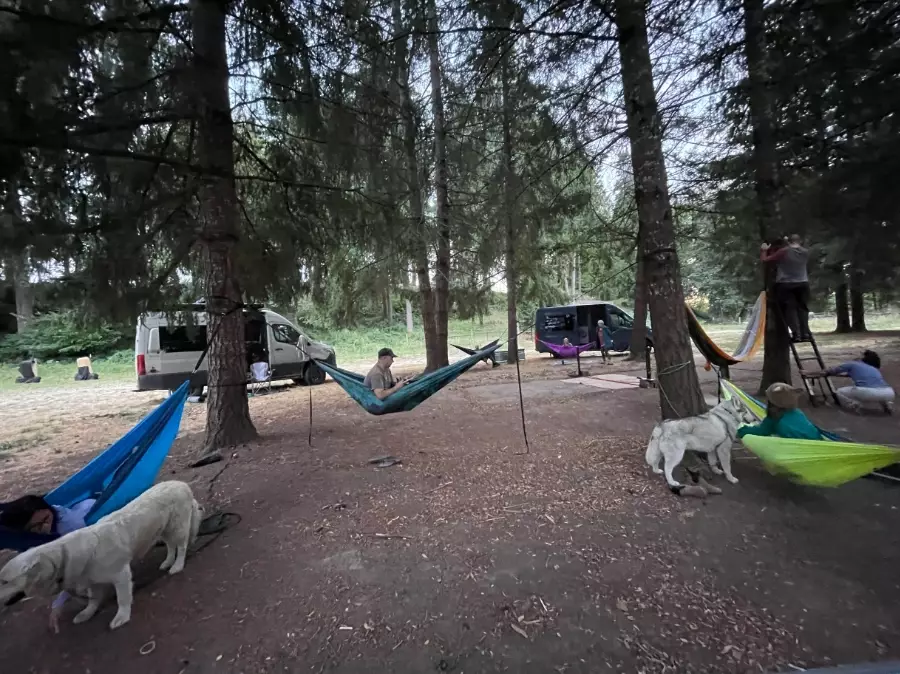
Local Gear Shops (Not Big Box Stores): Stores like REI, local outfitters, or even a well-stocked independent gear shop are community centers. They host free clinics on topics like "Introduction to Backpacking" or "Map & Compass Basics." Show up. Talk to the staff. They know everyone. I found my first serious backpacking partner by chatting with a shop employee about a specific trail; he introduced me to a regular customer who was planning the same trip.
Campgrounds Themselves: This is an old-school method that still works, especially in walk-in tent camping areas or on long-distance trails. Be friendly, not intrusive. A simple "great setup you have there" or "how's the fishing?" can open a conversation. Shared adversity (like everyone weathering a storm) is a powerful community builder.
Volunteer Trail Maintenance Days: Organizations like the National Park Service or the Appalachian Trail Conservancy run volunteer days. You'll work alongside the most dedicated local outdoor people. There's no better way to bond than by building a trail together, and the post-work picnic is a guaranteed social event.
The Real Benefits (and a Few Drawbacks) of Camping with a Community
Let's get practical. Why go through the effort of finding a group?
Safety in Numbers, Literally: This is the biggest unspoken benefit. More people means more first-aid knowledge, more vehicles (in case one won't start), more eyes on the kids or the perimeter, and a collective ability to handle emergencies. For solo campers, especially women, announcing your plans to a trusted community member provides a critical safety check.
Skill and Gear Sharing: You don't need to own a $500 satellite communicator if someone in the group has one. You can learn how to properly hang a bear bag from someone who's done it 100 times. I learned more about reading topo maps in one weekend with a seasoned group than in years on my own.
Cost Splitting and Access: Group campsites are often cheaper per person. Need a permit for a popular destination? A group leader might already have the process down. Some backcountry zones have limited group permits that are easier to get as an organized party.
Overcoming the "I Don't Have Anyone to Go With" Hurdle: This is the primary barrier for many. A community solves it instantly.
But it's not all campfire songs. There are trade-offs.
Loss of Solitude and Spontaneity: Group camping is social. If you're craving deep quiet and the freedom to change your plans on a whim, a large group can feel restrictive. Decisions become democratic (where to camp, when to eat, what hike to do).
Personality and Style Clashes: This is the big one. The person who loves blasting music at camp versus the one who wants to listen to the loons. The 5 AM riser versus the person who sleeps until 10. The "leave no trace" zealot versus the "it's just one candy wrapper" person. These dynamics are real.
The fix? Communication before the trip. A good group leader will set expectations: "This is a quiet, family-friendly camp, we pack out all trash, and we're hiking at 8 AM." This allows people to self-select.
How to Choose the Right Camping Group for Your Style
Not all communities are right for you. Joining a hardcore ultralight backpacking group when you car-camp with young kids will lead to frustration. Here’s how to vet a group before you commit to a weekend.
Identify Your Primary Interest: Are you into RV camping with full hookups, overlanding and off-grid exploration, backpacking for mileage, or family camping with s'mores and board games? Seek out groups that specify this niche.
Lurk Before You Leap: Spend a week or two watching the online group dynamics. Are questions answered helpfully? Is there drama or negativity? Do the organized trips match your desired activity level and style?
Start with a Day Trip or Short Overnight: Propose or join a low-commitment trip first. A Saturday hike with a picnic or a one-night camp at a nearby state park is a perfect trial run. It's much easier to bow out gracefully after one night if the vibe isn't right.
Ask Direct Questions: Before signing up, ask the organizer: "What's the typical pace like?" "Is there a common meal plan or does everyone cook separately?" "What's the policy on pets/alcohol/campfire?" Their answers will tell you everything.
Trust Your Gut on Group Size: A group of 4-6 is intimate and manageable. A group of 20+ is a party or an event. Know which you're signing up for. Larger groups often have more rules out of necessity.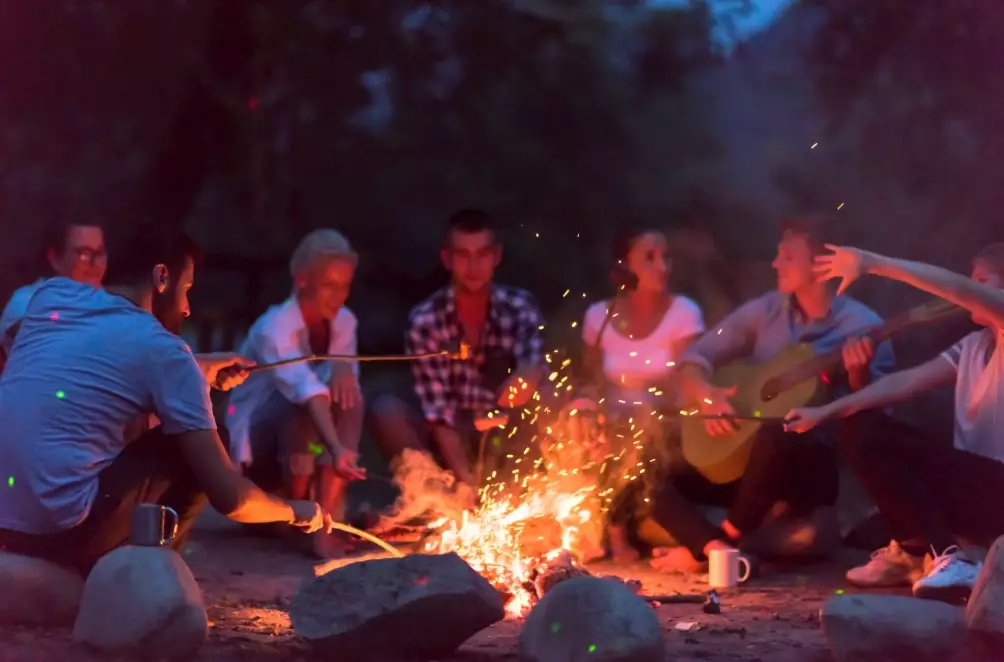
Your Camping Community Questions, Answered
 What's the biggest red flag to watch out for when joining a new camping group?
The path to a richer outdoor life isn't just about buying better gear or finding more remote trails. Often, it's about finding your people. A camping community turns a solitary hobby into a shared journey. It provides a safety net, a knowledge base, and a circle of friends who don't think you're weird for wanting to sleep on the ground. Start with one click. Join a local online group, read the posts, and then take the next small step. Your next great adventure—and the people you'll share it with—are waiting.