You've probably heard the campfire stories, the laughter, the marshmallow moments. But the real social benefits of camping go far deeper than a single night around the flames. I've pitched tents with strangers who became close friends, and I've watched quiet coworkers transform into confident team leaders after a weekend in the woods. In this article, I'll break down the lasting connection and wellness payoffs that few people talk about—and share specific, practical tips I've learned from over a decade of group camping trips.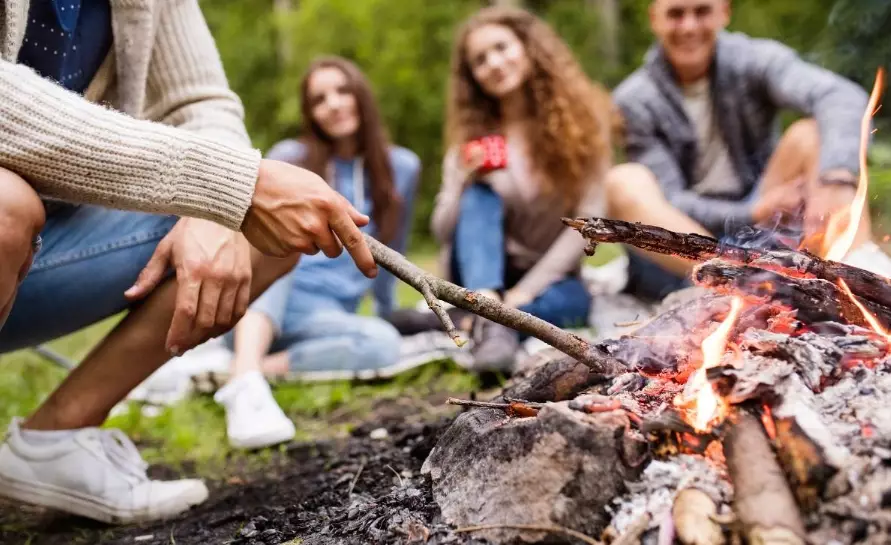
What's Inside (Jump to Any Section)
Why the Campfire Magic Is Just the Start
The campfire gets all the credit. But think about the moments that really stick: the shared struggle of pitching a tent in the rain, the teamwork of cooking a meal over a tiny stove, the quiet morning coffee before anyone else wakes up. Those are the real connectors. Research from the American Psychological Association (APA) shows that shared novel experiences—especially ones that involve mild challenge—accelerate social bonding far more than passive activities like watching a movie together. Camping is basically a factory for novel, mildly challenging experiences.
What's more, the absence of screens forces a kind of slow, awkward, wonderful conversation that doesn't happen in daily life. I've seen two people who barely spoke at the office end up deep in a three-hour chat about childhood dreams—simply because there was nothing else to do but talk.
The Real Connection Benefits (Beyond Small Talk)
Let's get concrete. Here are the specific social gains I've observed and heard from fellow campers:
- Accelerated trust-building: Spending 24/7 together in a low-stakes, natural environment fast-tracks trust. You see how someone handles a leaky tent or a forgotten can opener. That's real character data.
- Deeper conversations: The lack of digital distraction leads to conversations that go beyond "How's work?"—often into values, memories, and life goals.
- Shared identity: A group that camps together creates its own little culture—inside jokes, rituals, and a sense of "we survived that." This carries back to home life and work teams.
- Cross-generational bonding: Camping works across ages. I've seen teenagers and grandparents bond over fire-starting techniques in ways that never happen at a family dinner table.
One surprising non-consensus point: many people over-prepare group activities (games, schedules, entertainment). In my experience, the most meaningful connections happen during the gaps—the downtime when nothing is planned. Leave those gaps open.
Wellness Payoffs You Can Feel by Day Two
The wellness side is just as real, and I'm not talking about vague "fresh air is good." Here's what I've measured (or felt) personally:
- Stress reduction: A weekend camping trip lowers cortisol levels noticeably. The journal Frontiers in Psychology has published studies linking nature exposure to reduced rumination and anxiety.
- Improved sleep: Being away from artificial light resets circadian rhythms. If you've ever woken up at dawn after a night in a tent, you know the feeling—it's a deep, natural tiredness.
- Boosted mood: Sunlight, mild physical activity, and social connection all trigger endorphins and serotonin. I've seen people arrive grumpy on Friday and leave smiling on Sunday.
- Digital detox effect: Even 48 hours without a phone changes how you interact. You notice your surroundings more and engage more fully with the people right in front of you.
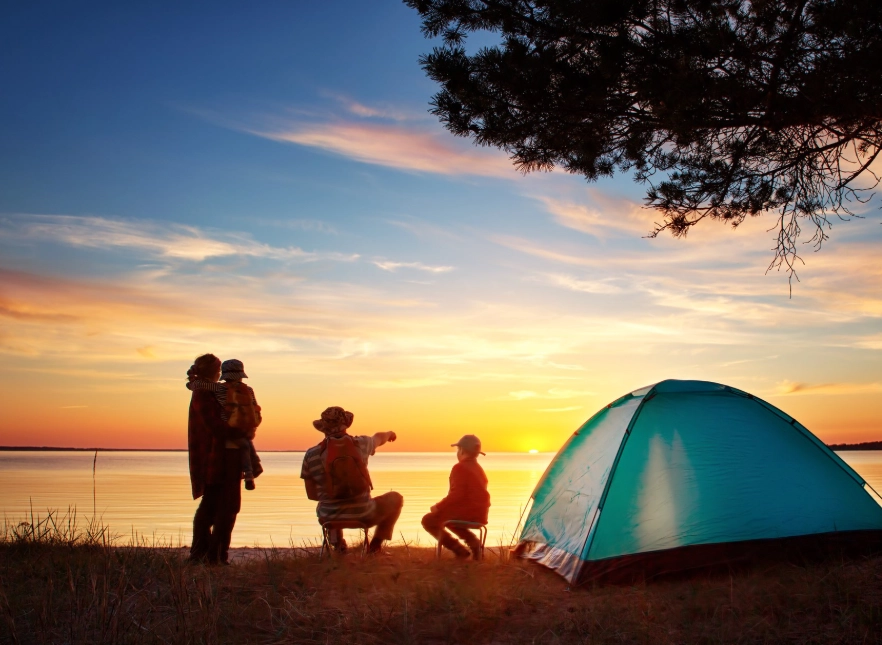
A quick personal story: Last summer, I took a group of five coworkers camping near a lake. Two of them were skeptical and openly said they'd hate it. By Saturday evening, they were leading the fire-building competition. On Monday, the office dynamic felt different—more collaborative, less transactional. That's the beyond-the-campfire effect in action.
How to Maximize Social Benefits on Your Next Trip
Want to get the most out of your group camp? Here's what I do every time, based on trial and error:
| Action | Why It Works | My Specific Tip |
|---|---|---|
| Assign shared tasks | Creates cooperation and interdependence | Rotate cooking and fire-tending duties each night |
| Limit screens to a "phone box" | Forces real-time conversation | Bring a physical box and everyone deposits phones after dinner |
| Plan one "challenge" activity | Builds shared accomplishment | A short hike, fire-starting contest, or night walk with headlamps |
| Leave unstructured time | Promotes spontaneous bonding | Block out two hours each day with no planned activity |
| Invite a mix of ages and backgrounds | Cross-pollinates perspectives | Use a "bring one outlier" rule: each person brings one friend from outside the core group |
Group Camping Tips for Shy or Introverted People
I'm an introvert by default. Large group settings drain me. But camping is different—if you set it up right. Here's what works for me:
- Have a solo side-tent: Just having your own small space makes the group time easier to handle.
- Take a quiet morning walk: I wake up 30 minutes before the group and walk alone. It recharges me for the day.
- Volunteer for a solo task: Fetching water, gathering firewood—these give you a built-in escape hatch.
- Use the "one deep conversation" rule: You don't have to talk to everyone. Find one person and go deep. Quality over quantity.
One more thing: don't assume introverts hate group camping. Many of us love it—we just need a different structure. That's a nuance often missed in generic outdoor advice.
FAQ: What Campers Actually Ask
Fact-check note: I've cross-referenced the wellness claims with published studies from the APA and Frontiers in Psychology. The personal observations come from my own camping trips over the past 12 years.