Quick Navigation
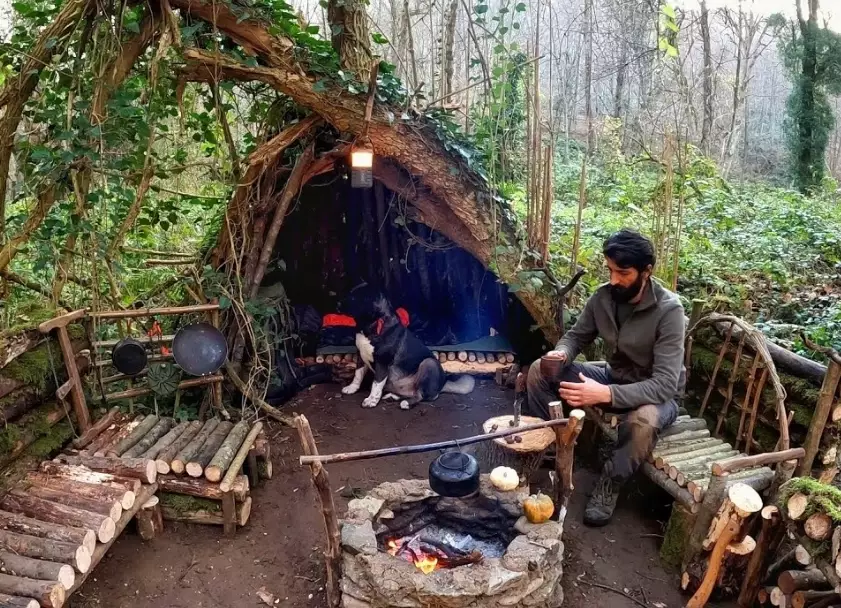
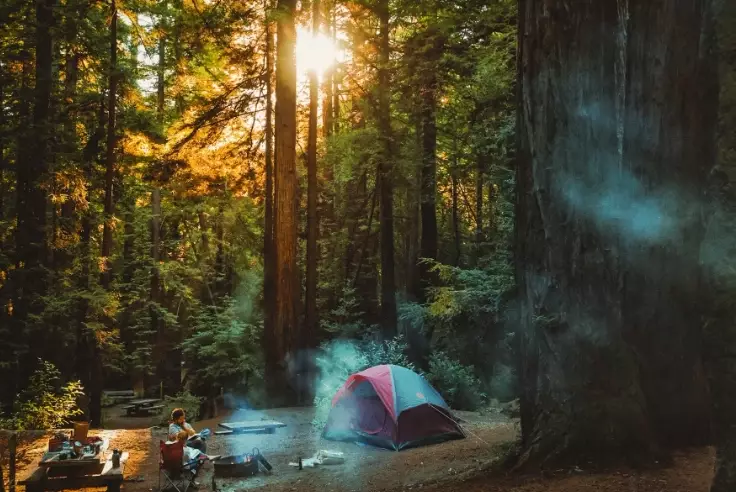
Let's be real for a second. Your social media feed is probably flooded with perfect pictures of glowing campfires, smiling faces in front of pristine tents, and breathtaking sunrise views. It looks like pure, unadulterated freedom. And sometimes, it absolutely is. But if you're thinking about trying camping for the first time, or if you've had a trip that left you cold, wet, and miserable, you're not alone. There's a whole other side to the story that doesn't make it onto the Instagram grid.
I love the outdoors. I really do. But I've also spent a night shivering in a sleeping bag that was supposedly rated for summer, only to discover "summer" in the mountains has a different definition. I've been devoured by mosquitoes with a personal vendetta. I've paid for gear that promised luxury and delivered a sore back.
So, why talk about the disadvantages of camping? It's not to scare you away. It's to prepare you. An informed camper is a happy camper. By understanding what can go wrong, you can plan better, pack smarter, and set realistic expectations. You might even decide that glamping or a cozy cabin is more your speed, and that's perfectly okay.
This isn't a rant from someone who hates nature. This is a practical, from-the-trenches guide to the real challenges you might face. We'll dig into everything from physical discomfort and financial costs to environmental impact and plain old bad luck. Consider it your pre-trip reality check.
Beyond the Filter: The Top Drawbacks of a Camping Trip
When people list the disadvantages of camping, they often start with the obvious stuff like bugs or rain. But the issues run deeper than that. They can affect your wallet, your health, your safety, and even your enjoyment of nature itself. Let's break them down.
Nature Isn't Always Your Friend: Weather and Physical Discomfort
This is the big one, the granddaddy of all camping cons. You are at the absolute mercy of the elements. No central heating, no air conditioning, just you and whatever the sky decides to throw at you.
I remember a trip to the Great Smoky Mountains where the forecast promised clear skies. By midnight, a storm rolled in that wasn't on any radar. The rain wasn't the gentle pitter-patter kind; it was a sideways, drum-on-the-tent-fly kind of rain that lasted for hours. Every gust of wind made the tent walls suck in and out. Sleep was impossible. You're just lying there, hoping your knots hold and the seam tape is as waterproof as the label claimed.
And it's not just rain. It's the cold that seeps up from the ground no matter how thick your sleeping pad is. It's the oppressive, sticky heat that makes your sleeping bag feel like a sauna. It's the wind that whips dust into your dinner. You can check the National Weather Service a hundred times, but microclimates, especially in mountainous or coastal areas, are notoriously unpredictable.
Then there's the sheer physicality of it. The ground is hard. Even the best sleeping pads can't fully replicate your mattress at home. You might wake up with a stiff neck or a sore hip. If you have any pre-existing back issues, this is a major consideration. The disadvantages of camping become painfully clear at 3 AM when you're searching for a sleeping position that doesn't ache.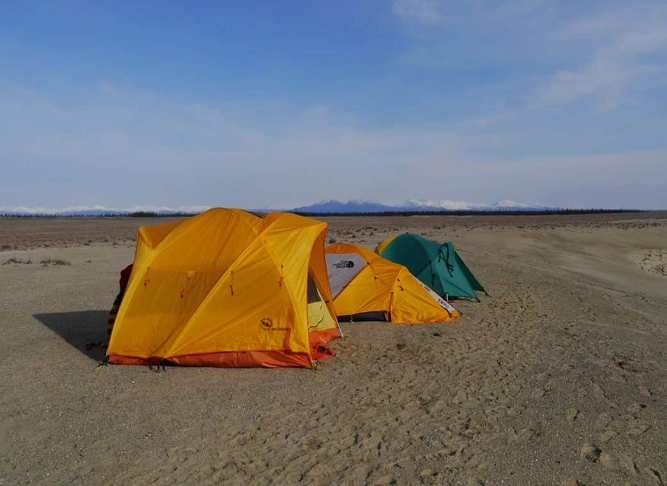
The Unseen Cost: It's Not as Cheap as You Think
"Camping is a cheap vacation." How many times have you heard that? It's a myth that needs to be busted. While it can be cheaper than a hotel stay, the startup costs are significant.
Think about what you need: a tent, sleeping bags, sleeping pads, a stove, cookware, a cooler, headlamps, a first-aid kit, proper clothing layers, hiking boots... the list goes on. Buying quality, durable gear that will keep you safe and comfortable is an investment. You can easily spend over a thousand dollars just to get a basic, reliable setup for two people.
And the costs don't stop after the initial purchase. There are campsite fees, which have been skyrocketing at popular national and state parks. There's the cost of gas to get to remote locations. There's food, firewood (which you often must buy locally to prevent spreading invasive insects), and park entrance fees. If you're backpacking, you need specialized, lightweight gear which is even more expensive.
Suddenly, that "cheap" weekend getaway has a real price tag. For many, this is one of the most practical and surprising disadvantages of camping.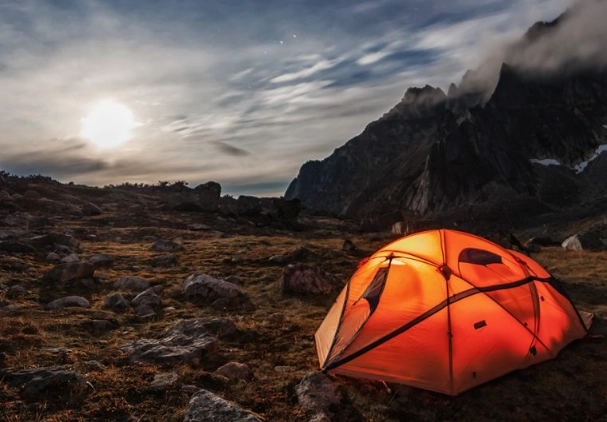
Safety and Health: More Than Just a Scrape
When you're miles from the nearest paved road, a small problem can become a big deal very quickly. This isn't meant to be fearmongering, just a sober assessment of risk.
- Wildlife Encounters: This isn't just about bears (though in many areas, that's a serious concern requiring bear canisters and extreme caution). It's about raccoons ransacking your food bag, skunks wandering through camp, or snakes sunning themselves on the trail. You are a visitor in their home. Understanding proper food storage and giving animals space is critical. The U.S. Forest Service has excellent, region-specific guidelines on food storage that are essential reading.
- Injuries: A twisted ankle on a rocky trail, a cut from a knife while preparing food, a burn from the campfire. In town, these are minor inconveniences. In the backcountry, they can be debilitating. A well-stocked first-aid kit and knowledge of basic wilderness first aid are non-negotiable.
- Illness: Waterborne pathogens like Giardia are a real threat if you don't treat water from streams or lakes properly. Ticks carrying Lyme disease are a concern in many wooded areas. The CDC's Lyme disease page is a key resource for prevention tips. Basic hygiene is also harder without running water, increasing the risk of spreading germs.
You have to be your own first responder. That responsibility weighs on some people, and rightly so.
The Inconvenience Factor: What You Give Up
Modern life is built on convenience. Camping strips most of that away. This is a pro for some, a major con for others.
No running water means no quick shower. You're either bathing in a cold lake, using solar shower bag that never quite gets hot, or going the "baby wipe bath" route. Using the toilet often means a walk to a vault toilet that, let's be honest, can range from tolerable to truly foul, especially later in the season. Or it might mean digging a cathole in the woods.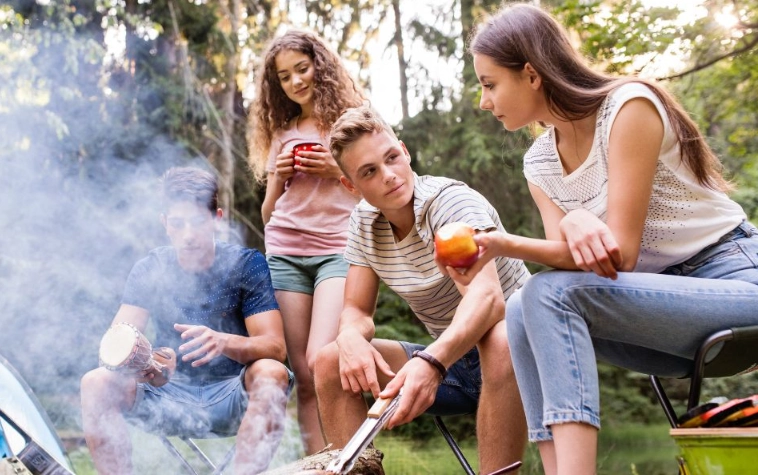
There's no refrigerator. Meal planning becomes a logistical puzzle of what won't spoil and how to keep your cooler cold. There's no quick dash to the store if you forget the mustard. There's no instant light switch—you're fumbling with headlamps and lanterns as soon as the sun sets.
For some, this digital and logistical detox is the whole point. For others, it's a frustrating series of small hurdles. It's a core part of the camping experience, for better or worse.
Digging Deeper: The Less Obvious Downsides
Okay, so weather is bad and gear is expensive. You might have already thought of those. But some disadvantages of camping are more subtle, affecting not just you, but the places you go to enjoy.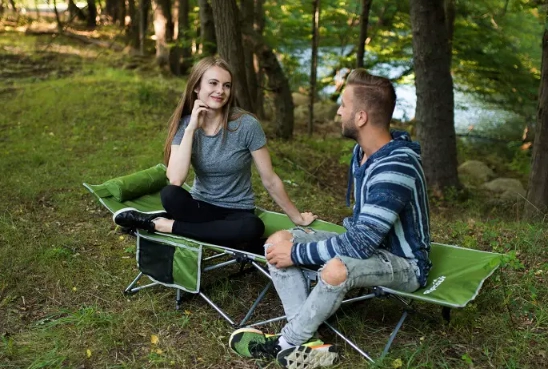
The Environmental Paradox
This one hurts to think about. We go to nature to appreciate it, but our very presence has an impact. It's the great paradox of outdoor recreation.
- Overcrowding and Impact: Popular sites get loved to death. Soil gets compacted, vegetation is trampled, and wildlife patterns are disturbed. Seeing a beautiful meadow dotted with brightly colored tents instead of wildflowers can be disheartening.
- Waste: Even with "Leave No Trace" principles, human waste is an issue in high-traffic areas. So is micro-trash—tiny bits of foil, plastic, and thread that get left behind accidentally.
- Carbon Footprint: Driving long distances to remote campgrounds burns fossil fuels. Much of our gear is made from synthetic materials derived from petroleum and is difficult to recycle at the end of its life.
Being an ethical camper means minimizing this impact: staying on designated sites, packing out all trash, using established fire rings, and choosing gear from companies committed to sustainability. But the impact is never zero. This is perhaps the most complex of the disadvantages of camping for the environmentally conscious.
It Can Be Surprisingly Socially Stressful
Movies show camping as a bonding experience. And it can be! But it can also strain relationships. You're in close quarters, often tired, possibly uncomfortable, and dealing with unforeseen problems.
Disagreements about how to set up the tent, whose job it is to filter water, or when to call it a night and go to bed can escalate quickly when you're both hungry and a bit cold. Different people have different risk tolerances and comfort levels. One person might want to hike 10 miles; the other might want to read by the lake.
Then there's the social environment of the campground itself. You might have neighbors who play music late into the night, have loud conversations, or let their kids run through your site. The dream of solitude can shatter against the reality of a crowded public campground on a holiday weekend.
The Knowledge Barrier and Analysis Paralysis
Getting started can feel overwhelming. The learning curve is steep. You need to understand:
| Skill Area | What You Need to Know (The Short List) | Why It's a Hurdle |
|---|---|---|
| Gear Selection | Tent ratings (3-season vs. 4-season), sleeping bag temperature ratings and fill, sleeping pad R-values, stove types, water filter microns. | Technical jargon is confusing. Wrong choices lead to discomfort or danger. |
| Site Selection & Setup | How to pick a level, durable site; how to orient a tent away from wind; how to properly stake and guy out a tent; how to hang a bear bag. | Poor setup leads to a miserable night or safety issues. It's not intuitive. |
| Leave No Trace | The 7 principles: plan ahead, travel on durable surfaces, dispose of waste properly, leave what you find, minimize campfire impact, respect wildlife, be considerate of others. | It's an ethical code that requires active thought and effort. It's easy to make mistakes with good intentions. |
| Food & Safety | Safe food storage, cooking hygiene, water purification methods, basic first aid, recognizing hazardous weather/terrain. | Mistakes here can lead to illness, injury, or attracting dangerous wildlife. |
You can't just wing it. You have to research, practice in your backyard, and be willing to make (and learn from) mistakes. This barrier stops a lot of people before they even start. They see the list of required knowledge and decide it's not worth the hassle.
Who Might Want to Think Twice?
Camping isn't for everyone, and that's perfectly fine. Recognizing it's not your thing can save you time, money, and a lot of frustration. You might be better off with a day hike followed by a hotel room, or renting a cabin.
If you have significant mobility issues, chronic pain, or certain medical conditions that require climate control or ready access to facilities, traditional tent camping may present serious challenges. If you have a deep-seated fear of insects, the dark, or being far from emergency services, the anxiety might outweigh any potential enjoyment.
If you are someone who truly values cleanliness, quiet, and predictable comfort, the disadvantages of camping will likely outweigh the benefits for you. And there's no shame in that. The goal is to enjoy your leisure time, not endure it.
So, Is Camping Worth It? Mitigating the Downsides
After all this doom and gloom, you might be wondering why anyone ever goes camping. Because when it's good, it's magical. The key is to go in with your eyes open and take steps to tilt the odds in your favor. You can't eliminate all the disadvantages of camping, but you can manage them.
- Start Small and Close to Home. Don't book a 7-day backpacking trip for your first outing. Try a single night at a well-maintained car campground within an hour's drive. If disaster strikes, you can pack up and be home quickly. It's a low-stakes way to learn.
- Invest in One Key Comfort Item. If your budget is tight, prioritize a great sleeping pad. A good night's sleep is the foundation of a good trip. Being well-rested makes every other challenge easier to handle.
- Borrow or Rent Gear First. Many outdoor shops and even some libraries have gear rental programs. It's a fantastic way to try different types of equipment before you buy, and to see if you even like camping without the big financial plunge.
- Embrace the Season and Location. Don't try camping in the deep woods during peak bug season if you hate mosquitoes. Try a desert camping trip in the fall instead. Research your destination thoroughly—not just the pretty photos, but the typical weather patterns, insect activity, and campground reviews.
- Practice at Home. Set up your new tent in your living room or backyard. Cook a meal on your camp stove. Test your water filter. Familiarity breeds confidence and helps you spot problems before you're in the woods.
The goal isn't to conquer nature, but to learn how to be a respectful, prepared, and resilient guest within it. The disadvantages of camping become manageable problems to solve, rather than trip-ruining catastrophes.
Your Questions, Honestly Answered
What is the worst part of camping?
It's subjective, but for most people, it's a combination of unpredictable bad weather and poor sleep. Being cold and wet is miserable. Being exhausted because you couldn't get comfortable on the hard ground makes everything else feel ten times harder. If you can crack the code on staying dry and getting rest, you've won half the battle.
Is camping actually unhealthy?
Generally, no—the fresh air, physical activity, and mental break are hugely beneficial. However, there are specific health risks you must manage: potential injuries, illness from untreated water or poor hygiene, exposure to extreme temperatures, and tick or mosquito-borne diseases. With proper preparation (first aid kit, water treatment, sunscreen, bug spray, appropriate clothing), these risks are minimized. For most, the health benefits far outweigh the risks.
How do I overcome the disadvantages of camping?
Preparation is everything. Research relentlessly. Make checklists. Test your gear. Choose your first trips for success (good weather, easy location). Start with short trips. And most importantly, adjust your mindset. Accept that there will be inconveniences and minor failures. See them as part of the adventure and the learning process, not as ruins of your vacation. Laugh at the spilled coffee, the forgotten spoon, the sudden rain shower. That shift in perspective is the most powerful tool you have.
Is car camping or backpacking better for avoiding downsides?
Car camping is the easier entry point. Your car is a giant safety net. You can bring more comfort items (thicker pads, cooler pillows, more food, a camp chair). You're usually closer to facilities and can leave easily if needed. The disadvantages of camping are less pronounced. Backpacking strips away those buffers, intensifying both the rewards and the challenges. It's a purer, harder, and often more rewarding experience, but it's less forgiving of poor planning or a low tolerance for discomfort.
Camping asks something of you. It asks for preparation, resilience, flexibility, and a willingness to engage with the world on its terms, not yours. The disadvantages of camping are real. They're the price of admission for an experience that can be profoundly connecting, rejuvenating, and memorable in a way that a standard vacation rarely is.
By knowing the full story—the Instagram highlights and the muddy, mosquito-bitten behind-the-scenes—you can make the choice that's right for you. You might decide to buy that tent and book a site. You might decide to opt for a cabin and day hikes. Either way, you're making an informed decision. And that's the best starting point for any adventure.