Your Camping Journey at a Glance
- First Things First: The "Why" Before the "How"
- The Plan: Your Roadmap to a Stress-Free Trip
- The Gear: What You Actually Need (And What You Don't)
- Setting Up Camp: Your Home Away From Home
- Food, Glorious (Simple) Food
- Campfire Basics & Safety
- Leaving No Trace: The Camper's Code
- Answering Your Nervous Questions (FAQ)
- You're Ready. Now Go.
Let's be honest. The idea of camping for beginners can feel equal parts exciting and terrifying. You picture peaceful mornings with a cup of coffee by a quiet lake. Then your brain jumps to images of wrestling with a tent in the rain, cold food, and mysterious noises in the dark. I get it. My first trip? I packed like I was moving house and forgot a can opener. We ate cold beans with a spoon we carved from a stick. Not my finest moment.
But here's the secret no one tells you: camping doesn't have to be a survival test. It can be simple, comfortable, and incredibly rewarding right from the start. This guide is the one I wish I had. We're going to skip the hardcore jargon and military precision. Instead, we'll talk about the real, practical steps to get you from your living room to a campsite without the panic.
Why listen to me? I've made most of the mistakes so you don't have to. I've also learned how to avoid them. This isn't about becoming an expert overnight. It's about getting you outside and enjoying it. That's the whole point of camping for beginners, isn't it?
First Things First: The "Why" Before the "How"
Before we dive into gear lists and site bookings, let's pause. Why do you want to go camping? Your answer shapes everything.
Are you looking for total digital detox, just you and the quiet? Or is this a fun, chaotic family weekend with s'mores and board games? Maybe it's a romantic getaway, or a cheap way to travel and see national parks. Your goal matters. A family with young kids needs a completely different setup than a solo hiker looking for solitude.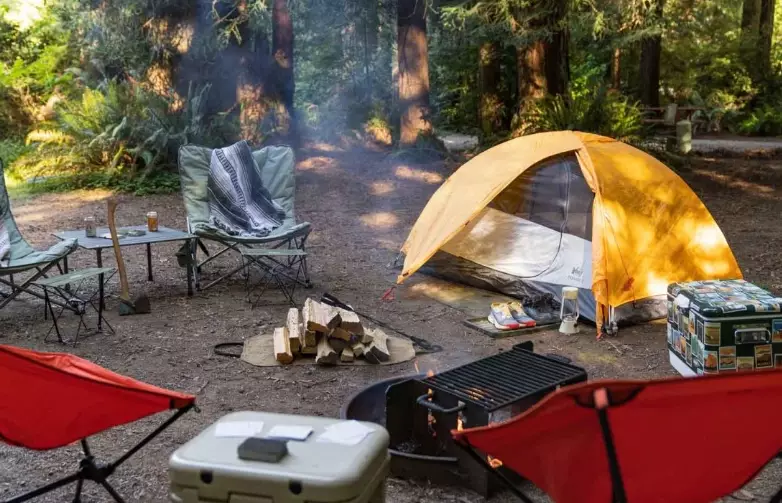
I made the mistake of copying my friend's ultra-light backpacking list for a car camping trip with my partner. We had no chairs, no real pillows, and a tent the size of a coffin. It was miserable. Lesson learned: match your gear to your trip's purpose.
Pro Tip: For your first time, I strongly recommend "car camping." This means you drive your car right up to your campsite. It lets you bring more comfort items (hello, real pillow and cooler) and makes the whole experience way less intimidating. Backpacking, where you carry everything on your back, is a fantastic goal, but it's not the best starting point for camping for beginners.
The Plan: Your Roadmap to a Stress-Free Trip
Spontaneous camping can be great... later. For your first trip, a little planning is the key to fun.
Choosing Your Campsite
This is where most beginners get stuck. There are so many options! Let's break them down.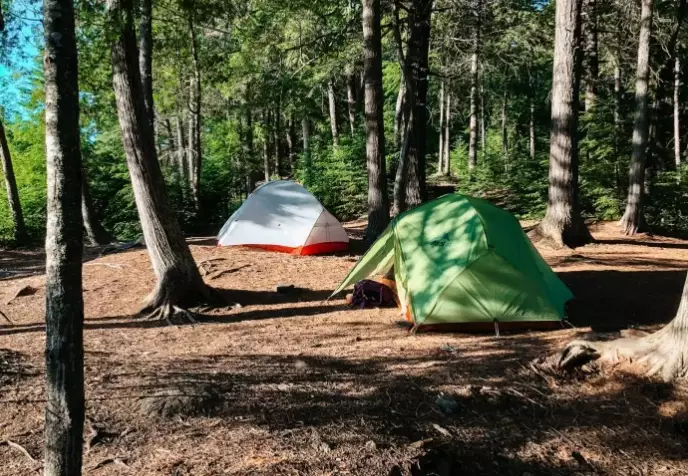
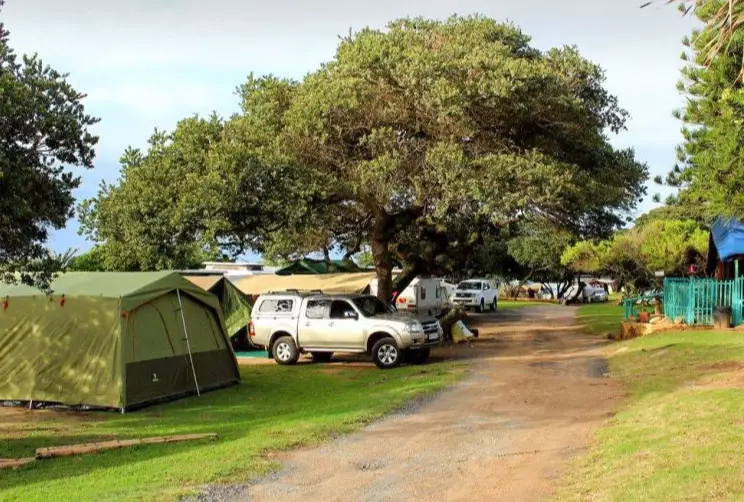
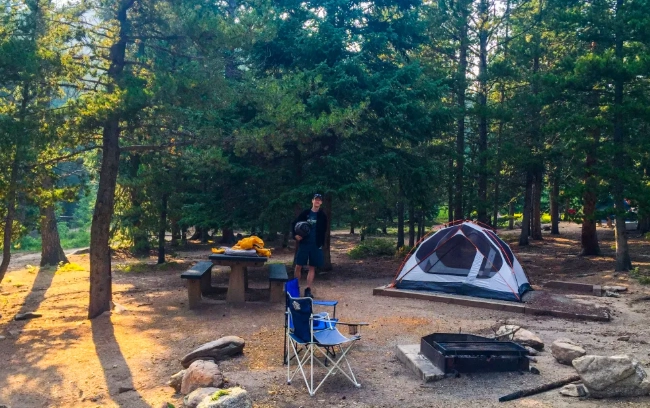
Public Campgrounds (State Parks, National Parks, National Forests): These are fantastic for beginners. They usually have defined sites, often with a picnic table and a fire ring. They have amenities like restrooms (sometimes with showers) and potable water. They're also staffed, which feels safer. The downside? They can be booked solid months in advance for popular parks. You need to plan ahead. Use Recreation.gov for federal lands and state park websites for state reservations.
Private Campgrounds (KOA, Jellystone, etc.): These are like the hotels of camping. They often have tons of amenities—pools, mini-golf, Wi-Fi, general stores. They're perfect if you want a blend of nature and convenience, especially with kids. They're also great for last-minute trips as they have more availability.
Dispersed Camping (usually on National Forest or BLM land): This is free camping outside of a developed campground. You find a pull-off and set up. It offers incredible solitude and beauty. I love it. But I do not recommend it for your first-ever camping trip. You need to be completely self-sufficient (no water, no toilets), know the land management rules, and be confident in your navigation and safety skills. It's a fantastic next step.
When you book, look at the site photos and details. Is it shaded? Is it near the bathrooms (convenient but maybe noisy)? Is it a walk-in site? For your first go, pick a site that's easy to access and not too isolated.
My Advice: For that crucial first trip, book a site at a state park or a private campground. The security of having facilities and neighbors (but not too close) does wonders for beginner camping anxiety. You can focus on enjoying the experience, not just surviving it.
Deciding When to Go
Weather is everything. A sunny 70-degree day is bliss. A rainy, 45-degree night can be misery if you're not prepared. Check historical weather for your chosen area. Generally, late spring through early fall is the most forgiving season for beginners. Avoid holiday weekends for your first trip if you can—campgrounds are packed and noisy.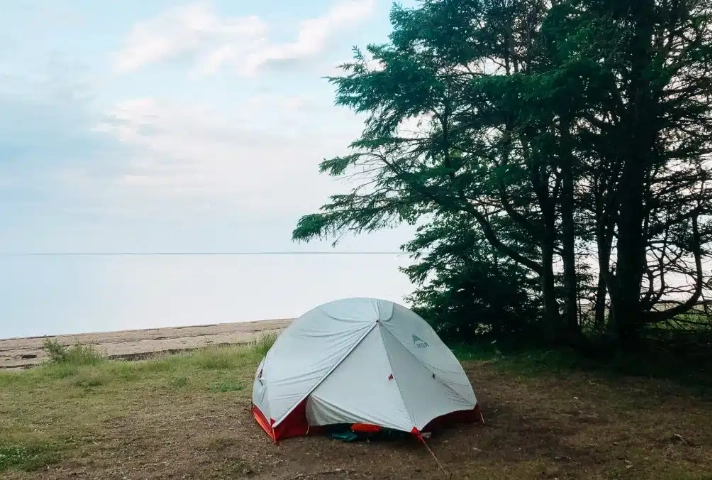
Start with just one or two nights. A single overnight is a perfect test run. You learn what you forgot, what you didn't need, and whether you actually like it, all without committing to a long, possibly uncomfortable weekend.
The Gear: What You Actually Need (And What You Don't)
This is the big one. The gear lists online are endless and can make you think you need to spend a fortune. You don't. Focus on the essentials first. You can borrow, rent, or buy budget-friendly versions of most of this.
Here’s a practical beginner camping checklist, broken down by priority.
| Category | Essential Items (The Must-Haves) | Nice-to-Haves (For Comfort) | My Personal Note |
|---|---|---|---|
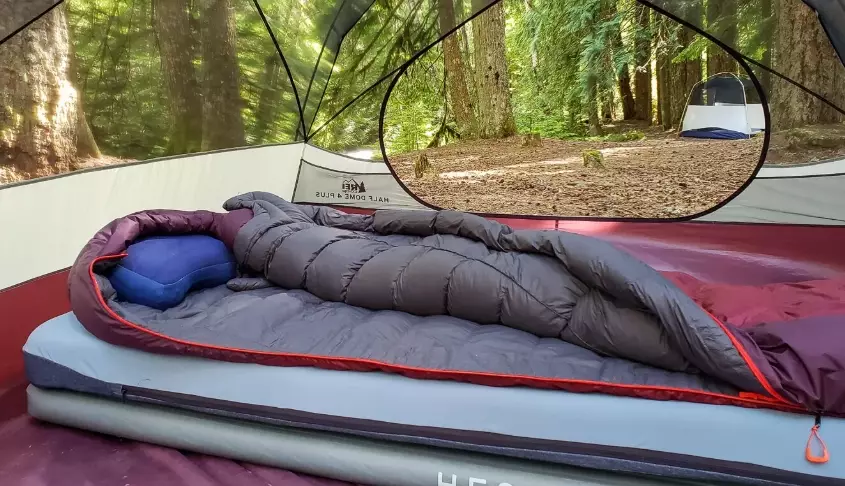
| Shelter & Sleep | Tent (check it has a rainfly!), sleeping bag, sleeping pad. | Camping pillow, small broom/dustpan for tent, footprint or tarp for under tent. | The sleeping pad is NON-NEGOTIABLE. It insulates you from the cold ground. An air mattress can get cold; a foam pad is cheap and reliable. |
| Cooking & Food | Stove & fuel, lighter/matches, pot/pan, spatula, plate/bowl, mug, utensils, biodegradable soap, sponge. | Cooler, camp table, kettle, coffee press, spices, washing basin. | Plan simple meals! Pasta, pre-made chili to heat, foil packet dinners. Don't try to be a gourmet chef on night one. |
| Clothing | NO COTTON. Use wool or synthetic layers. Rain jacket, warm jacket, extra socks, sturdy shoes, hat. | Camp shoes (like Crocs), beanie for sleeping, dedicated sleeping clothes. | Cotton kills (comfort). It gets wet and stays wet. A separate set of clean, dry clothes just for sleeping is a game-changer. |
| Lighting | Headlamp (hands-free!) and a lantern for the campsite. | String lights, extra batteries. | A headlamp is infinitely more useful than a flashlight. Trust me. |
| Misc. Essentials | First-aid kit, water bottles & jug, map (paper), multitool, trash bags. | Camp chairs, hammer/mallet for tent stakes, battery pack for phones. | You will forget a hammer. A rock works fine. But a small rubber mallet is nice. |
Let's talk about the tent for a second. Don't get the cheapest $30 tent from a big-box store if rain is even a possibility. They often leak. Look for a simple 3- or 4-person dome tent for two people. It gives you room for your gear. Practice setting it up in your backyard or living room first. There is no worse feeling than trying to decipher poles and flaps as the sun sets.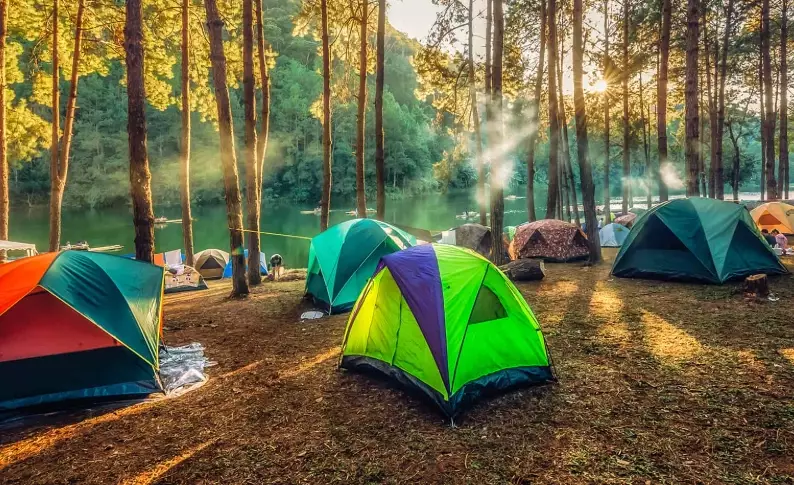
And the sleeping bag. Check its temperature rating. A "30-degree" bag is meant to keep you alive at 30°F, not necessarily cozy. For summer camping, a 40-50 degree bag is often enough. If you sleep cold, get a bag rated for lower temperatures than you expect.
Safety First: Always pack a basic first-aid kit (bandages, antiseptic wipes, pain relievers, blister pads) and know where the nearest hospital/urgent care is. Tell someone not on the trip your plans—where you're going and when you'll be back.
Setting Up Camp: Your Home Away From Home
You've arrived! Don't just start unloading the car. Take a walk around your site first.
Look for the best tent spot. You want high, flat ground free of rocks and roots. Avoid setting up at the bottom of a slope where water will pool if it rains. Look up for "widowmakers"—dead branches hanging in trees above.
Organize your site into zones. The tent/sleeping area. The kitchen/cooking area (downwind from the tent so smoke doesn't blow in). The social area with chairs around the fire ring. Keep your food and trash stored securely, either in a locked car or a designated bear locker if provided. This isn't just about bears; raccoons and squirrels are master thieves.
A place for everything makes everything feel easier.
Food, Glorious (Simple) Food
Camp cooking can be amazing. It can also be a disaster. Start simple.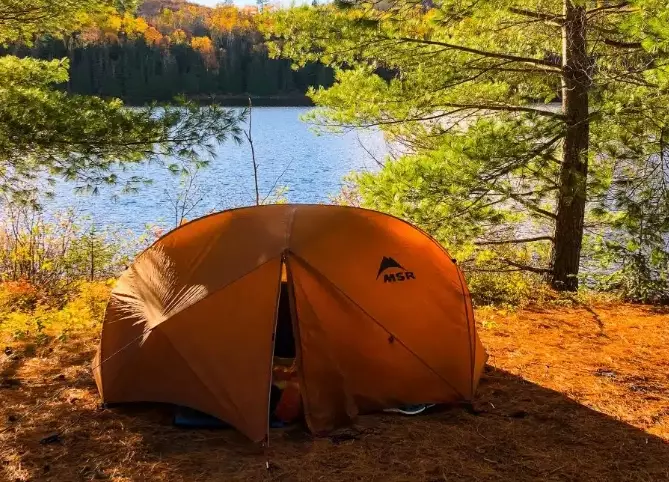
Breakfast: Oatmeal with dried fruit, or pre-scrambled eggs in a bottle cooked in a pan. Instant coffee is your friend.
Lunch: Sandwiches, wraps, or snacks like trail mix and fruit. No cooking required.
Dinner: This is your main event. Here are three foolproof options for beginners:
- One-Pot Pasta: Boil water, add pasta, a jar of sauce, and some pre-cooked sausage. Done.
- Foil Packets: Chop potatoes, carrots, and onions, add a chicken breast or burger, season, wrap tightly in foil, and toss on the campfire coals or a grill for 30-45 mins.
- Pre-Made Chili or Stew: Make it at home, freeze it in a container (it acts as extra ice in the cooler), then just heat and serve.
Cleanup tip: Heat some water after eating and wash dishes immediately. Letting food dry on plates is a nightmare. Use biodegradable soap and scatter the grey water far from any water sources.
Campfire Basics & Safety
A campfire is magical. It's also a major responsibility. Only build a fire in the provided metal ring or pit. Never leave it unattended. Keep it small and manageable.
How to build a simple fire: Start with tinder (dry leaves, pine needles, commercial fire starters). Add small kindling (tiny twigs) in a teepee shape. Light it. As it catches, gradually add larger pieces of firewood. You want to buy firewood locally or gather it on-site if allowed. Transporting firewood long distances can spread invasive insects. It's a big eco-no-no.
Have a bucket of water or a shovel ready next to the fire at all times. To put it out, drown it with water, stir the ashes with a stick, drown it again, and feel for heat with the back of your hand. If it's warm, it's not out. This is non-negotiable. For the latest and most critical guidelines, always check current conditions with the land manager, like the National Park Service's campfire safety page.
Leaving No Trace: The Camper's Code
This is so important it needs its own section. We camp to enjoy nature. It's our job to keep it pristine for the next person (and the wildlife). The principles of Leave No Trace are the golden rules.
- Plan Ahead and Prepare: You're doing that now!
- Travel and Camp on Durable Surfaces: Stick to trails and established campsites.
- Dispose of Waste Properly: "Pack it in, pack it out." All trash. If there's no toilet, dig a "cat hole" 6-8 inches deep at least 200 feet from water, trails, and camp.
- Leave What You Find: That pretty rock or wildflower stays there.
- Minimize Campfire Impacts: Use the fire ring, keep fires small, burn all wood to ash.
- Respect Wildlife: Observe from a distance. Never feed animals. It's bad for them and dangerous for you.
- Be Considerate of Other Visitors: Keep noise down, especially at night. Let the sounds of nature prevail.
Following these isn't just about rules. It's about respect. It's what makes sustainable camping possible for everyone.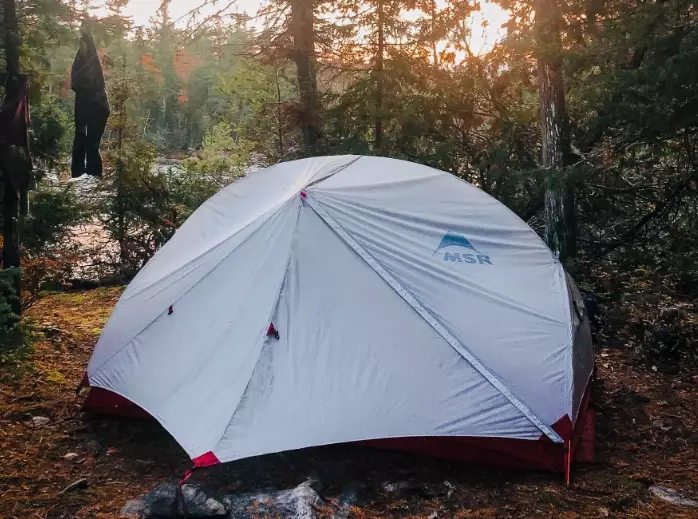
Answering Your Nervous Questions (FAQ)
Let's tackle the big worries head-on. These are the questions I had, and the ones I hear most from people new to camping for beginners.
If you choose a developed campground, you'll have a vault toilet (a fancy outhouse) or even flush toilets. They're basic but clean. Bring your own toilet paper just in case. For middle-of-the-night trips, many people keep a dedicated "pee bottle" (clearly labeled!) in the tent vestibule or use a headlamp for a quick trip to the facilities.
Camping in established areas is very safe. The biggest risks are trips and falls or burns from the campfire—not wildlife. Animals want to avoid you. Store your food properly, and they'll have no reason to bother you. Noise from other campers usually keeps larger animals away anyway. Your fear of bears is about 1000x greater than the actual risk in most areas.
It might! A good rainfly on your tent is key. Bring a tarp and some rope to string up a dry area over your picnic table or kitchen zone. Have a book, cards, or a downloaded podcast ready. Rain on a tent roof is actually a wonderful sound. Embrace it as part of the adventure. Just make sure your rain jacket is handy.
It can be very cheap. Campsite fees range from $20-$50 per night. If you borrow a tent and sleeping bag, your main costs are food and gas. Even if you buy budget gear, the initial investment pays for itself over just a few trips compared to hotel costs. Don't feel pressured to buy the best of everything at the start.
You're Ready. Now Go.
The hardest part of camping for beginners is just getting out the door. You will forget something. Something might go slightly wrong. That's okay. It's all part of the story you'll tell later.
The goal isn't perfection. The goal is to wake up somewhere green, breathe air that doesn't smell like exhaust, and watch the sun come up while you sip that coffee. It's about the feeling of accomplishment when you cook a meal over a fire you built. It's about the deep, quiet sleep you get after a day outside.
Start simple. Be prepared, but be flexible. Focus on the experience, not the Instagram photo. Respect the place you're visiting.
The woods are waiting. They're not judging your gear or your skills. They're just there.
Now, go check the weather, book a site for next month, and start making your list. Your first adventure is closer than you think.