Let's be honest. For years, my camping meals were an afterthought. A bag of trail mix, some hot dogs, maybe a can of beans. It was functional, sure, but it made evenings at the campsite feel like a chore, not a celebration. Then I spent a week with a friend who's a backcountry guide. Watching him whip up a fragrant jambalaya over a single burner while I choked down another dry energy bar was a revelation. Good food isn't just fuel out there—it's morale. It turns a trip from "surviving" to "thriving."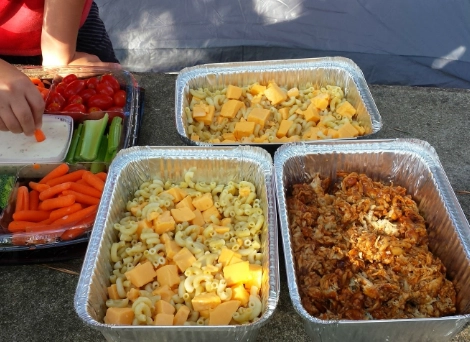
The secret isn't gourmet skill; it's smart planning. Whether you're car camping with a full kitchen setup or backpacking with just a stove, the right approach transforms mealtime.
What’s Inside This Guide
The Mindset Shift: Planning vs. Packing
Most people pack food. You need to plan meals. It sounds semantic, but it changes everything. Packing is grabbing random snacks. Planning is asking: "What will we actually want to eat after setting up the tent in the rain?"
Start with a simple grid. Write down the days and meals. Then, apply these filters:
- Effort Level: Match the meal complexity to your anticipated energy. A complex dinner is great for a lazy lakeside afternoon, not after a 10-mile hike.
- Water Access: No water at the site? Cross off anything requiring pasta water or extensive cleaning.
- Cooler Reality: Be brutally honest about your ice discipline. If you're the type to leave the cooler open, plan a "Use First" day for perishables and switch to shelf-stable.
My biggest early mistake was overpacking. I'd bring ingredients for five different meals "just in case." It created waste, weight, and decision fatigue. Now, I plan one-pot dinners and repetitive, easy breakfasts. Simplicity wins.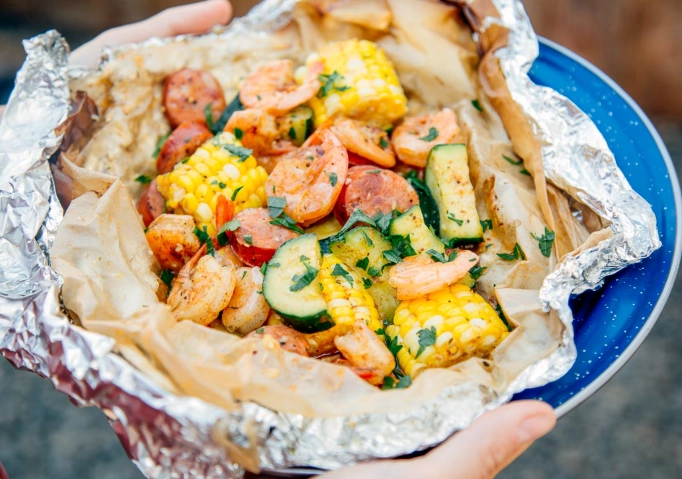
Camping Food Ideas, Meal by Meal
Forget generic lists. Here’s what works in the real world, separated by camping style.
Breakfast: The Energy Foundation
You need fast, hearty calories. No one wants to fiddle with measuring cups at 7 AM.
Car Camping Champion: Pre-mixed pancake batter in a squeeze bottle. Just squeeze onto the griddle. Add pre-chopped walnuts or blueberries from your cooler. Pair with pre-cooked bacon (heat it in a pan for 60 seconds) and you've got a feast with one pan to clean.
Backpacking/Basic Stove Go-To: Instant oatmeal is fine, but level it up. Get plain oats and create your own mix in a ziplock: oats, powdered milk, a scoop of protein powder, chia seeds, brown sugar, and cinnamon. Just add hot water. It's more filling and tastes better than the flavored packets.
Another winner? Breakfast burritos, pre-made and frozen at home. Wrap in foil, reheat in a pan or on the grill. They thaw in the cooler and are a complete meal in hand.
Lunch: The No-Fuss Refuel
Lunch is often on the move. Make it assembly, not cooking.
The Ultimate No-Cook Spread: Tortillas, individual packets of chicken or tuna salad, shelf-stable cheese (like Babybel or Laughing Cow), and a bag of spinach or slaw mix. Everyone builds their own wrap. Add mustard or mayo from squeeze bottles.
If you have a fire going, the classic grilled cheese or quesadilla is unbeatable. Use a pie iron for a mess-free, perfectly crispy result.
Dinner: The Campfire Reward
This is where you get creative. The one-pot rule is your best friend.
| Meal Idea | Key Ingredients | Prep Level | Best For |
|---|---|---|---|
| Foil Packet Feast | Protein (salmon, shrimp, chicken), chopped veggies (potatoes, bell peppers, onions), oil, seasoning. | Low (pre-chop at home) | Grill over fire or coals. Minimal cleanup. |
| One-Pot Jambalaya | Andouille sausage (pre-cooked), instant rice, canned diced tomatoes, broth concentrate, Cajun seasoning, frozen shrimp (add last). | Medium | Car camping with a 2-burner stove. Huge flavor payoff. |
| Backpacker's Ramen Upgrade | Pack of ramen, packet of chicken, dehydrated veggies, Sriracha, peanut butter (for a satay twist). | Very Low | Ultralight trips. Boil water, combine, wait 5 mins. |
| Campfire Chili | Canned beans, canned tomatoes, pre-cooked ground beef (frozen), chili seasoning packet. | Low | Make ahead, freeze, reheat. Feeds a crowd easily. |
Don't underestimate the power of a good pre-made, frozen meal. A frozen block of your famous bolognese acts as an ice pack for two days and provides a spectacular dinner on night two with just some boiled pasta.
The Non-Negotiables: Gear & Pantry Staples
You can have great ideas, but without the right tools and base ingredients, you'll struggle.
Gear Shortlist: A sturdy spatula/tongs, a sharp knife (with a guard!), a medium-sized pot with a lid, a cast iron skillet or non-stick pan, a collapsible sink or wash basin, and a small plastic cutting board. Biodegradable soap and a scrubby. A headlamp for cooking after dark. Seriously.
The Camp Pantry (The "Oh-Crap" Kit): Keep a plastic bin stocked between trips. When you're packing, you just grab it. Mine contains:
- Oil & Vinegar: Small bottles of olive oil and a vinegar (for dressings, deglazing).
- Salt, Pepper, Spice Trinity: Garlic powder, onion powder, smoked paprika. They fix almost any bland dish.
- Condiment Packets: Ketchup, mustard, mayo, soy sauce, hot sauce. Collected from takeout.
- Staples: Instant coffee, tea bags, sugar, powdered milk or creamer.
- Backup Carbs: A pouch of instant rice, a few packs of ramen, tortillas.
This kit has saved dozens of meals when I've underestimated hunger or forgotten a key ingredient.
Food Safety & Animal-Proof Storage
This isn't just about bears. Raccoons are clever, and mice are relentless.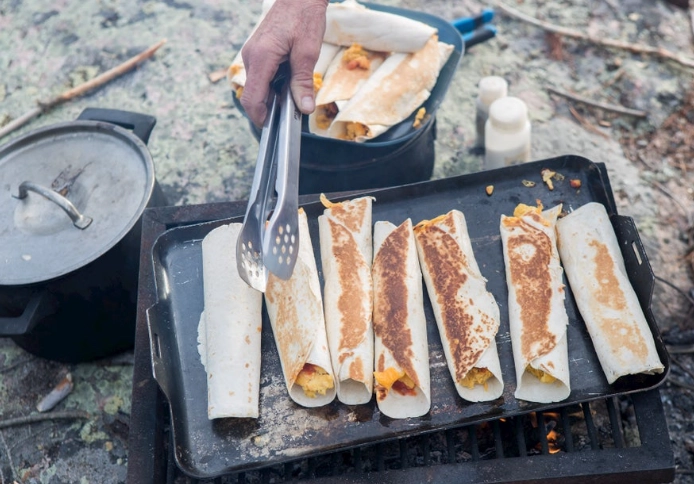
For car camping, a hard-sided cooler (like a Yeti or RTIC) is worth the investment. It keeps ice for days. Use block ice, it melts slower. Pre-chill everything. Organize with daily meal bags so you're not rummaging.
At night, all food and coolers go locked in your vehicle (trunk, out of sight), if park regulations allow. In many bear-popular areas like Yosemite or the Rockies, this is not allowed—you must use provided food lockers.
For backpacking, a bear-resistant food canister is non-negotiable in most wilderness areas. Practice opening it before you go. They can be fiddly. In areas without bears, a simple "rat hang" using a stuff sack and cord is the minimum. Hang it properly, far from the trunk and at least 12 feet high.
Clean up immediately after eating. Even tiny crumbs attract animals. For dishwater, strain food particles into your trash bag, then scatter the grey water at least 200 feet from camp and any water source. Follow Leave No Trace principles.
Your Camp Cooking Questions Answered
The goal isn't to replicate your home kitchen. It's to eat well with what you have, where you are. Start with one solid, planned dinner. Master it. You'll find that a satisfying meal under the stars, cooked with a bit of intention, becomes as much a part of the memory as the view. It turns feeding yourself from a task into a ritual, and that's what good camping is all about.