Let's be honest. The tent is the heart of your car camping trip. Get it right, and you've got a cozy home base for making s'mores and stargazing. Get it wrong, and you're in for a long, damp, cramped night that makes you question your life choices. I've seen both sides. I've also spent a decade and countless weekends figuring out what actually matters when you're not hiking your shelter in on your back. This isn't about surviving; it's about thriving. Car camping lets you bring the comfort, and your tent is the foundation of that comfort.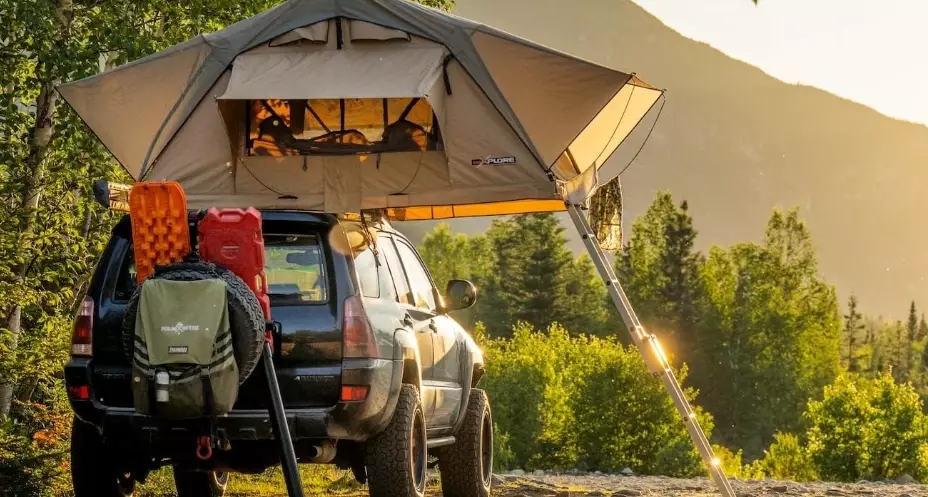
Your Quick Navigation Guide
How to Choose the Right Car Camping Tent
Forget the marketing fluff. Choosing a car camping tent boils down to answering three questions honestly.
Who's sleeping in it? The "person" rating is a fantasy. If a tent says "4-person," think of it as a cozy 2-person tent with gear. For a family of four, you're looking at a 6 or 8-person tent, minimum. You need space for air mattresses, bags, and that inevitable corner of dog or kid stuff. My rule? Add two to the number of people for actual comfort.
Where and when are you going? A summer weekend at a forest service campground is different from a spring trip near the coast. Most car campers need a 3-season tent. They handle rain and wind well but aren't for snow loading. If you camp in shoulder seasons (spring/fall) or known windy spots, look for robust poles (like aluminum over fiberglass) and a rainfly that goes close to the ground.
What's your patience level for setup? Be real with yourself. After a long drive, do you want to wrestle with 15 poles and a confusing manual? Instant or quick-pitch tents are worth every penny for families or first-timers. Traditional dome tents take 10-20 minutes. Cabin tents offer huge space but are more complex.
Pro Tip: The Forgotten Dimension
Everyone looks at floor area. The real game-changer is peak height. Can you stand up comfortably to change clothes? A center height of 6 feet or more transforms the experience from crawling to living. Also, check the vestibule area—that covered space outside the door. A large vestibule is a mudroom, a gear shed, and a rainy-day cooking nook all in one.
Car Camping Tent Types Compared
Here’s a breakdown of the main contenders. I’ve used them all, and each has its personality.
| Tent Type | Best For | Setup Ease | Key Advantage | Watch Out For |
|---|---|---|---|---|
| Dome Tent | Most campers, all-around use | Easy to Moderate | Stable in wind, good weight-to-space ratio | Can feel cramped at the walls |
| Cabin Tent | Families, basecamps, long stays | Moderate to Complex | Vertical walls = massive livable space | Can be bulky, less stable in high winds |
| Instant/Quick-Pitch | First-timers, families with kids, fast stops | Very Easy (2-5 min) | Unbeatable convenience, reduces pre-trip stress | Often heavier, may sacrifice some durability |
| Popup Tent | Festivals, beach trips, ultra-simple setups | Easiest (literally pops up) | Unmatched speed, fun to use | Not for bad weather, tricky to repack |
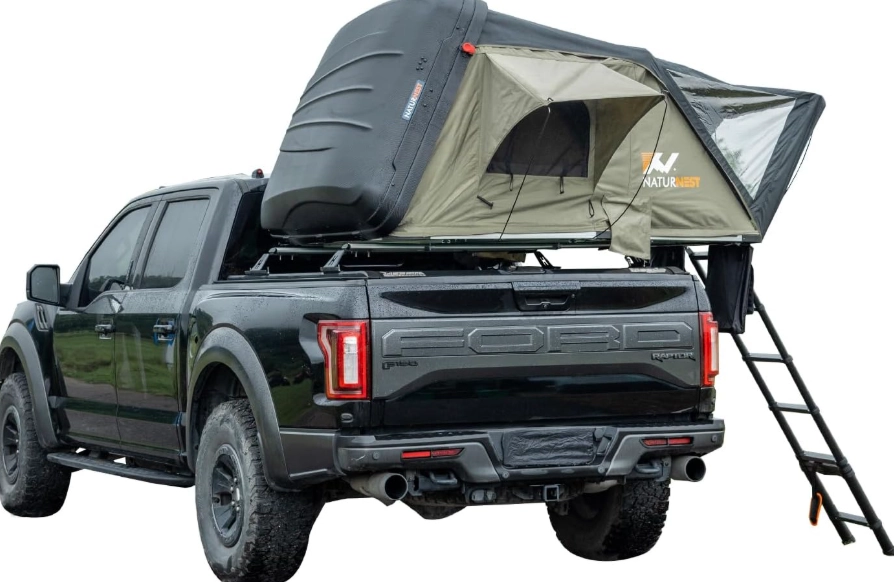
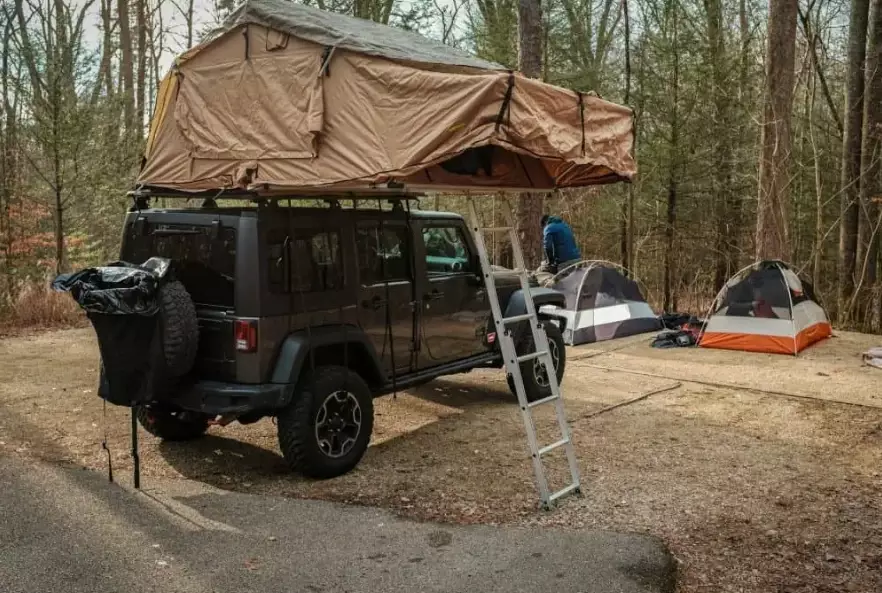
| SUV/Truck Tent | Adventurers, rocky/uneven ground, wildlife areas | Moderate | Elevated sleeping, uses vehicle space | You can't drive away, specific to vehicle |
The dome tent is the reliable sedan. The cabin tent is the minivan. The instant tent is the ride-share that shows up exactly when you need it.
Let me get specific about one type: the SUV tent. It attaches to your open tailgate or hatch, creating an extended living room. I used one on a trip through bear country in Montana. The peace of mind being off the ground was priceless. The downside? If you need milk, your entire home has to pack up. It's a trade-off.
Features You Shouldn't Compromise On
Some features are nice-to-haves. These are non-negotiables for a good car camping experience.
Full-Coverage Rainfly
A "full" rainfly covers the entire tent body, not just the top. It should have a generous overhang above doors and windows and extend toward the ground. Mesh is great for stars, but when the sideways rain hits at 3 AM, you'll bless that full coverage. A cheap tent with a "roof-only" fly will leave you with wet walls and a miserable morning.
Quality Zippers
This is the part that fails first. Look for large, rubber-coated zipper pulls you can operate with cold hands. The zippers themselves should feel substantial, not flimsy. I've had a cheap zipper fail on a tent door, turning it into a giant mosquito net. A repair is possible, but prevention is better.
Ventilation, Ventilation, Ventilation
Condensation is the silent comfort killer. You breathe, you exhale moisture. Without airflow, it collects on the inside of your tent. Look for multiple mesh panels, especially high up near the ceiling, and vents on the rainfly that create a chimney effect. A tent with all fabric walls and tiny windows will feel like a sauna.
One subtle mistake? Staking out all the guylines on a perfectly still night and closing every vent. You need airflow even if it's not raining.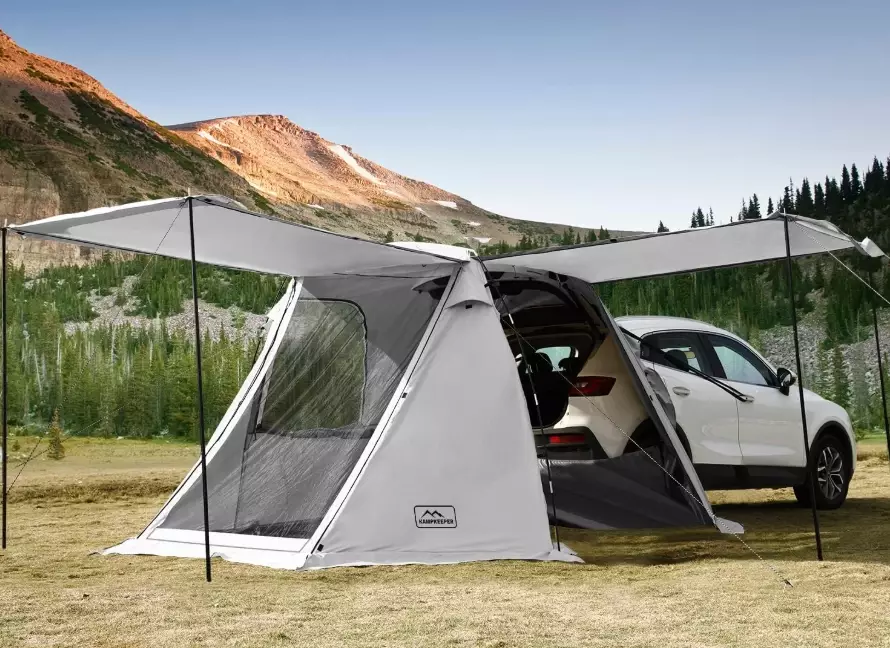
Step-by-Step Guide to Pitching Your Tent (The First Time and Every Time)
Don't learn this at the campsite at dusk. Here's the drill.
1. Practice at Home. Seriously. Pitch it in your backyard or living room. This familiarizes you with the parts, finds any defects, and saves you from a flashlight-in-mouth struggle later.
2. Site Selection is Everything. Look for high, flat ground. Avoid natural depressions where water will pool. Clear the area of sharp sticks and rocks. A slight slope for drainage is good, but you don't want to roll into your tent-mate all night.
3. Use a Footprint. This is a custom-sized ground cloth that goes under your tent. It protects the tent floor from abrasion and adds a layer of waterproofing. Don't use a generic tarp that's larger than your tent floor—it will catch rainwater and channel it underneath you.
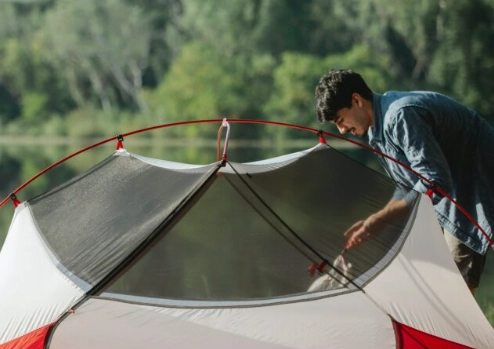
4. Assemble Methodically. Lay out the footprint. Lay the tent body on top. Assemble poles on a soft surface (grass, not asphalt) to avoid scratching. Feed poles through sleeves or attach clips. Start at the ends and work to the middle.
5. Stake Before You Raise. On a windy day, stake the tent corners as you go. Once the structure is up, stake it out firmly. Then put the rainfly on, ensuring it's centered and taut.
6. The Final Touch: Guy Lines. Those extra cords aren't optional. In wind, they stabilize the structure. Tighten them so the fly is smooth, not flapping. A flapping fly is noisy and can wear out.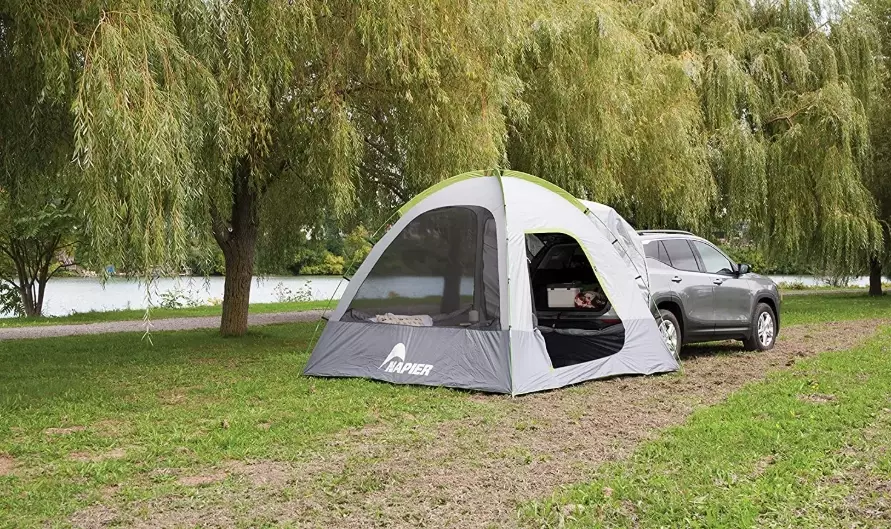
Common Mistakes and How to Avoid Them
I've made these. You don't have to.
Packing it Wet. This is the #1 killer of tents. Mildew destroys fabric coatings. If you must pack up damp, air it out completely as soon as you get home. Hang it in a garage or over a shower rod.
Forgetting the Mallet. Trying to stake a tent with a rock or your shoe is frustrating and damages stakes. A cheap rubber mallet is camping gold.
Ignoring the Weather Forecast. Check it. If high winds are predicted, orient the smallest, strongest side of your tent into the wind. Know when to add or remove the rainfly for temperature control.
Cooking in the Tent. Just don't. The risk of fire, carbon monoxide, and attracting animals with food smells is too high. Use the vestibule or a separate canopy.
Keeping Your Tent Happy: Setup to Storage
Your tent isn't disposable. Proper care adds years to its life.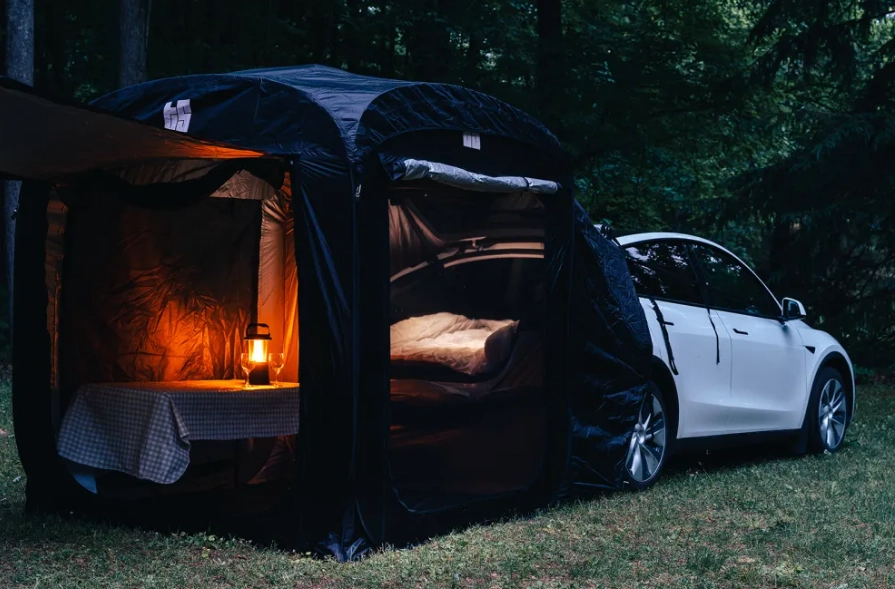
After each trip, shake out all dirt and debris. Wipe down any mud with a damp cloth. Let it dry completely—this is non-negotiable. Store it loosely in a large, breathable bag (like an old pillowcase) or the storage sack it came in, but don't keep it tightly compressed in its stuff sack long-term. This stresses the fabric and coatings.
Every few years, consider reapplying a waterproofing treatment (like Nikwax Tent & Gear SolarProof) to the rainfly, focusing on seams and high-wear areas. Check seam tape for peeling and re-seal if necessary.
Your Burning Tent Questions, Answered
 How important is a vestibule, and how big should it be?
 What's one piece of tent gear most people overlook?