Let's be honest, summer camping gets all the glory. But after a decade of sleeping under the stars in every season, I'm convinced that fall camping is the secret champion. The crowds thin out, the bugs vanish, and the landscape puts on a fiery show. But it's not just about swapping shorts for flannel. A successful autumn trip requires a different playbook. If you've ever shivered through a damp night in October or arrived at a dream spot only to find it closed, you know what I mean. This guide cuts through the basic advice and dives into the nitty-gritty of planning, packing, and thriving on a fall camping adventure.
What's Inside This Fall Camping Guide
Why Go Camping in Fall? The Real Benefits
Beyond the obvious beauty, autumn camping offers practical perks that seasoned campers seek out.
Solitude is guaranteed. Popular summer spots become peaceful retreats. Last October, I had an entire loop in a normally packed Great Smoky Mountains campground mostly to myself. The silence, broken only by rustling leaves, is priceless.
The insect apocalypse is over. No more buzzing mosquitoes or aggressive yellow jackets during dinner. This alone transforms the evening experience.
Cooler temperatures are ideal for hiking. You can tackle longer trails without the exhausting summer heat. The crisp air is energizing.
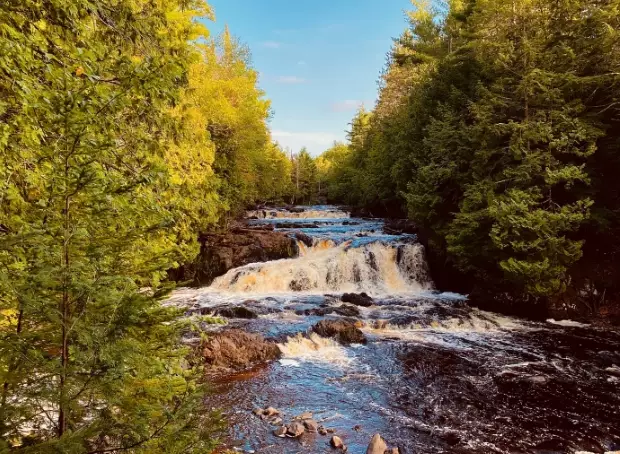
But here's the non-consensus part everyone misses: the light. The sun sits lower in the sky, casting long, golden shadows and a warm glow that makes everything—especially those leaf peeping vistas—look absolutely magical, particularly during the 'golden hour' before sunset. It's a photographer's dream.
Essential Fall Camping Gear Checklist
Your summer kit won't cut it. Temperature swings are the main antagonist in fall camping. Days can be mild, but nights can plunge below freezing. The key is layering and insulation.
Sleep System: Your #1 Priority
- Sleeping Bag: Aim for a bag rated at least 10-15°F lower than the coldest expected temperature. A 20°F bag is a good all-around choice for most fall camping.
- Sleeping Pad: This is critical. The ground is a massive heat sink. Use an insulated, inflatable pad with a high R-value (4 or above). Don't rely on a simple foam pad.
- Liner: A fleece or thermal liner adds up to 15°F of warmth and keeps your bag cleaner.
Clothing: The Layering Strategy
Forget cotton—it retains moisture and kills warmth. Stick to synthetics and wool.
- Base Layer: Moisture-wicking top and bottoms (merino wool or polyester).
- Mid Layer: Insulating fleece or puffy jacket.
- Outer Layer: Waterproof and windproof shell jacket and pants.
- Extras: Warm hat (you lose most heat through your head), gloves, thermal socks, and camp shoes or insulated boots.
Camp Comfort & Safety
- Reliable Lighting: Headlamp with extra batteries. Days are shorter.
- Stove Fuel: Cold temperatures can affect canister stove performance. Consider a white gas stove for very cold trips or keep canisters warm in your jacket.
- Water Storage: Insulate your water bottles or use an insulated reservoir to prevent freezing overnight.
- Four-Season Tent? Not always necessary, but a sturdy three-season tent that handles wind and condensation well is a must.
Top Fall Camping Destinations in the U.S.
Peak foliage varies by region and elevation. Here are three distinct types of best fall camping destinations to consider, based on personal experience.
| Region | Prime Time | Campground Example & Vibe | Key Consideration |
|---|---|---|---|
| New England Classic (Vermont, New Hampshire) |
Late Sept - Mid Oct | Green Mountain National Forest, VT. Dispersed camping & first-come-first-serve sites like Hapgood Pond. Immersive, fiery maple forests. Check the US Forest Service for alerts. | Extremely popular. Book reservable sites a year in advance or aim for mid-week. Dispersed camping requires self-sufficiency. |
| Appalachian Majesty (Blue Ridge Mountains) |
Mid Oct - Early Nov | Linville Gorge, NC. Primitive, rugged camping with stunning gorge views. Or Doughton Park Campground on the Blue Ridge Parkway for easier access. The Blue Ridge Parkway authority provides excellent fall color updates. | Weather can change rapidly on ridges. Be prepared for wind, fog, and colder temps at high elevation. |
| Western & Desert Contrast (Utah, Colorado Plateau) |
Oct - Nov | Dead Horse Point State Park, UT. Mesmerizing canyon views with cottonwoods turning gold. Reservations essential. Or Great Basin National Park, NV for high-alpine aspen groves. | Desert nights get very cold. Daytime sun is still strong. Perfect hiking weather if you layer correctly. |
I made the mistake of heading to the White Mountains in New Hampshire on a Columbus Day weekend without a reservation once. Never again. The lesson? For iconic leaf peeping areas, plan like you're planning for a concert ticket.
How to Plan Your Fall Camping Itinerary?
Think of it as planning for two different climates in one day.
Before You Go: The Research Phase
Check campground status religiously. Many high-elevation or northern campgrounds close after Labor Day or by mid-October. Water may be shut off. Always check the official park or forest service website—don't trust third-party sites that might have outdated info.
Track foliage reports. State tourism websites usually have peak color trackers. For a more local view, search for Facebook groups related to the specific park or national forest; rangers and locals often post real-time updates.
Have a backup plan. Weather can be fickle. If your planned mountain site is forecast for 30°F and rain, have a lower-elevation, more sheltered alternative in mind.
A Sample Weekend Itinerary (Blue Ridge Mountains)
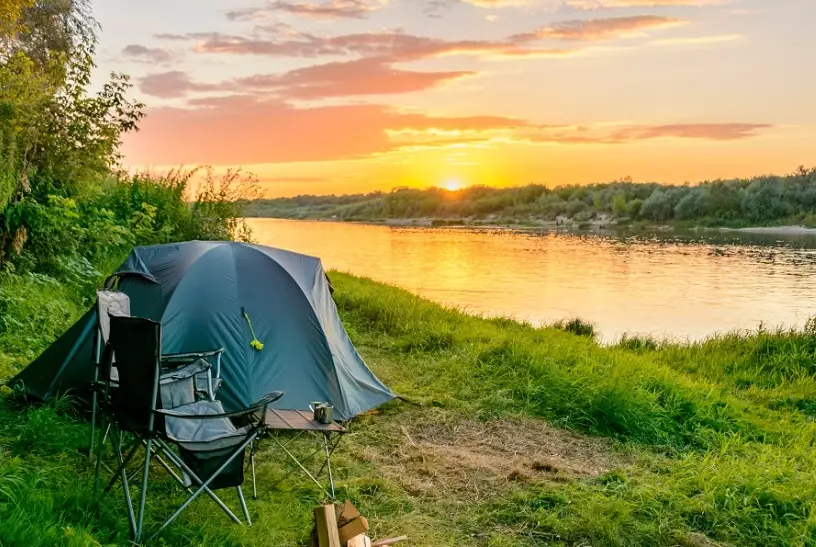
Friday: Arrive at your reserved campsite at Doughton Park by 3 PM (before dark). Set up camp, focusing on a secure, rain-fly-taut pitch. Cook an easy one-pot dinner. Enjoy the sunset with a hot drink, and stargaze—the clearer fall air offers amazing views.
Saturday: Day hike the Bluff Mountain Trail from the campground. Pack layers—start cold, hike warm, and have your puffy ready at the windy summit. Return to camp, refuel. Drive the Parkway south for different vista points in the afternoon light.
Sunday: Break camp early. Stop at a nearby town (like Sparta, NC) for a warm breakfast and to refill on local produce or cider before heading home.
How to Stay Warm and Safe on a Fall Camping Trip?
Cold is manageable. Damp cold is miserable and dangerous.
Mastering Campsite Warmth
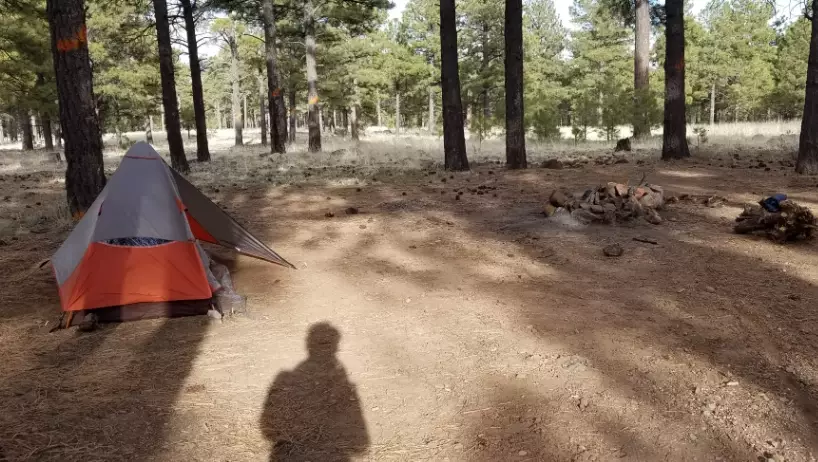
Site Selection: Choose a spot sheltered from the wind, but not in a valley bottom where cold air pools. A slight elevation is better.
The Bedtime Ritual: Change into clean, dry base layers reserved only for sleeping. Do some light exercises (jumping jacks, sit-ups) in your tent to generate heat before crawling into your bag. A warm water bottle in a sock makes a great bed warmer.
Manage Condensation: Vent your tent, even if it's cold. Crack the rainfly vents or a door to allow moisture from your breath to escape. A damp sleeping bag is a cold sleeping bag.
Food, Water, and Wildlife
Calories are fuel. Plan hearty, warm meals. Oatmeal for breakfast, stews or pastas for dinner. Hot drinks throughout the day.
Prevent water freezing. Store bottles upside down (ice forms at the top first). Keep one bottle in your sleeping bag at night.
Bear awareness remains crucial. In fall, bears enter hyperphagia, aggressively foraging before winter. Use bear boxes religiously. Don't cook or eat in your tent—ever.