Solo camping isn't just camping alone; it's a conversation with yourself. It strips away the distractions and puts you face-to-face with your own capabilities, fears, and the raw rhythm of nature. The appeal is massive—total freedom, your own schedule, profound peace. But that first-time anxiety is real. Is it safe? What if I get lonely? What gear do I really need?
This guide cuts through the generic lists. It’s written from over a decade of pitching tents alone from the Smokies to the Sierras. We’ll cover the crucial mindset shifts, the non-negotiable safety steps most blogs gloss over, and the gear choices that make the difference between a miserable night and a transformative one.
What's Inside? Your Solo Journey Roadmap
- Why Go Solo? The Unique Rewards and Real Challenges
- Your Solo Camping Gear: Packing Smart, Not Heavy
- Choosing Your Solo Campsite: Safety and Solitude in Mind
- Setting Up Camp: A Solo Camper's Routine
- The Solo Camper Mindset: Embracing Solitude and Staying Safe
- Solo Camping FAQs: Expert Answers to Your Specific Concerns
Why Go Solo? The Unique Rewards and Real Challenges
Let's be honest. Camping with friends is fun. But solo camping is a different sport entirely. The rewards are deeply personal. You wake up with the sun because you want to, not because someone's clanging pots. You decide to spend three hours watching a creek without explaining yourself. The silence isn't empty; it fills you up.
But here's the truth most glowing reviews skip: it can be intensely boring or scary for stretches. That's part of the deal. The first night, especially, your brain goes into overdrive. Every rustle is a bear. The loneliness can feel physical. This isn't a failure; it's your modern mind detoxing. The challenge—and the real growth—is sitting with that discomfort until it turns into peace.
Your Solo Camping Gear: Packing Smart, Not Heavy
Forget the 60-liter pack for your first trip. The core principle for solo gear is redundancy and self-reliance. If something breaks, you're the only one to fix it. But you also have to carry it all.
The biggest mistake I see? New solo campers pack for every hypothetical disaster, ending up with a pack so heavy it ruins the trip. You need to balance preparedness with practicality.
The Non-Negotiable Essentials
These are the items you absolutely cannot compromise on. Going light elsewhere is fine, but here you need reliability.
| Item | Specific Solo Advice & Common Pitfall |
|---|---|
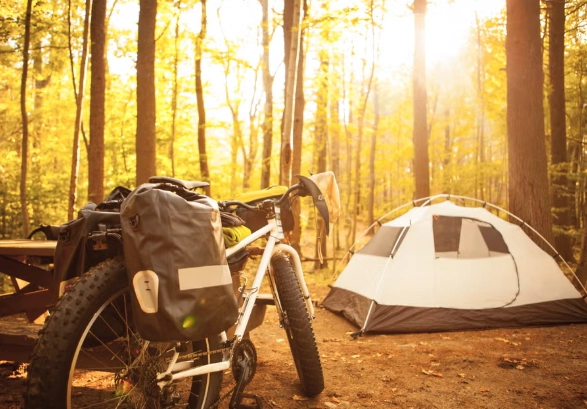
| Shelter | Practice setting up your tent at home, in the dark. A freestanding tent is easier for one person. Avoid ultra-minimalist tarps for your first few trips—the psychological security of a full tent is worth the weight. |
| Sleep System | Invest in a sleeping pad with a high R-value (insulation). The ground sucks heat from one body much faster than two. A cold sleeper is a miserable sleeper. |
| Water & Filtration | Carry two ways to purify water (e.g., a filter and chemical tablets). If your Sawyer Squeeze freezes or fails, you need a backup. Period. |
| Navigation | A GPS device/phone plus a physical map and compass. Phones die, screens crack. Know how to orient your map. This is your single most important safety item. |
| First-Aid Kit | Don't buy a pre-made mini-kit. Build your own, with extra supplies for blisters, cuts, and allergies. Include a personal locator beacon (PLB) or satellite messenger. This isn't optional for remote solo trips. |
| Illumination | Headlamp (with extra batteries) and a small backup light. Trying to cook or fix something in the dark with one hand holding a light is a frustration you don't need. |
The "Nice-to-Haves" for Comfort
This is where you personalize. A compact camp chair? For a 3-day trip, maybe. The weight-to-joy ratio is high. A Kindle? Better than staring at a dark tent ceiling. A small journal. These items combat loneliness and make the experience enjoyable, not just an endurance test.
Pro Tip No One Mentions: Pack a "comfort item." It sounds silly, but on a tough night, a small luxury—a fancy chocolate bar, a flask of good tea—can reset your mood entirely. Mine is a tiny, ridiculously soft pair of camp socks. It makes the tent feel like home.
Choosing Your Solo Campsite: Safety and Solitude in Mind
Location is everything, especially alone. Your goal isn't the most Instagrammable spot; it's the safest, most low-impact one.
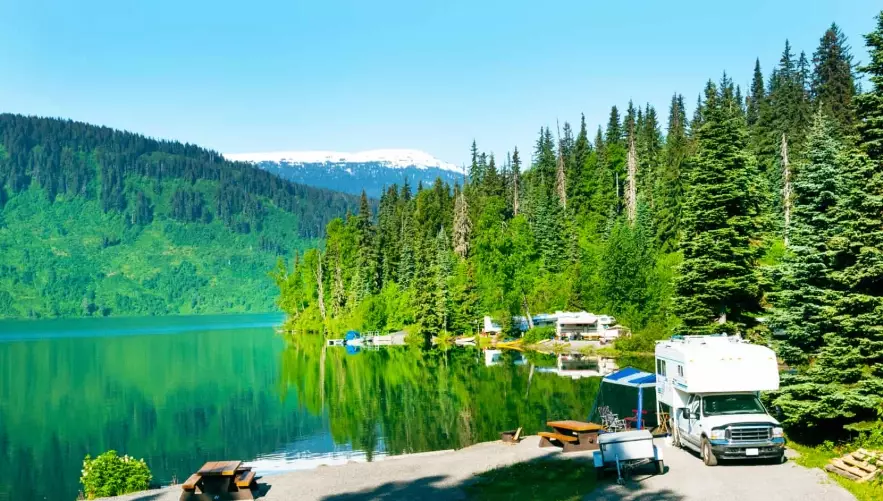
Start at a Drive-In Campground. Seriously. Your first solo night should not be a 10-mile backcountry trek. Pick a state park or a national forest campground. You'll have other people within shouting distance (a mental safety net), usually have cell service, and can test your gear and psyche in a controlled environment.
When you graduate to backcountry, site selection gets critical. Most know to look for level ground. But here’s the subtle mistake: choosing a site too close to a beautiful water source. It's illegal in many areas (follow Leave No Trace principles to camp 200 feet away), but more importantly, it's a highway for animals. You want to be close enough for water access, but not in the middle of the trail.
Look up. No dead branches hanging overhead ("widowmakers"). Look around. Is there evidence of animal activity? Avoid game trails. Is the soil durable? Pitch on rock, sand, or established sites to minimize impact.
Finally, trust your gut. If a spot feels weird or exposed, it probably is. Move on. You have no one to convince but yourself.
Setting Up Camp: A Solo Camper's Routine
Your camp routine is your anchor. It creates order and safety. Do it the same way every time.
1. Arrive Early: Give yourself at least 2 hours of daylight to set up. Fumbling with a tent in the dark while alone is a recipe for frustration and poor decisions.
2. The Order of Operations:
- Hydrate and Snack. Don't make decisions while hangry.
- Scout the Site. Walk the perimeter. Find your bear hang tree (if needed) and bathroom area.
- Pitch Shelter. Get your home up first. Everything else can wait.
- Organize Your Kitchen. Designate a clean area for food prep, away from your tent. Store all smellables immediately.
- Hang Food/Bag. Do this before dusk. Use a proper bear canister or hang system. The National Park Service has reliable methods.
Dusk is the witching hour. Loneliness often peaks. This is when I actively shift gears: cook a hearty meal, brew tea, and settle in. Having a simple task—like writing or reading—bridges the gap until sleep.
The Solo Camper Mindset: Embracing Solitude and Staying Safe
The gear is easy. The mindset is the real work.
Inform Someone. Not just "I'm going camping." Give a trusted person a detailed trip plan: exact trailhead, route, campsite areas, and your return time. Tell them what to do and who to call (e.g., local sheriff's department) if you don't check in.
Embrace the Boredom. You will get bored. Your phone won't have service. Instead of fighting it, lean in. Watch the fire. Listen to the wind. This mental space is the entire point—it's where creativity and clarity often sneak in.
Fear Management. Night noises are amplified. Remember: most wildlife wants nothing to do with you. Make noise if you're nervous. Talk to yourself. Sing. It feels silly, but it announces your presence. Have your headlamp and whistle within reach in the tent. The whistle is for emergencies, but knowing it's there is calming.
The most powerful tool? Experience. Each trip, the unknown becomes more familiar. The fear diminishes, and the peace expands.
Solo Camping FAQs: Expert Answers to Your Specific Concerns
Statistically, the wilderness is often safer for anyone than many urban environments. The primary risks—weather, injury, getting lost—are gender-neutral. However, personal comfort is key. Start at a busy, reputable campground. Trust your intuition absolutely; if a person or situation feels off, leave. Many women solo campers recommend choosing sites slightly away from road access, not right next to it. Carrying a satellite messenger provides immense peace of mind. The hiking and camping community is overwhelmingly supportive.
First, reframe it. It's not loneliness; it's solitude, and there's a learning curve. Have a plan for the evening. An engaging book, a podcast downloaded on your phone, even writing a long letter. A small ritual helps—making a specific drink, stargazing for 15 minutes. The feeling usually peaks around dusk and then fades. Remember, it's okay to feel it. Acknowledge it, then gently redirect your attention to a sensory experience: the sound of the trees, the smell of the air. By the second night, it almost always transforms into something you crave.
To lower my expectations. I went in thinking it would be a continuous, profound spiritual experience. Sometimes it's just... camping. And sometimes it's frustrating, a bit scary, or boring. That's normal. The magic isn't in every moment being perfect; it's in handling the imperfect moments entirely by yourself. The confidence you gain from solving a problem alone—whether it's a broken strap or a wave of anxiety—is the real trophy you bring home.
This is a very practical concern. The key is being prepared and hygienic. Always carry your trowel, toilet paper, and hand sanitizer in an easily accessible outer pocket. Before you leave camp, decide on a discreet spot that's at least 200 feet from water, trails, and your campsite. Leave your backpack on the trail so you know where you are, but take your whistle and bear spray with you a few steps away. It feels awkward at first, but it quickly becomes just another part of the routine. Pack out all used toilet paper in a dedicated zip-lock bag.
Solo camping strips you down and builds you back up. It's not about being the toughest person in the woods; it's about being the most self-aware. You learn what you actually need, what you can endure, and how beautiful quiet can be. Start small, plan thoroughly, and go. That first morning you wake up alone, having made it through the night, you'll feel a quiet pride that no group trip can ever match.