Quick Navigation
Let's be honest, the idea of cold weather camping can be pretty intimidating. You see those pictures of people all cozy in a frost-covered tent, sipping hot cocoa, and it looks magical. Then you remember your toes going numb just waiting for the bus. I get it. I've been there, shivering in a sleeping bag that promised comfort down to 20°F but clearly lied. But here's the thing – once you figure it out, winter camping is incredibly rewarding. The crowds are gone, the air is crisp, and the silence is profound. This guide isn't about selling you a dream; it's about giving you the straight-up, practical knowledge you need to actually enjoy it and, more importantly, how to survive cold weather camping safely.
It all boils down to managing one thing: heat loss. Your body is a furnace, and cold camping is the art of building a super-efficient insulation system around it while keeping the furnace stoked. Fail at either, and you're miserable. Get it right, and you'll be planning your next trip before the first one ends.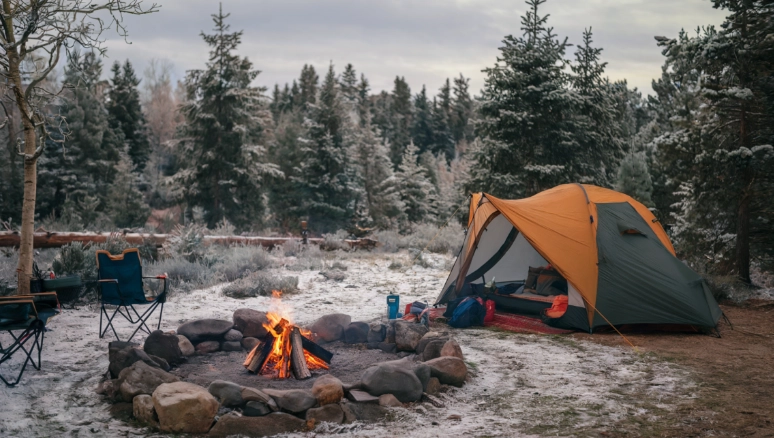
Your Gear: The Non-Negotiable Foundation
You can't tough out genuine cold with summer gear. Trying is the fastest way to a bad experience. Investing in the right equipment is the first and most critical step in learning how to survive cold weather camping. Think of it as building your personal micro-climate.
The Big Three: Shelter, Sleep System, and Stove
These are your lifelines. Skimp here, and everything else becomes ten times harder.
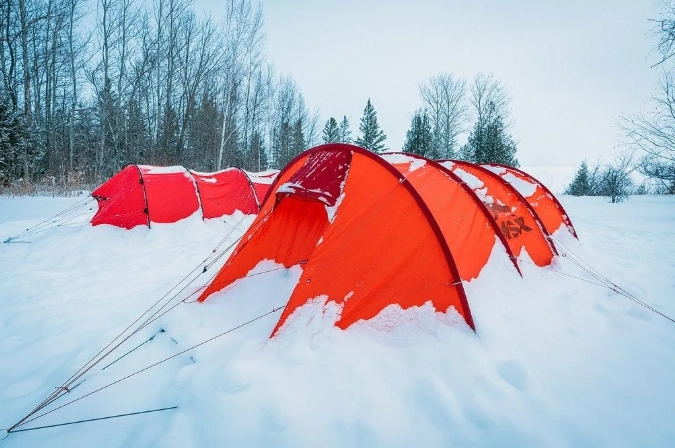
The Tent: Your four-season or robust three-season shelter. Forget the floppy, ultralight summer tent. You need something that can handle wind, a potential snow load, and has minimal mesh. Good ventilation is still key to reduce condensation, but you want solid fabric panels to block wind. I made the mistake of using a tent with too much mesh once in high winds – spent the night feeling like I was in a wind tunnel, and the inside was covered in frost from my breath. Not fun.
The Sleep System: This is your most important gear cluster. It's a system, not just a bag.
- Sleeping Bag: Get a bag rated at least 10°F colder than the lowest temperature you expect. That comfort rating is often optimistic. Down is fantastic for weight and packability if kept dry, but synthetic insulation is the safer bet for wet conditions as it retains heat when damp. The U.S. Army's survival manuals emphasize the critical importance of dry insulation, a principle that holds absolutely true here.
- Sleeping Pad: This is insulation for the ground, not just cushioning. You need a pad with a high R-value (insulation rating). I'd recommend an R-value of 4 or higher for winter. Combine a closed-cell foam pad (R-value ~2) with an inflatable insulated pad (R-value ~3-6) for bombproof protection. The cold ground will suck heat from you faster than the air.
- Liner: A simple fleece or thermal liner can add 5-15°F of warmth to your bag and, crucially, keep the bag's interior cleaner.
The Stove: Your standard canister stove might fail in freezing temps as the propane/butane mix loses pressure. A liquid fuel (white gas) stove like an MSR WhisperLite is utterly reliable in the cold. Or, use a canister stove with an inverted canister or a winter-specific gas mix. Boiling water for meals and drinks is a core survival and morale activity.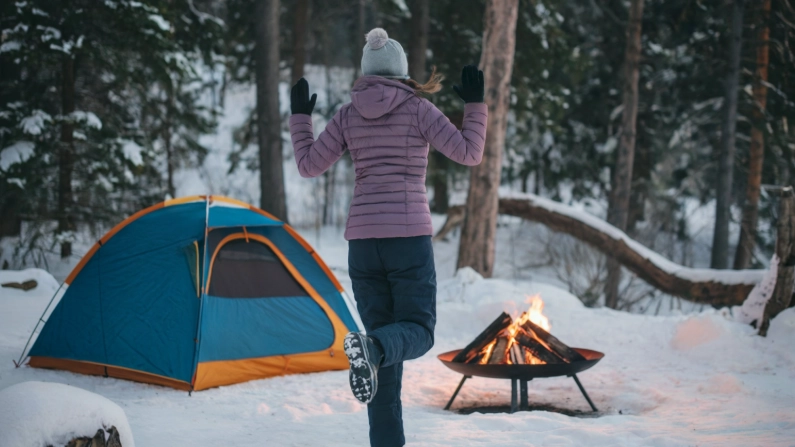
Clothing: Mastering the Layering System
Forget the single bulky jacket. The secret to staying warm and dry is layering. This system gives you ultimate control over your body's microclimate.
| Layer | Material & Purpose | What to Look For & Avoid |
|---|---|---|
| Base Layer (Wicking) | Merino wool or synthetic (polyester). Sits on skin to move sweat away. | DO: Get a snug fit. Merino is less itchy than old wool. AVOID: Cotton at all costs. It holds moisture and becomes a cold, wet sponge against your skin. |
| Mid Layer (Insulating) | Fleece, down, or synthetic puffy. Traps warm air created by your body. | DO: Have multiple weights (light fleece, heavy puffy). AVOID: Relying on one thick layer. Multiple thinner layers are more versatile. |
| Outer Layer (Shell) | Hard-shell (waterproof/breathable) or soft-shell (wind-resistant). Blocks wind, rain, and snow. | DO: Ensure it's truly waterproof with sealed seams. Pit zips are a godsend for venting heat. AVOID: Non-breathable rain jackets that trap sweat inside. |
| Accessories | Hat, gloves, neck gaiter, socks. | DO: Pack extras! Always have a dry hat and spare gloves. Wear liner gloves under insulated ones. Use a balaclava for sleeping. |
The goal is to avoid sweating. You should feel slightly cool when static. If you start to feel warm during activity, vent or remove a layer before you sweat. That moisture, once you stop moving, will chill you to the bone.
Setting Up Camp: It's All About Location and Preparation
Where and how you set up camp is half the battle. This isn't summer where you can plop down anywhere with a nice view.
Choosing and Preparing Your Campsite
Look for natural windbreaks like a line of dense trees or a rock wall. Avoid valley bottoms where cold air settles (these are called frost pockets) and exposed ridgetops where the wind is relentless. A slightly elevated, flat spot is ideal. Clear the ground of snow and sharp objects. If the ground is very cold, consider laying down pine boughs or your foam pad under your tent footprint for extra insulation from below.
Pitching your tent takes patience in wind or snow. Use all guy lines and stakes designed for winter soil (often longer and wider). If stakes won't hold in snow, bury deadman anchors – stuff sacks filled with snow and buried, with the guy line tied to them.
The Evening Routine: Your Pre-Sleep Ritual
What you do in the hour before bed directly determines if you'll sleep warm or shiver.
- Hydrate and Eat: Drink water. Your body needs fuel and fluids to generate heat. Have a high-fat, high-calorie snack right before bed (nuts, chocolate, cheese). Digestion creates metabolic warmth.
- Change Clothes: This is crucial. Change into a dedicated, dry set of base layers for sleeping. The clothes you wore all day have moisture in them, even if you don't feel sweaty.
- Warm Up: Do some light exercises in your tent – jumping jacks, sit-ups, leg lifts – to get your blood flowing and raise your core temperature before you get in your bag. Don't sweat, just get warm.
- Organize: Put tomorrow's clothes, your water filter, and electronics in the bottom of your sleeping bag or between layers so they don't freeze. A frozen water filter is useless in the morning.
Learning how to survive cold weather camping overnight is 90% about this routine. It feels like a hassle when you're tired, but it's the difference between a restful night and a miserable one.
Staying Safe: Recognizing and Managing Risks
Cold amplifies risks. Preparation and awareness are your best tools.
Hypothermia and Frostbite: Know the Signs
This isn't just about comfort; it's about safety. Hypothermia occurs when your body loses heat faster than it can produce it.
Early Signs of Hypothermia: Uncontrollable shivering, slurred speech, clumsiness, fatigue, confusion. If you or a buddy shows these signs, it's an emergency. Get to shelter, remove wet clothes, and warm the person with dry layers, skin-to-skin contact if necessary, and warm (not hot) drinks. The National Park Service has a clear, authoritative guide on hypothermia recognition and response that's worth reading before you go.
Frostbite: Freezing of skin and underlying tissues. It often affects extremities first – fingers, toes, nose, ears. The skin becomes cold, numb, hard, and pale (white or grayish-yellow). Do not rub the area. Gently warm it with body heat (e.g., put frostbitten fingers in your armpit) and seek medical attention as soon as possible. Gradual rewarming is key.
Water and Food: The Internal Furnace
Dehydration creeps up in the cold because you don't feel as thirsty. Drink water constantly. Insulate your water bottles or use an insulated reservoir hose. Eat more than you think you need. High-fat foods (nuts, cheese, olive oil in your dinner) provide long-burning fuel. Hot meals and drinks are morale boosters and provide essential warmth.
Winter-Specific Campcraft
Manage moisture in your tent by ventilating it, even when it's cold. Crack a vent or door to allow airflow and reduce condensation. Keep snow out – brush it off your clothes and gear before entering. Know how to safely manage a fire in winter if regulations allow, ensuring it's fully extinguished with water (not snow) as per guidelines from agencies like the U.S. Forest Service.
Answering Your Cold Weather Camping Questions
Final Thoughts Before You Head Out
Learning how to survive cold weather camping is a skill that builds confidence. It teaches you to read your body, manage your environment, and appreciate the raw beauty of nature in its quieter seasons. Start with a short, easy trip close to your car or a backup shelter. Test your gear in your backyard if you can. Each trip will teach you something new about what works for you.
The goal isn't to endure the cold, but to thrive in it. To wake up in a frosty tent feeling warm, brew a hot drink, and step outside into a silent, glittering world that most people never see. With the right preparation, that experience is absolutely within your reach. Now you know what it really takes. The adventure is waiting.