You typed that question into Google, didn't you? "What is the best age to go camping with kids?" You're hoping for a neat answer like "4 years old" so you can mark it on the calendar. I get it. As a parent who's dragged kids through mud, rain, and epic tantrums under the stars for over a decade, I wish it were that simple. But the truth is, there's no single perfect age. The real answer is more about readiness than a number on a birthday cake.
The best age is when your family is ready. That depends on your kid's temperament, your own comfort level, and how you approach it. Pushing a terrified 5-year-old into a dark tent is a recipe for a disaster you'll all remember. But a well-prepared trip with a curious 3-year-old can spark a lifelong love for the outdoors. This guide will ditch the one-size-fits-all advice and help you figure out your family's sweet spot.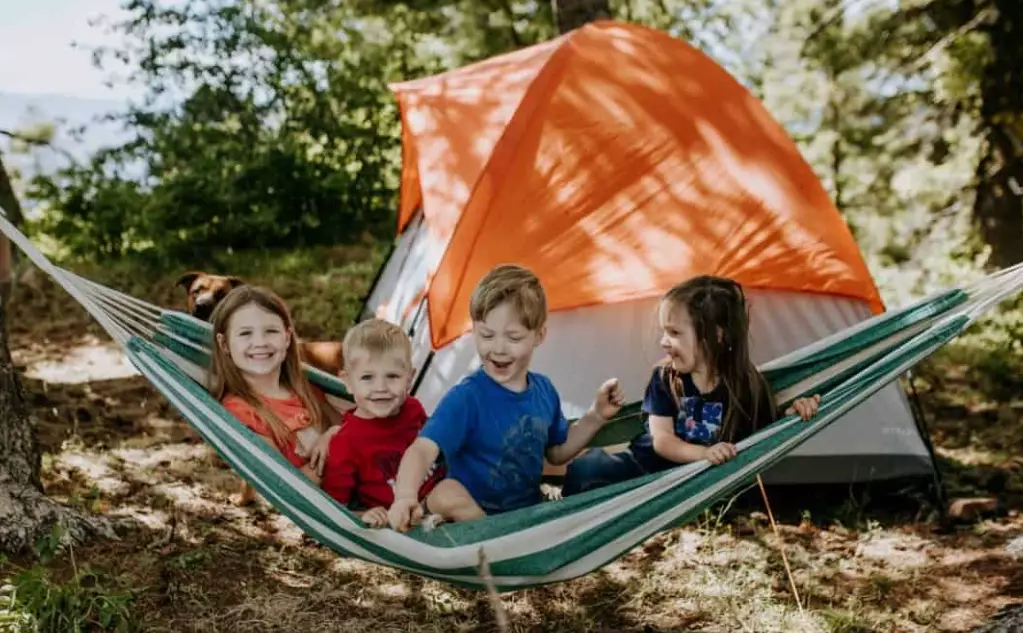
Your Quick Camping Guide
Why Focusing Solely on Age is a Mistake
Here's the non-consensus view most generic articles miss: Developmental readiness trumps chronological age every time. I've seen a cautious 7-year-old struggle more than a bold 4-year-old. The key indicators aren't about years lived, but about behaviors and adaptability.
Think about your child's daily life. Can they handle a slight change in routine without melting down? Do they have a basic sense of danger (like not running straight into a lake)? Are they generally curious about new things? These traits matter more than whether they've had five or six birthdays. The American Academy of Pediatrics emphasizes creating safe, positive outdoor experiences tailored to a child's individual development, not a rigid age timeline.
Your own readiness is the other half of the equation. If you're an anxious wreck about bugs and dirt, your 8-year-old will pick up on that. The first trip should be as much about building your confidence as a camping parent as it is about the kids.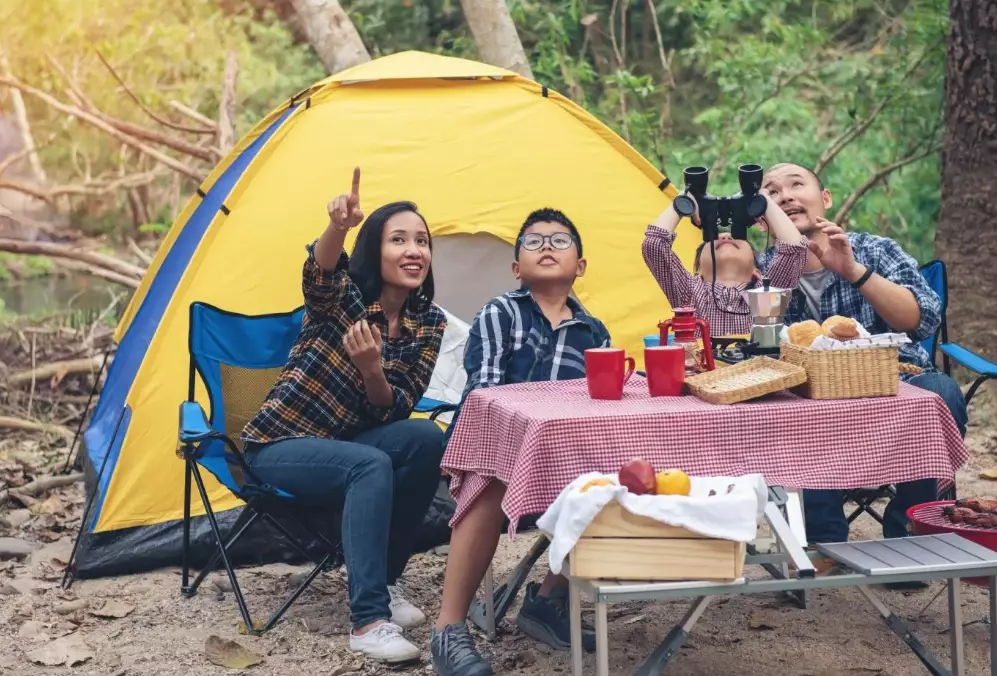
The Age-by-Age Family Camping Guide
Okay, I know I just said age isn't everything. But it's still a useful framework. Let's break down what camping typically looks like at different stages. Use this as a guide, not a gospel.
| Age Group | The Reality & Focus | Biggest Win | Biggest Challenge |
|---|---|---|---|
| Under 2 (Infants) | This is camping for you. The baby won't remember it. Focus on simplicity, naptime, and keeping them safe from sun/insects. A portable crib is your best friend. | Getting outdoors as a family without a major lifestyle pause. | Night wakings in a strange place, maintaining feeding/sleep routines. |
| 2-4 Years (Toddlers) | The "Wild Card" phase. It can be magical or miserable. Success hinges on short trips, familiar comforts (that lovey!), and constant supervision near water/fire. | Their sheer wonder at simple things—rocks, sticks, fireflies. | Unpredictable tantrums, fear of the dark/toilets, boundless energy with no sense of danger. |
| 5-7 Years (Young Kids) | The **Goldilocks Zone** for many families. They're more rational, can follow rules, and start to engage in real activities like gathering firewood or identifying plants. | They can actively participate and create lasting memories. | May still have fears (night noises), and need help with everything from tying shoes to washing up. |
| 8-12 Years (Big Kids) | They can be genuine helpers! They can learn to set up a tent, cook simple meals, and navigate trails. Focus on skill-building and giving them some autonomy. | Watching them gain confidence and independence in a natural setting. | Potential boredom if not engaged; the siren call of screens (leave them in the car!). |
My Story: Our first "successful" trip was when my daughter was 3. We camped for one night, 30 minutes from home, at a site with real bathrooms. She spent an hour throwing pebbles into the lake. That was the entire activity. She was thrilled. I learned that my elaborate plans were unnecessary. The point was just being there together.
Camping With Toddlers: A Special Note
This age is the most polarizing. Some parents swear by it; others call it a form of self-torture. If you're considering camping with a 2-4 year old, you need a different mindset.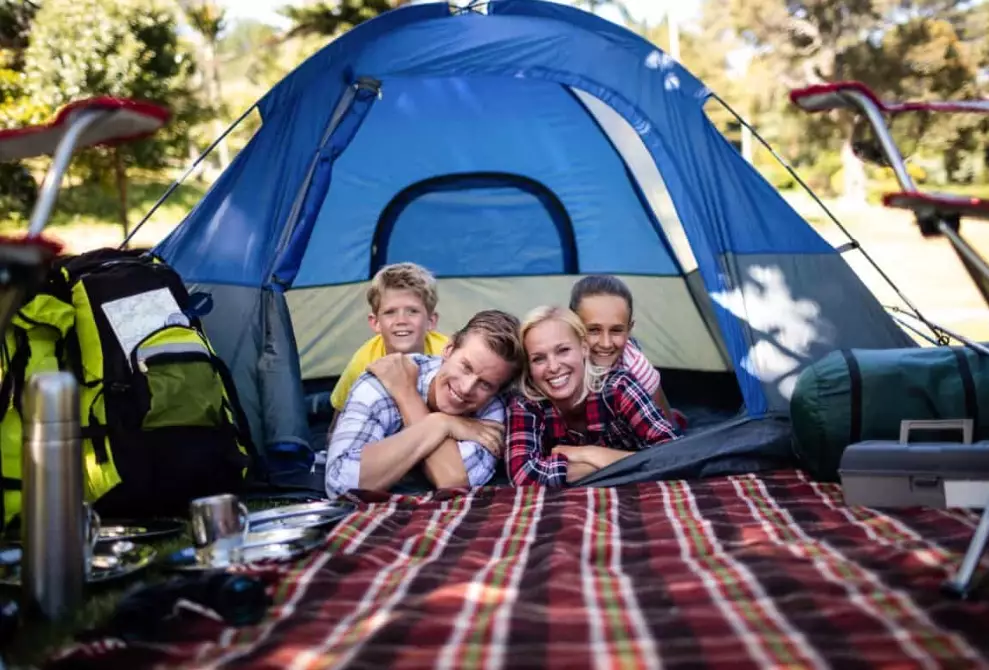
The Toddler Camping Equation
Pros: Everything is amazing to them. A pinecone is a treasure. They nap hard after all the fresh air. It's a fantastic way to burn their endless energy.
Cons: They have no survival instinct. They will try to eat dirt, wander toward the campfire, and touch every bug. Bedtime is a gamble. If they're not potty-trained, you're managing diapers in a tent.
Verdict: Go for it, but with brutal honesty. Choose a campground with amenities (flush toilets, a store). Plan for one night only. Bring their pillow, blanket, and favorite stuffed animal. Your goal isn't a scenic hike; it's survival with a side of fun.
The "Are We Ready?" Checklist (For Any Age)
Forget age. Ask yourself these questions. More "yes" answers mean a higher chance of success.
- Sleep Flexibility: Can your child fall asleep somewhere other than their own bed? (Even if it's tough, the attempt is key).
- Routine Resilience: Does a disrupted nap or meal time usually lead to catastrophe, or can they roll with it?
- Basic Communication: Can they express needs ("I'm cold," "I'm scared") and understand simple safety commands ("Stop," "Stay close")?
- Interest in Nature: Do they enjoy the park, backyard, or looking at bugs? Or do they scream at the sight of grass?
- Parental Patience Level: Are you in a headspace to manage mess, inconvenience, and potential setbacks without losing your cool?
If you checked most of these, you're ready to start planning, whether your kid is 2 or 6. The goal is a positive experience, not a perfect one.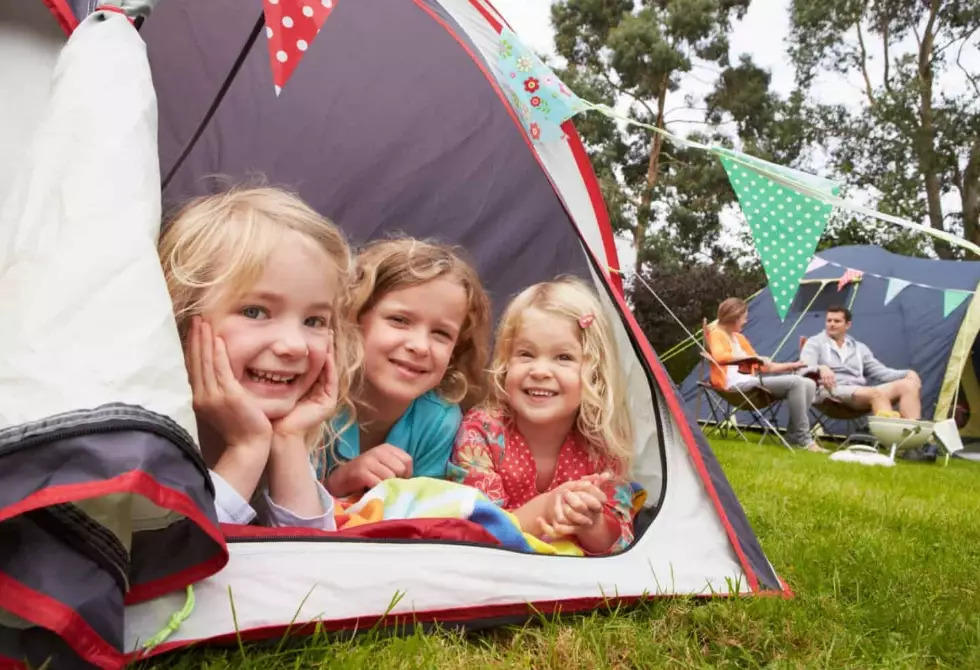
Pro Tips for Your First Successful Family Camping Trip
This is where the rubber meets the trail. These tips come from hard-won experience (and many mistakes).
How to Choose the Perfect First Campsite
Don't backpack into the wilderness. Your mission is to minimize stress. Look for a drive-in campground in a state or county park. Specifically, look for:
Flush Toilets: Non-negotiable for most families with young kids. Vault toilets (pit latrines) can be scary and smelly.
Short Drive Time: Under 2 hours from home. If everything goes south, you can bail.
Cell Service: I know, it's cheating. But for a first trip, knowing you can call for help or check the weather is a mental safety net.
Resources like the National Park Service and Recreation.gov have filters for these amenities. Read the campsite reviews! Other parents will explicitly mention if a site is good for kids.
The Gear That Actually Matters (And What Doesn't)
You don't need a $500 tent. You need the right basics. Prioritize:
A Roomy Tent: If the tent says "4-person," that means 4 adults lying still. For a family of 4 with kids, get a 6-person tent. The extra space for gear and wiggling is worth it.
Sleeping Comfort: Cold, uncomfortable kids are miserable kids. Invest in decent sleeping pads (air pads are great) and warm sleeping bags rated for the expected low temperature. Wearable blankets or footie pajamas are genius for toddlers.
Lighting: Headlamps for everyone (kids love them), plus a lantern for the tent. Glow sticks are cheap, fun, and help you spot your kid in the dark.
Skip For Now: Expensive camp kitchens, fancy chairs. Bring simple, familiar food. Pre-make and freeze chili or pasta sauce—it acts as extra ice in the cooler and makes dinner easy.
Mastering the Schedule (Or Lack Thereof)
Have a loose plan, but hold it lightly. Your day might look like this: Wake up, simple breakfast, explore the immediate campsite (find 5 different leaves), lunch, mandatory quiet/nap time in the tent (even if they don't sleep, the rest is crucial), late afternoon easy stroll, dinner, s'mores, bed.
See? No 5-mile hikes. The activity is camping. Let them dig, collect, splash in a stream, and help with safe camp chores (stirring the pancake mix, handing you tent stakes).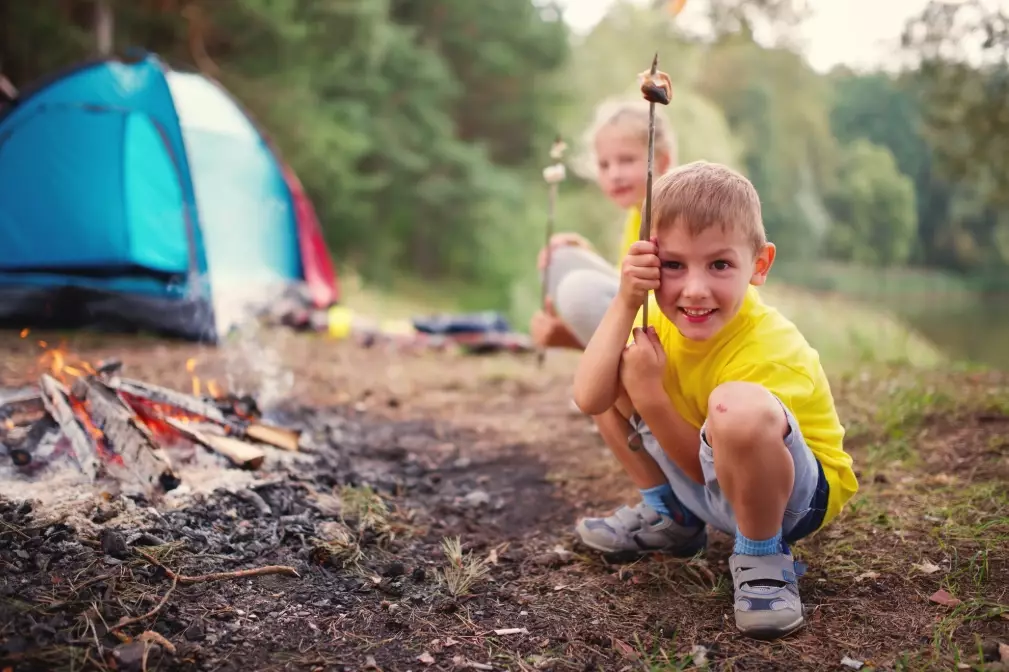
Your Family Camping Questions, Answered
 Is it safe to have a campfire with little kids around?
So, what's the best age to go camping with kids? It's the age when you look at that checklist and feel a flicker of "we can do this." It might be 3, it might be 6. Start small, pack your patience, and lower your expectations. The goal isn't a flawless Instagram photo. It's the smell of pine needles, the taste of a slightly burnt marshmallow, and the sound of your kid's laugh outside the walls of your house. That's the magic you're after. Now go find a campground and book a site.