You've packed the tent, the sleeping bag is top-notch, but you still spend the night shivering or sweating through your clothes. Sound familiar? The problem isn't your gear; it's your system. More specifically, your camping layering system. This isn't just about throwing on a jacket. It's a dynamic, modular approach to dressing that manages moisture, traps warmth, and shields you from the elements. Get it right, and you're comfortable from dawn frost to midday sun. Get it wrong, and you're flirting with hypothermia or heat exhaustion. Let's break down the real-world system that guides every seasoned camper's packing list.
Your Layering System Roadmap
- Why the 3-Layer System Isn't Just Marketing
- The Base Layer: Your Second Skin
- The Mid Layer: Your Personal Furnace
- The Outer Layer: Your Mobile Shelter
- 5 Layering Mistakes You're Probably Making
- Real-World Layering: From Spring Hikes to Winter Camps
- Fabric Guide: Material Matters More Than Brand
- Expert Answers to Your Layering Dilemmas
Why the 3-Layer System Isn't Just Marketing
Think of your body as a furnace. It produces heat and sweat (water vapor). Your clothing's job is to manage both. A single thick jacket fails because it can't adapt. When you're active, you sweat; that moisture gets trapped, making you wet. When you stop, that wet fabric sucks heat from your body 25 times faster than dry air. That's the fast track to getting cold.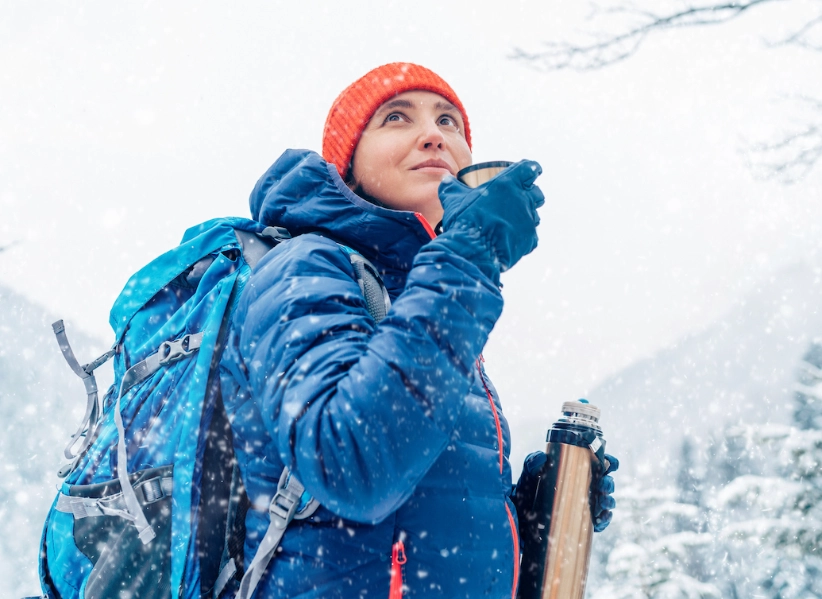
The camping layering system solves this with three distinct jobs:
Base Layer (Moisture Management): Wicks sweat away from your skin to keep you dry.
Mid Layer (Insulation): Traps warm air close to your body.
Outer Layer (Protection): Shields you from wind, rain, and snow.
The magic is in the combination. You can add or remove layers as your activity level and the weather change. Hiking uphill? Maybe just a base layer. Taking a break at the summit? On goes the mid layer. Rain starts? The outer layer seals the deal. It's about control.
According to safety guidelines from organizations like The Mountaineers, improper clothing is a leading contributor to hypothermia cases in the backcountry. Layering isn't a luxury; it's a safety protocol.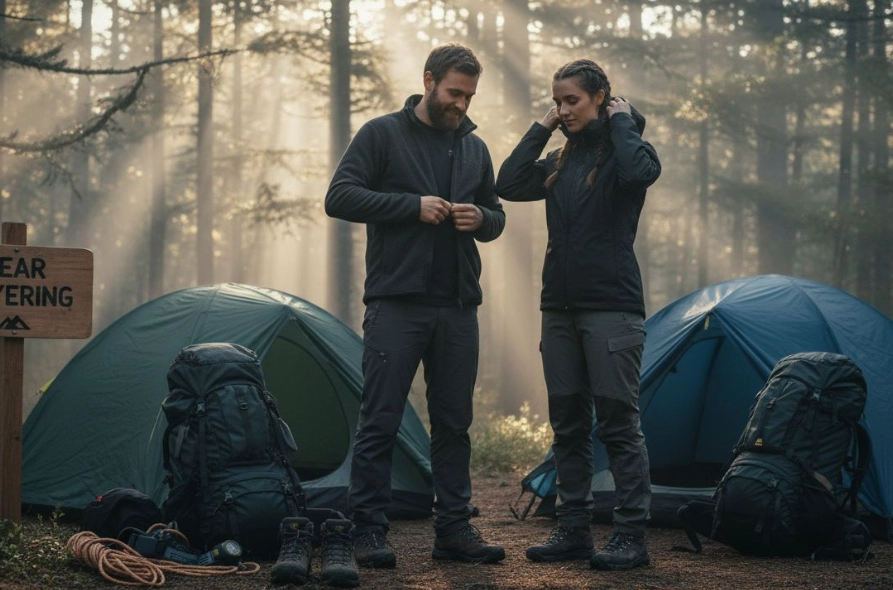
The Base Layer: Your Second Skin
This is the most misunderstood layer. It's not just a t-shirt. Its sole purpose is to move moisture. If it's cotton, you've already lost. Cotton absorbs sweat and holds it against your skin like a cold, soggy sponge (a phenomenon called "wicking in reverse").
What to Look For (And Avoid)
Merino Wool: My personal go-to. It wicks well, naturally resists odors (you can wear it for days), and regulates temperature. It's more expensive, but for multi-day trips, it's worth it. The downside? It's less durable than synthetics.
Synthetic (Polyester, Nylon): Excellent wicking, dries incredibly fast, and is durable and affordable. The major flaw? It stinks. After a day of hard hiking, the bacteria buildup is noticeable. It's best for day trips or as a backup.
Fit is Critical: It must be snug against the skin. Loose base layers can't effectively wick moisture. Think of it as athletic wear, not lounge wear.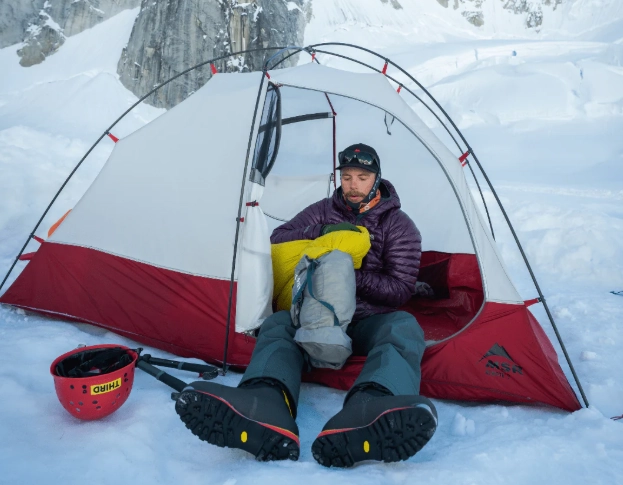
The Mid Layer: Your Personal Furnace
This is your warmth generator. The goal is to trap air. Still air is a fantastic insulator. Here, you have the most choice and the most room for error.
Fleece: The workhorse. It's breathable, retains warmth when wet, and is affordable. A grid-fleece or lightweight fleece jacket is incredibly versatile. Perfect for active moments.
Down Insulation: The king of warmth-to-weight ratio. Unbeatable for cold, dry, static situations (like sitting around camp at night). The fatal flaw? It loses almost all insulating power when wet. If your down jacket gets soaked, it's a useless, heavy lump.
Synthetic Insulation (Primaloft, Climashield): The reliable all-rounder. Nearly as warm as down, but retains most of its warmth when damp and dries faster. Heavier and bulkier than down, but for wet climates (Pacific Northwest, spring camping), it's often the smarter choice.
Common Mistake: People often choose a mid layer that's too warm. If you put on your puffy down jacket and start hiking, you'll overheat and sweat in minutes. Your mid layer should be adjustable—a zippered jacket is far better than a pullover for this reason.
The Outer Layer: Your Mobile Shelter
This is your shield. It stops wind from stealing your warmth (wind chill) and rain from soaking your insulating layers. There are two main types, and confusing them is a classic error.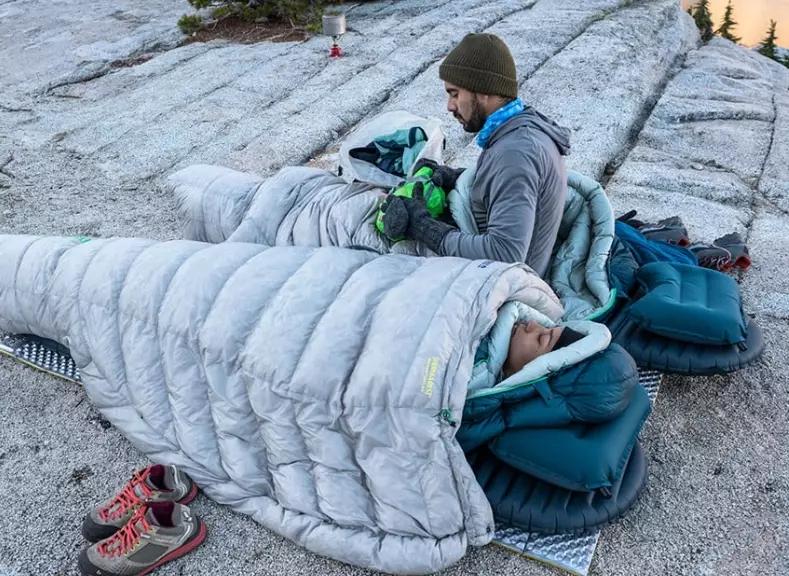
Hardshell Jacket (Waterproof/Breathable): Your rain jacket. It has a membrane (like Gore-Tex) that keeps liquid water out while allowing water vapor (sweat) to escape. It's essential for rainy or snowy conditions. Look for fully taped seams and a good hood. Breathability is key—cheap rain jackets turn you into a portable sauna.
Softshell Jacket: This is a wind-resistant, highly breathable, water-resistant layer. It's not for heavy rain. It's perfect for dry, windy days or high-output activities where breathability is paramount. I use my softshell ten times more often than my hardshell on dry-weather trips.
Many campers think one jacket does it all. It doesn't. A hardshell is a necessity for wet weather. A softshell is a luxury for comfort in dry, windy conditions.
5 Layering Mistakes You're Probably Making
After a decade of guiding and personal trips, I see the same errors repeatedly.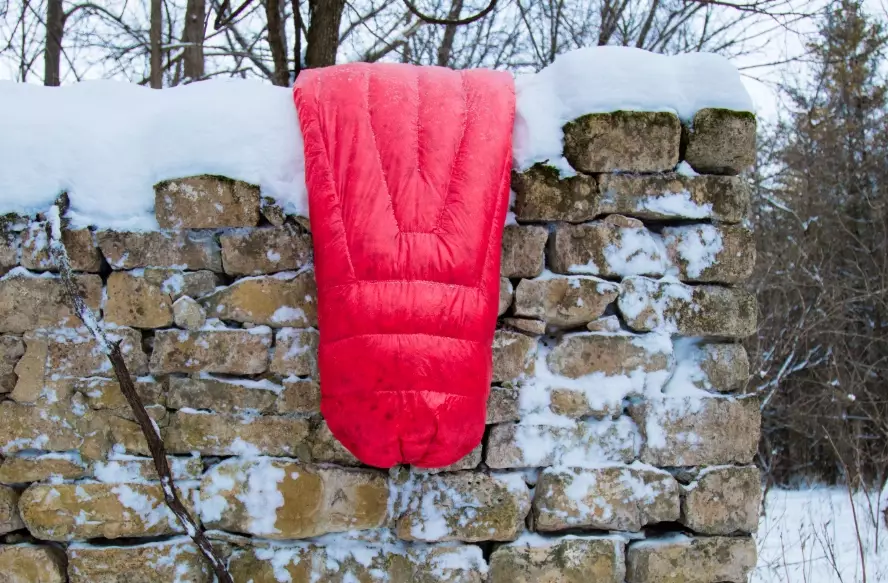
1. The "Cotton Death Layer": Wearing cotton socks, jeans, or a hoodie. Just don't. Not even on the drive to the trailhead.
2. Over-Insulating the Mid Layer: Your warmest puffy jacket is for camp, not the hike in. Start slightly cool; you'll warm up fast.
3. Ignoring Ventilation: Before you remove a layer, try venting. Unzip your jacket fully, open pit zips if you have them. Often, that's enough.
4. Waterproof Overkill: Wearing a non-breathable rain poncho or cheap plastic jacket for hiking. You'll get wetter from sweat inside than rain outside.
5. Neglecting Extremities: The system applies to hands, feet, and head too. A merino wool beanie and gloves are lightweight game-changers. Cold feet? Often, it's because your core is cold—add a mid layer before putting on thicker socks.
Real-World Layering: From Spring Hikes to Winter Camps
Let's translate theory into a packing list. Assume a 3-season (spring-fall) backpacking trip in the mountains with variable weather.
Scenario 1: Spring Day Hike (45°F, sunny with a chance of showers)
- On the move: Synthetic base layer top, hiking pants, softshell jacket in pack.
- At the windy summit: Add the softshell jacket and a light fleece beanie.
- Rain starts: Swap softshell for hardshell rain jacket. The synthetic base layer will handle any sweat.
Scenario 2: Summer Overnight (60°F day, 40°F night by the lake)
- Day hiking: Merino wool t-shirt, hiking shorts, sun shirt.
- Evening at camp: Add lightweight fleece pants, a grid-fleece jacket, and a down vest. The vest keeps your core warm while allowing arm movement for cooking.
- Sleep system: Clean, dry base layer (merino wool long underwear) dedicated for sleeping only.
Scenario 3: Fall Backpacking (55°F day, 30°F night, dry)
- Hiking with pack: Lightweight merino base, hiking shirt, wind shirt accessible.
- Camp setup/evening: Swap to a heavier merino base, add a lightweight puffy jacket (synthetic if humid, down if dry).
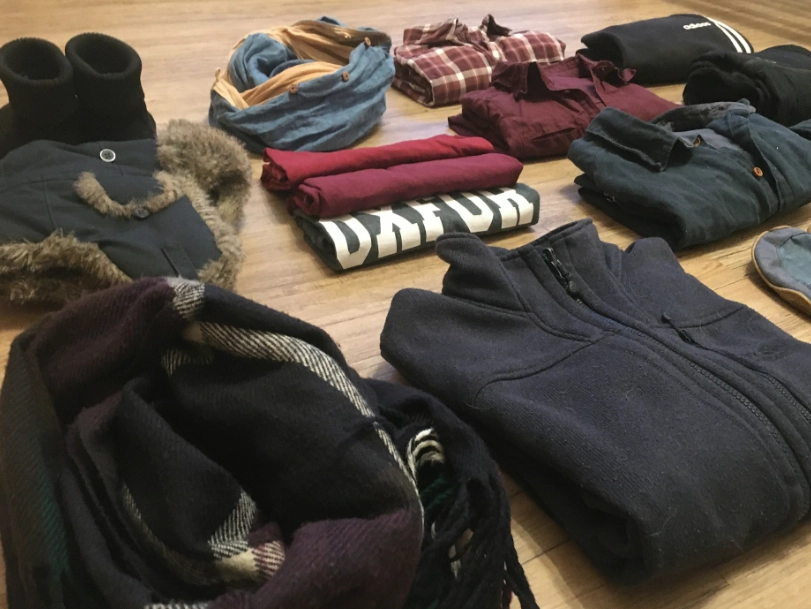
Scenario 4: Winter Camping (25°F day, 15°F night)
- Active skiing/snowshoeing in: Mid-weight merino base top and bottom, softshell pants, breathable softshell jacket. You should feel almost chilly when you start.
- Static at camp: This is where the system shines. Add a heavyweight fleece or synthetic insulated jacket under your hardshell to block wind. For extreme cold, a dedicated expedition-weight parka goes over everything. Heavyweight insulated pants are a luxury that feels like a necessity.
Fabric Guide: Material Matters More Than Brand
Don't get blinded by brand names. Understand the material properties. Here’s a quick cheat sheet:
| Material Type | Best For | Warmth When Wet | Breathability | Durability | My Take |
|---|---|---|---|---|---|
| Merino Wool | Base Layers, Socks | Good | Excellent | Fair | Worth the investment for multi-day trips. 150-200gsm is versatile. |
| Synthetic (Polyester) | Base Layers, Active Mid-Layers | Good | Excellent | Excellent | The best budget & performance option for day trips. Wash with tech wash to reduce stink. |
| Fleece (Polyester) | Mid Layer (Active) | Good | Excellent | Very Good | A grid-fleece is the most versatile single mid-layer you can own. |
| Down Insulation | Mid Layer (Static/Camp) | Poor | Fair (if not covered) | Fair (needs care) | For dry cold only. 700-fill power is the sweet spot for value. |
| Synthetic Insulation | Mid Layer (All-Round) | Very Good | Good | Good | The safe, reliable choice for unpredictable or wet climates. |
| Gore-Tex (Hardshell) | Outer Layer (Rain/Wind) | N/A | Very Good (for waterproof) | Excellent | Industry standard for a reason. Re-waterproof with a wash-in treatment yearly. |
Expert Answers to Your Layering Dilemmas
I always sweat through my base layer on the first big climb, no matter what. What am I doing wrong?
You're likely starting with too many layers on. Your body will heat up dramatically with exertion. The goal is to start your hike feeling slightly cool, even chilly. Strip down to just your base layer before you break a sweat. If it's cold at the trailhead, do your warm-up layers, then stop after 10 minutes of hiking to remove a layer. It's a proactive, not reactive, strategy.
Is a $300 merino wool base layer really better than a $40 synthetic one?
For a single day trip in mild weather, not really. The synthetic will perform well. The merino wool's value explodes on multi-day trips where odor control becomes a major quality-of-life issue, or in variable conditions where its natural temperature regulation shines. I view synthetic as a tool for specific, high-output days, and merino as the system foundation for extended adventures.
My feet are always cold at night, even in a good sleeping bag. Should I wear more socks?
Wearing multiple tight sock layers can actually restrict blood flow and make your feet colder. The issue is usually systemic. Before you pile on socks, ensure your core is warm. Put on your insulated mid layer or puffy jacket before you get into your bag. A warm core sends warm blood to the extremities. Also, change into a clean, dry pair of socks reserved only for sleeping—the moisture from the day is still in your hiking socks.
How do I layer for camping in humid, rainy places like the Southeast US or the Pacific Northwest?
This is where you bias your system towards synthetics and breathability. A synthetic base layer is fine here because you'll likely be washing clothes more often anyway. Your critical choice is the mid layer—a synthetic insulated jacket (like Primaloft) is mandatory, as down will become useless. Prioritize a highly breathable hardshell. The key is managing sweat, as drying conditions are poor. Pack an extra base layer to change into at camp.
Do I need separate sleeping clothes in my layering system?
Absolutely. This is a non-negotiable for warmth and comfort. Your daytime layers are damp with sweat and dirt, which degrades insulation and feels gross. Pack one dedicated set of clean, dry base layers (long underwear) that never leave your sleeping bag's stuff sack. They are your most important camp luxury and a critical part of your sleep insulation system.
The camping layering system is less about owning the most expensive gear and more about understanding a few core principles and applying them dynamically. It's the difference between enduring the outdoors and truly enjoying them. Start by auditing your current kit—banish the cotton, identify the role of each piece, and practice adjusting layers before you feel extreme discomfort. Your comfort, and safety, on the trail depends on it.