Let's be honest. Most of us have been there. You're following a well-marked path, enjoying the views, and then... it just fades into a mess of fallen leaves and deer tracks. Your phone shows "No Service." That confident stride slows to a hesitant shuffle. This moment, right there, is where real camping navigation skills separate a minor detour from a full-blown survival situation. I've guided groups for over a decade, and the number one mistake isn't forgetting a map—it's thinking your GPS app is a complete replacement for knowing how to navigate. This guide isn't about memorizing complex formulas. It's about building a reliable, layered system so you can explore with confidence, not fear.
What You'll Learn in This Guide
The Non-Negotiable Navigation Toolkit
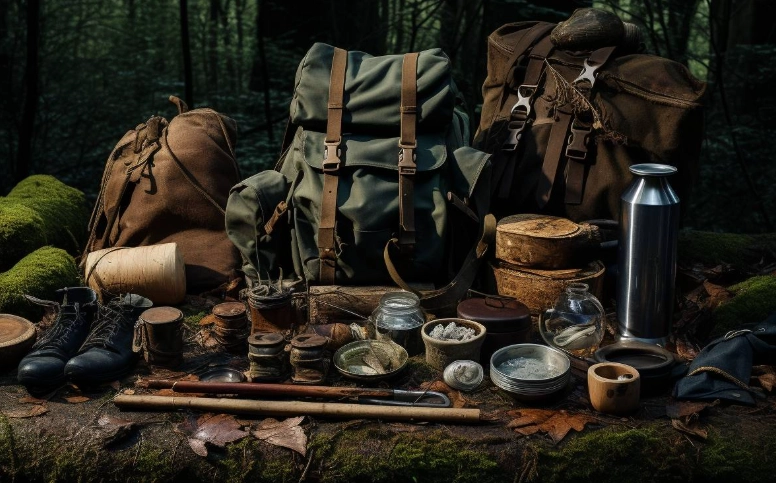
Think of your navigation kit like a backup power system. You have a main source (your phone), a backup generator (a GPS unit), and a manual crank light (map and compass) for when everything else fails. Relying on just one is asking for trouble.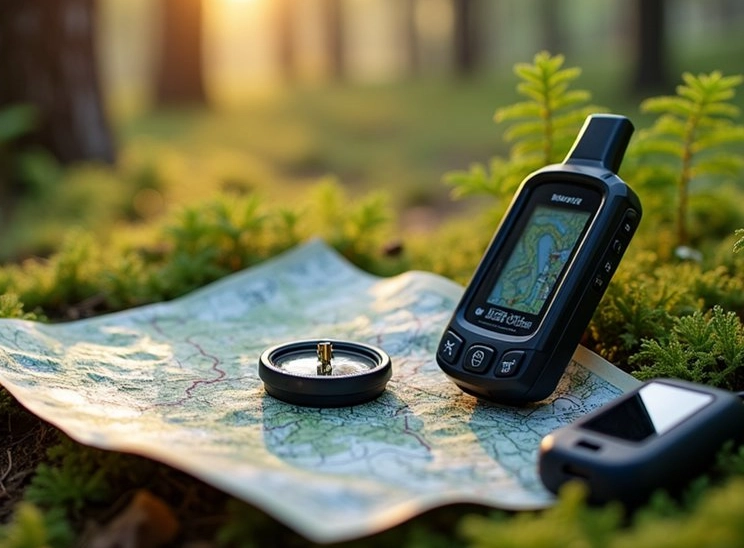
Here’s what you actually need, and why:
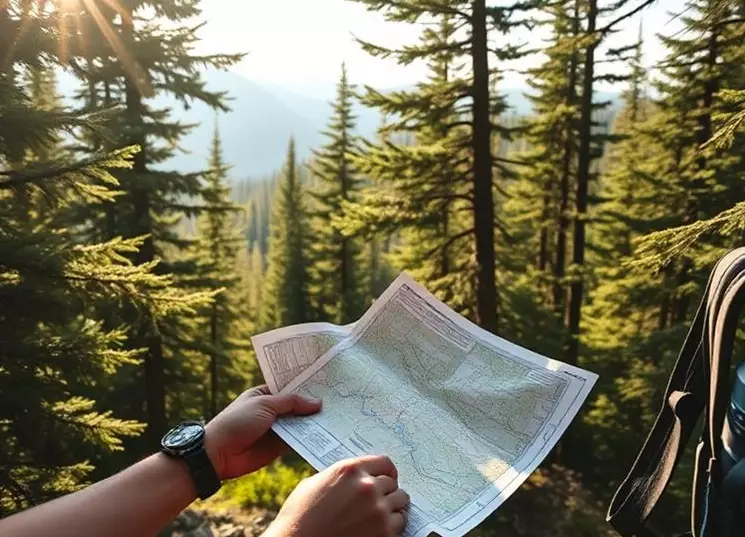
- A Physical Topographic Map: Not a park brochure. A real USGS or specialty trail map. Waterproof it yourself with a sealable bag or map case. I use National Geographic's Trails Illustrated maps—they're durable and show crucial details like reliable water sources.
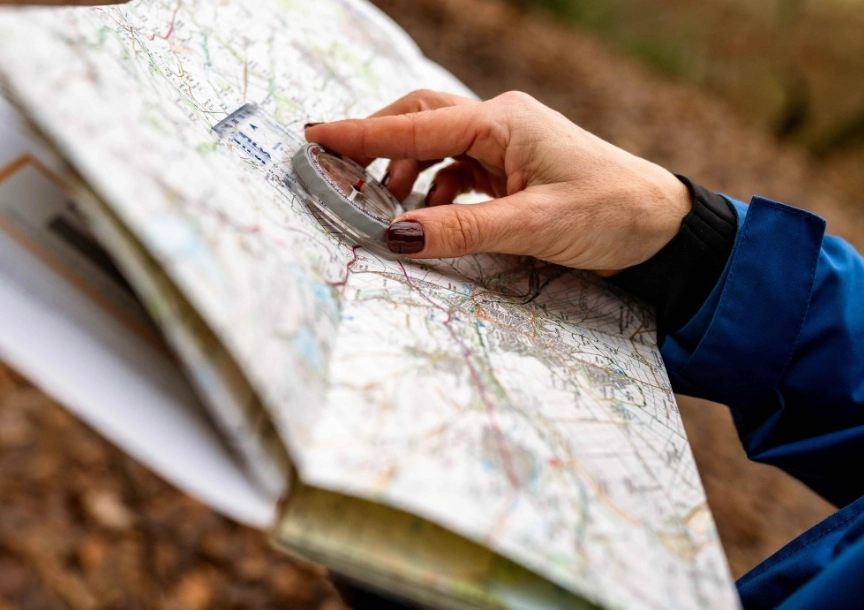
- A Baseplate Compass with Adjustable Declination: The $10 keychain compass is for kids. You need one with a rotating bezel, a clear baseplate, and, critically, a way to adjust for magnetic declination. This is the angle difference between True North and Magnetic North. Not adjusting for it is the silent error that puts you hundreds of meters off course over a long distance. Brands like Suunto or Silva are standard.
- A GPS Device or App with OFFLINE Maps: Your phone's Google Maps is useless offline in the woods. You must download the area for offline use in apps like Gaia GPS, AllTrails+, or OnX Backcountry. Better yet, use a dedicated handheld GPS like a Garmin inReach. Its battery lasts days, not hours, and it can send SOS signals.
- A Reliable Power Bank: For keeping your electronic tools alive. A 10,000mAh bank can charge a phone 2-3 times.
How to Actually Read a Topographic Map (It's Easier Than You Think)
Those squiggly brown lines intimidate people. Let's demystify them. Each line connects points of equal elevation. The closer the lines are packed together, the steeper the terrain. Wide spacing means a gentle slope.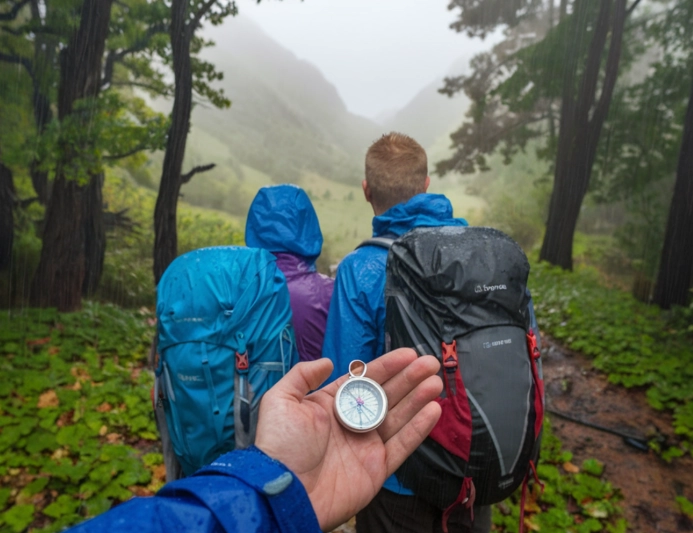
Here’s the practical skill most guides gloss over: orienting your map. You can have the best map in the world, but if it's not facing the right way relative to the land, it's just a confusing picture.
Step-by-Step: Orienting Your Map with a Compass
1. Lay your map flat. 2. Place your compass on it so the direction-of-travel arrow points to the map's north (usually the top). 3. Rotate the map AND compass together until the magnetic needle is boxed inside the orienting arrow (it's “red in the shed”). Your map is now oriented to the real world. What you see in front of you should match what's on the map. Do this every time you stop to check your position. It takes 15 seconds and prevents disorientation.
The "Lost-Proof" Pre-Hike Routine
This 10-minute ritual has saved me more times than I can count. Never skip it.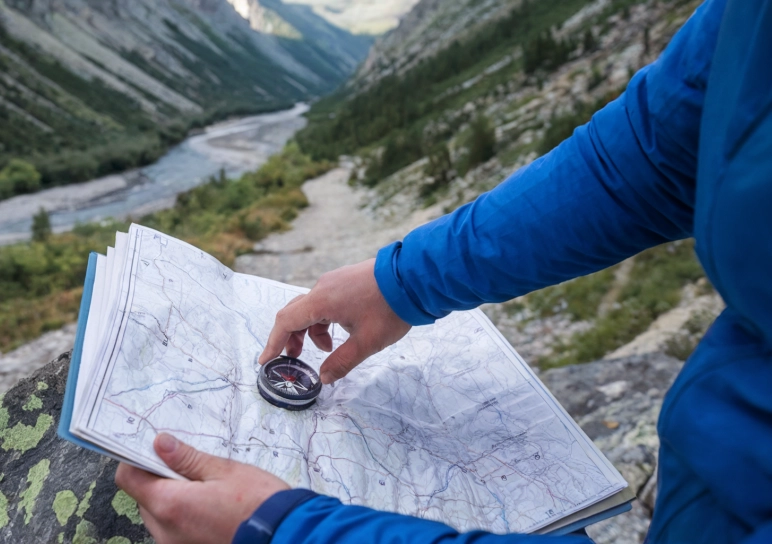
1. The Weather Check & Plan B: I check not just for rain, but for visibility. Fog or low clouds? That rules out navigating by distant landmarks. My Plan B becomes following a clear handrail feature, like a stream or a distinct ridge line, shown on my map.
2. The Route Trace: With a highlighter, I trace my intended route on the physical map. Then, I note clear “catching features” that run perpendicular to my path—a road to the south, a river to the north. If I hit one, I know I've gone too far.
3. The Tech Prep: Download offline maps on TWO devices (my phone and my partner's). Fully charge everything. I set my GPS tracking to start at the trailhead.
4. The Reality Check: I look at the total distance and elevation gain on the map and honestly ask: “Can the slowest person in the group do this before dark?” If not, I shorten the route.
Natural Navigation Techniques: Using the World Around You
When your tools fail, nature provides clues. These aren't Hollywood tricks; they're subtle indicators that, combined, give you a sense of direction.
| Technique | How It Works | Reliability & Key Insight |
|---|---|---|
| Sun & Shadow | In the Northern Hemisphere, the sun is roughly in the south at midday. A stick placed vertically will cast a shadow pointing north at noon. | Good for general direction. Remember, the sun moves 15 degrees per hour. Don't rely on it in dense forest. |
| Tree Growth & Moss | In open areas, trees often grow slightly more/bushier on the south side (more sun). Moss is often thicker on the north side (more shade). | Low reliability alone. In a damp, dense forest, moss grows everywhere. Use this only as a last-resort corroborating clue, never a primary guide. |
| Water Flow | Streams and rivers generally flow downhill, eventually to larger bodies of water or out of a valley. | High reliability for finding your way *out*. Following a stream downstream often leads to trails or roads. Know the watershed of your area from your map. |
| Wind Patterns | In many coastal or mountain regions, prevailing winds follow a daily pattern (e.g., up-valley in the day, down-valley at night). | Requires local knowledge. Ask a ranger. In a storm, useless. |
The biggest mistake with natural navigation is putting too much faith in one sign, like moss. I once saw a group confidently walk the wrong way because “the moss said so.” Look for multiple, consistent signals.
What to Do When Things Go Wrong
You've checked your map, your compass, and nothing looks right. Panic starts to bubble. Stop. Literally. The acronym S.T.O.P. is timeless for a reason.
S - Stop: Don't walk another step. Sit down, drink some water, eat a snack. Fear and fatigue cloud judgment worse than fog.
T - Think: When did you last know your 100% certain location? Retrace your mental steps. What landmarks have you passed in the last 30 minutes?
O - Observe: Get out your oriented map and compass. Look for large, obvious features you can identify—a distinct mountain shape, the direction of a river valley, a large clearing. Try to match them to the map. This is called “terrain association.”
P - Plan: Based on your best guess location, make a conservative plan. Can you safely retrace your steps to your last known point? Is there a large, linear feature (a ridge, a stream) you can follow to safety? If you're truly lost and unprepared, the best plan is often to stay put, make shelter, signal for help, and wait. Wandering usually makes you harder to find.