What I'll cover
I still remember my first camping trip. I packed a brand new four-person tent, a cooler full of marinated chicken, and a pair of canvas sneakers. By midnight I was shivering in a two-season sleeping bag, my feet were soaked, and the chicken was still sitting in the cooler because I couldn't get a fire started with the damp wood I'd bought from a gas station. The camping lifestyle looked nothing like the photos.
Ten years later, I've made every mistake you can imagine. But the payoff—waking up to birdsong instead of an alarm, cooking eggs over a tiny stove while the mist lifts off the lake—that's the part no Instagram filter can fake. If you're thinking about adopting a camping lifestyle, or just want your next trip to work better than the last, here's what I wish someone had told me.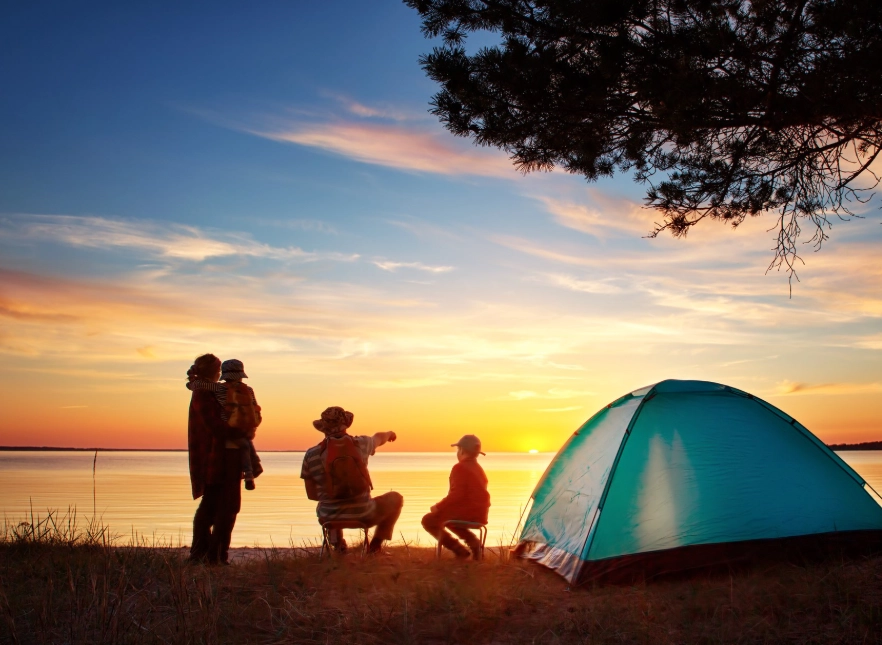
What Real Camping Lifestyle Means
The term gets tossed around a lot. For me, it's not about owning a $500 tent or posting a certain aesthetic. A camping lifestyle is simply the habit of choosing outdoor sleep and self-reliance regularly—maybe once a month, maybe every weekend. It means you keep a box of gear by the door, you know which local park allows overnight stays, and you can pack for a night out in under twenty minutes.
I know a retired couple in Virginia who camp 40 nights a year in a $30 tarp. They boil water for coffee on a cat food can stove. Their setup costs less than a fancy dinner, and they wake up happier than most people I know. That's the lifestyle part. Gear matters less than habit.
What Beginners Get Wrong
Most first-timers overinvest in camo and flashlights, then forget the two things that ruin a night: cold and damp. Here are the silent mistakes I see again and again.
Mistake #1: Buying a tent that's too big
I get it—you want space. But a huge tent takes longer to pitch, holds more condensation, and feels colder at night. If you're camping with another person, a two-person backpacking tent is snug but warmer. For summer car camping, a three-person is plenty for two. My current go-to is a 2.5-person freestanding tent I've used for six years.
Mistake #2: Ignoring the R-value on your sleeping pad
The ground will steal your heat faster than the air. An R-value below 3 is summer-only. If you camp in spring or fall, get a pad with R-4 or higher. I've seen friends shiver all night on a zero-R air mattress and blame the sleeping bag. Wrong culprit.
Mistake #3: Cooking a five-course meal on a two-burner stove
Start with one-pot meals. Simplicity saves cleanup when it's dark and you're tired. I make a mean lentil stew, but the first ten trips I made oatmeal and instant noodles. Learn your stove before you get fancy.
Three Camping Essentials That Actually Matter
Skip the novelty gadgets. These three carry the weight.
| Item | Why it matters | My pick (example) | Price range (USD) | Where to buy |
|---|---|---|---|---|
| Sleeping pad with R-4 or higher | Stops ground heat loss; better sleep | Therm-a-Rest Trail Pro (current model) | 120–180 | REI or Backcountry.com |
| Headlamp (no flashlight) | Frees your hands for cooking and reading | Black Diamond Storm 450 | 45–65 | REI or Amazon |
| Lightweight rain tarp (8x10) | Creates a dry zone for cooking and sitting; cheap insurance | Any hardware store tarp rated for outdoor use | 20–40 | Local hardware or Home Depot |
I'd also add a small first aid kit and a paper map of the area. Cell service fails. I learned that the hard way near Shenandoah National Park, when my GPS led me onto a fire road that ended in a mud pit. The ranger I met later told me that a paper map from the entrance station is still the most reliable tool. Good advice from someone who knows.
A One-Night Escape (My Camp Kitchen Menu)
Here's a real plan I use for a quick overnight at a state park. I've done this exact setup at Anastasia State Park in St. Augustine, Florida (address: 300 Anastasia Park Rd; entrance fee around $8 per vehicle; open 8 a.m. to sunset for day use, camping year-round; drive-in sites 1–100, reservations recommended). You can copy the format for any park near you.
Afternoon arrival: I park at campsite 47—it's a short walk to the beach and the bathrooms are heated in winter. I pitch my tent, then set up my kitchen: a small folding table, my whisper-lite stove, and a plastic bin with dry goods.
Dinner: One-pot Mexican rice. Sauté half a chopped onion and a diced bell pepper in olive oil. Add one cup of rice, one cup of canned black beans (drained), and two cups of water mixed with a bouillon cube. Simmer 20 minutes. Top with shredded cheese and a squeeze of lime. Total cost: maybe four bucks.
Breakfast: I boil water for coffee in a percolator—I use a simple aluminum one that my grandfather owned. Then scramble eggs with a bit of butter and tortillas warmed on the stove. The trick is to pre-scramble the eggs at home and carry them in a small Nalgene bottle. No broken shells.
What about the costs? For a one-night trip within a two-hour drive, my total out-of-pocket is usually under $45: gas ($15), campsite fee ($20–25), food ($5–10). That's cheaper than a movie and dinner.
Is Expensive Gear Worth It?
Sometimes. My $12 plastic trowel has outlasted every fancy shovel I've tried. But my sleeping pad? I spent $150 on a Therm-a-Rest and I've used it over 200 nights. That's $0.75 per night, and I sleep warm. The sweet spot is spending money on things that separate you from the ground: pad, sleeping bag, and shelter. Everything else can be budget.
One counterintuitive tip I rarely see in beginner guides: don't buy a camping chair until you've camped at least five times. I sat on a foam pad for two years. A chair is nice, but it's a luxury. I see new campers buy the chair first and then cut corners on their sleep system. That's backwards.
Quick Answers
What's the biggest mistake sleeping cold on a camping trip?
Picking a sleeping pad with a low R-value. Most beginners buy a pad meant for summer and camp in May or October. Get an R-4 pad even if it seems overkill. The ground will eat you alive.
Do I need a permit to camp at state parks?
Usually yes if you want an overnight site. In Florida, you can book through ReserveAmerica. In Virginia, Reserve America handles state park campsites. Book at least a week out; weekends fill up fast. Walk-ups are sometimes possible but risky.
How do I keep food safe from animals without a heavy cooler?
Hang your food in a tree 200 feet from your tent—or use a hard-sided container. But if you're car camping, a simple plastic bin with a tight lid works in most state parks. Just don't leave snacks in your tent. Raccoons unzip tents. I've watched them do it.
What's the easiest one-pot meal for a first-time camper?
Oatmeal. Quick oats plus a spoon of peanut butter and dried fruit. Boil water, wait five minutes, done. No cleanup drama. I've seen too many people try chili on their first night and spend an hour scrubbing a burned pot in the dark.
One last thing: before you load up the car, check the weather for the specific park elevation, not the nearest city. I've frozen my tail off because the forecast was for town and the campground sat 1,200 feet higher. Now I always check the park's own website—Virginia State Parks posts trail conditions and weather links. A five-minute check saves a miserable night.
This article was fact-checked against current park policies and gear specifications at the time of writing. Always confirm fees and regulations with the park office before you go.