You've seen the photos. Endless trails, pristine lakes, sunsets from a ridge you earned. Backpacking camping is the purest form of adventure, but staring at a blank gear list and a map full of squiggly lines can freeze anyone in their tracks. I remember my first trip—I brought a cheap tent meant for backyard sleepovers, a giant cotton sleeping bag, and enough food for a week on a two-night hike. It rained. It was miserable. It was also the start of a lifelong passion, because I learned what not to do.
This guide isn't about selling you gear. It's the manual I wish I had, built from years of trial, error, and conversations with rangers and fellow hikers. We'll move past the generic advice and into the specifics that make or break a trip.
Your Trail Map to This Guide
How to Plan Your Backpacking Camping Trip
Jumping straight to gear is a classic mistake. The trip dictates the gear, not the other way around. Your first mission is answering three questions.
Where Are You Going and For How Long?
For a first trip, think local and short. A one or two-night loop trail within a 2-hour drive is perfect. You're testing your systems, not attempting a thru-hike. Use resources like the AllTrails app or the National Park Service website to find beginner-friendly trails. Look for details like "well-established campsites" and "reliable water sources."
Let's take a hypothetical: You find the "Pine Ridge Loop" in a nearby state forest. It's 12 miles total, with designated campsites at the 6-mile mark. Perfect.
What Are the Logistics?
This is where trips fall apart before they start.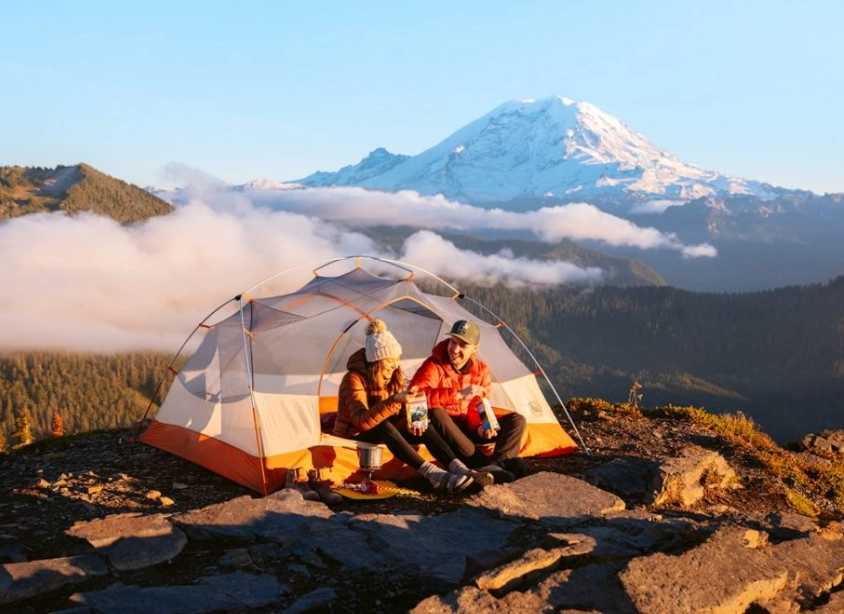
- Permits: Does the area require a backcountry permit? For popular spots like Yosemite or the Enchantments, these can sell out months in advance. Check the managing agency's website (e.g., Recreation.gov for many federal lands).
- Water: Is there flowing water on the trail, or do you need to carry it all? If there's water, you need a filter. I prefer the Sawyer Squeeze for its simplicity, but a pump filter works too.
- Weather: Don't just check the forecast for the nearest town. Mountain weather is fickle. Look at elevation-specific forecasts and prepare for the worst, especially rain and temperature drops at night.
- Bear Safety: Are you in bear country? This dictates if you need a bear canister (often required) or just a simple food hang. Rangers are the best source for this info—call the ranger station.
Pro Tip from a Ranger: "Most first-timers underestimate how slow they'll hike with a full pack. Plan for 1.5 to 2 miles per hour on moderate terrain, less if it's steep. Always have a 'bail-out' point or an easier alternative route in mind."
The Backpacking Gear List: Essentials, Not Extras
The goal is to carry everything you need to be safe and comfortable, and nothing you don't. Weight is the enemy. We'll break this into the "Big Three" and the supporting cast.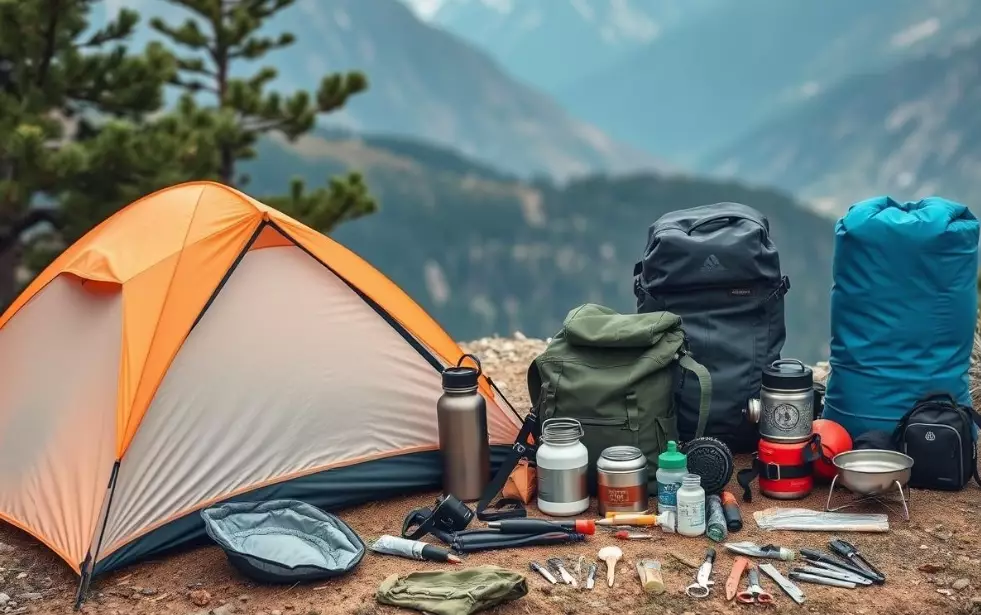
The Big Three: Pack, Shelter, Sleep System
These items make up most of your pack's weight and cost. You don't need the lightest, most expensive stuff, but you need reliable.
| Item | Beginner-Friendly Options | Key Considerations | Weight Range |
|---|---|---|---|
| Backpack | Osprey Atmos AG 65, Gregory Baltoro 65 | Get fitted at a store. A 50-65 liter pack is ideal for starters. The hip belt should carry 80% of the weight. | 3 - 5 lbs |
| Shelter (Tent) | REI Co-op Half Dome 2+, Big Agnes Copper Spur HV UL2 | A 2-person tent is cozy for one, perfect for two. Freestanding is easier for beginners. Look for good ventilation. | 3 - 5 lbs |
| Sleep System | Sleeping Bag (Kelty Cosmic 20), Pad (Therm-a-Rest NeoAir XLite) | The bag's temperature rating is a survival limit, not comfort. A sleeping pad's R-value measures insulation from the ground—aim for R-3+ for three-season use. | 3 - 6 lbs |
My first tent was a 7-pound monster. Upgrading to a 3-pound model changed everything—less fatigue, more happiness.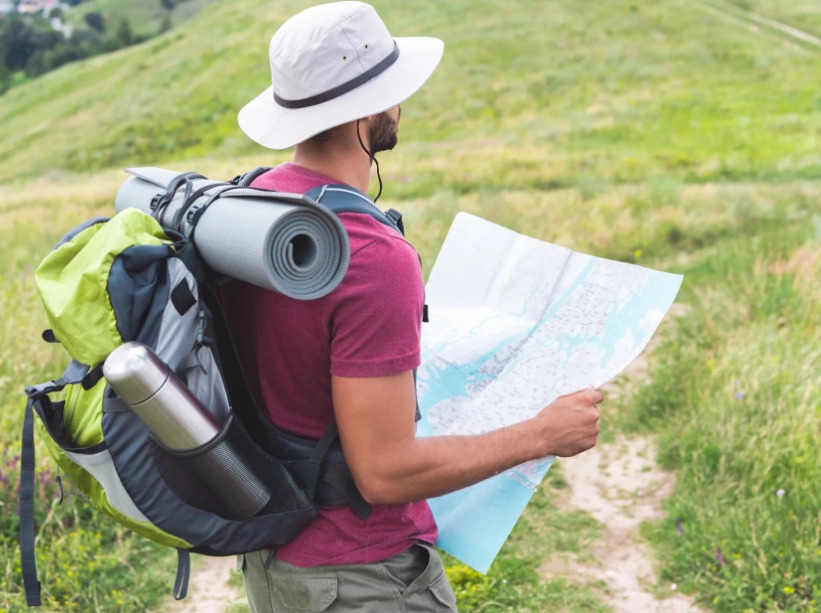
The Supporting Cast: Clothing, Kitchen, and Everything Else
This is where "packing your fears" adds weight. Stick to this mantra: Cotton kills, layers are life.
- Clothing: Merino wool or synthetic base layers. A insulating mid-layer (fleece or puffy). A waterproof & breathable rain shell. Quick-dry hiking pants/shorts. Extra socks. Never wear cotton—it holds moisture and sucks heat from your body.
- Kitchen: A lightweight canister stove (like the MSR PocketRocket 2), a single pot, a spork, and a lighter. Plan simple, just-add-water meals from brands like Mountain House or Backpacker's Pantry.
- Water: Filter (Sawyer Squeeze) and containers (two 1-liter Smartwater bottles are light and durable).
- Essentials: Headlamp, first-aid kit, map & compass (and know how to use them), knife, sun protection, toilet kit (trowel, biodegradable TP, hand sanitizer).
Mastering Camp Skills: From Pitch to Pack-Out
You've arrived at camp. Now what? Setting up efficiently means more time to enjoy the sunset.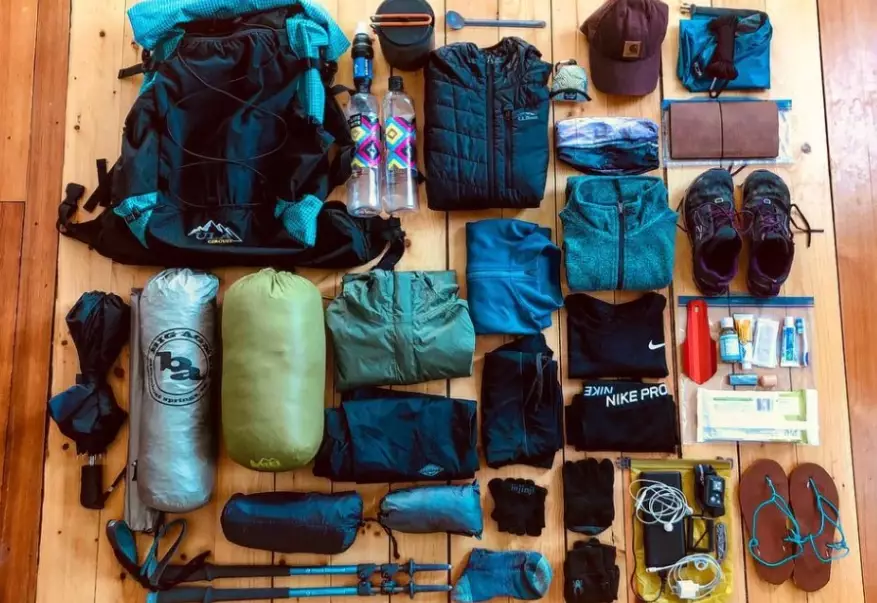
Setting Up a Leave-No-Trace Camp
Find a durable surface—an established tent pad, rock, or bare ground. Never trench around your tent. Pitch your tent before it gets dark. Practice at home first. I've seen too many people struggle with unfamiliar poles as mosquitoes feast.
Cooking: Cook away from your tent (at least 100 feet if in bear country) and away from water sources. Clean your pot with a little water and a scrubby—no soap in lakes or streams. Drink the cleaning water.
The Bear-Muda Triangle
This is a crucial, non-negotiable safety practice in bear country. Imagine a triangle with points about 100 yards apart.
- Point 1: Your tent, where you sleep.
- Point 2: Your kitchen, where you cook and eat.
- Point 3: Your food storage, where you hang your bear bag or place your canister.
Keep these three areas separate. Smells attract wildlife. You don't want a curious bear associating your tent with a snack bar.
Safety and Navigation: Don't Get Lost
Your phone will die. GPS units can fail. Paper maps and a compass don't need batteries.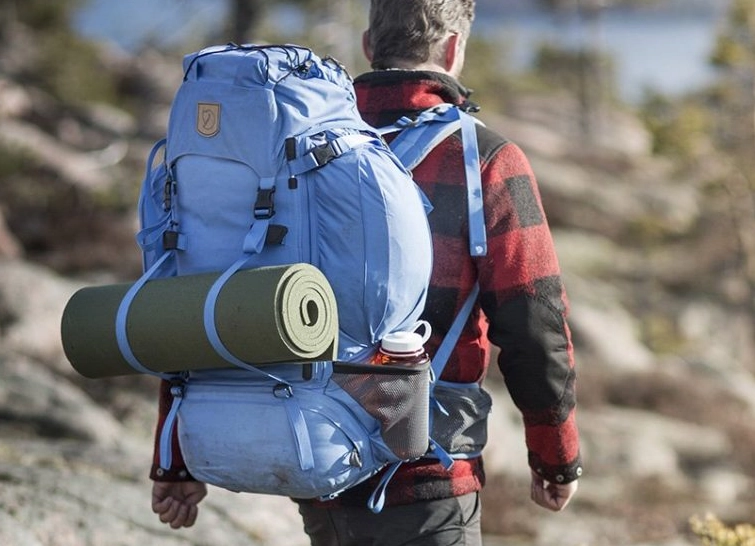
Basic Map and Compass Skills
Before you go, orient your map. Match the north on the map to north in reality. Trace your planned route with your finger, noting landmarks like stream crossings or distinct peaks. As you hike, periodically "thumb" your map—keep your current location under your thumb. This simple habit keeps you constantly aware of where you are.
When Things Go Wrong
If you feel lost, STOP (Stop, Think, Observe, Plan). Don't wander. Retrace your steps to the last known point on your map. If you're truly disoriented and it's getting late, staying put in a safe location is often smarter than moving in the dark. Always tell someone your detailed itinerary and expected return time.
A Personal Rule: I carry a small, lightweight emergency bivy sack (like the SOL Emergency Bivvy) in my first-aid kit. It weighs a few ounces and can reflect 90% of your body heat. It's the cheapest life insurance you'll ever buy.
Backpacking Camping FAQ: Real Questions, Expert Answers
The trail is the best teacher. Start small, be prepared, and embrace the learning curve. That first sip of coffee as the sun hits your tent, earned by your own effort, is a feeling that never gets old. Now go plan your trip.