Let's be real. The idea of camping for relaxation sounds perfect—until you're spending two hours wrestling with a tent in the rain or realize you forgot the coffee. I've been there. I used to treat camping like a military expedition, with spreadsheets and 50-pound packs. It was exhausting. It took me years to figure out that the goal isn't to conquer nature, but to let it soothe you. True relaxation camping is about intentional simplicity. It's swapping the dopamine hits of notifications for the slow, deep calm of a crackling fire and a sky full of stars. This guide is about how to actually achieve that, avoiding the common pitfalls that turn a potential getaway into a stressful chore.
Your Quick Guide to Relaxing Camping
Why Camping Actually Works for Stress Relief (It's Science, Not Just Vibes)
This isn't just a feeling. Research backs it up. A study often cited by the National Park Service highlights the mental health benefits of time in nature, including reduced rumination (that obsessive negative thinking) and lowered cortisol levels. When you camp for relaxation, you're engaging in a form of natural therapy.
Think about your average week. Sensory overload. Constant decisions. The blue light from screens messing with your sleep. Camping strips most of that away.
The rhythm changes to sunrise and sunset. Your biggest decision might be whether to hike to the lake or read in the hammock. This forced simplicity is the reset button your brain craves. It's not passive; it's an active form of recovery. You're not just sitting still—you're engaging with an environment that demands less from your prefrontal cortex and more from your senses.
How to Choose the Perfect Relaxation-Focused Campsite
Location is everything. A crowded, noisy campground next to a highway is not going to cut it. You need to be strategic. Forget just picking the first available spot on a booking site.
Here’s what to look for, in order of importance:
- Soundscape: This is non-negotiable. Look for phrases like "secluded," "walk-in sites," or "no generator zones." State parks and national forests often have quieter loops away from the main RV areas. Read recent camper reviews and listen for complaints about noise.
- Natural Features: A site with a water view (lake, river, pond) or nestled in mature trees provides an instant calming focal point. The sound of water is a natural white noise machine.
- Privacy: How close are the neighbors? Can you see their tent from yours? Sites with natural vegetation barriers are gold. Platforms like Hipcamp often feature private land with only one or two sites.
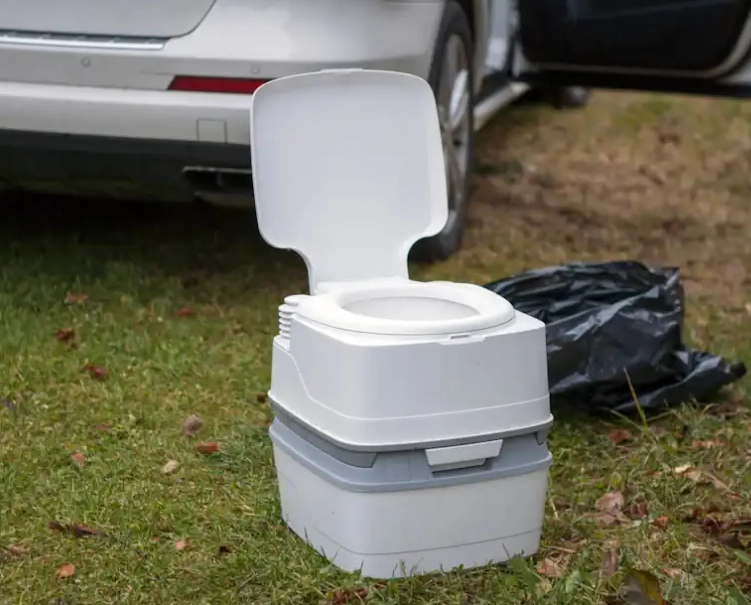
- Amenities (The Right Kind): For relaxation, you want just enough. A clean pit toilet or vault toilet nearby is good. A potable water spigot saves you from hauling gallons. A fire ring is essential. You probably don't need a playground, a camp store blaring music, or full hookups.
My personal strategy? I aim for mid-week trips (Tuesday-Thursday) at non-peak seasons. You'll have your pick of sites and encounter far fewer people. A Sunday-to-Monday trip can also work wonders.
The Relaxation Camping Gear Philosophy: Less is More
Your gear can either enable relaxation or sabotage it. The goal is comfort without complexity. I'm not saying go ultralight and suffer, but I am saying critically evaluate every item. Does it serve the mission of peace, or is it just "camping stuff" you think you need?
Here’s a minimalist yet comfortable checklist for a 2-3 night relaxation trip:
| Category | Essential Item | Why It's Key for Relaxation |
|---|---|---|
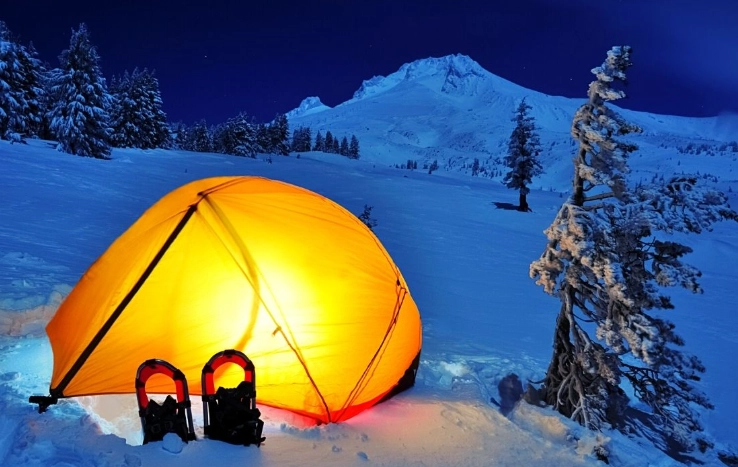
| Shelter & Sleep | Easy-pitch tent, high-R-value sleeping pad, cozy sleeping bag/liner | A frustrating tent setup kills the mood instantly. Invest in one you can pitch in 5 minutes. Sleep is the cornerstone of recovery—prioritize a pad that's actually comfortable for side-sleepers. |
| Seating & Lounging | Comfortable camp chair with back support, portable hammock | You will spend hours sitting. A cheap chair that digs into your back is torture. A hammock is a pure relaxation multiplier for afternoon naps and reading. |
| Kitchen & Food | Simple stove, one pot, pre-prepped meals, insulated mug | Complex meals lead to cleanup stress. Pre-chop veggies, pre-mix spices. The joy of a hot drink in a good mug while watching the morning mist is unparalleled. |
| Ambiance & Comfort | Reliable headlamp (red light mode), warm layers, small blanket, journal/book | Red light preserves night vision and doesn't kill the peaceful atmosphere like white light. Being cold is miserable—pack that extra fleece. A physical book, not a tablet. |
The biggest gear mistake I see? People bringing "entertainment" like Bluetooth speakers. Please, don't. The natural soundscape is your entertainment. If you must have sound, use headphones.
Crafting Your "Anti-Itinerary" Schedule
You need a loose plan, but it should feel like a gentle suggestion, not a to-do list. The structure exists to prevent decision fatigue, not create it.
Here’s what a perfect, relaxed two-day camping schedule might look like:
Day 1: Arrival and Unwinding
Afternoon: Arrive, take your time setting up camp. Don't rush. Once the tent is up, that's it for chores. Make a cup of tea or coffee and just sit in your chair for 20 minutes. Literally do nothing but observe.
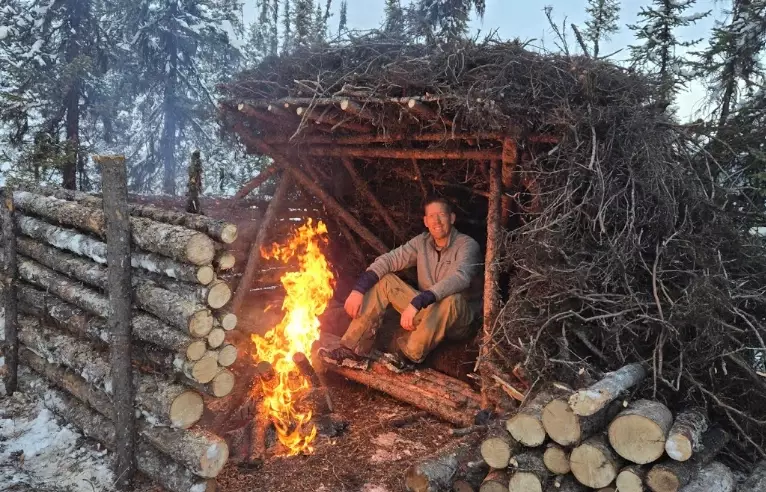
Evening: Cook the simplest dinner you brought. As dusk falls, start a fire (if permitted and safe). This is the prime time. No phones out. Just watch the flames, listen to the night insects wake up, maybe identify a constellation or two.
Night: Go to bed when you feel tired, not when a clock says you should.
Day 2: Flowing with the Day
Morning: Wake naturally. Have a slow breakfast. Maybe take a short, aimless walk around the campground loop without a destination. The point is movement, not achievement.
Mid-day: This is hammock or lakeside reading time. Or maybe a short, easy hike with frequent stops to look at moss or rocks. The pace is glacial.
Afternoon: Feel like a nap? Nap. Feel like sketching a tree? Do that. The key is to have 2-3 low-energy options in mind and let your mood choose.
See the pattern? It's about creating spacious, unstructured time. The only fixed points are meals and sunset.
Mindful Practices to Try Once You're There
If sitting still feels awkward, these are not chores, but gentle anchors for your attention.
Five-Senses Check-in: When you first sit down, run through your senses. What are five things you see? Four things you hear? Three things you feel (sun, breeze)? Two things you smell? One thing you taste? It roots you instantly.
Fire Gazing: It's cliché because it works. Instead of staring at a screen, stare at the fire. It's a dynamic, ever-changing visual that requires no thought to process. It's meditation for people who think they can't meditate.
The Slow Walk: Pick a 50-foot path. Walk it slower than you've ever walked. Feel each foot roll from heel to toe. Notice the tiny pebbles, the different leaves. It turns a mundane act into a full-body experience.
I learned this the hard way: if you try to force relaxation, it runs away. These practices are just doors. Walk through if you feel like it.
Expert Answers to Your Relaxation Camping Questions
The real secret to camping for relaxation isn't in a gear list or a perfect location, though they help. It's in the permission you give yourself to do nothing of consequence. To watch a cloud move across the sky and consider it time well spent. It's about resisting the urge to document every moment for social media and instead, soaking it into your bones. Start small, be kind to yourself, and remember: the woods don't care about your productivity. They're just there, waiting to help you remember how to breathe.