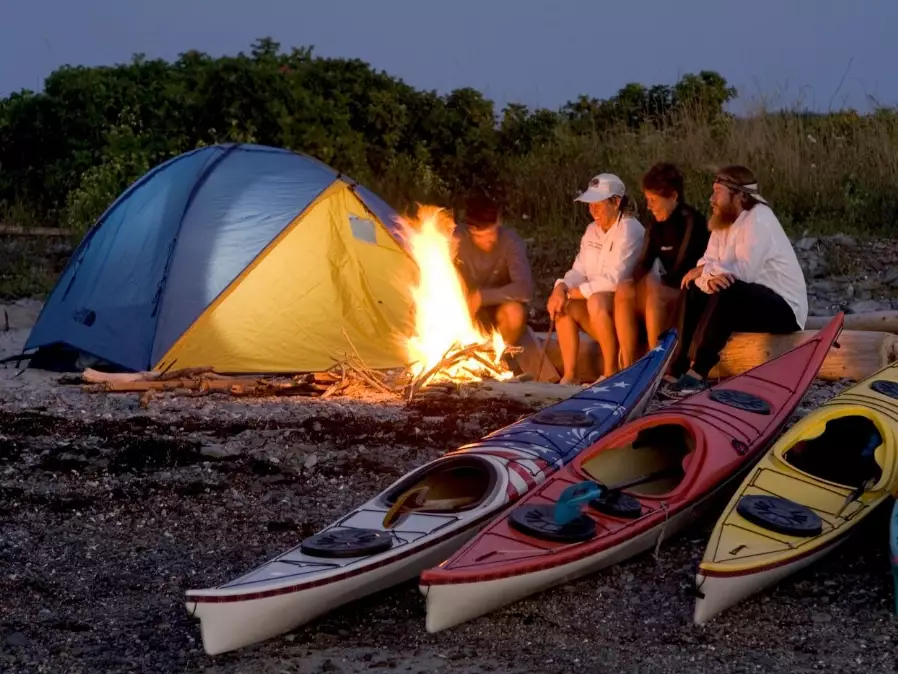
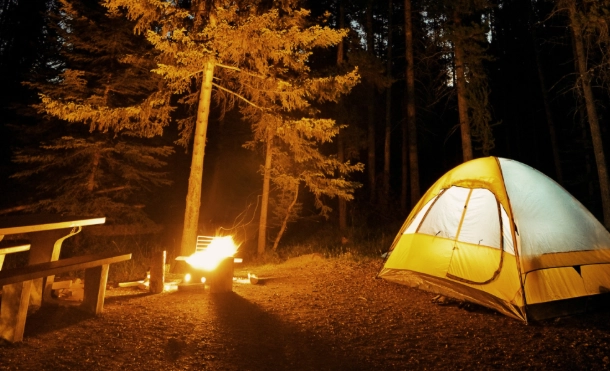
You've got the tent, the sleeping bag, maybe even a fancy stove. But something's missing. Planning every trip alone is getting old, and convincing friends to brave the bugs and weather feels like a part-time job. That's where camping clubs come in. Forget the stuffy image of secret handshakes and rigid rules. Modern camping clubs are about shared campfires, split gas costs, and having someone to laugh with when you forget the tent poles. This isn't just about finding people to camp with; it's about unlocking a whole new level of outdoor experience.
Your Quick Trail Map to This Guide
What Exactly Are Camping Clubs and Why Join One?
Let's cut through the jargon. A camping club is simply a group of people who organize regular outdoor trips together. Period. Some are huge national organizations with thousands of members, like the Family Campers and RVers (FCRV) or the Loners on Wheels for solo RVers. Others are hyper-local Facebook groups that plan weekend getaways to state parks. The structure varies wildly, but the core idea is community.
Why bother? The benefits go way beyond just having company.
Shared Knowledge & Safety: New to backcountry navigation? Someone in the club has done it. Worried about bear safety? A seasoned member can walk you through proper food storage. This collective wisdom is a safety net you can't buy.
Access to Better Gear and Sites: Clubs often get group discounts on campgrounds or permits for hard-to-book locations. I've been on trips where one member brought a massive communal canopy for rain, another had a professional-grade coffee setup, and a third had a satellite communicator for emergencies. As an individual, owning all that is costly and impractical.
Reduced Costs & Logistics: Carpooling slashes fuel costs. Meal planning as a group means you're not packing seven cans of beans for yourself. It's cheaper and less wasteful.
The Motivation Factor: It's easy to bail on a solo trip when the forecast looks iffy. When you've committed to a group, you're more likely to go—and you're almost always glad you did.
Here's the subtle mistake I see most often: people join a club looking only for adventure buddies, but they overlook the logistical and safety infrastructure a good club provides. That's the real gold.
How to Find and Choose the Right Camping Club for You
Typing "camping clubs near me" into Google is a start, but it's a shallow one. The best clubs aren't always the most SEO-optimized. You need to dig.
Where to Look Beyond Google
- Meetup.com: Still a powerhouse for activity-based groups. Search for "camping," "backpacking," "RV," or "overlanding" in your city.
- Facebook Groups: Search "[Your City] Camping" or "[Your State] Hiking and Camping." These are often less formal but very active.
- REI Co-op Classes/Events: Their in-store events sometimes attract local club organizers or can be a great place to meet like-minded people.
- Specialty Forums: For niche interests. Overlanding? Check Expedition Portal. Canoe camping? Try Paddling.com.
- Local Outdoor Retailers: Small, independent gear shops often have bulletin boards with club flyers.
Evaluating a Club: Your Checklist
Found a few options? Don't just look at their photo albums. Ask these questions before you commit:
| What to Ask/Check | Why It Matters | Red Flags |
|---|---|---|
| Activity Level & Pace | Does the club do 10-mile backpacking trips or mostly car camping with coolers? Match their energy to yours. | Vague descriptions like "all levels welcome" without specifying typical trips. |
| Member Demographics | Is it mostly retirees in RVs, young families, or hardcore 20-something backpackers? You want peers you'll connect with. | None inherently, but a mismatch can make you feel out of place. |
| Communication Style | How are trips planned? A clear calendar vs. last-minute chaotic texts makes a huge difference. | No clear point of contact or consistent method for organizing. |
| Fees & Structure | Annual dues? Trip fees? Understand what you're paying for (insurance, website, permits). | Unclear or constantly changing fee structures. |
| Safety & Inclusivity Stance | Do they have a stated policy on safety protocols (e.g., buddy system, first-aid requirements)? Is there a code of conduct? | Dismissive attitudes towards safety questions or lack of any guidelines. |
My advice? Attend a single meet-up or day trip as a guest first. The vibe in person tells you more than any website. See how they handle a minor setback, like a sudden change in weather. That's character.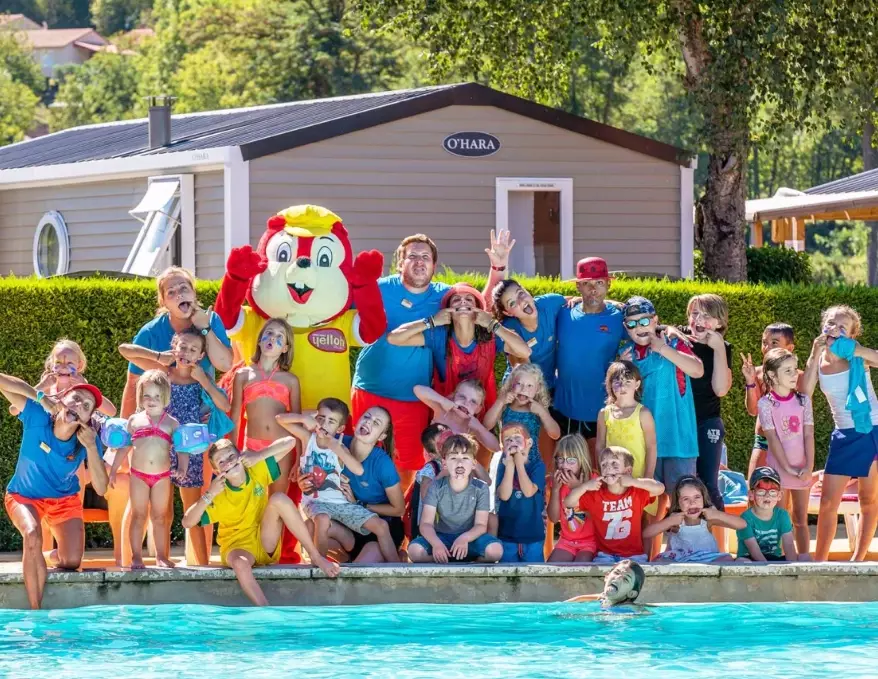
What Are the Common Types of Camping Clubs?
Not all camping clubs are created equal. Picking the right type is half the battle. Here’s a breakdown from the broad to the niche.
1. The General Social/Community Club: This is your classic "camping club near me" result. They might be called "[City] Outdoor Adventurers" or "[Region] Camping Group." Focus is on accessibility and socializing. Trips are often car-camping at state parks, with potlucks and group games. Perfect for beginners, families, or those who prioritize community over extreme challenge.
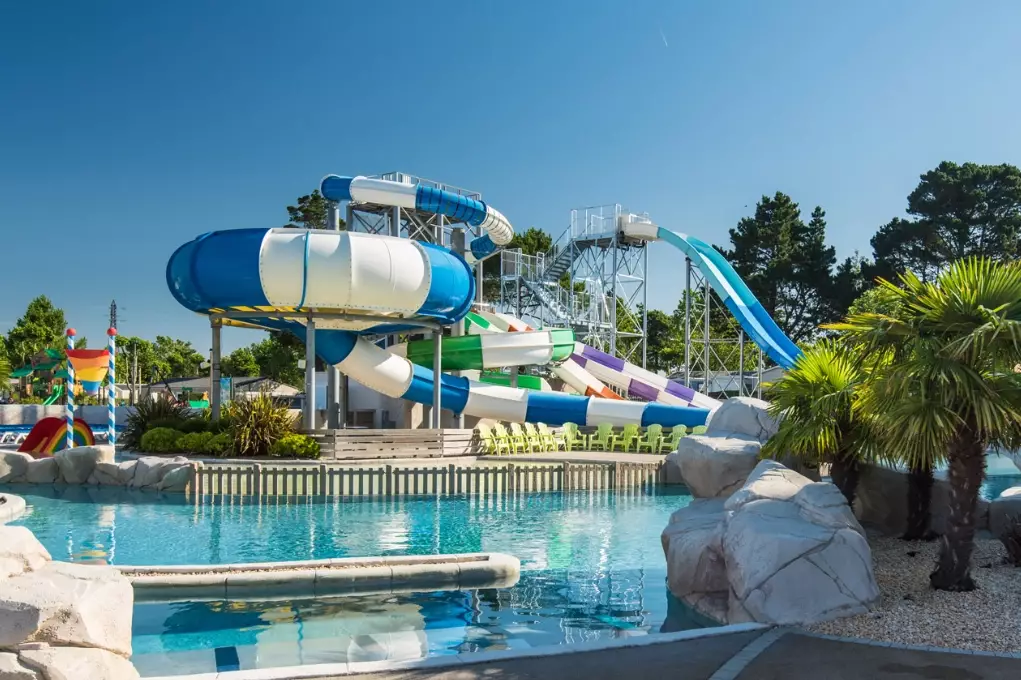
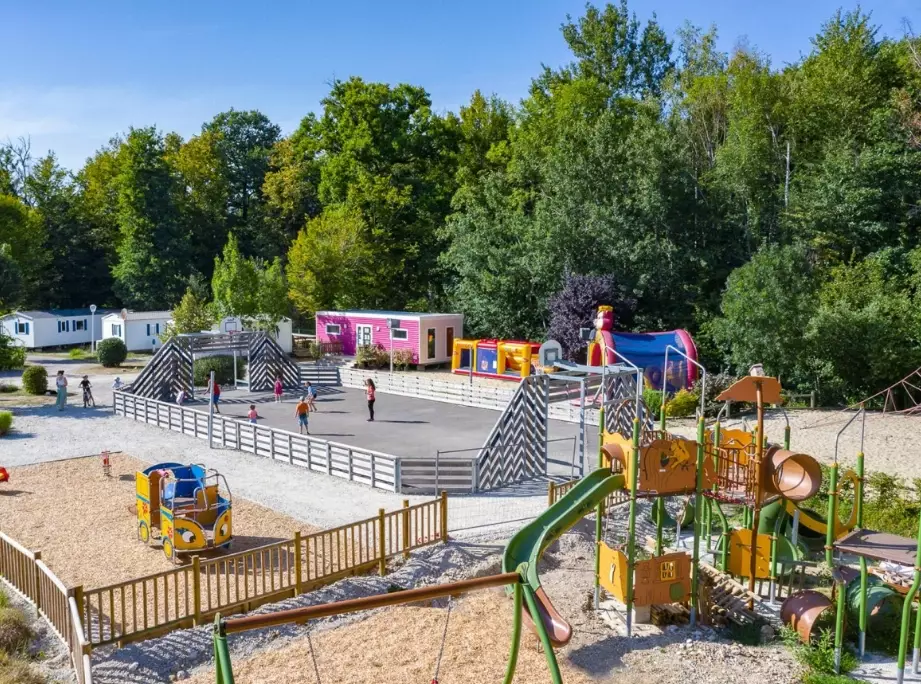
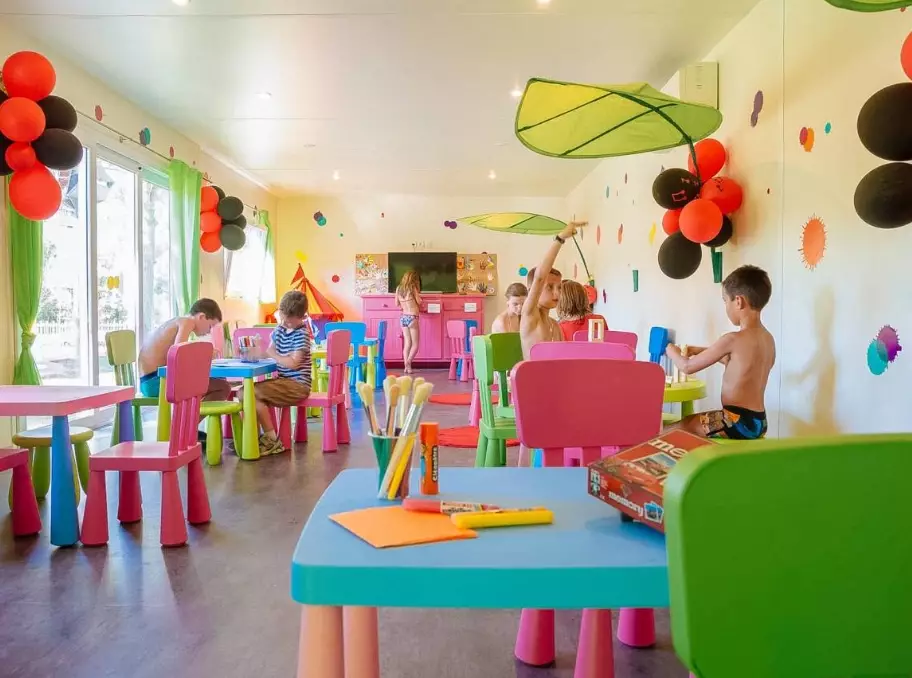
2. Family-Centric Camping Clubs: Organizations like Family Campers and RVers (FCRV) are built for this. They plan trips with kids in mind—think campgrounds with playgrounds, swimming pools, and planned activities for different age groups. The huge benefit is your kids make camping friends, which makes them beg to go again. The downside can be that trips are rarely off the beaten path.
3. Activity-Specific Clubs: Backpacking Clubs: Lightweight gear, mileage goals, and remote destinations. Often require a vetting process for harder trips. RV/Camper Van Clubs: Like the Escapees RV Club, they focus on amenities, park discounts, and a mobile community. Great for snowbirds or full-timers. Canoe/Kayak Camping Clubs: Everything revolves around waterways. If you love paddling to your site, this is your tribe.
The Solo Camper's Secret: Clubs specifically for solo campers, like some chapters within larger organizations or dedicated Facebook groups, are a game-changer. They directly address the core痛点 of safety and companionship for those who travel alone but don't want to be lonely or unsafe. They often have explicit systems for checking in on each other.
4. Identity or Affinity-Based Clubs: These are growing fast. Groups for women-only, LGBTQ+ campers, or Black hikers and campers (like the inspiring Outdoor Afro network). They provide a crucial sense of belonging and shared experience that makes the outdoors more welcoming.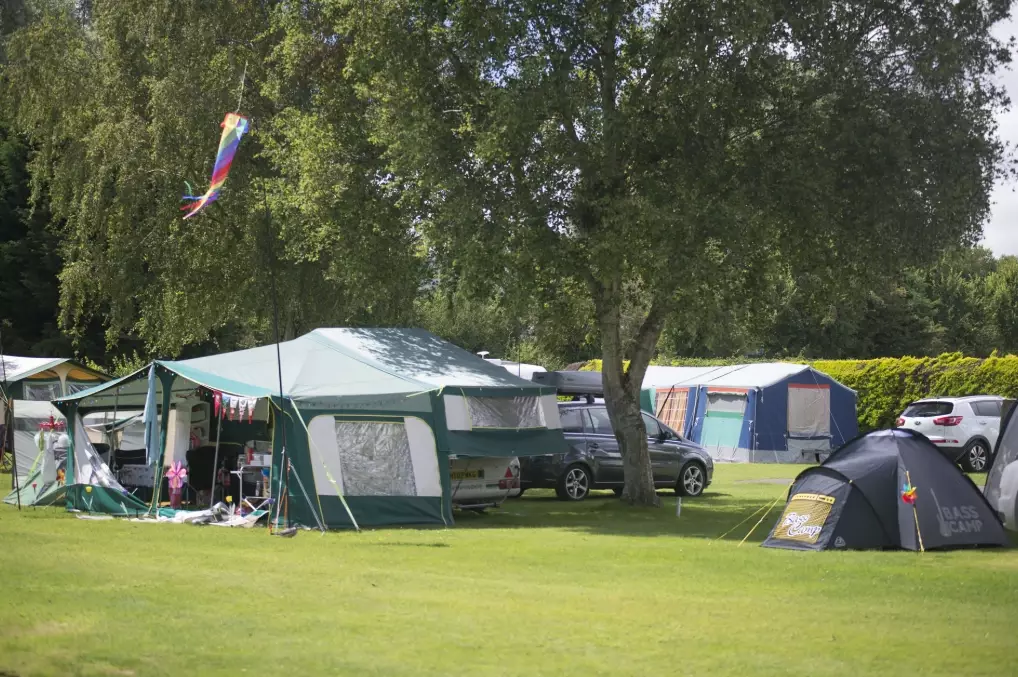
How Do You Start Your Own Camping Club?
Can't find the right fit? Build your own. It's less daunting than it sounds. I helped start one eight years ago that's still going strong. Here’s the real-world blueprint, not the theoretical one.
Step 1: Define Your Niche & Core Rules. Be specific. "People who like camping" is too broad. Try "Intermediate backpackers in the Denver area who want to tackle 2-3 night trips in the Rockies, prioritizing Leave No Trace principles." Write down 3-5 simple rules: e.g., "Members must carry their own gear," "No dogs on group trips," "RSVP deadline is 72 hours before departure."
Step 2: Find Your First 5 Members. Don't aim for 50. Start tiny. Post in one focused Facebook group or forum. Be transparent: "Starting a new group for X, our first trip will be Y. Looking for 4-5 committed people." Quality over quantity.
Step 3: Plan & Execute the First Trip Meticulously. Choose a familiar, moderate-difficulty location. Communicate EVERY detail: exact meet time/place, required gear list, anticipated costs, weather plan, emergency contact. Assign one small, clear responsibility to each person (e.g., "Alex, you're in charge of the communal first-aid kit."). This builds investment.
Step 4: Formalize (Just a Little) After 2-3 Successful Trips. Create a simple WhatsApp or Signal group for core members. Set a loose schedule (e.g., "We'll try to plan one trip per month"). Discuss and agree on how to handle money (usually just splitting campground fees on the spot). The key is to keep bureaucracy at zero. The moment it feels like work, people fade away.
The biggest mistake new founders make? Trying to accommodate everyone's preferences from day one. You'll burn out. Set a clear vision, attract people who align with it, and let it grow organically.
Your Camping Club Questions, Answered
I'm a solo female camper. Is a camping club actually safer for me than going alone?
My family is interested, but our kids are young (4 and 6). Are family camping clubs just chaotic?
 I'm not very experienced or don't have top-tier gear. Will I be judged in a club?
How do clubs handle the financial side—are members liable if someone gets hurt?
 The path to better camping isn't just a better tent. It's better people around that tent. Whether you find a ready-made community or build your own, a camping club transforms the activity from a hobby into a cornerstone of your social and adventurous life. Stop just planning trips. Start building campfire memories with a crew that gets it.