What You'll Learn in This Guide
There's nothing like a hot cup of coffee to start your day in the wilderness. But let's be honest—most camping coffee is terrible. Weak, bitter, or just plain off. After ten years of trial and error, from backcountry trips to car camping, I've nailed down how to make coffee that rivals your favorite café, even miles from an outlet. This guide cuts through the hype and gives you the real deal on gear, methods, and the sneaky mistakes that ruin your brew.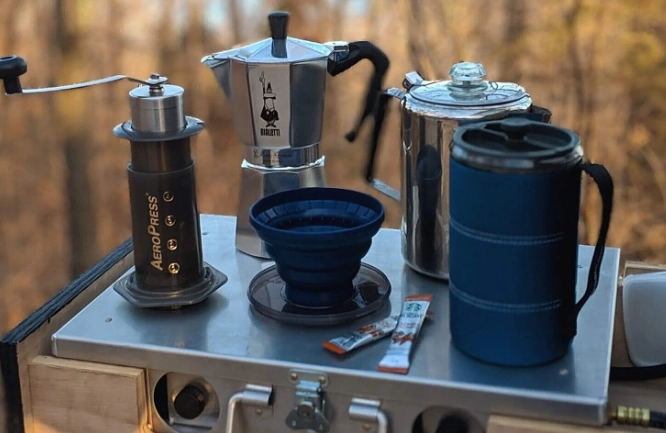
I remember one early morning in the Rockies. I was using a cheap percolator, and the coffee tasted like burnt tires. My friend joked it was "camping fuel." That's when I decided to figure this out. Now, I'll show you how to avoid that fate.
Why Camping Coffee Matters More Than You Think
It's not just about caffeine. Good camping coffee sets the tone for your day. It's a ritual—a moment of comfort in the rough. When you're cold and tired, a well-brewed cup can boost morale more than you'd expect.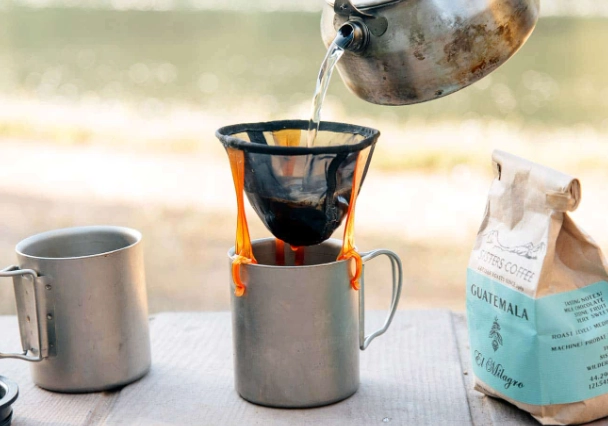
But here's something most guides miss: camping coffee isn't a luxury. It's a practicality. If you rely on instant coffee, you're often stuck with high sodium and artificial flavors. Learning to make real coffee outdoors means better taste and fewer packaged goods, which aligns with sustainable camping trends.
Think about it. You're already carrying gear. Why not make it count? A little effort upfront saves you from mediocre sips later.
Essential Gear for Camping Coffee: From Basic to Pro
You don't need a fancy setup. Start with the basics and add as you go. I've seen campers overload with gadgets they never use. Let's keep it simple.
The Portable Coffee Maker Showdown: French Press vs. AeroPress vs. Pour-Over
French Press: Durable, simple, and great for groups. It's my go-to for car camping. But it can be bulky and requires coarse grind. Cleanup involves dealing with grounds—pro tip: pack a small brush.
AeroPress: Lightweight, compact, and versatile. Perfect for backpackers. It makes a clean, strong cup. The downside? It uses paper filters (though reusable ones exist). I've taken mine on multi-day hikes—it fits in a mug.
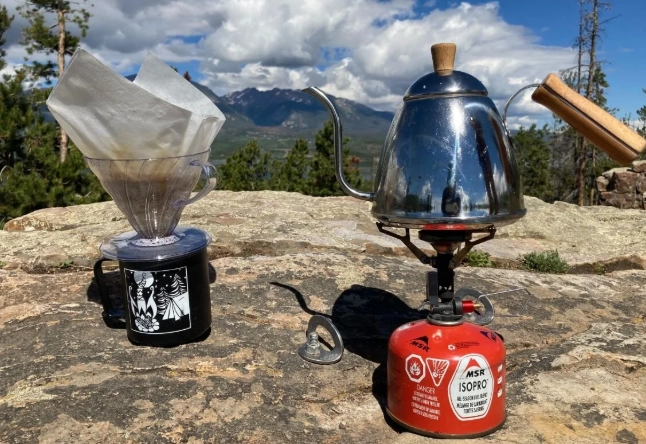
Pour-Over Cone: Super light, but you need a steady hand and extra gear like a kettle and filter. It's finicky in wind. Good for solo travelers who enjoy the process.
I avoid those all-in-one camping coffee makers that promise espresso. They often break or underperform. Stick with what's proven.
Don't Forget These Often-Overlooked Accessories
A good kettle is key. I use a lightweight stainless steel one with a pour spout—it heats fast on a camp stove. Don't skimp here; a poorly designed kettle leads to spills and uneven heating.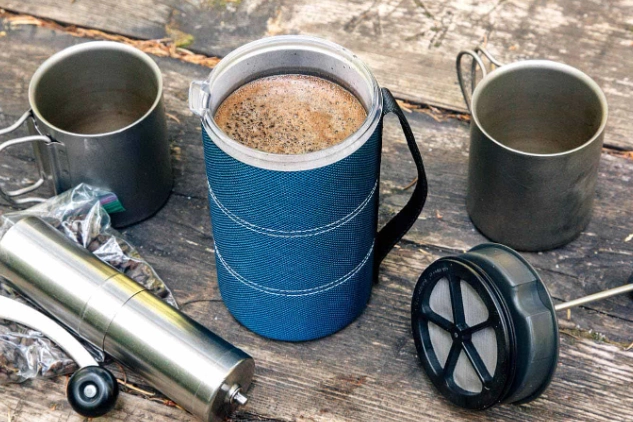
Scale? Not necessary for everyone, but if you're serious, a pocket scale helps with consistency. I started without one and my coffee was hit or miss. Now I measure by weight, and it's a game-changer.
Thermos or insulated mug. This is non-negotiable. Coffee cools fast outdoors. I learned the hard way with a thin metal mug—my coffee was lukewarm in minutes. Get a double-wall stainless steel one.
Pro Tip: Pack a small cloth or towel for wiping gear. Coffee grounds attract ants and bears in some areas. Clean as you go.
How to Make Great Camping Coffee: Step-by-Step Methods
Let's get practical. Here are two methods I use most, with steps you can follow even half-awake.
The Foolproof French Press Method for Campers
Heat water to just below boiling—around 200°F (93°C). If you don't have a thermometer, bring it to a boil and let it sit for 30 seconds. Too hot, and you'll burn the coffee.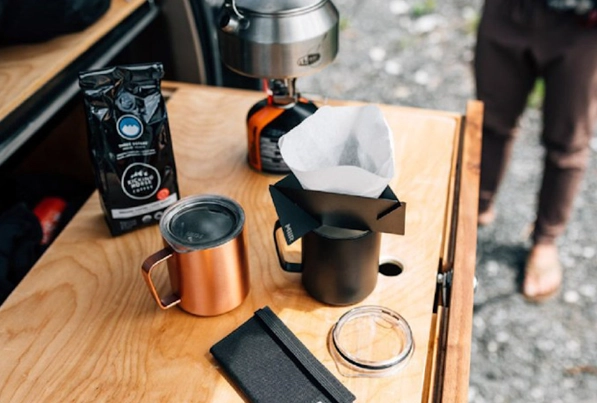
Add coarse-ground coffee. Ratio: 1 part coffee to 15 parts water. For a 16-oz press, that's about 30 grams of coffee. Eyeball it? Use two heaping tablespoons.
Pour water over grounds, stir gently, and put the lid on. Don't press yet. Let it steep for 4 minutes. Use this time to pack up your tent or enjoy the sunrise.
Press slowly. If it's hard to press, your grind is too fine. Pour immediately into your mug. Leaving it in the press makes it bitter.
I've made this in rain and wind. It works. Just shield the press from gusts.
Mastering the AeroPress on a Camp Stove
This is my backpacking favorite. It's faster than a French press.
Heat water to 175-185°F (80-85°C). AeroPress likes it a bit cooler. Again, boil and wait a minute.
Assemble the AeroPress in the inverted method: put the plunger in slightly, flip it upside down, add fine-ground coffee (about 17 grams), then pour water to the top. Stir for 10 seconds.
Let it steep for 1-2 minutes. Place the filter cap on, flip onto your mug, and press slowly. It should take about 30 seconds.
Cleanup is easy—pop the puck of grounds into a bag. No mess.
Why inverted? It prevents dripping before steeping. A small detail that improves flavor.
Coffee Beans and Grind: The Secret to Flavor in the Wilderness
This is where most campers go wrong. They buy pre-ground coffee or cheap beans. Bad move.
Choose fresh, whole beans from a local roaster if possible. Lighter roasts often have more complex flavors, but they're trickier to brew. For camping, I recommend medium roasts—they're forgiving and work well with various methods.
Grind size is critical. Too fine, and it over-extracts (bitter). Too coarse, and it under-extracts (weak). Match the grind to your method:
- French press: Coarse, like sea salt.
- AeroPress: Fine to medium-fine, like table salt.
- Pour-over: Medium, like sand.
Invest in a manual burr grinder. I use a Porlex Mini—it fits inside my AeroPress. Grind just before brewing. Pre-grinding saves time but sacrifices flavor. Coffee stales quickly after grinding.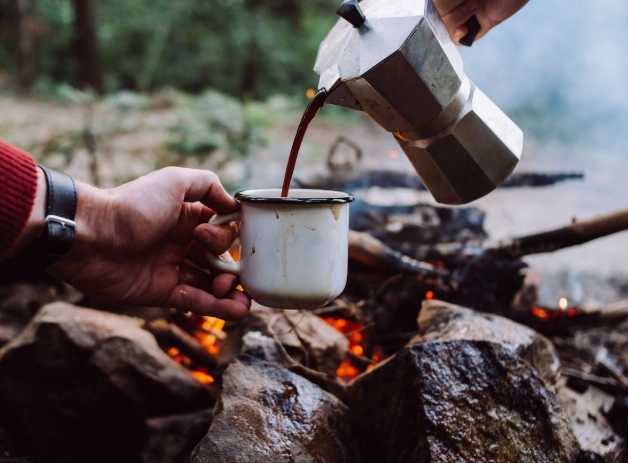
Storage matters too. Keep beans in an airtight container away from heat. I use a small Mason jar. Don't leave them in the car; temperature swings ruin the oils.
Watch Out: Avoid flavored beans. They can attract wildlife, and the artificial oils gunk up your gear.
Common Mistakes and How to Avoid Them (From a 10-Year Camping Coffee Veteran)
I've made every mistake in the book. Here's what to skip.
Using tap water from questionable sources. Coffee is mostly water. If your campsite water tastes off, your coffee will too. Bring filtered water or use a portable filter. I once used stream water without treating it—the coffee had a weird mineral taste.
Ignoring water temperature. Boiling water scorches coffee, leading to bitterness. Let it cool slightly. No thermometer? Boil, then wait 30-60 seconds. It's a simple fix that improves taste dramatically.
Overcomplicating the process. New campers often buy elaborate kits with multiple parts. Keep it minimal. More gear means more to clean and lose. Start with one method and master it.
Not practicing at home. Try your setup in the backyard first. You'll discover issues—like a kettle that pours poorly or a grinder that's too slow. I learned this after a frustrating morning in the woods.
Forgetting about waste. Pack out your coffee grounds. They don't decompose quickly and can harm plants. I use a small reusable bag for grounds and filters.
These might seem small, but they add up. Good camping coffee is about attention to detail, not magic.
FAQ: Your Camping Coffee Questions Answered
Camping coffee doesn't have to be complicated. With the right gear, fresh beans, and a bit of practice, you can enjoy a fantastic cup anywhere. Start simple, learn from mistakes, and soon it'll become second nature. Happy brewing out there!