Key Insights
- The Core Mindset: Your Most Important Piece of Gear
- Before You Go: The Non-Negotiable Prep Work
- The Top 10 Skills for Wilderness Survival Camping
- The Wilderness Survival Camping Gear Guide: What You Actually Need
- Safety, Risks, and How to Handle Them
- Your Wilderness Survival Camping Questions, Answered
- Wrapping It Up: Your Next Step
Let's get something straight right off the bat. Wilderness survival camping isn't just regular camping where you forget the ketchup. It's a whole different animal. You're trading the comfort of a designated site, maybe even a picnic table, for the raw, unfiltered experience of nature, where you're the one responsible for everything. No ranger station around the corner, no cell service to bail you out. It's just you, your skills, and the wild.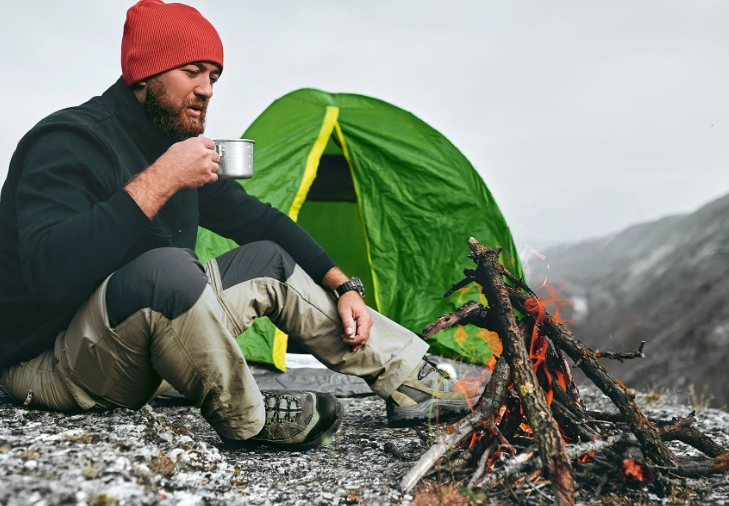
I remember my first serious attempt at wilderness survival camping. I was overconfident, packed too much of the wrong stuff, and spent a cold, miserable night realizing my fire-making skills were, frankly, pathetic. That humbling experience taught me more than any book ever could. This guide is what I wish I'd had before I headed out. It's not about becoming a Bear Grylls clone overnight. It's about building the practical knowledge and the right mindset to step into the backcountry with confidence, not just bravado.
The Core Mindset: Your Most Important Piece of Gear
Forget the fancy knife for a second. Your headspace is the first thing you need to pack. A panic-stricken mind makes terrible decisions. The goal of wilderness survival camping is to enjoy the profound self-reliance it offers, not to white-knuckle your way through a nightmare.
It boils down to two things: respect and psychology.
You have to respect the environment. This isn't a theme park. The weather can turn in minutes. Terrain can be deceptive. Animals are, well, wild. Checking resources like the National Weather Service for forecasts is a start, but respect means understanding that forecasts are guides, not guarantees. It means knowing that a dry creek bed can become a torrential river with rain miles away.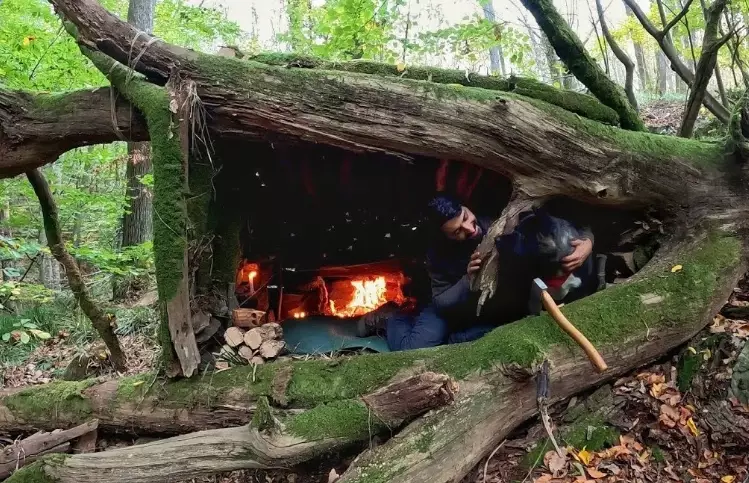
Psychologically, you need to embrace the "STOP" principle the moment things feel off. Stop. Think. Observe. Plan. Sitting down, drinking some water, and assessing your situation with a calm mind has prevented more disasters than any survival tool. The challenge of wilderness survival camping is as mental as it is physical.
Before You Go: The Non-Negotiable Prep Work
Jumping straight into the deep end is a bad idea. Preparation is what separates an adventure from a misadventure.
Research and Plan Your Route
This isn't just picking a spot on a map that looks pretty. You need to understand the area. What's the terrain like? Are there water sources? What are the specific regulations for that public land? The U.S. Forest Service or the National Park Service websites are goldmines for this info. Tell someone you trust your detailed plan: exactly where you're going, your route, and when you expect to be back. And then stick to it. This single step is the most critical safety net you have.
Gear Check and Physical Prep
Your body needs to be ready. A weekend of wilderness survival camping can be surprisingly taxing. Start with day hikes with a loaded pack. Break in your boots obsessively. There's nothing worse than crippling blisters miles from anywhere.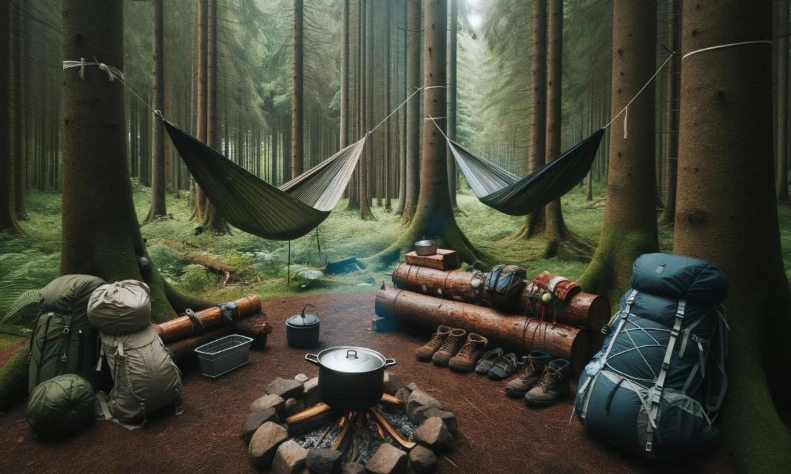
The Top 10 Skills for Wilderness Survival Camping
You can have all the gear in the world, but without these skills, it's just expensive dead weight. Focus on mastering these in a safe, controlled environment before you need them for real.
Firecraft: This is number one for a reason. Fire provides warmth, light, a way to cook, purify water, and a huge psychological boost. Don't just rely on a lighter. Learn how to use a ferro rod. Understand the fire triad: heat, fuel, oxygen. Practice building tiny fires with tinder (think birch bark, dry grass) you find, not just firestarter cubes. Can you get a flame going in damp conditions? That's the test.
Water Procurement & Purification: You can only live three days without water. Finding it is step one. Look for low ground, vegetation, animal trails. But finding it isn't enough. You must purify it. Boiling is the gold standard. A rolling boil for 1 minute (3 minutes at high altitude) kills pretty much everything. Chemical treatments (iodine/chlorine dioxide) or a quality filter are essential backups. I never go without at least two methods.
Shelter Building: Your clothing is your first shelter. After that, know how to use a tarp or emergency blanket to create a quick, weather-resistant lean-to. In a true pinch, knowing how to build a debris hut can be a lifesaver. The key is insulation from the ground and protection from wind and rain.
Navigation (Old School): GPS and phones fail. Batteries die. You must know how to read a topographic map and use a compass. Seriously. Take a course. Practice in a local park. Understanding contour lines tells you where the water is, where the cliffs are, and the easiest route. It's not optional for true wilderness survival camping.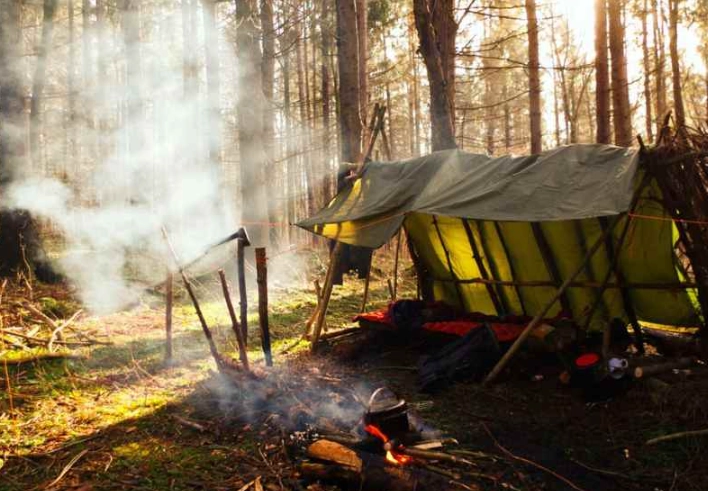
First Aid: Not just for cuts. You need to know how to handle blisters, sprains, hypothermia, heat exhaustion, and allergic reactions. A wilderness first aid course is a fantastic investment. Your kit is useless if you don't know how to use the stuff in it.
Knife Safety & Use: A good fixed-blade knife is your primary tool. Learn how to handle it safely, how to baton wood to make kindling, and how to carve simple tools. No wild swinging or trying to throw it—that's how you get hurt.
Basic Weather Prediction: Reading the sky is a lost art. Dark, lowering clouds? Wind shifting? A sudden drop in temperature? These are nature's warnings. The NOAA JetStream site has great resources on cloud formations and weather signs.
Food & Foraging (Cautiously): You can survive weeks without food, but it's miserable. Pack high-calorie, dense foods. As for foraging, unless you are 1000% certain of a plant's identity, DO NOT EAT IT. Mistaking hemlock for wild carrot is a fatal error. Focus on universal edibles like cattail roots or certain berries only after rigorous study with a field guide.
Signaling for Help: Three of anything is a universal distress signal: three fires, three piles of rocks, three whistle blasts. A whistle carries much farther than your voice. A small signal mirror can be seen for miles by search planes.
Mindset Maintenance: I'm listing it again because it's that important. Combat panic. Focus on small, manageable tasks. "Right now, I need to collect dry wood." Celebrate small wins. A positive attitude dramatically increases your chances.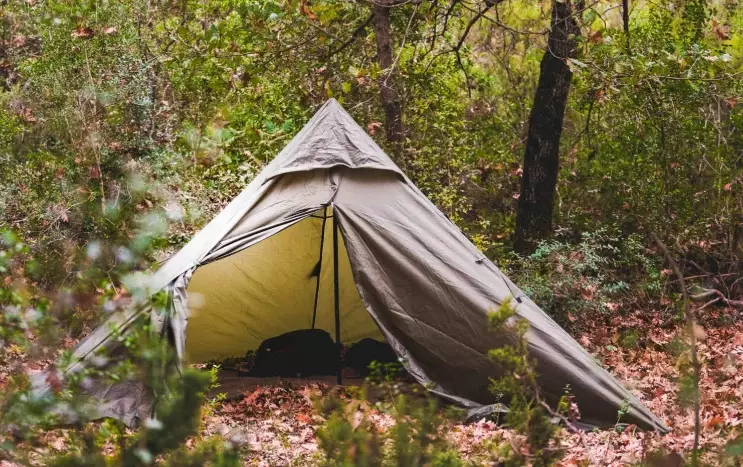
The Wilderness Survival Camping Gear Guide: What You Actually Need
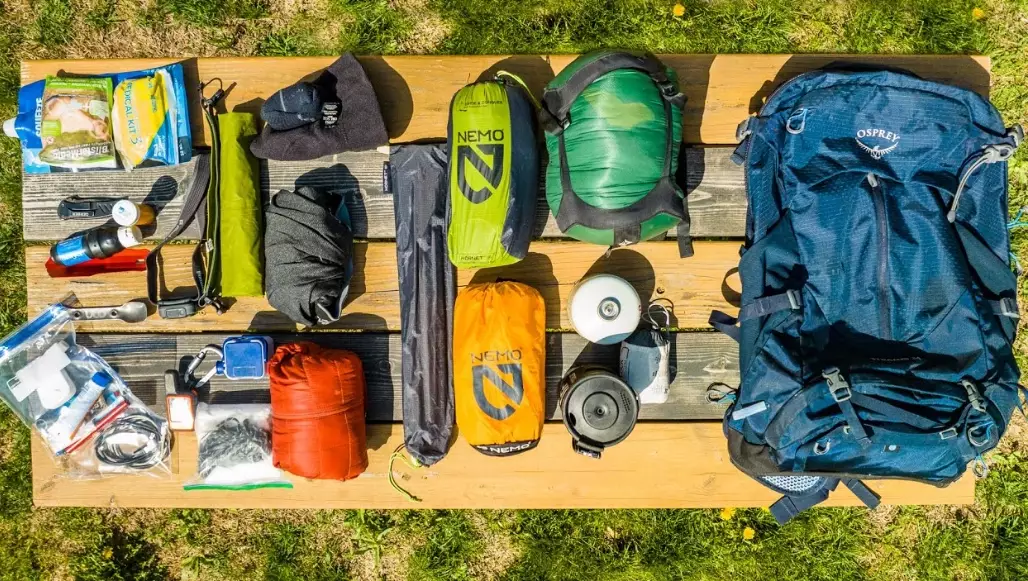
The outdoor industry wants to sell you everything. You don't need most of it. Here’s a breakdown by priority. Think of it as a pyramid: the stuff at the top is non-negotiable.
| Priority Tier | Item Category | Specific Examples & Notes | Why It's Critical |
|---|---|---|---|
| TIER 1: Survival Essentials | Navigation & Communication | Detailed topographic map, baseplate compass, whistle, fully charged power bank. GPS is a backup, not primary. | Prevents you from getting lost, allows you to call for help. |
| Water Procurement | Metal bottle (for boiling), reliable water filter/purifier (e.g., pump or squeeze), chemical backup tablets. | Dehydration is a fast and deadly threat. | |
| Fire Starting | Butane lighter (in a plastic bag), ferro rod, stormproof matches, cotton balls soaked in petroleum jelly as tinder. | Core survival need for warmth, water, and morale. | |
| Shelter & Warmth | Reliable tent/tarp, sleeping bag rated lower than expected temps, insulated sleeping pad, emergency space blanket. | Protection from hypothermia, the number one killer in the wild. | |
| First Aid | Custom kit including blister care, trauma pad, wrap, medications, needle/tweezers. Know how to use it all. | Manages injury and illness to keep you functional. | |
| TIER 2: Core Function | Cutting Tool | Fixed-blade knife (4-6 inch blade), folding saw, small multitool. | For processing wood, preparing food, making tools. |
| Illumination | Headlamp (with extra batteries), small backup flashlight. | Safety and functionality after dark. | |
| Nutrition | High-calorie foods (nuts, bars, dehydrated meals), portable stove/fuel, metal cup. | Maintains energy and mental clarity. | |
| TIER 3: Comfort & Efficiency | Clothing System | Moisture-wicking base layers, insulating mid-layer (fleece/puffy), waterproof/breathable shell, extra socks. | Layering manages body temperature and moisture. |
| Pack & Organization | Properly fitted backpack (50-70L), waterproof stuff sacks/dry bags. | Carries your gear comfortably and keeps it dry. | |
| Sun & Insect Protection | Sun hat, sunglasses, sunscreen, bug repellent (picaridin/deet), head net. | Prevents debilitating sunburn and insect-borne illness. |
My personal rule? Before adding a luxury item, I ask: "Does this directly help with shelter, water, fire, food, or first aid?" If not, it gets a hard look. That extra camp chair is nice, but it's heavy and doesn't keep you alive.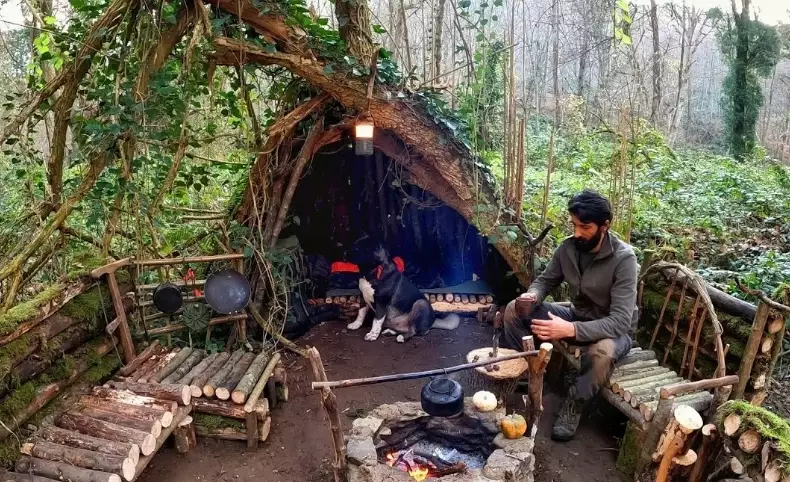
Safety, Risks, and How to Handle Them
Let's talk about the scary stuff so you're not scared. Fear comes from the unknown. Knowledge replaces fear with caution.
Wildlife Encounters
This is the big one people worry about. In most North American wilderness, the real threats are small: ticks (Lyme disease), mosquitoes, and maybe snakes.
For larger animals like bears or mountain lions, the strategy is prevention and proper response.
- Prevention: Use bear-proof containers or hang your food, toothpaste, and anything smelly 100+ yards from camp. Cook in a different spot than you sleep. Make noise on the trail so you don't surprise anything.
- Response (Bear): For grizzlies/brown bears, play dead if it makes contact. For black bears, fight back aggressively. Carry bear spray and know how to use it—it's more effective than a gun for most people. The National Park Service bear safety page is the definitive guide.
- Response (Mountain Lion): Do NOT run. Make yourself look big, maintain eye contact, speak firmly, and fight back like hell if attacked.
Getting Lost
You've stopped, thought, observed. You're sure you're off track. Now what?
- Do not wander. This spreads you out and makes you harder to find. If you left a trip plan, searchers will be looking along your intended route.
- Secure your basics. Find water, build a shelter, get a fire going. This stabilizes your situation.
- Signal. Use your whistle, mirror, or create visible signals (a large X made of branches in a clearing).
- Stay put. Unless you are 100% certain of a major landmark (a road, river) you can follow, and it's close, staying in place is almost always the best strategy.
Weather Extremes
Hypothermia can happen even in temperatures above freezing if you're wet and windy. Know the signs: uncontrollable shivering, slurred speech, clumsiness. Treat it by getting the person dry, insulated, and giving warm fluids.
Heat exhaustion is the opposite danger. Heavy sweating, weakness, nausea. Get to shade, hydrate, cool the skin.
The American Red Cross offers first aid courses that cover these scenarios in detail. Take one.
Your Wilderness Survival Camping Questions, Answered
Wrapping It Up: Your Next Step
Look, wilderness survival camping isn't for everyone. It's demanding, sometimes uncomfortable, and requires a shift in thinking. But if the idea of truly depending on your own wits and preparation to experience nature in its purest form calls to you, it's one of the most rewarding things you can do.
Don't try to do it all at once. Pick one skill from the list—say, firecraft with a ferro rod—and master it in your yard. Then add navigation. Then go on an overnight trip with a friend to a relatively easy, familiar area. Build your experience brick by brick.
Now get out there, be safe, be prepared, and leave no trace. The wilderness is waiting.