Your Quick Guide to the Wild
How to Find the Best Wildlife Camping Spots
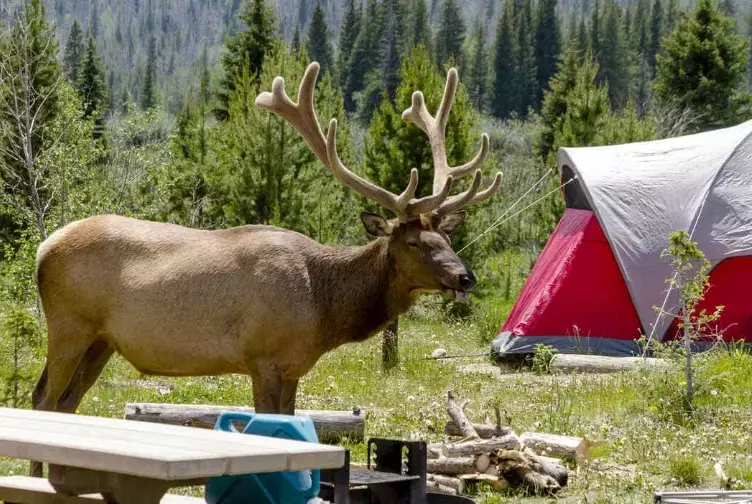
Forget just picking a popular national park and hoping for the best. Animal movements are tied to water, food, and shelter. Your goal is to camp near the intersection of these elements, often away from the main campground loops.
National parks are obvious choices, but the secret is to target specific areas within them or look to national forests and wildlife refuges that see fewer visitors. Here are three top-tier locations that consistently deliver, based on habitat diversity and reliable animal activity.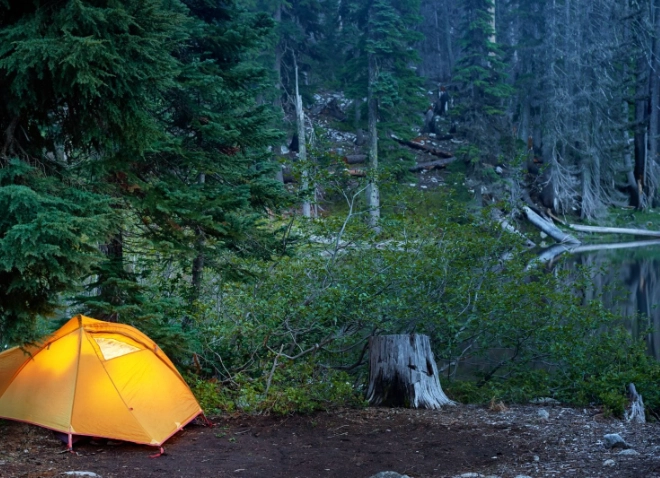
| Spot & Location | Best Time for Sightings | What You Might See | Key Details (Fees, Access) |
|---|---|---|---|
| Lamar Valley, Yellowstone NP (Wyoming, USA) |
Dawn & Dusk, Spring (May-June) & Fall (Sept-Oct) | Bison herds, wolves, grizzly bears, elk, pronghorn, coyotes. | Park entrance fee: $35/vehicle (7 days). Campgrounds like Slough Creek fill fast; reserve months ahead. Backcountry permits offer solitude. |
| Cades Cove, Great Smoky Mountains NP (Tennessee, USA) |
Early morning, year-round (elk most active spring/fall). | White-tailed deer, black bears, wild turkeys, elk (in Cataloochee Valley). | No entrance fee. Cades Cove Campground: $27/night. The 11-mile loop road is closed to vehicles on Wednesday & Saturday mornings for cyclists/pedestrians—prime viewing time. |
| Shark Valley, Everglades NP (Florida, USA) |
Dry season (Dec-Apr), early morning or late afternoon. | Alligators, wading birds (herons, egrets), turtles, river otters, sometimes manatees. | Park entrance fee: $30/vehicle. No campground at Shark Valley; nearby Long Pine Key or Flamingo Campgrounds ($30/night). The 15-mile tram road is perfect for biking. |
My personal favorite tactic? Study topographic maps and look for ecotones—edges where two habitats meet, like a forest opening into a meadow or a riverbank. These are wildlife highways. A campsite 200 yards back from a creek or meadow edge is often more productive than one right on top of it.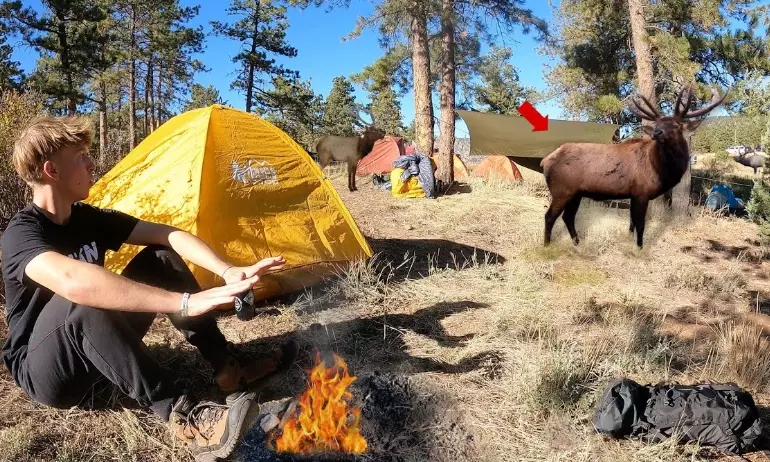
The Non-Negotiable Gear Checklist for Animal Sightings
Standard camping gear gets you outside. This specialized list gets you face-to-face with nature. Missing one item can mean missing the moment.
Pro Tip Most Miss: Everyone buys binoculars, but most buy ones that are too powerful for hand-holding (like 12x), leading to shaky, frustrating views. For wildlife camping, 8x42 or 10x42 binoculars are the sweet spot—bright, wide field of view, and steady enough to use without a tripod for quick glimpses.
Optics Are Your Eyes: A decent pair of binoculars is more important than a fancy camera. You can’t photograph what you can’t find. A spotting scope is overkill unless you’re specifically watching a distant wolf den or bird nest for hours.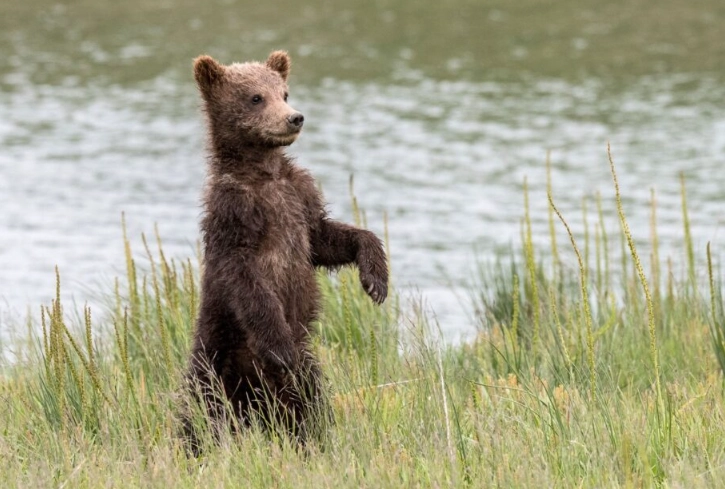
The Light You Don't Use: A headlamp with a red light mode is critical. White light destroys your night vision and can startle animals. Use red light around camp after dark. It’s less intrusive for wildlife and lets your eyes stay adjusted to the dark, increasing your chances of spotting reflective eyes.
Silence is Golden: Wear soft, quiet clothing. No rustling nylon shells when you’re trying to sneak a peek. Merino wool or soft fleece are ideal. And for footwear, think stealth—soft-soled shoes for those slow, quiet approaches.
Documentation: A camera with a good zoom lens (200mm minimum) or a modern smartphone with a capable zoom. A small, rugged notebook and pencil to jot down sightings, weather, and behavior. This log becomes invaluable for planning future trips.
Beyond the Basics: The Safety Gear
This isn't optional. A bear-resistant food canister is required in many parks and is the single most effective way to protect yourself and the bears. Inexpensive bear spray, knowing how to use it, and keeping it accessible (not buried in your pack) is your last line of defense in grizzly country. For smaller critters, airtight, hard-sided containers for all food, toothpaste, and trash are a must.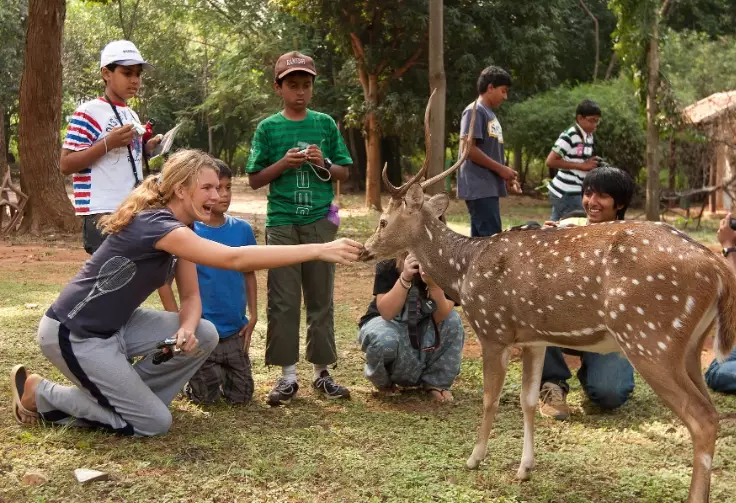
Safety First: Rules for Camping Near Wild Animals
This is where experience talks. I’ve seen people get dangerously close for a photo, or worse, leave a cooler in their tent vestibule. These mistakes have consequences.
The Golden Rule: Distance is Safety. Use the binoculars you packed. The National Park Service and experts like those at the National Park Service recommend staying at least 100 yards (91 meters) from bears and wolves, and 25 yards (23 meters) from all other large animals like elk, bison, and deer. A bison can run three times faster than you. No photo is worth the risk.
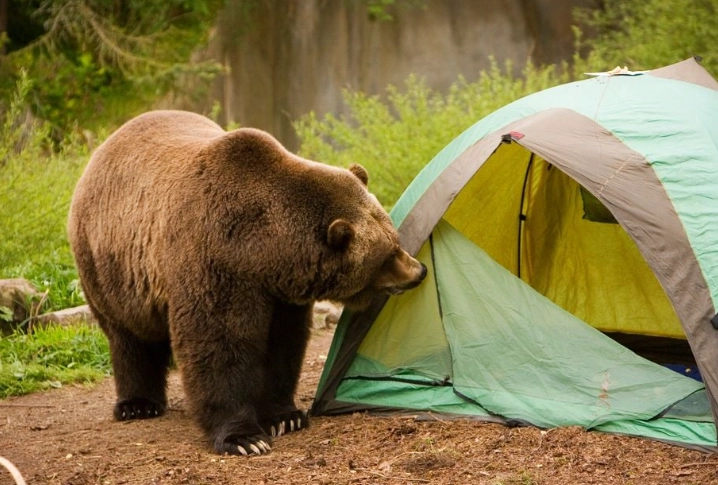
Food is a Death Sentence for Wildlife. The most common, devastating error is improper food storage. A bear that gets a food reward becomes a “problem bear,” often leading to its euthanasia. Store ALL food, trash, toiletries, and even empty food packaging in your bear canister or provided locker. Do this 100 yards downwind from your tent. Every time. No exceptions.
Camp Clean, Sleep Clean. Never eat or store food in your tent. Change out of the clothes you cooked in before going to bed. Odors linger.
Respect Mothers. Spring and early summer mean young animals. If you see a fawn alone or a bear cub, the mother is nearby and will be hyper-protective. Back away immediately the way you came.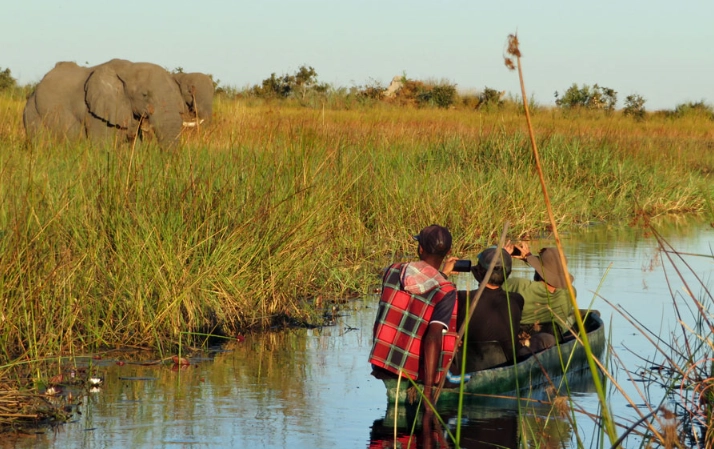
How to Dramatically Improve Your Wildlife Spotting Odds
Seeing wildlife is part planning, part patience, and part perception. It’s a skill.
Timing is Everything. Animals are most active during crepuscular hours—dawn and dusk. Plan your main observation hikes for these times. Be in your chosen spot before sunrise. The middle of the day is for resting, exploring, or napping.
Move Slow, Stop Often. Hike like a sloth with frequent pauses. Sit on a log for 15 minutes. Most animals are already there, camouflaged and watching you. When you stop, the forest forgets you’re there and resumes its activity.
Look for Parts, Not Wholes. Don’t scan for a whole deer. Look for the horizontal line of a back, the curve of an ear, the flick of a tail, the shine of an eye. Look for movement against a still background.
Listen. Close your eyes. Bird alarm calls (like the frantic scolding of a squirrel or jay) often pinpoint a predator’s location. The crack of a branch, the splash in water.
Learn the Signs. Tracks, scat, scrapes on trees, nibbled vegetation, owl pellets. Reading these signs tells you who’s around even if you don’t see them. A field guide to animal tracks is a fantastic camp book.
Your Wildlife Camping Questions, Answered
What’s the single biggest mistake people make when camping to see animals?
Noise and speed. People hike through prime habitat talking loudly, listening to music, or focused on mileage. Wildlife hears you from hundreds of yards away and vanishes. The forest isn’t empty; you’ve just announced your arrival. The fix is simple: go alone or with one quiet partner, walk slowly, and stop to sit every ten minutes. Your sighting count will triple.
I’m camping in bear country. Should I be more worried about grizzlies or black bears?
The worry should be equal, but the protocols are similar and focus on prevention. Grizzlies are more powerful, but black bears are more common and can be equally bold around food. 99% of dangerous encounters are due to surprising a bear or attracting one with food. Make noise when hiking in dense brush (talk, clap), carry bear spray where you can grab it in under 2 seconds, and store your food impeccably. If you do that, the statistical risk is incredibly low. The real danger is getting in your car to drive to the trailhead.
How can I get good photos without a super expensive camera?
First, get closer with your binoculars, not your feet. Use the zoom on your smartphone, but understand its limits—digital zoom degrades quality. Use natural light (early morning or late afternoon golden hour). Steady your shot by leaning against a tree or resting the camera on a rock. Most importantly, focus on behavior and habitat shots, not just portrait-style close-ups. A distant animal in a beautiful landscape tells a better story than a grainy, zoomed-in face.
Is it okay to leave food out for animals to see them up close?
Absolutely not. This is one of the most harmful things you can do. Feeding wildlife—intentionally or by negligence—habituates them to humans, alters their natural diet, and leads to aggression, disease, and often the animal's death. It’s also illegal in virtually all protected areas. Observe animals finding their own food; it’s far more rewarding.
What should I do if I encounter a large animal on the trail?
Stop. Stay calm. Do not run. Identify yourself as human by talking calmly and slowly backing away. Give the animal a clear escape route. For predators like bears or cougars, make yourself look larger (group together, open your jacket), continue talking, and back away slowly. Never turn your back or play dead unless it’s a defensive grizzly bear attack (where it’s charging after a surprise encounter). For moose, elk, or bison, put a large object like a tree between you and them and back away—they are more likely to charge than predators. In all cases, your goal is to de-escalate and leave the area.
Camping with animal sightings is about trading convenience for connection. It’s about embracing the quiet hours, respecting the rules of the wild, and finding joy in the anticipation as much as the encounter itself. Pack your patience along with your bear canister, head to the edges where the wild things are, and let the forest reveal itself to you. The memories of those fleeting glimpses—the owl’s silent flight, the deer’s alert gaze, the distant howl at dusk—are what you’ll carry home long after the campfire smoke has faded from your clothes.