You've heard the phrase. You probably know you shouldn't litter. But if you think "leave no trace" camping starts and ends with carrying your empty chip bags home, you're missing the bigger, more crucial picture. After countless trips from crowded state parks to remote backcountry, I've seen the same subtle damages repeated by well-meaning campers. The goal isn't just to avoid being a slob; it's to make your presence in the wilderness utterly undetectable after you leave. This guide dives deep into what that really means, moving past the basic list to the practical, often overlooked actions that define truly responsible outdoor ethics.
What You'll Learn in This Guide
What Leave No Trace Camping Really Demands
The official Leave No Trace Center for Outdoor Ethics frames it as seven principles. That's a great start. But the mindset shift is more profound. It's about humility. You are a visitor in an ecosystem that functions perfectly well without you. Every action, from where you pee to where you walk, has a ripple effect.
I once watched a group meticulously pack out all their garbage, which was commendable. Then they spent an hour gathering every beautiful, colorful rock from the lakeshore to surround their fire pit as a "decoration." They left no trash, but they fundamentally altered that small shoreline for every creature that lived there and every person who came after. That's the gap we need to bridge.
The core idea isn't cleanliness; it's ecological invisibility. Your campsite should look so untouched that the next person wonders if anyone has ever camped there before. That's the gold standard.
The 7 Leave No Trace Principles: A Practical Deconstruction
Let's break down each principle not as a rule, but as a set of actionable decisions you face from the moment you plan your trip.
1. Plan Ahead and Prepare
This happens at home. Poor planning leads to last-minute, high-impact decisions. Check if you need a permit (many high-traffic areas now require them to limit damage). Know the weather forecast—sudden rain can turn a poorly chosen tent site into a soil-erosion disaster. Repackage your food into reusable containers to minimize waste on-site. Download maps; getting lost leads to trampling vegetation as you search for the trail.
2. Travel and Camp on Durable Surfaces
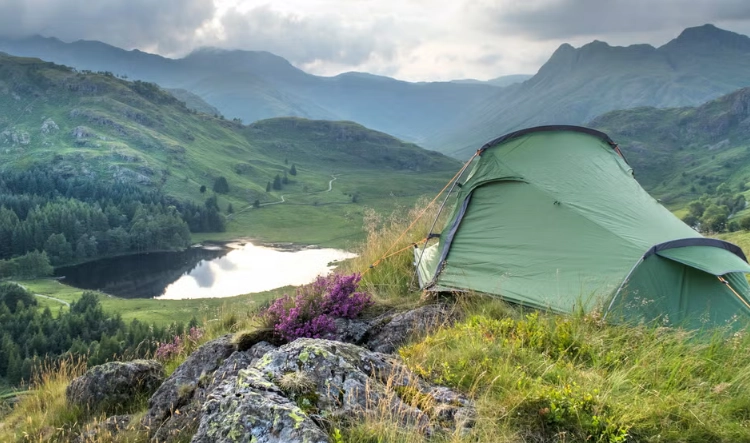
Durable means rock, sand, gravel, dry grass, or snow. The big mistake? Camping right next to a water source for the view. It's illegal in many wilderness areas for a reason: it tramples fragile riparian zones and pollutes water. Camp at least 200 feet (about 70 adult steps) from lakes and streams.
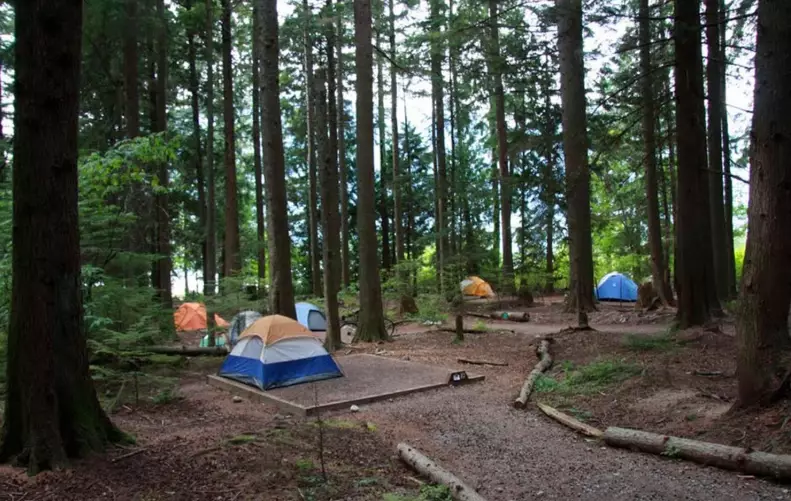
In established campgrounds, use the existing tent pads and fire rings. Don't create new ones. In pristine areas, disperse your impact. A group of four should not all pitch tents in one soft meadow; spread out on durable ground.
3. Dispose of Waste Properly
"Pack it in, pack it out" is the mantra. This includes ALL waste.
- Trash: Every wrapper, twist tie, and bit of foil. Bring a dedicated bag.
- Human Waste: This is the big one. If there's an outhouse, use it. In the backcountry, you need to dig a cathole: 6-8 inches deep, at least 200 feet from water, camp, and trails. Pack out your toilet paper in a zip-lock bag—yes, really. It doesn't decompose quickly in many environments. Bury the waste.
- Wastewater: Don't just toss your dishwater. Strain food particles into your trash bag, then scatter the grey water widely, 200 feet from water sources. Use biodegradable soap sparingly, if at all. Even "eco" soap needs soil to break down.
4. Leave What You Find
Rocks, plants, archaeological artifacts, even cool-looking pinecones. Leave them. That includes building makeshift furniture like log benches or rock tables. It also means not carving your initials into trees (a sadly common sight). Take pictures, not souvenirs.
5. Minimize Campfire Impacts
Campfires are a tradition, but they're also a major source of impact. Use a camp stove for cooking. It's faster, cleaner, and leaves no scar. If you must have a fire, use an existing fire ring. Keep it small. Burn only small sticks you can break by hand, found dead and on the ground. Never break branches off trees. Burn everything completely to ash, put it out with copious water (not dirt), and scatter the cool ashes. The number of fire rings I've seen overflowing with half-burned trash is disheartening.
6. Respect Wildlife
Observe from a distance. Never feed animals. It alters their natural behaviors, makes them dependent, and can make them aggressive. Store your food and trash securely in a bear canister or hung properly in a bear bag, not in your tent. This protects you and the animal.
7. Be Considerate of Other Visitors
This is about sound and space. Let nature's sounds prevail. Keep voices and music low. Yield to others on the trail. Camp away from other groups to preserve their sense of solitude.
The Gap Between Knowing and Doing: Common Mistakes
Here’s where intention meets reality. This table highlights frequent missteps versus the lower-impact alternative.
| Common Mistake | The Unseen Impact | Better Practice |
|---|---|---|
| Washing dishes or yourself directly in a lake/stream. | Soap and food particles introduce nutrients and chemicals that disrupt aquatic ecosystems. | Carry water 200 feet away from the source. Scatter strained wastewater widely over soil. |
| Creating a new, "better" campsite by clearing vegetation. | Destroys plant life, exposes soil to erosion, and creates a scar that encourages others to use the spot. | Use existing, designated sites. If dispersed camping, choose a pristine-looking durable surface. |
| Leaving "biodegradable" food scraps like apple cores or orange peels. | They decompose slowly, attract wildlife to trails, and introduce non-native seeds. | Pack out all food waste. An apple core can take months to years to decompose in a dry climate. |
| Using pretty, colored rocks to line a fire pit. | Removes habitat for insects and small organisms and alters the natural landscape aesthetic. | Enjoy rocks where they lie. If you move any for safety, return them before you leave. |
| Not fully putting out a campfire, leaving warm embers. | Risk of wildfire and leaves a dangerous, unsightly pit for the next visitor. | Drown the fire with water, stir the ashes, drown again. The ashes should be cool to the touch. |
Putting It All Together: A Weekend Family Camping Scenario
Let's follow the Johnson family on a weekend trip to a popular national forest campground. Here’s how LNT guides their decisions:
Friday Evening, Arrival: They booked Site #24 online. They set up their tent on the established gravel tent pad, not on the soft grass beside it. They use the existing metal fire ring. The kids want to collect pinecones for a craft; they're reminded to take photos instead. Food goes into the car or the campground's bear-proof locker immediately.
Saturday Morning, Breakfast: Dad cooks pancakes on the camp stove. Dishwater is strained into a baggie (added to trash), and the water is scattered in the bushes far from their site. They use minimal soap. Walking to the water pump, they stay on the gravel path, not cutting through the meadow.
Saturday Hike: They stay on the marked trail, even when it's muddy, to prevent widening the path. Snack wrappers go into a hip pack. Younger son needs to pee; they step well off the trail (200 ft from water), and he goes on a durable surface like dry soil.
Saturday Night, Campfire: They keep the fire small, using only the bundled firewood sold at the campground entrance (this prevents transporting invasive insects). They roast marshmallows, but no food waste goes into the fire. Before bed, the fire is completely drowned out.
Sunday, Departure: They do a "phantom camper" sweep of the entire site. They pick up micro-trash: bottle caps, bits of plastic, a stray twist tie. They check the fire ring is cold and clean. The picnic table is wiped down. They look under benches and behind logs. Their goal is to leave the site in better condition than they found it.
This isn't hardcore; it's habitual. It becomes the natural way to camp.
For the Committed: Advanced Leave No Trace Tips
Once the basics are second nature, you can level up.
- Choose Less Popular Times/Destinations: Spreading use out over time and space is one of the best ways to reduce concentrated impact. Visit on a weekday or in the shoulder season.
- Go Stove-Only: Make a personal rule to never have a wood fire. It eliminates the temptation to scavenge for wood or leave a trace.
- Become a Micro-Trash Ninja: Carry a small bag and pick up trash you find on the trail, even if it's not yours. It's the ultimate pay-it-forward.
- Use a Backcountry Bidet or Kula Cloth: These systems drastically reduce or eliminate the need for toilet paper, simplifying waste disposal.
Your Leave No Trace Questions, Answered by Experience
Adopting a true leave no trace ethic transforms your relationship with the outdoors. It shifts you from a passive consumer of scenery to an active steward. It’s the difference between just visiting a place and belonging to it, however briefly, with care. The wilderness doesn't need us to leave our mark. It needs us to have the humility to leave none at all.