If you're comparing primitive camping vs tent camping, the quick answer: primitive camping means no facilities and usually no reservation, while tent camping is the broader act of sleeping in a tent—often at a designated campsite with a toilet, water spigot, and a fire ring. I've done both, and the choice isn't about which is "better." It's about what you're willing to carry, pay, and plan for.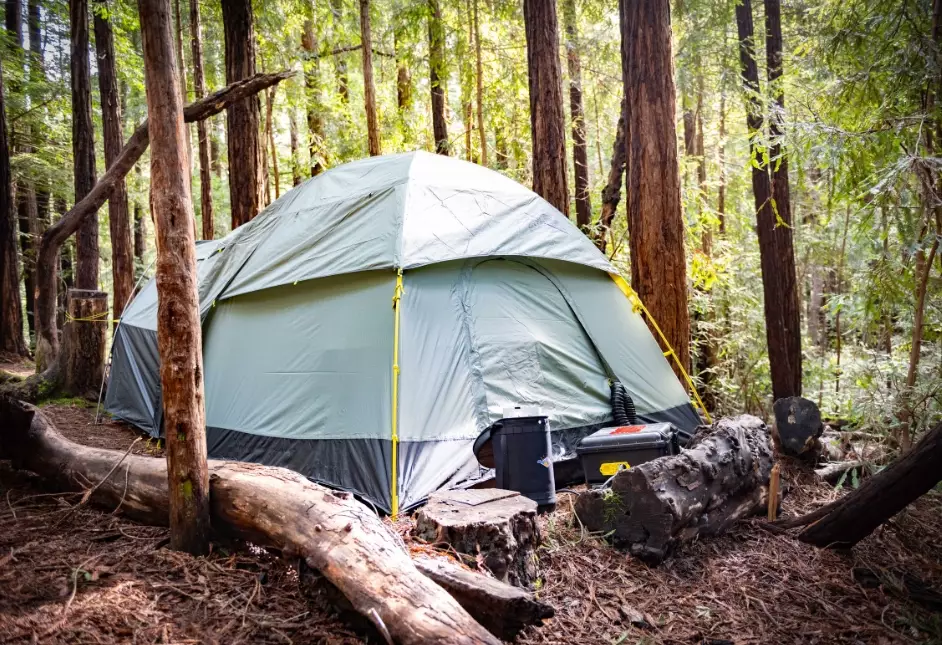
What I'll Cover So You Can Decide Fast
What Is Primitive Camping, Exactly?
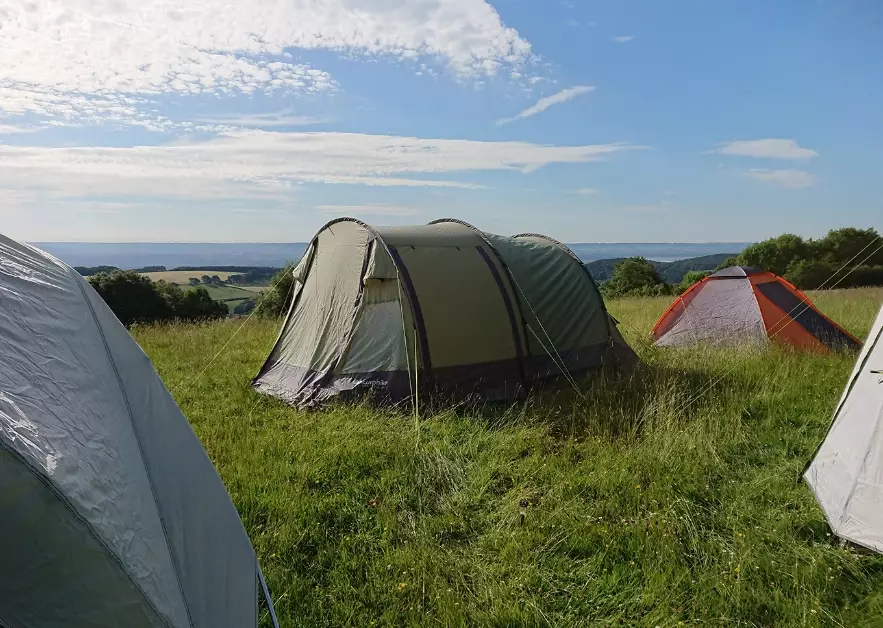
Primitive camping—often called dispersed camping on U.S. Forest Service or Bureau of Land Management land—means you're camping outside a developed campground. No bathrooms. No trash cans. No potable water. Sometimes no fire ring. You pack everything in and haul everything out.
The term gets fuzzy, though. Some state parks label a walk-in site "primitive" but still provide a pit toilet and a hand-pump. That's still primitive by most definitions, but it's a five-star version compared to raw backcountry camping. I always call the ranger station before I go: the exact level of "primitive" changes from district to district, and the person answering the phone will save you from showing up expecting a toilet that doesn't exist.
Location matters, too. Dispersed camping in a national forest near a trailhead might have a cell signal and a flat gravel pad. Primitive sites deep in a BLM unit could be 14 miles down a washboard road. Same label, completely different experience.
What Is Tent Camping?
Tent camping just means you sleep in a tent. That could be a $28-per-night site in a state park with flush toilets and a camp host, or it could be a walk-in tent site in a national park with showers nearby. The tent is the shelter, not the land classification.
Here's the part that trips beginners up: tent camping and primitive camping overlap, but they aren't opposites. You can tent camp at a developed campground. You can also primitive camp in a hammock or a tent. The real distinction is the land and its infrastructure, not your nylon shelter.
The Real Differences That Actually Matter
I've broken this down by what people actually care about on the ground. Skip the marketing fluff.
| Factor | Primitive Camping | Tent Camping (Developed Site) |
|---|---|---|
| Toilets | None—you dig a cathole or pack out waste | Vault or flush toilet on site |
| Water | Carry all of it or filter from a source | Potable spigot or faucet nearby |
| Cost | Usually $0, sometimes a free permit | $15–$45 per night in most state parks |
| Reservation | Rarely needed; first-come, first-served | Often required in peak season |
| Fire ring | Often none; check fire restrictions | Metal ring provided |
| Privacy | High—you pick your spot | Low to moderate; neighbors nearby |
| Cell signal | Unpredictable | Usually decent |
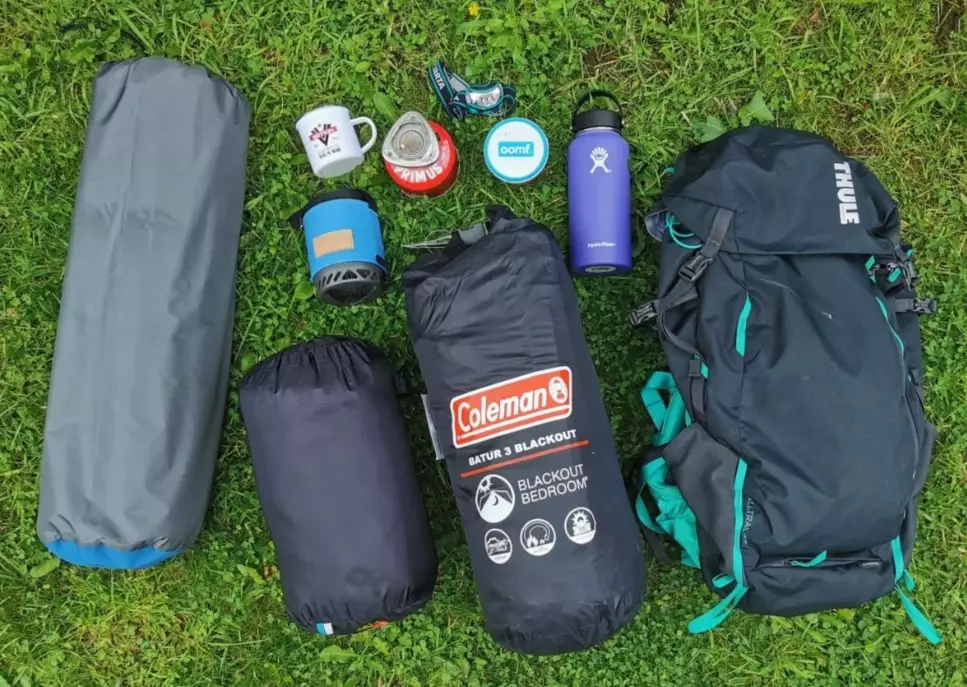
| Gear needed | Full water, shovel, wag bags, stove | Basic tent setup plus food |
The table shows the headline stuff. What it doesn't show is the friction. Primitive camping sounds freeing until you realize you have to carry 8 liters of water for two people for two days—that's 17 pounds right there. Tent camping sounds easy until you show up at 7 p.m. on a Friday and every reserved site is taken.
Cost, Permits, and the Stuff Nobody Warns You About
Primitive camping looks free on paper. Then you add the hidden costs: a wag bag system ($25–$40), a reliable water filter ($60–$100), a fire permit in some California districts (free, but you have to take a quiz), and the gas to drive farther out. I've done a weekend of dispersed camping for under $20 in food—but I already owned the gear. If you're buying from scratch, the first primitive trip can cost more than a year of state park fees.
Tent camping has its own sneaky costs. Reservation fees ($8–$10 on top of the site fee at many state parks), firewood at $8–$12 a bundle because you can't bring your own across state lines in many areas (invasive pests), and shower tokens that add a few bucks. It's still predictable, though. That predictability is worth something when you're tired and just want to cook dinner.
One more thing about permits: on popular BLM land near Moab or Bend, you might need a free self-issue permit at the trailhead kiosk. Nobody checks it, but rangers do count them, and the areas close when use gets too high. Grab one—it takes 30 seconds and keeps the land open.
How to Choose Your First Trip Without Regret
Here's the decision path I give friends who ask.
Pick tent camping at a developed site if...
You're new to camping, you're bringing kids, you want a toilet within walking distance, or you're car-camping with a cooler and a cast-iron skillet. The learning curve is gentler. You can focus on pitching the tent and cooking instead of managing water and waste. State parks and national park campgrounds are the obvious pick—just book early, because the good ones fill up months ahead.
Pick primitive camping if...
You already know how to set up camp, you're comfortable carrying water and packing out waste, you want to avoid crowds, and you're willing to drive slower on rough roads. National forests and BLM land in the western U.S. are the classic spots. Check the agency's motor vehicle use map—dispersed camping rules vary by district, and some areas ban it entirely.
What about a hybrid?
Walk-in tent sites in state parks are the sweet spot for a lot of people. You park your car, carry your gear 50–200 yards, and you get a primitive feel with a vault toilet nearby. These sites are usually cheaper than drive-up sites and much quieter. I book these whenever I can.
Straight Answers to Real Questions
Can I primitive camp with a regular tent and no special gear?
A standard three-season tent works fine. The gear gap isn't the tent—it's water storage and waste management. You need a way to carry at least 4 liters per person per day and a plan for human waste (wag bag or cathole trowel, depending on the land rules). Skip those and your trip gets uncomfortable fast.
Is primitive camping legal anywhere I want, or do I need permission?
No. Dispersed camping is allowed on many U.S. Forest Service and BLM lands, but each district sets its own rules. Some ban it near trailheads, water sources, or in certain seasons. Check the district's motor vehicle use map and call the ranger station. Private land requires permission, obviously. State parks usually don't allow it outside designated sites.
What's the biggest mistake first-timers make when switching from tent camping to primitive camping?
Underestimating water. People carry enough for dinner and coffee, then run out by lunch the next day. Bring 4 liters per person per day minimum, plus a filter if there's a reliable water source. The other mistake is picking a site too close to the road—you'll hear every truck at 2 a.m. Walk 100 yards farther than feels necessary.
Do I need a permit for primitive camping on BLM land?
Most of the time, no. Some high-use areas issue free self-registration permits at the trailhead. A few require a paid permit or a fire permit during dry season. The safe move: check the specific field office page before you drive out. It takes two minutes and saves you a citation.
Which style is better for a family with young kids?
Developed tent camping, hands down. Kids need bathrooms and a reliable water source, and the novelty of a campfire and a tent is plenty. Primitive camping with toddlers means carrying everything plus managing diapers and waste—not a relaxing weekend. Wait until they're old enough to help carry gear.
This article was fact-checked against current U.S. Forest Service and Bureau of Land Management dispersed camping guidance. Rules change by district—call ahead.