Quick Guide
- The Core Difference: It's All About Land Management
- Side-by-Side: Primitive Camping vs Dispersed Camping Breakdown
- Who Should Choose Which? A Quick Guide
- The Non-Negotiable Rules (Especially for Dispersed Camping)
- Gear Talk: What You Actually Need to Bring
- Finding Your Spot: The Hunt is Part of the Fun
- Safety and Etiquette: Don't Be *That* Camper
- Common Questions (The Stuff You're Actually Wondering)
- Making Your Choice
So you're thinking about ditching the crowded campground with its RV generators and neon glow, and heading somewhere you can actually hear yourself think. Good for you. That's when the terms "primitive camping" and "dispersed camping" start popping up. And if you're like most people, you scratch your head wondering if they're just fancy words for the same thing—pitching a tent in the middle of nowhere.
They're not. Not really.
Choosing between primitive camping and dispersed camping isn't just about picking a spot on a map. It's about choosing the entire framework of your trip—the rules you'll follow, the amenities you'll lack, and the kind of self-reliance you'll need to muster. Get it wrong, and you could be in for a frustrating (or even risky) night. Get it right, and you unlock some of the most rewarding experiences the outdoors has to offer.
Let's clear the air first. In the endless chatter of primitive camping vs dispersed camping, the confusion is understandable. Both involve getting away from developed sites. Both usually mean no running water or electricity. But the devil, as they say, is in the details—specifically, who manages the land and what specific rules apply.
The Core Difference: It's All About Land Management
This is the big one. When you're comparing primitive camping vs dispersed camping, the most crucial factor is the governing agency and their specific designation for the land you're on.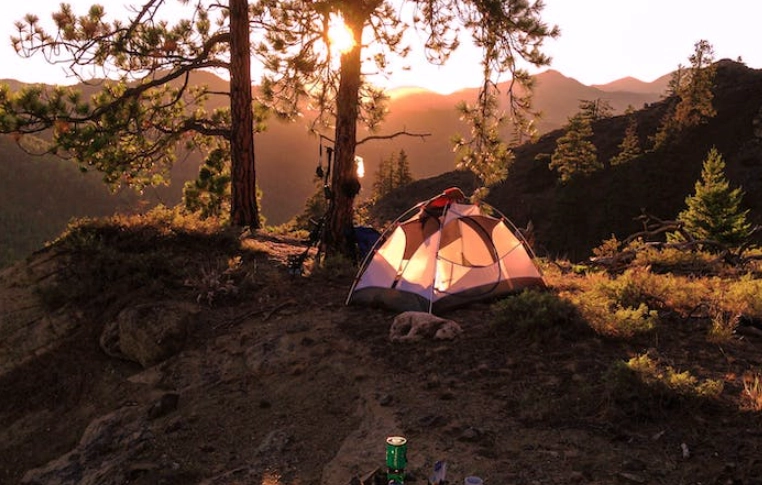
Primitive camping typically refers to designated campsites within a managed recreation area—like a state park, a national park, or a national forest—that are intentionally kept simple. Think of them as the official campground's more rugged cousin. There might be a defined parking spur, a cleared tent pad, and maybe a fire ring. Sometimes, there's even a pit toilet a short walk away. The key is that it's a designated site. You often need to reserve it or get a permit for it, and you're expected to camp right there.
Dispersed camping, on the other hand, is the wild card. It's almost exclusively practiced on public lands managed by the U.S. Forest Service (USFS) or the Bureau of Land Management (BLM). The core idea is that you can camp outside of designated campgrounds for free, as long as you follow specific rules. There is no designated site. You find a flat, durable surface (already impacted is best), pull over, and that's your home. No reservations, no fees (usually), no neighbors—if you do it right.
One is a rustic hotel room with a set address. The other is finding your own patch of wilderness to call home for the night.
Side-by-Side: Primitive Camping vs Dispersed Camping Breakdown
Alright, let's put this into a table. It's the easiest way to see how a primitive camping vs dispersed camping decision plays out in real life.
| Feature | Primitive Camping | Dispersed Camping |
|---|---|---|
| Location & Designation | Designated sites within managed areas (State Parks, NF, NP). | Anywhere outside developed campgrounds on most USFS/BLM land, following rules. |
| Reservations & Fees | Often required; usually has a fee (lower than developed sites). | Almost never required; almost always FREE. |
| Facilities | May include a fire ring, tent pad, picnic table, and sometimes a pit toilet. | Absolutely nothing. You bring everything, you leave everything. |
| Water & Sanitation | Sometimes a water pump nearby; often a vault toilet. | None. You must treat all water. You must pack out all waste or use a cathole (where permitted). |
| Finding a Spot | You reserve or claim a specific, numbered site. | You scout for a suitable, durable, previously used spot along a forest road. |
| Rules & Permits | Governed by the specific park's rules; permits common. | Governed by USFS/BLM district rules; usually just need to follow dispersed camping guidelines. |
| Isolation Level | Moderate. You'll have neighbors, but they're farther away. | High to total. You might not see another soul. |
| Skill Level Required | Beginner to Intermediate. Good intro to "roughing it." | Intermediate to Advanced. Requires serious self-sufficiency and Land Nav skills. |
See the pattern? Primitive camping is a controlled step into the backcountry. Dispersed camping is the full leap.
I remember my first real dispersed camping trip in the San Juan National Forest. I'd done plenty of primitive sites before, so I figured I was prepared. I drove down miles of dusty forest road, passing a few obvious pull-offs that were already taken. The anxiety started to creep in as the sun got lower. Where do I stop? Is this even legal here? Finally, I found a spot with a faint fire scar. Setting up camp completely alone, with no sound but the wind, was equal parts terrifying and utterly magical. It's a feeling a designated primitive site never quite delivers.
Who Should Choose Which? A Quick Guide
Not sure which path in the primitive camping vs dispersed camping debate is yours? Ask yourself these questions.
You Might Be a Primitive Camper If...
- You're new to camping without hookups and want a safety net.
- You're camping with kids and want the reassurance of a known site, maybe even a toilet.
- You prefer knowing exactly where you're sleeping before you go.
- You want a fire ring and a picnic table without the RV crowd.
- You're in a popular area where all the good dispersed spots are hard to get.
You Might Be a Dispersed Camper If...
- You crave total solitude and freedom.
- Your budget is tight and you want to avoid fees.
- You're confident in your leave-no-trace ethics and self-sufficiency.
- You have a capable vehicle for forest roads.
- You like the adventure of finding your own perfect spot.
It's not about which is better. It's about which is better for you, right now.
The Non-Negotiable Rules (Especially for Dispersed Camping)
This is where many first-timers get tripped up. With great freedom comes great responsibility.
The Golden Rule for Both: Follow Leave No Trace (LNT) principles. This isn't a suggestion; it's the law of the land for ethical campers. For the most authoritative guide, always refer to the official Leave No Trace Seven Principles.
Critical Dispersed Camping Rules (USFS/BLM Focus):
- Camp 100-200 feet from water sources: Protect lakes, streams, and rivers from contamination. This is a huge one.
- Use existing sites: Don't create new scars on the landscape. If you see a flat spot that's been used before, that's your spot.
- Stay limit: Most areas limit consecutive nights at one spot (often 14-16 days). After that, you must move camp at least a few miles.
- Know fire restrictions: This changes daily. A banned campfire can lead to massive fines and, worse, a wildfire. Always check with the local ranger district. The U.S. Forest Service website is your best friend for current orders.
- Waste disposal: Pack out ALL trash. For human waste, dig a cathole 6-8 inches deep at least 200 feet from water, camp, and trails. Pack out your toilet paper in a zip-lock bag. Seriously.
Primitive sites have rules too, but they're usually posted at the campground kiosk. They might specify where to park, firewood policies (never bring wood from far away!), and quiet hours.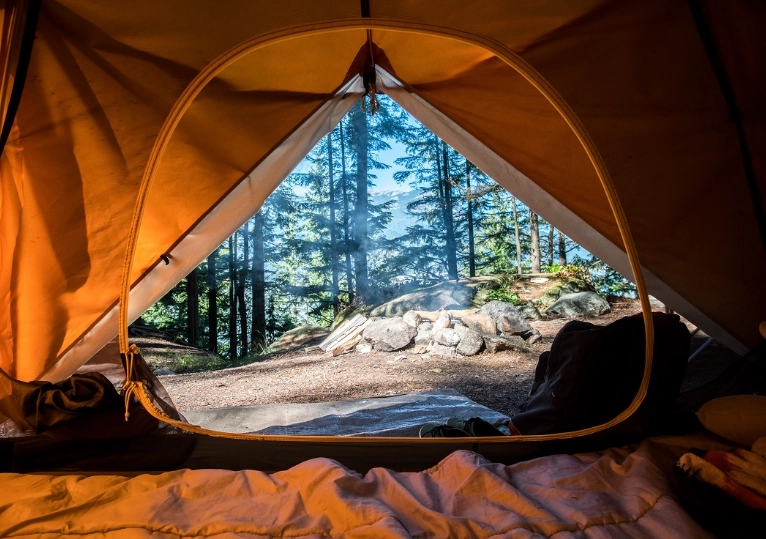
Gear Talk: What You Actually Need to Bring
Your packing list shifts dramatically when you move from primitive to dispersed. Let's break it down.
The Core List (For Both):
- A sturdy tent, sleeping bag, and pad rated for the weather.
- A reliable way to cook (camp stove—fires aren't always allowed).
- Headlamp and extra batteries.
- First-aid kit.
- Navigation: detailed paper maps and a compass, not just a phone.
- Appropriate clothing (layers!).
Primitive Camping Add-Ons:
- Camp chairs (since you might not have a picnic table).
- A larger water container to haul from the pump.
- Maybe some games or a book for the longer evenings.
Dispersed Camping MUST-HAVES:
- Water Treatment: A filter, purification tablets, or a UV system. Assume all water needs treating.
- Waste System: A trowel for catholes, heavy-duty zip-lock bags for used TP, and a plan for all other trash.
- Extra Fuel & Food: You're farther from help. Bring more than you think.
- Communication: A satellite messenger (like a Garmin inReach) is a wise investment. Cell service is a myth out there.
- Vehicle Preparedness: A full-size spare tire, know-how to change it, and maybe even traction boards if you're going deep.
Forgetting a camp chair is an annoyance. Forgetting a water filter on a dispersed trip is a potential crisis.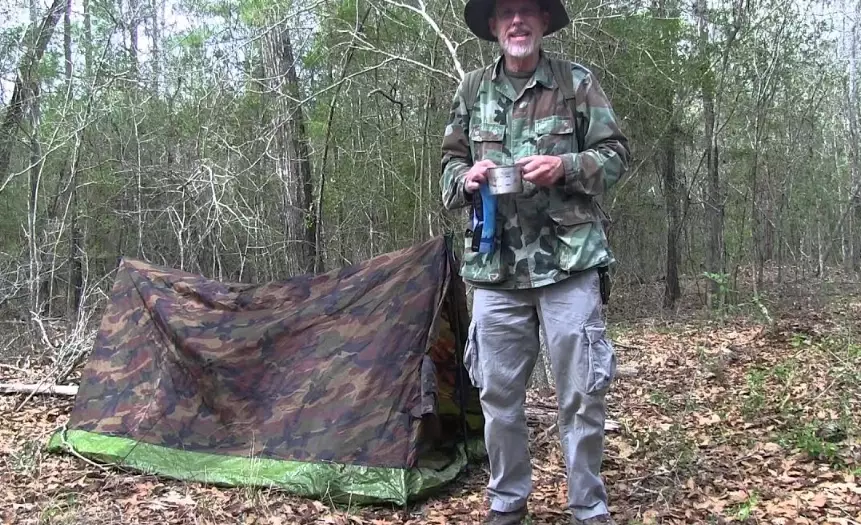
Finding Your Spot: The Hunt is Part of the Fun
How you find a site is a major practical difference in the primitive camping vs dispersed camping equation.
For Primitive Sites: It's all about Recreation.gov, state park reservation systems, or calling the ranger station. You book it, you get coordinates or a site number, you go there. Simple.
For Dispersed Sites: This is a skill. Here's my process:
- Research Online: I look at the Motor Vehicle Use Map (MVUM) for the national forest I'm targeting. These free maps show all the legal forest roads where you can pull off. The USFS Interactive Visitor Map is a fantastic starting point.
- Call the Ranger District: A 5-minute call can tell you about road conditions, fire bans, and any area-specific closures. This is the most underutilized tool.
- Have a Backup Plan: Never assume your dream spot will be empty. Have 2-3 potential areas scouted on the map.
- Scout on Arrival: Drive slowly down the forest road. Look for existing fire rings, flat ground, and pull-offs wide enough for your vehicle. Don't drive off-road to make a new spot.
Pro Tip: Arrive early. On a Friday afternoon in summer, the good dispersed spots near popular trailheads fill up. Aim to be looking for camp by 3 PM if you want the pick of the litter.
Safety and Etiquette: Don't Be *That* Camper
Safety looks different when you're miles from a host camp.
Tell Someone Your Plan: Email a friend your planned area, road names, and when you'll check in. This is non-negotiable for dispersed camping.
Wildlife: In primitive sites, you might have bear boxes. In dispersed areas, you need a bear-proof canister or know how to do a proper bear hang. Food in your car is NOT safe in many areas.
Etiquette: If you see someone already camped in a dispersed area, drive on. Give them their solitude. The same goes for noise—your music isn't appreciated in the wilderness. For primitive sites, respect quiet hours. The people nearby chose a primitive site to get away from noise, too.
Common Questions (The Stuff You're Actually Wondering)
Making Your Choice
At the end of the day, the primitive camping vs dispersed camping decision isn't permanent. It's a progression for many.
Start with a few nights at a primitive site. Get used to not having power, to managing your water, to the deeper dark and quiet. Master your gear. Get your LNT ethics dialed in.
Then, when you're feeling confident, pick a well-documented dispersed camping area for a single night. Go with a friend. Keep it simple. See how it feels.
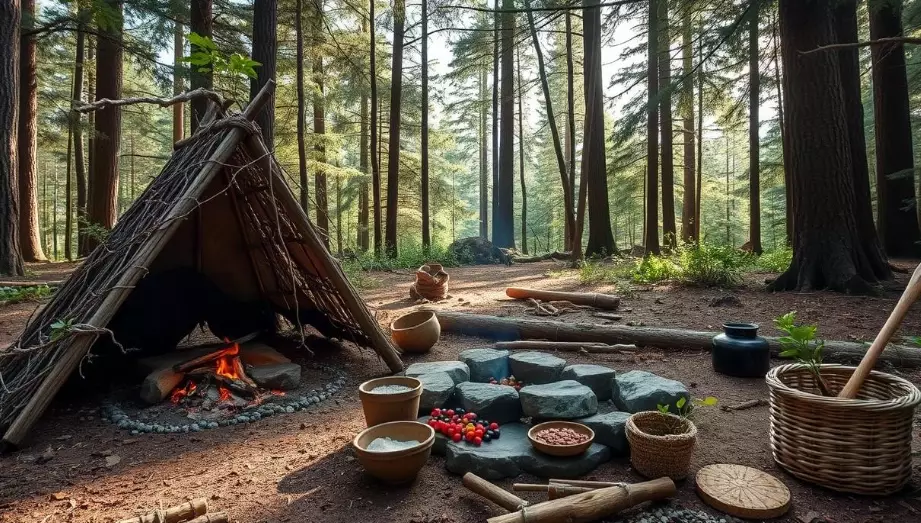
You might find you love the structure and ease of primitive sites. That's perfectly valid—they're incredible gateways. Or you might catch the bug, like I did, and start spending weekends hunting for that perfect, silent pull-off under a canopy of pines, where the only reservation you need is a spot on your own calendar.
Whichever path you choose, just get out there. The woods are waiting.