What You’ll Find Here
- What is Boondocking, Really? (It's Not Just for Rebels)
- The Big Question: Is Boondocking Illegal? Let's Break It Down by Location
- So, Why Does Everyone Think Boondocking Might Be Illegal?
- How to Boondock Legally and Responsibly (The Unwritten Rules)
- Common Questions (And Straight Answers)
- Final Thoughts: It's About Respect, Not Just Legality
Let's cut right to the chase, because that's probably why you're here. You've seen those stunning photos of RVs parked in the middle of a desert with no one around for miles, or you've heard friends talk about "free camping," and a big, nagging question pops into your head: is boondocking illegal? Is this too good to be true? Are these people breaking the law?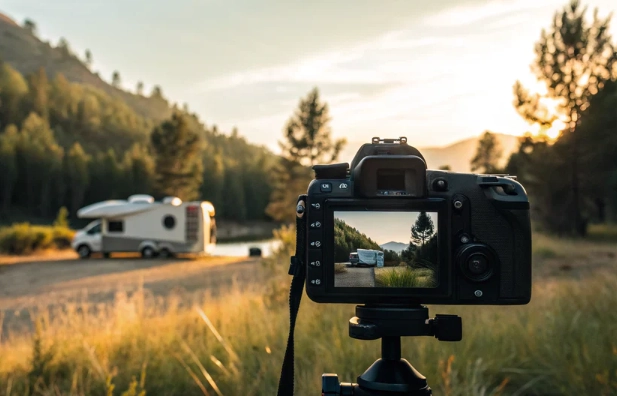
I remember the first time I pulled my rig onto a wide-open Bureau of Land Management (BLM) parcel in Arizona. The silence was absolute, the stars were insane, and my anxiety was through the roof. Every set of headlights in the distance felt like a ranger coming to kick me out or write me a massive ticket. I spent half the night googling variations of "is boondocking illegal in Arizona" on a shaky cell signal. It sucked the joy right out of the experience.
So, let's clear this up once and for all. The short, and most honest, answer is: it depends. It's a spectrum. Saying "boondocking is illegal" is as wrong as saying "boondocking is always legal." The real answer is a detailed map of rules, jurisdictions, and common sense. That's what we're going to build together here.
The Core Truth: Boondocking, also called dispersed camping or dry camping, is the act of camping in your RV, van, or vehicle for free, outside of a designated campground. It's not inherently illegal. Its legality is 100% determined by where you do it, how you do it, and for how long you do it.
What is Boondocking, Really? (It's Not Just for Rebels)
Before we dive into laws, let's define our terms. Sometimes people hear "boondocking" and think it's synonymous with trespassing or squatting. It's not. In the RV community, boondocking generally refers to self-sufficient camping without hookups (water, sewer, electricity) on land where it is explicitly permitted or tolerated.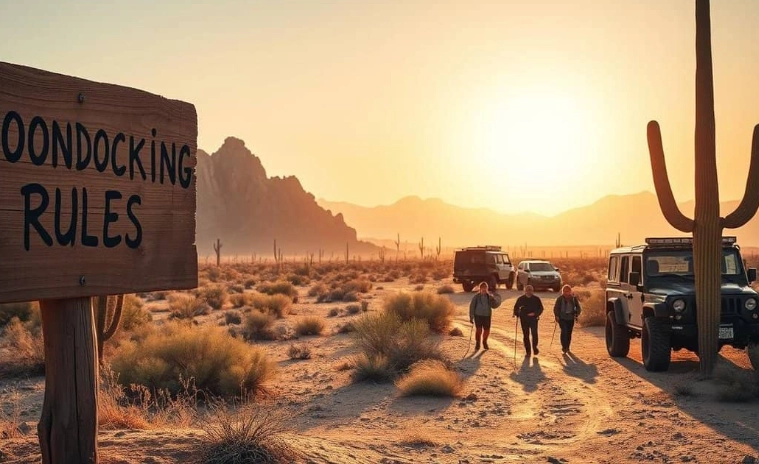
This includes:
- Public Lands: The big one. National Forests, Bureau of Land Management (BLM) land, some Wildlife Management Areas, and certain state trust lands.
- Designated Dispersed Camping Areas: Yes, these exist! They're just clear spots off a forest road without services. They're still "boondocking" but are officially sanctioned spots.
- Overnight Parking: Think Walmart, Cabela's, Cracker Barrel, some truck stops. This is a form of urban boondocking, governed by store policy, not government law.
See? The question "is boondocking illegal" starts to fall apart when you realize the setting is everything. Parking in a random neighborhood is illegal. Parking in a designated National Forest dispersed area is perfectly legal. Both could be called "boondocking" by someone.
The Big Question: Is Boondocking Illegal? Let's Break It Down by Location
This is the heart of it. You need a location-by-location playbook. Let's start with the most boondocker-friendly places and work our way to the gray areas.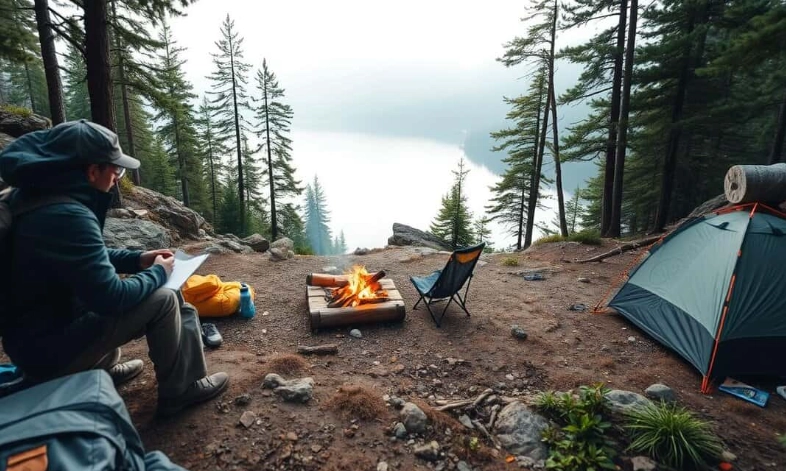
1. On Federal Public Lands (The Golden Rule)
For most people, when they dream of boondocking, they're dreaming of federal public lands. This is where the activity is most established and generally legal, provided you follow the specific rules.
National Forests (US Forest Service): Generally, dispersed camping is allowed almost anywhere unless specifically posted otherwise. You must typically be a certain distance from developed recreation areas, water sources, and roads. The 14-day stay limit within a 30-day period is a standard rule. Always check the official Forest Service website for the specific forest you're targeting. They have Motor Vehicle Use Maps (MVUMs) that are gospel.
Bureau of Land Management (BLM) Land: Similar to National Forests. BLM manages huge swaths of land, especially in the western US, and much of it is open to dispersed camping. The standard 14-day limit applies in most areas before you have to move at least 25 miles away. The BLM website is your best friend for local restrictions.
My personal rule? I never settle in without first checking the managing agency's website or calling the local ranger district office. A 5-minute call can save you a $250 fine. I learned this the hard way after assuming rules were uniform across a state—they're not.
Pro Tip: The term "Long Term Visitor Areas" (LTVAs) on BLM land is key. These are specific zones where you can stay for an extended season (like October to April) for a small fee. It's a legal, sanctioned form of long-term boondocking.
2. On State and Local Lands
This is where it gets trickier, and blanket statements are dangerous. Asking "is boondocking illegal" at the state level is pointless. You have to get hyper-local.
State Parks and Forests: These almost always prohibit dispersed camping. You must camp in designated, often paid, campgrounds. Some state forests have dispersed camping rules similar to National Forests, but you must verify. Never assume.
County/City Laws and Ordinances: This is the wild west of regulation. Many counties and municipalities have ordinances against "overnight parking" on public streets or sleeping in vehicles. These laws are often aimed at preventing homelessness or long-term parking, but they can ensnare a traveling RVer looking for a one-night spot. A quiet residential street might seem perfect, but it's often a quick way to get a knock from local police.
The vibe here is totally different from federal land. On BLM land, rangers generally assume you're a responsible recreator until proven otherwise. In a town or county, law enforcement might view an unfamiliar RV as a potential problem.
3. On Private Property
This should be obvious, but it's worth stating: Boondocking on private property without explicit permission is trespassing. It is illegal. Full stop.
Now, "permission" can come in many forms:
- Business Parking Lots: Walmart is the famous example, but their policy is not a national law—it's a corporate policy that individual store managers can override due to local ordinances or nuisance issues. Always, always ask a manager for permission. Casinos, Cabela's, Bass Pro Shops, and some rest areas often allow it. But again, it's permission, not a right.
- Harvest Hosts/Boondockers Welcome: These are fantastic networks where private landowners (vineyards, farms, museums) explicitly invite RVers to stay overnight for free. This is 100% legal and wonderful because it's pre-arranged consent.
The gray area? Pulling over on a wide, empty-looking pullout on a rural backroad. Is it public right-of-way? Is it someone's driveway? It's often hard to tell. When in doubt, move on. The anxiety isn't worth the spot.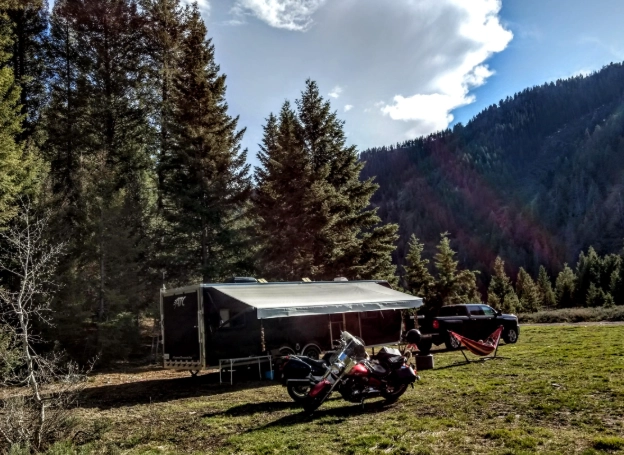
Biggest Mistake I See: People using apps like iOverlander or FreeRoam to find spots and blindly trusting the pin. A spot listed two years ago might now be posted with "No Camping" signs, or it might have been on private land all along. Use the app as a starting point, then do your own due diligence with official sources.
So, Why Does Everyone Think Boondocking Might Be Illegal?
It's a fair question. The confusion comes from a few places.
First, there's a fundamental misunderstanding of land ownership and management in the US. Many people don't know what "BLM land" or "National Forest" really means, and they assume all undeveloped land is either private or a protected park where camping is restricted.
Second, the rise of van life and RVing has led to real problems in some areas—trash, human waste, resource damage, and overcrowding. This has prompted land agencies to impose stricter regulations, close certain areas, and enforce rules more vigorously. News stories about these crackdowns feed the perception that the activity itself is being outlawed, when it's really about punishing irresponsible behavior.
Finally, the sheer complexity of the rules is daunting. With federal, state, county, and city layers, it's easier for someone to just throw their hands up and say, "It's probably illegal," than to unravel the legal tapestry for each potential stop.
Let's make it simpler. Here’s a quick-reference table to visualize the legality spectrum:
| Location Type | General Legality of Boondocking | Key Governing Rule / Authority | Critical Action Required |
|---|---|---|---|
| National Forest / BLM Land (General Areas) | Legal & Encouraged (with rules) | 14-day stay limit, distance from water/roads, MVUMs | Check the specific Forest/BLM district website for alerts and MVUMs. |
| BLM Long Term Visitor Area (LTVA) | Legal with Permit | Seasonal permit required (Oct-Apr), fee applies | Purchase a seasonal permit from BLM or authorized vendor. |
| Walmart / Cracker Barrel Parking Lot | Legal by Permission Only | Store manager policy & local ordinances | Always seek manager approval. Arrive late, leave early. |
| State Parks & Most State Recreation Lands | Generally Illegal | State administrative code | Use designated campgrounds only. |
| Residential City Street | Often Illegal | City municipal code (overnight parking bans) | Assume it's prohibited unless you've verified the city code. |
| Private Land (No Permission) | Illegal (Trespassing) | State trespassing laws | Never, ever do this. Always get written or verbal consent. |
How to Boondock Legally and Responsibly (The Unwritten Rules)
Okay, so we've established that boondocking isn't automatically illegal. The next question is: how do you make sure you stay on the right side of the law and, just as importantly, on the good side of the land managers and other campers? This is where the community's ethos comes in.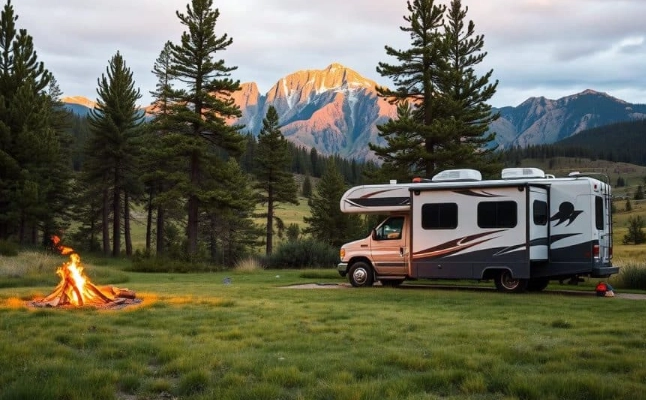
The Cardinal Rule: Leave No Trace. This isn't just a nice slogan; it's the legal and ethical foundation. If everyone followed LNT principles, far fewer areas would get closed down. This means:
- Pack out ALL trash. Every bit. More than you brought in, if you find any.
- Manage human waste properly. If you don't have a self-contained RV toilet, you need a portable waste system like a cassette toilet or a WAG bag. Digging catholes is often not recommended in high-use dispersed areas and may violate regulations.
- Don't dump gray water on the ground. Even biodegradable soap isn't great for the local soil and water. Use a portable tank to haul it out.
- Camp on durable surfaces. Use existing pullouts and cleared spots. Don't create new roads or flatten vegetation.
The Practical Legal Checklist:
- Research Before You Go: Don't just drive and hope. Use the Forest Service and BLM sites. Call the ranger station. It's boring but essential.
- Look for Signs: This seems obvious, but read every sign at entry points and junctions. They tell you about fire restrictions, camping zones, and closures.
- Know Your Stay Limits: The 14-day rule is almost universal on federal lands. Mark your calendar. Overstaying is a common way to get fined and makes you part of the problem.
- Respect Fire Bans: This is a huge one. Having a campfire during a ban is illegal, dangerous, and a surefire way to get a massive fine and the ire of everyone around you.
- Be Self-Sufficient: The legal permission to camp often implicitly assumes you won't need services. Don't expect trash cans, water fill-ups, or dump stations at your site.
I'll be honest, the worst boondocking neighbors I've ever had weren't breaking a major law. They were running a generator all night, letting their dogs run loose, and blaring music. They made the place miserable. Following the law is the baseline; being a good neighbor is what keeps the culture alive.
Common Questions (And Straight Answers)
Let's tackle some of the specific worries that pop up when people search "is boondocking illegal."
Can I get fined for boondocking?
Yes, absolutely. Fines are the primary enforcement tool. You can be fined for: camping in a prohibited area (like a closed wildlife zone), overstaying the limit, leaving trash, having an illegal fire, or trespassing on private land. Fines can range from $50 to over $500. It's a real risk if you don't do your homework.
Is overnight parking at Walmart legal everywhere?
No. It's not a right. It's a privilege granted by store management and is always subject to local city/county laws that prohibit overnight parking. Many Walmarts in urban or coastal areas no longer allow it due to abuse and local ordinances. Always ask. The era of assuming every Walmart is safe is over.
What's the difference between "dispersed camping" and "boondocking"?
In practice, they're used interchangeably. Technically, "dispersed camping" is the official term used by land agencies for free camping outside developed sites. "Boondocking" is the colloquial RV community term that can also include parking lot overnights. When researching on government sites, search for "dispersed camping."
How do I know if I'm on public land or private land?
This is the critical skill. Use mapping apps specifically designed for this: OnX Hunt (shows land ownership clearly) or Gaia GPS with public land layers. These are more reliable for ownership than Google Maps. Also, look for boundary fences, posted signs, and cattle. If you see livestock, you're likely on leased private or public land, and you need to be extra careful about gates and rules.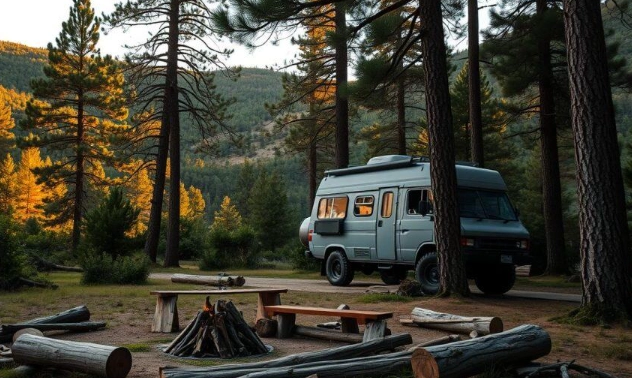
What should I do if a ranger or law enforcement knocks?
Be polite, respectful, and honest. Have your ID and vehicle registration ready. If you've done your research, you can calmly explain where you checked the rules. If you made a mistake, admit it. Arguing or being confrontational is the fastest way to turn a warning into a ticket. Most rangers are reasonable if you are.
The knock isn't the end of the world. It's usually just a check.
Final Thoughts: It's About Respect, Not Just Legality
After a decade of doing this, I've come to see the question "is boondocking illegal" as a starting point, not an endpoint. The deeper question is, "How can I enjoy this incredible privilege without ruining it for myself and others?"
The laws exist for a reason—to protect the land, the wildlife, and the experience for everyone. When we follow them, and go a step further by practicing impeccable Leave No Trace ethics, we vote with our actions to keep these places open. We prove that responsible boondocking is a legitimate, legal, and sustainable way to connect with the outdoors.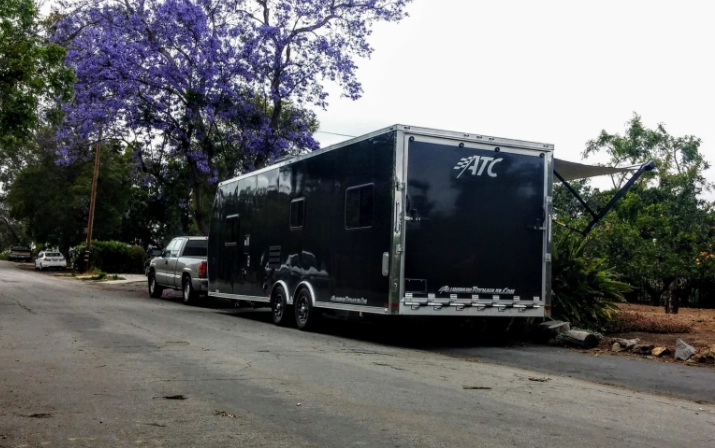
So, is boondocking illegal? Not where it's done right. The freedom is real, but it's a freedom coupled with significant responsibility. Do your research, respect the land, respect the rules, and you'll unlock some of the most memorable camping experiences of your life, completely within the bounds of the law. Now get out there, find a beautiful spot on some BLM land, and enjoy that sunset—you've earned it.