In This Guide
- Before You Go: The Mindset and Planning Phase
- The Ten Core Skills for Wilderness Camping Success
- Gear Deep Dive: Building Your System, Not Just a List
- Safety: From Common Sense to Crisis Management
- Leaving No Trace: The Camper's Creed
- Wilderness Camping Q&A: Your Real Questions Answered
- Making the Jump: Your First Wilderness Camping Trip
Let's be honest. The idea of wilderness camping can be intimidating. You're not just rolling up to a numbered site with a picnic table and a water spigot. You're venturing into the backcountry, where the only sounds are the ones nature provides. It's a completely different ball game, and it demands a different level of preparation.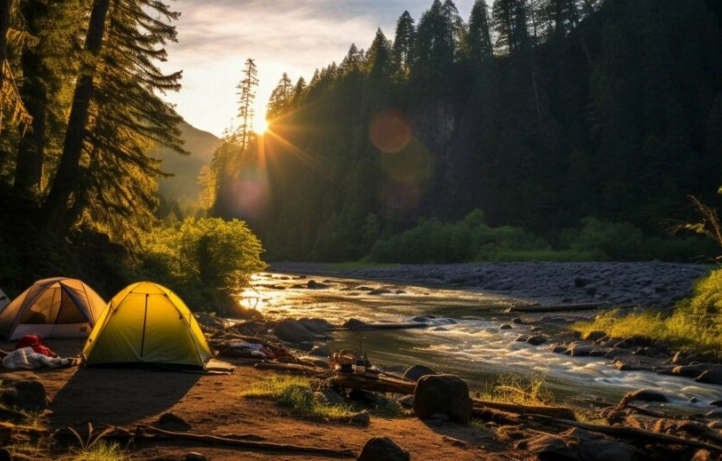
I remember my first real trip. I was so focused on the big, romantic idea of it that I forgot about the little things. Like how to properly hang my food bag. Let's just say a very determined raccoon had a better night than I did. It was a mess, a hilarious and educational mess.
That's why I'm writing this. Not as an expert who has it all figured out, but as someone who's made the mistakes so you don't have to. This isn't about surviving; it's about thriving out there. We'll break down the intimidating concept of wilderness camping into manageable, actionable pieces.
Wilderness Camping Defined: It means camping in an undeveloped, remote area, typically accessible only by hiking, paddling, or horseback. No facilities, no reservations (often just a permit), and self-reliance is the name of the game.
Before You Go: The Mindset and Planning Phase
This is where most trips are made or broken, long before you lace up your boots. Jumping straight to gear is tempting, but it's the wrong move.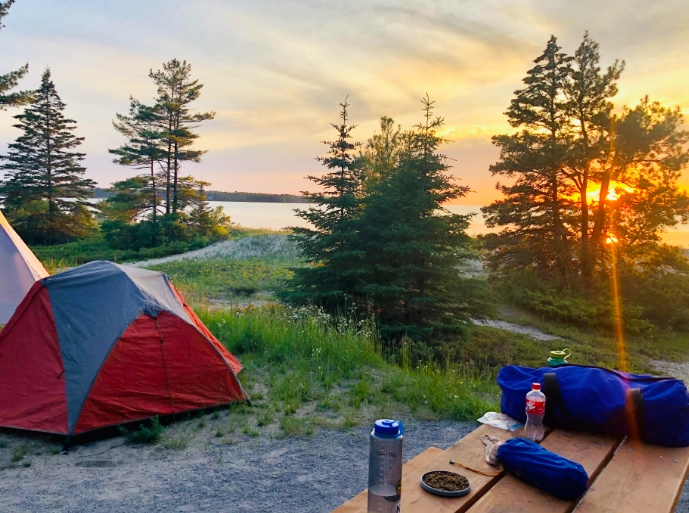
Mastering the Pre-Trip Checklist
You need a system. A frantic search through your closet the night before is a recipe for forgetting something crucial. My method is simple: a physical list on the fridge that I start adding to a week in advance. As I think of things—lighter, blister patches, that extra pair of socks—I jot it down. It sounds basic, but it works.
Your planning starts with one question: Where am I going? This dictates everything else. Research is non-negotiable. Don't just look at the pretty pictures on Instagram. Dig into the details.
Critical Research Points: Check recent trail reports for conditions (snow, mud, downed trees). Understand the water sources—are they flowing, or will you need to carry all your water? Know the wildlife activity, especially concerning bears. This isn't scare-mongering; it's responsible preparation. The National Park Service (NPS) and U.S. Forest Service websites are goldmines for current, official information.
Permits. Ugh, I know. They can be a pain. But they exist for a reason: to protect fragile environments from being loved to death. Some popular areas have lotteries a year in advance. Others are first-come, first-served. Figure out the system for your destination and respect it. Nothing sours a trip faster than getting turned around at the trailhead.
Telling Someone Your Plan (The Most Important Step)
This is non-negotiable, full stop. Before you leave cell service, give a detailed itinerary to a trusted person. I mean detailed: trailhead name, planned route, campsite areas, and your expected return date and time. Include a clear instruction: “If you haven't heard from me by 6 PM on Sunday, call the county sheriff's office at this number.” This single act is your ultimate safety net. I leave a printed copy on my kitchen counter every single time.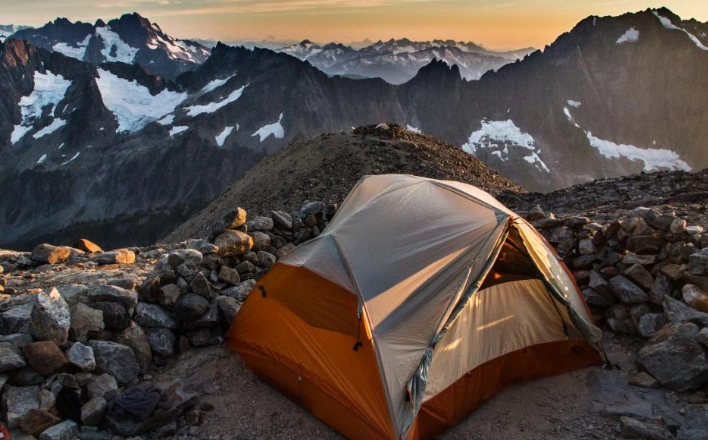
The Ten Core Skills for Wilderness Camping Success
Gear is just stuff. Skills are what keep you safe, comfortable, and minimize your impact. Let's rank the ones you absolutely need to practice, maybe even in your backyard first.
| Skill | Why It's Critical | How to Practice |
|---|---|---|
| Navigation (Map & Compass) | GPS fails. Phones die. Knowing how to read a topographic map and use a compass is your lifeline. It's also incredibly satisfying. | Buy a local trail map. Go for a day hike and track your progress solely with the map. Identify landmarks. |
| Fire Starting (In Wet Conditions) | Not just for warmth, but for emergency signaling and morale. Anyone can start a fire on a dry day. Can you do it when everything is damp? | Gather “dead and down” wood in your yard after a rain. Practice building a small fire lay with tinder, kindling, and fuel. |
| Water Purification | Giardia and other waterborne nasties will ruin your trip (and more). Never, ever drink untreated water, no matter how clean it looks. | Test different methods: filters, chemical treatment (like Aquamira), and UV pens. See which one you trust and can use efficiently. |
| Leave No Trace Principles | This is the ethical code. It's about preserving the wild for those who come after you. It's not a suggestion; it's a responsibility. | Memorize the 7 principles. The Leave No Trace Center for Outdoor Ethics website is the definitive resource. Think about them with every action. |
| Bear Bag / Canister Hanging | Protects your food and protects wildlife. A bear that gets your snacks becomes a problem bear, often leading to its death. | Set up a rope system between two trees in a park. Time yourself hanging an empty stuff sack properly. It's harder than it looks! |
The other five on my personal list? Basic first aid (focus on blisters, sprains, and cuts), campsite selection (finding flat, durable ground away from water and dead trees), knot tying (bowline and taut-line hitch are lifesavers), efficient packing, and weather interpretation. Knowing that a sudden drop in pressure often means a storm is more useful than any fancy app when you're off-grid.
Gear Deep Dive: Building Your System, Not Just a List
Here’s where people get overwhelmed and spend a fortune. You don't need the latest ultra-light, carbon-fiber everything. You need a system that works, is reliable, and fits your budget. Think in layers and functions.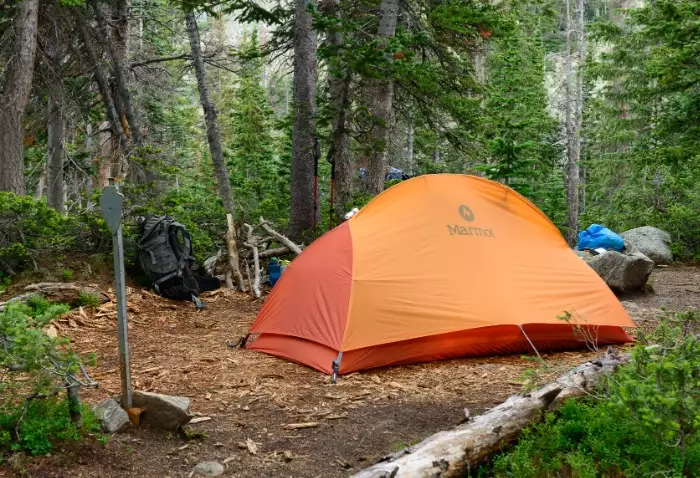
The Big Three: Shelter, Sleep, Pack
These are your weight and comfort anchors.
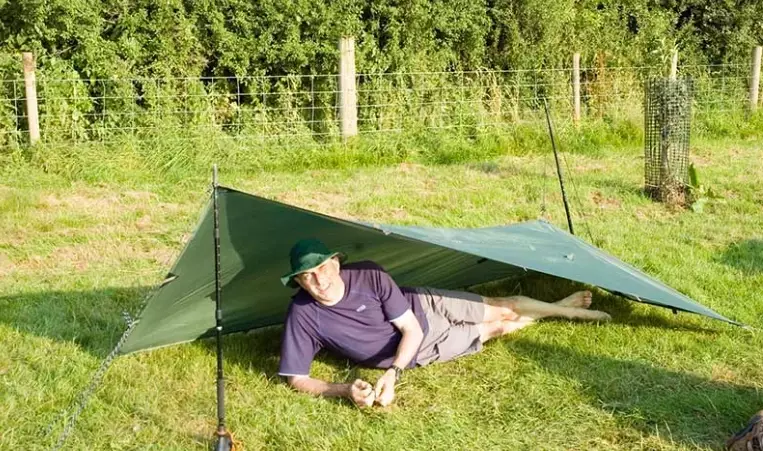
- Shelter: A tent, tarp, or hammock. For beginners, a freestanding tent is forgiving. Look at the season rating (3-season is perfect for most). Set it up at home first. I've seen people at trailheads at dusk trying to figure out which pole goes where. Don't be that person.
- Sleep System: This is a combo. A sleeping bag (or quilt) rated for temperatures colder than you expect, and a sleeping pad for both comfort and crucial insulation from the ground. An under-insulated pad is a top reason for a cold night.
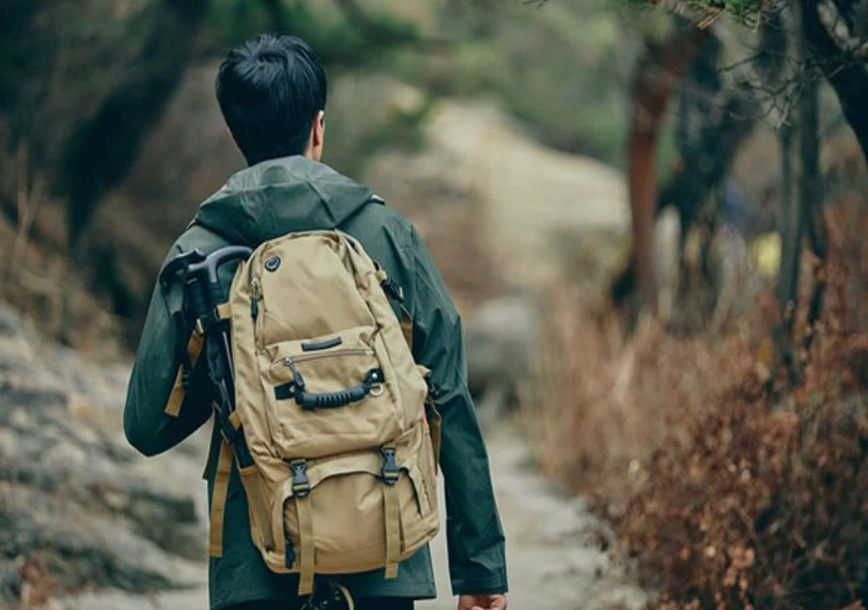
- Pack: It needs to fit you. Go to an outdoor store like REI and get measured for torso length. Load it with weight and walk around the store. How do the shoulders and hips feel? A good pack transfers weight to your hips.
My Gear Mistake: I once bought a “bargain” sleeping bag. It was bulky, heavy, and its temperature rating was wildly optimistic. I spent a shivering night wearing every piece of clothing I owned. Lesson learned: your sleep system and footwear are where you should invest first. Skimping here guarantees misery.
Clothing: The Layer Cake Method
Forget cotton. It's called “death cloth” for a reason—it holds moisture and sucks heat from your body. Stick to synthetics (like polyester) or wool (merino is a miracle).
- Base Layer: Wicks sweat away from your skin. Think long underwear.
- Insulating Layer: Traps heat. A fleece or puffy jacket.
- Shell Layer: Blocks wind and rain. A waterproof, breathable jacket and pants.
You add and remove layers like a cake to regulate temperature. Always have a dry set of base layers just for sleeping. It's a game-changer.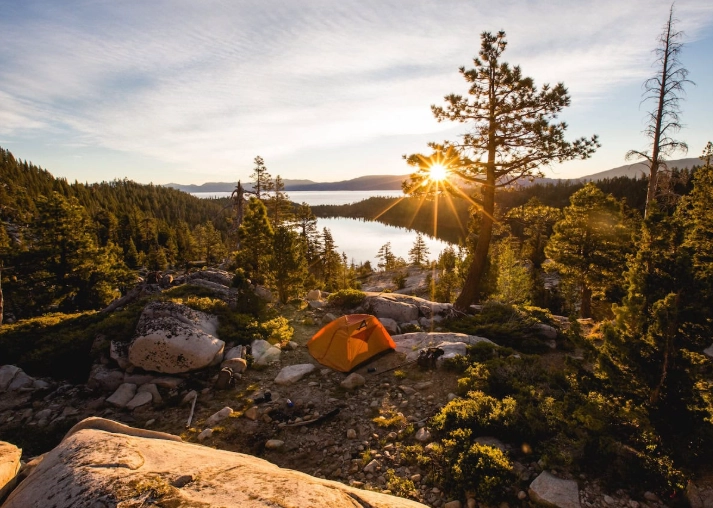
Safety: From Common Sense to Crisis Management
Safety isn't about fear; it's about confidence. Knowing what to do lets you relax and enjoy the experience.
Wildlife Encounters (Beyond Bears)
Everyone worries about bears. And you should know the basics: make noise on trail, carry bear spray where appropriate, know how to use it, and store food perfectly. But you're more likely to have issues with smaller critters.
Mice and squirrels will chew through your pack for a single granola bar crumb. Raccoons are clever little bandits. That's why a bear canister or a perfectly hung bag is essential—it's for all wildlife. As for snakes? Watch where you step and put your hands, especially around rocks and logs. Most just want to be left alone.
Weather and Getting Lost
Hypothermia can happen even in mild temperatures if you're wet and windy. Recognize the signs: uncontrollable shivering, slurred speech, clumsiness. The treatment is simple: get the person dry, insulated, and give them warm fluids.
If you think you're lost, STOP. (Stop, Think, Observe, Plan). Do not wander. Retrace your steps mentally. If you're truly disoriented, staying put near a water source is almost always better than盲目地 wandering further. That detailed itinerary you left? This is when it pays off for searchers.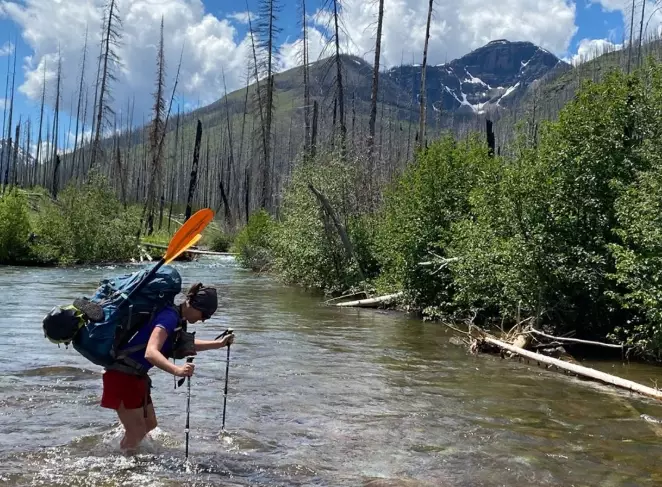
Leaving No Trace: The Camper's Creed
This deserves its own section because it's that important. Wilderness camping is a privilege. LNT is how we protect that privilege.
- Plan Ahead & Prepare: We covered this. It prevents problems later.
- Travel & Camp on Durable Surfaces: Stick to established trails and campsites. In pristine areas, spread out to avoid creating new trails.
- Dispose of Waste Properly: Pack out all trash, including food scraps and toilet paper. For human waste, dig a cathole 6-8 inches deep at least 200 feet from water, trails, and camp. Cover it completely.
- Leave What You Find: That pretty rock, those antlers, the wildflowers. Take pictures, not souvenirs.
- Minimize Campfire Impacts: Use a camp stove for cooking. If you must have a fire, use an existing fire ring, keep it small, and burn it to ash. Drown it with water until it's cold to the touch.
- Respect Wildlife: Observe from a distance. Never feed them.
- Be Considerate of Other Visitors: Keep noise down. Yield on trails. The wilderness isn't your personal party zone.
It boils down to one idea: the next person should not be able to tell you were there.
Wilderness Camping Q&A: Your Real Questions Answered
Q: How do I go to the bathroom in the woods?
A: With a little planning! For #1, go well away from camp and water sources. For #2, carry a small trowel. Find a private spot 200+ feet from water. Dig that 6-8 inch cathole, do your business, fill it in, and pack out your used toilet paper in a zip-lock bag (a “wag bag”). It sounds gross, but it's standard and responsible practice.
Q: Is it safe to go wilderness camping alone?
A: This is personal. It requires extra preparation, extra caution, and a very honest self-assessment of your skills. Your margin for error is zero. I don't recommend it for your first trip. Go with a group or a more experienced friend first. If you do go solo, that “tell someone your plan” rule is multiplied by ten.
Q: I'm terrified of animals. Should I even go?
A: The fear is normal. The animals are mostly terrified of you. Education is the antidote. Learn about the animals in your area—their behavior, how to avoid surprise encounters, and what to do if you see one. Knowledge replaces vague fear with specific, manageable respect. Start in an area known for lower-risk wildlife to build confidence.
Q: What's the one piece of gear you won't go without?
A: Besides the essentials? A comfortable camp chair. It's a luxury weight, I admit it. But after a long day of hiking, sitting on a log or the cold ground gets old fast. That little chair is a massive morale booster for me. It makes camp feel like home. Some purists will scoff, and that's fine. For me, it's worth it.
Making the Jump: Your First Wilderness Camping Trip
Ready to try? Don't make your inaugural voyage a 5-day epic. Plan an overnight. Choose a destination close to home, with a short hike in (under 3 miles). This lets you test your gear and skills with a low-risk safety net. If something goes wrong, you're not far from the car.
Go with a friend. Share the load—literally and figuratively. You can split tent weight, share a stove. The camaraderie is part of the fun.
And finally, manage your expectations. Something will go not-quite-as-planned. The weather might turn. You might forget the salt for your dinner. It's okay. The goal isn't perfection. The goal is to be out there, to learn, and to connect with a quieter world. The challenges are what make the stories, and the quiet moments of watching a sunset with no one else around are what make it all worthwhile.
True backcountry camping strips away the noise and gives you a profound sense of self-reliance. It's you, your skills, and the elements. With the right preparation, it's not just safe—it's the most rewarding way to experience the natural world. So start planning, practice those skills, and go see what you're capable of. The wilderness is waiting.