You've planned the perfect camping trip. Then, by day two, your phone is dead, the lantern is dim, and that small fridge you brought for the steaks is now just a cool box. This isn't just an inconvenience; it's a failure of camping energy efficiency. Most advice on this topic is surface-level—"buy a solar panel." But real efficiency isn't about one gadget. It's a system. It's about understanding your power needs, choosing the right gear, and, most importantly, changing how you use energy off-grid. After a decade of leading backcountry trips and testing gear in all conditions, I've seen the same mistakes repeated. This guide cuts through the noise. We'll build your energy plan from the ground up, focusing on practical, actionable strategies that extend your power and your peace of mind.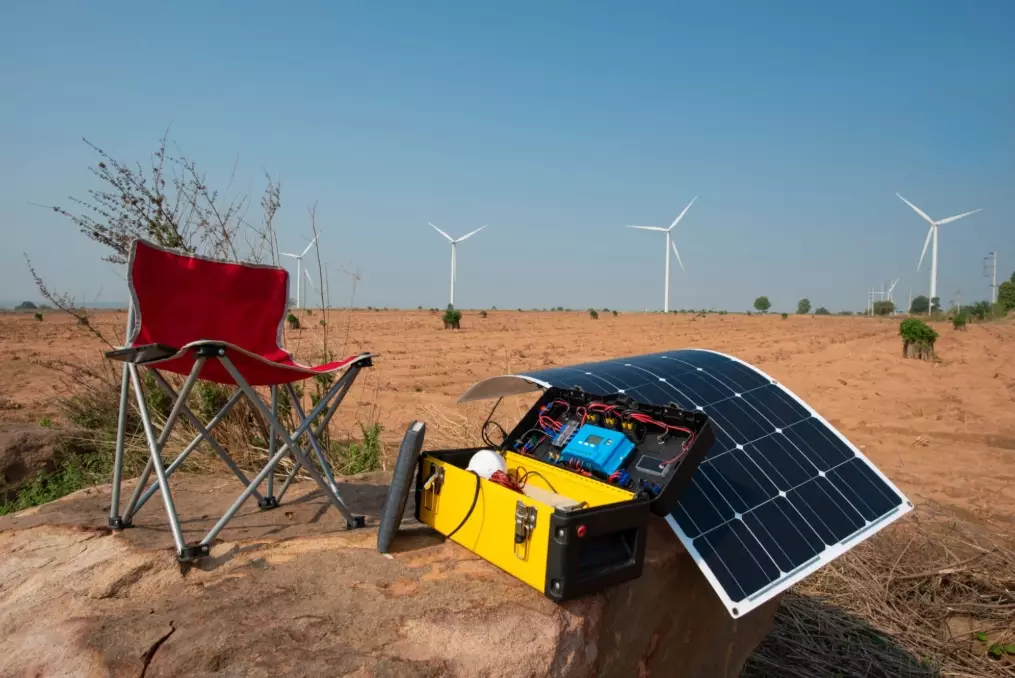
Your Quick Trail Map to Energy Savings
Start With a Simple Power Audit
Before you spend a dollar on a new battery or panel, you need to know what you're powering. This is the step almost everyone skips, and it leads to buying gear that's either woefully underpowered or a massive, expensive overkill.
Grab a notebook. List every device you plan to bring and estimate its daily use. The key metric is Watt-hours (Wh). You can often find this on the device's label or manual. If you see amps (A) and volts (V), multiply them (A x V) to get Watts. Then multiply Watts by hours of use to get Watt-hours.
Let's run a quick, real-world scenario for a 3-day car camping trip for two people:
- LED Lantern (5W): Used 4 hours per night. 5W x 4h = 20 Wh per day.
- Phone Charging (10W): Two phones, charged from 20% to 100% once daily. About 15 Wh per phone. Total: 30 Wh per day.
- Portable Camping Fridge (45W): Cycles on/off. A good 12V fridge might use about 300-600 Wh over 24 hours. Let's take a middle estimate: 450 Wh per day.
- Camera Battery (8W): Charged every other day. (8W x 2h) / 2 days = 8 Wh per day.
Add it up: 20 + 30 + 450 + 8 = 508 Wh per day. For a 3-day trip without any sun for recharging, you'd need a battery with at least 1524 Wh of capacity. See how that fridge dominates? This simple math instantly shows you where to focus your efficiency efforts.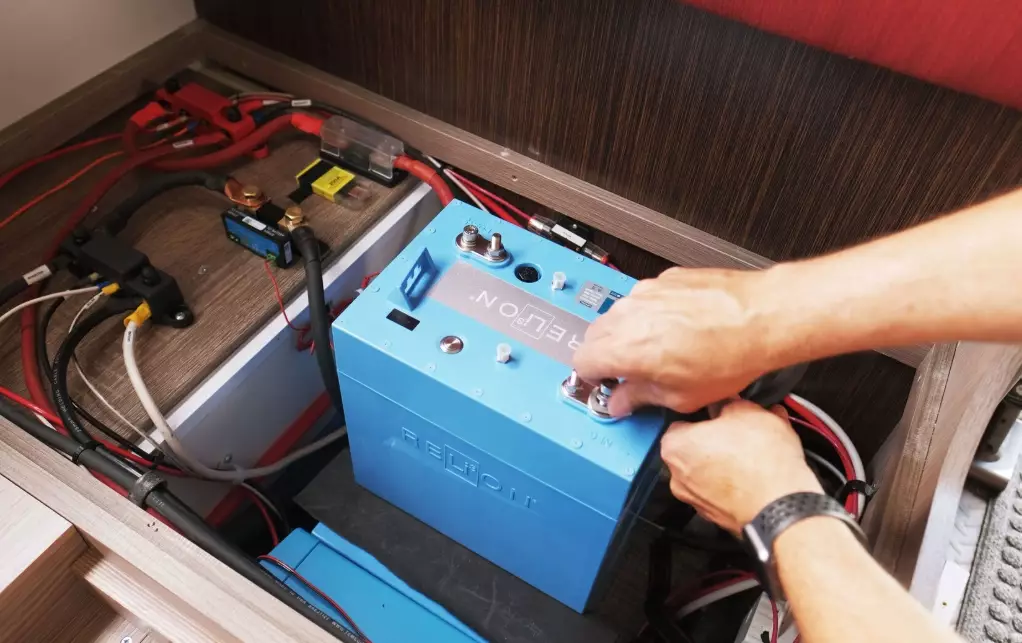
Pro Tip: That fridge number is where most people get shocked. A common "mistake" is using a cheap, inefficient cooler that runs constantly. Investing in a high-efficiency compressor fridge, like those from Dometic or ICECO, can cut that daily consumption by 30-50%. Sometimes, the most efficient gear is the one that uses less power to begin with.
How to Choose Energy Efficient Camping Gear
Not all camping gear is created equal. Efficiency should be a top spec, right next to price and weight.
Lighting: LEDs Are Just the Start
Yes, use LED lights. But go further. Look for lights with multiple brightness settings. Running a lantern at 50% brightness often uses less than half the power of full blast. My personal favorite are dimmable, rechargeable lanterns with a warm light setting—they use less power than cool white LEDs and are easier on the eyes at night.
The Big Three: Fridge, Heater, Stove
These are your energy hogs.
- Fridge: As mentioned, a 12V compressor fridge is leagues more efficient than a thermoelectric cooler (which is basically a power-hungry fan). A thermoelectric might use 600-800 Wh to do what a good compressor does in 300 Wh.
- Heater: Electric heaters are a battery's worst nightmare. A small 300W heater will drain a 500Wh battery in under two hours. For heat, look to propane (with proper ventilation) or better insulation (a good sleeping bag).
- Stove: This is easy. Use propane, butane, or white gas. Electric camping stoves exist, but they are for RVs with hookups, not off-grid efficiency.
| Gear Type | High-Efficiency Choice | Energy Hog Alternative | Key Efficiency Metric |
|---|---|---|---|
| Camping Fridge | 12V DC Compressor Fridge | Thermoelectric Cooler | Look for low "Amp draw @12V" (e.g., 0.8A vs 4A) |
| Lantern | Dimmable, Multi-mode LED Lantern | Single-mode, Non-dimmable LED | Lumens per Watt (higher is better) |
| Power Source | Lithium Iron Phosphate (LiFePO4) Battery | Lead-Acid or older Lithium-ion | Depth of Discharge (LiFePO4: 80-100%, Lead-Acid: 50%) |
| Phone Charger | DC-DC Car Charger (plugged into your battery) | Using an Inverter to power an AC wall charger | Inverters waste 10-15% power in conversion loss |
Mastering Solar Power for Camping
Solar is your best friend for extending a trip, but it's not a magic bullet. You have to manage expectations.
A 100W solar panel, under perfect, direct midday sun, might produce 80-90 Watts. But camping rarely offers perfect conditions. Trees, clouds, and the angle of the sun dramatically cut output. A realistic average for a summer day might be 300-400 Watt-hours of energy harvested.
Here’s the non-consensus part: Panel wattage is less important than battery capacity. A huge 200W panel is useless if your small battery is full by 11 AM. Your solar panel's job is to replenish your daily consumption from the audit. If you use 500Wh/day, a setup that harvests 500Wh/day in your camping conditions is your goal.
Setup matters. Laying the panel flat on the ground is the worst option. Use an adjustable kickstand to tilt it towards the sun. Even a small improvement in angle can yield 20-30% more power. Clean the panel surface in the morning—dust and dew are blockers.
Smart Habits That Double Your Battery Life
Technology gets you halfway. Your habits complete the journey.
- Embrace Airplane Mode: Your phone searching for a weak signal is a major drain. Switch to airplane mode and only turn on cellular data when you need it. Download maps, music, and podcasts beforehand.
- Pre-Chill Everything: Don't put warm drinks and food into your camping fridge. Cool them down in a traditional cooler with ice first, or pre-chill the fridge on AC power before you leave home. This drastically reduces the initial cooling workload.
- The 10-Minute Inverter Rule: If you must use an inverter for something like a laptop, plug it in, do your work, and turn the inverter off when done. An idle inverter still draws power.
- Layer Up, Not Heat Up: When the evening gets chilly, your first move should be to put on a jacket or get into a warmer sleeping bag, not to reach for a power-draining electric blanket.
These aren't sacrifices. They're small shifts that make your power system robust and reliable.
Putting It All Together: Building Your System
Let's design a system for our 3-day car camping example (508 Wh/day).
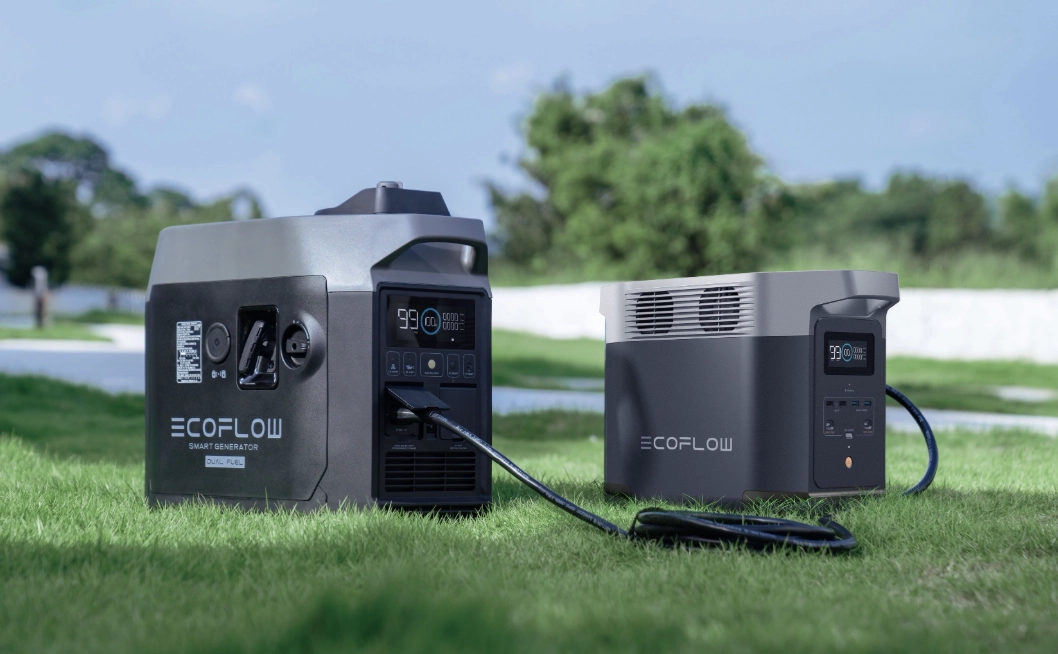
Step 1: The Battery. We need at least 1524 Wh for no sun. A popular, efficient choice is a 1500Wh LiFePO4 power station (like those from EcoFlow or Jackery). We can use 100% of its capacity.
Step 2: The Replenishment. We want to recharge daily. A single 200W solar panel, given decent sun, should harvest 600-800+ Wh/day. That covers our daily use with a buffer. We pair it with the power station.
Step 3: The Gear. We commit to a compressor fridge, dimmable LEDs, and DC charging for phones.
Step 4: The Habits. We pre-chill, use airplane mode, and manage the fridge opening.
With this system, you're not just surviving three days; you could potentially camp indefinitely in sunny weather, because your daily solar harvest meets or exceeds your daily use. That's true camping energy efficiency.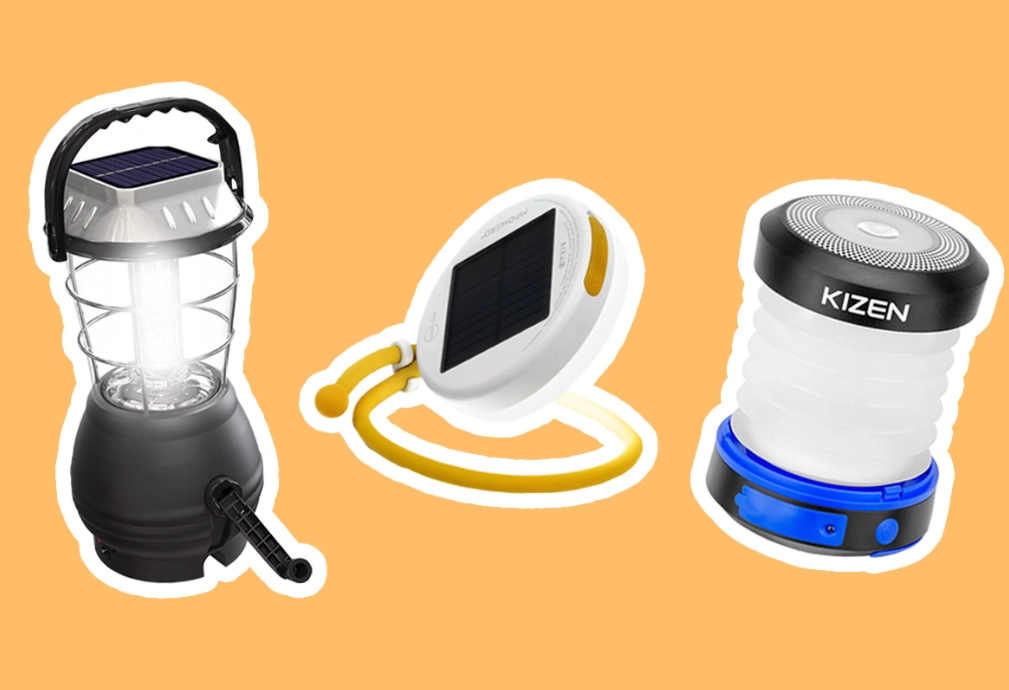
Expert Answers to Your Energy Questions
 Is it worth getting a lithium (LiFePO4) battery over a cheaper lead-acid one?