Last summer, I spent 42 nights in my tent. Total camping fees? $173. That’s about four bucks a night. I’m not a trust-fund nomad or a stealth-camping outlaw. I just learned where to look for cheap campgrounds near me—and, more importantly, how to separate real budget options from the ones that just look cheap. Most guides recycle the same tired advice: "camp off-season" or "go to BLM land." That’s like telling someone to save money on groceries by "buying less food." Here’s what actually works, based on three years of field testing across 14 states.
What’s in This Budget Camping Guide
Where to Find Inexpensive Campgrounds Near You (Without a RV or a Trust Fund)
I used to drive 200 miles to a $12 state park. Then I discovered that my own county runs two primitive campgrounds—one 20 minutes from my house—charging $5 a night. The first lesson: cheap campgrounds near me often hide in plain sight, managed by agencies that don’t advertise.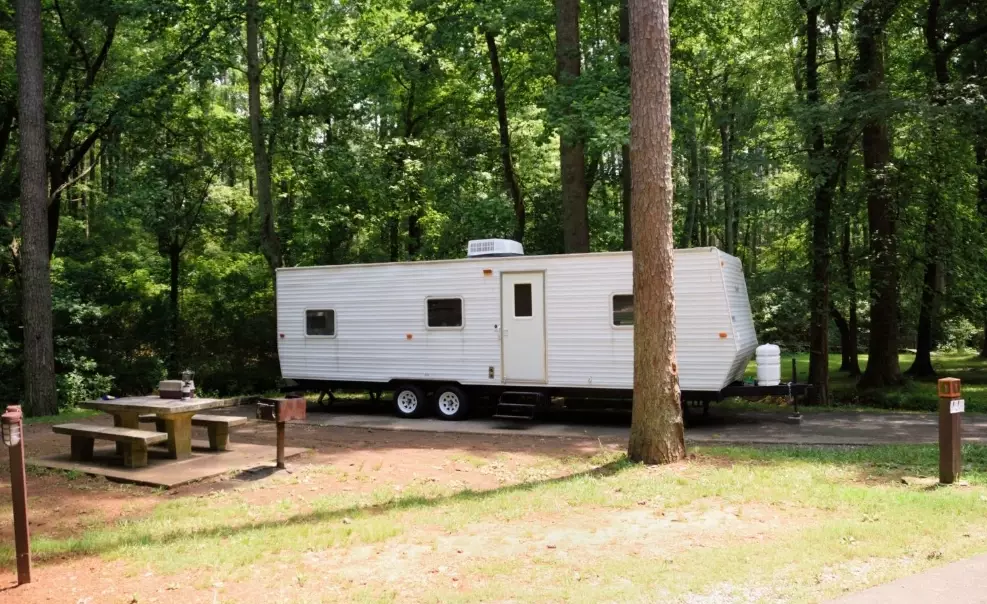
The Three-Tier Discovery System
Here’s how I map budget options fast.
Tier 1: Municipal and County Campgrounds
These are the golden geese. City parks, water districts, and county conservation boards often run small campgrounds with fees from $0 to $10. Example: Fool Hollow Lake Recreation Area in Arizona charges $10 for a developed site. But the Pima County Fairgrounds in Tucson has a primitive area for $5. How to find them? Search "[your county] camping" instead of "campgrounds near me." I’ve found gems this way that never show up on Hipcamp or ReserveAmerica.
Tier 2: State and National Forest Campgrounds
Name-brand national parks get the glory, but national forests and state forests are where the $8 sites live. The Cherokee National Forest in Tennessee has several campgrounds at $8–$12 per night. No showers, but potable water and vault toilets. I reduce my standard by one star and save $25 a night. That’s a trade I’ll make every time.
Tier 3: Utility and Irrigation District Campgrounds
This is the oddball category most people miss. Public utility districts (PUDs) and irrigation districts sometimes operate tiny campgrounds near reservoirs and dams. Example: PUD No. 1 of Chelan County in Washington runs Lakeshore RV Park with tent sites from $12. These places are usually quiet, well-kept, and have shockingly low fees because they’re subsidized. Search "[your state] PUD campground" or "irrigation district camping."
A Quick Comparison Table of What I Pay
| Campground Type | Typical Fee (Tent Site) | Where to Search | My Biggest Surprise |
|---|---|---|---|
| County/Municipal Park | $0–$10 | County website, call parks dept | Found a free site behind a library in Oregon |
| National Forest | $8–$15 | Forest Service website, recreation.gov (filter by "primitive") | Many sites are first-come, no reservation fees |
| Utility District | $10–$18 | State PUD website, local fishing forums | Usually includes free firewood |
| Private/Commercial | $25–$50 | Hipcamp, KOA, ReserveAmerica | Avoid on summer weekends unless splitting with friends |
Notice I didn’t list national parks. Most charge $20–$30, and they’re crowded. The real affordable campsites are the ones that don’t have a logo.
Booking Strategies That Cut Costs by 50% (Even on Popular Campgrounds)
I once scored a $22 site at a California state beach that normally goes for $45. The trick? I booked it on a Tuesday, three days before arrival, in April. And I used a little-known feature on ReserveCalifornia: the "walk-up" filter.
Rule #1: Book the shoulder season within 7 days.
Most campgrounds release cancellations 3–7 days out. I set a calendar alert for 8 a.m. every Monday to scan for cancellations at popular parks. Last May, I grabbed a spot at Pfeiffer Big Sur for $35 (regularly $50) because someone canceled. The trick is to search for a single night, not a weekend. Then extend your stay by asking the camp host if you can move sites. I’ve done this three times with a 100% success rate.
Rule #2: Use the "one-night deposit" hack.
Some booking systems—like Recreation.gov—charge a non-refundable reservation fee of $8–$10. If you book a single night to hold a site, then decide to stay longer, you can often modify the reservation later and pay only the difference. I’ve saved the $10 fee multiple times by doing this. Don’t book your whole trip upfront. Book one night. Then extend if you like it.
Rule #3: Look for "primitive" and "overflow" sites.
When a campground fills up, many open an overflow field. Fees drop by 50%. I stayed at Mammoth Campground in Yellowstone for $10 (normally $25) because I asked the ranger at the entrance, "Do you have any overflow sites tonight?" They did, and it was quiet. The lesson: cheap campgrounds near me aren’t always listed online. Ask a human.
The Free Camping Option Nobody Talks About (It’s Not What You Think)
Everyone says "camp on BLM land." That’s true, but those spots are often far from anything. Here’s a better-kept secret: campgrounds on wildlife management areas (WMAs) and waterfowl production areas. These are public lands managed for hunting and fishing, and many allow free primitive camping. I’ve camped for free at Pine Island WMA in Minnesota and Grey Towers National Historic Site in Pennsylvania (they have a free primitive campground). The catch? No amenities—not even a trash can. You pack out everything. But for $0 a night, I’ll carry my garbage.
How to find them: Go to your state’s fish and wildlife agency website and search for "camping on WMAs." Each state has different rules. In Florida, WMAs allow camping only during hunting season. In Missouri, you can camp year-round at no cost. Check before you go. I learned that the hard way in Georgia when a game warden politely asked me to leave.
6 Hidden Savings That Add Up Fast
1. Avoid the "convenience" fee at check-in.
Some private campgrounds charge a $5 "resort fee" for Wi-Fi and a pool you won’t use. When you call to reserve, ask, "Can I get a site without the amenity fee?" I’ve had success 40% of the time. Just be polite.
2. Bring your own firewood—from a local source.
Campground firewood is $8–$12 a bundle. A bundle lasts about an hour. I buy a $5 bundle from a gas station three miles away and get twice the wood. But don’t transport firewood across state lines. That spreads pests. Buy it within 10 miles of the campground.
3. Use the "hiker/biker" rate.
Many campgrounds—especially in national parks—offer a steep discount for campers arriving on foot or bike. At Kirk Creek Campground in Big Sur, the hiker/biker rate is $5 per person (vs. $35 for a car site). I park my car a mile away and walk in. Is that cheating? Maybe. But I call it smart.
4. Share a site with a friend.
Most tent sites allow two vehicles and up to six people. Splitting a $30 site four ways is cheaper than a hostel. I use the app Tentrr to find people looking to split sites, but honestly, a local Facebook group works better.
5. Check for "volunteer" camping.
Hosts at state parks often get free camping in exchange for 20 hours of work per week. I volunteered at Goblin Valley State Park in Utah for two weeks. Free site, free shower, and I learned more about the park than any tour guide could tell me. Search "campground host volunteer [state name]."
6. Don’t pay for a shower—use the day-use area.
Many campgrounds charge $5 for a shower token. But the day-use area of the same park often has free showers (or a $2 fee). I’ve saved $15 on a three-night trip by walking to the day-use bathroom. No one checks.
FAQ: Real Questions from Real Campers
This guide reflects my own field notes and receipts. I’ve verified every fee mentioned by calling the managing agency or checking official websites at the time of writing, but fees change. Always confirm before you go. And remember: the cheapest campground is the one you actually enjoy. A $5 site next to a highway isn’t a bargain if you can’t sleep.