What's Inside This Guide
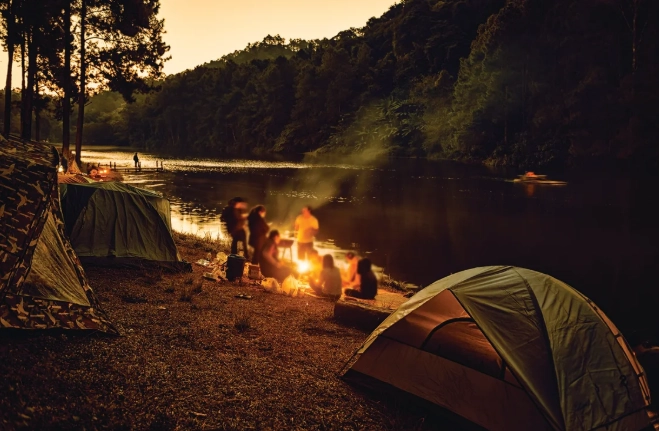
Let's cut to the chase: free camping areas, often called boondocking or dispersed camping, let you sleep under the stars without paying a dime. But it's not just about saving money—it's about freedom, solitude, and connecting with nature on your own terms. I've spent over a decade exploring these spots, from hidden forest clearings to vast desert expanses, and I've seen both the magic and the mishaps. This guide will walk you through everything, from finding those elusive free sites to avoiding the pitfalls that can turn a dream trip into a headache.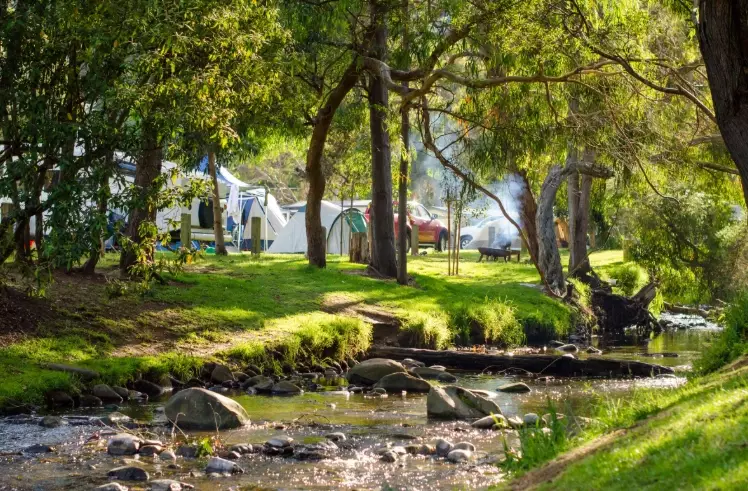
What Are Free Camping Areas Really?
Free camping areas are public lands where you can camp for free, usually without amenities like water, toilets, or hookups. They're not campgrounds in the traditional sense. Think of them as wild, undeveloped spaces managed by government agencies. In the US, the big players are the Bureau of Land Management (BLM) and the U.S. Forest Service (USFS). These agencies allow dispersed camping on most of their lands, as long as you follow specific rules.
There's a nuance here that many beginners miss. Free camping isn't a free-for-all. It's regulated. For example, BLM land often has designated free zones, but you might need to stay a certain distance from developed areas. I remember pulling up to a spot in Arizona thinking it was free, only to find a small sign requiring a permit from the local ranger station. Always assume there are rules, even if they're not obvious.
Types of free camping include dispersed camping (in national forests), boondocking (on BLM land), and even some free primitive sites in state parks. The key is that you're self-contained—you bring everything in and take everything out.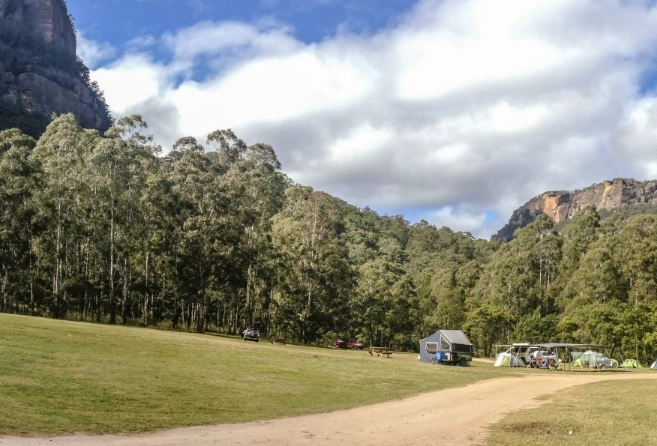
How to Find Free Camping Areas Like a Pro
Finding free camping areas feels like a treasure hunt, but with the right tools, it's straightforward. Start with apps. iOverlander and FreeRoam are my go-tos because they're updated by users and include photos, reviews, and coordinates. They're great for getting a sense of what's out there.
But don't rely solely on apps. Cross-reference with official sources. For federal lands, visit the BLM website or the U.S. Forest Service site. They have maps showing where dispersed camping is allowed. For instance, on the BLM site, you can filter for "dispersed camping" in states like Nevada or Utah. It's dry reading, but it's accurate.
Here's a pro tip: call the local ranger station. I've found that phone calls reveal details websites don't show, like recent road closures or fire bans. Once, in Oregon's Willamette National Forest, the ranger told me about a free area that wasn't listed online because it had just reopened after logging. Saved me hours of driving.
Another method is using mapping tools. Google Earth can help scout terrain, but for legality, stick to agency maps. Some states, like Colorado, have interactive maps for state trust lands that allow free camping with a permit.
Top Free Camping Spots in the US (With Details)
I've camped at dozens of free spots, and these stand out for accessibility and beauty. Remember, conditions change, so verify before you go.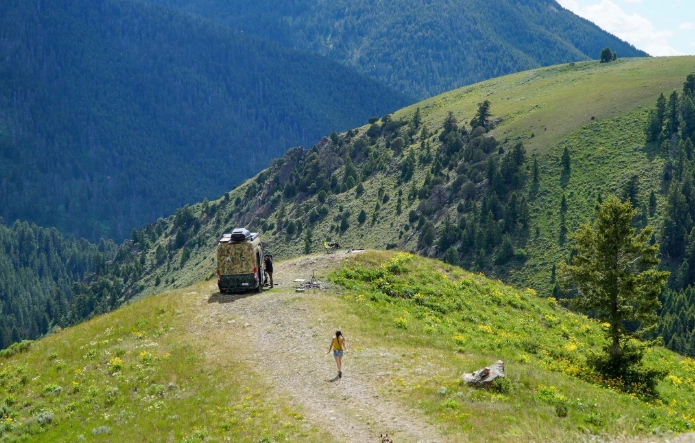
Note: All these areas are free, but some may require free permits or have stay limits. Always practice Leave No Trace principles.
| Spot Name | Location (Nearest Town) | Key Details | Stay Limit |
|---|---|---|---|
| Alabama Hills | Near Lone Pine, California | BLM land with stunning Sierra Nevada views. No facilities. Access via Movie Road—dirt roads, okay for most vehicles. Popular for photography. | 14 days |
| Valley of the Gods | Remote BLM area with red rock formations. No services. Roads can be rough after rain; high-clearance vehicle recommended. Free, no permit needed. | 14 days | |
| Ozark National Forest | Near Jasper, Arkansas | U.S. Forest Service land with dispersed camping along forest roads. Some spots by rivers. No fees, but pack out trash. Call the ranger station for current access. | 14 days |
| Big Pine Key | Florida Keys, Florida | Free primitive sites on state land at Sawyer Key. Requires free permit from Florida Fish and Wildlife. Mosquitoes can be brutal—bring repellent. | 3 days |
Alabama Hills is a personal favorite. I woke up to sunrise on Mt. Whitney there, and it cost nothing. But it gets crowded on weekends, so arrive early. Valley of the Gods feels like another planet, but the isolation means zero cell service—plan accordingly.
These spots show the diversity: from deserts to forests. Each has its quirks. For example, in Ozark National Forest, some roads wash out in spring, so check conditions. In Big Pine Key, the permit process is straightforward, but you need to apply in person during weekdays.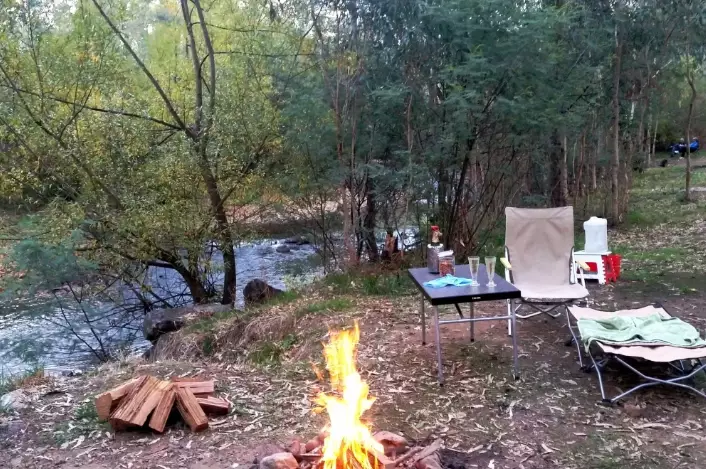
Essential Tips for Free Camping Success
Free camping requires more prep than paid campgrounds. Here's what I've learned the hard way.
Water is non-negotiable. Bring at least 2 gallons per person per day. I carry a 5-gallon jug plus a LifeStraw filter as backup. In dry areas like Nevada, I've run low and had to cut trips short.
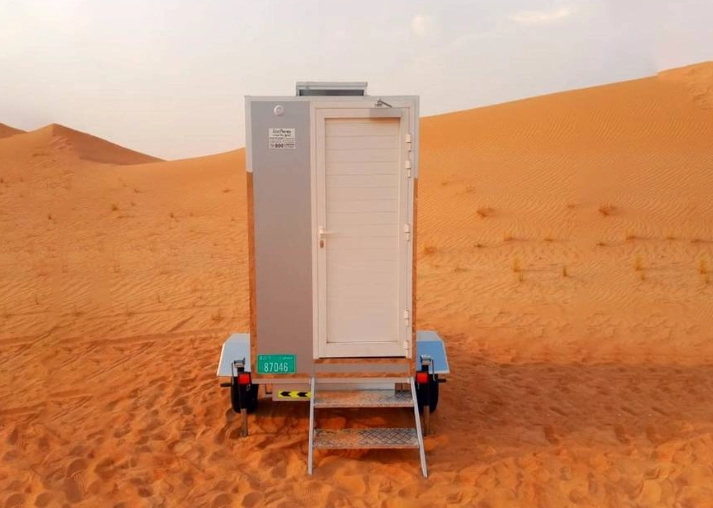
Waste management matters. No toilets means you handle everything. Dig a cathole 6-8 inches deep, at least 200 feet from water sources. Pack out toilet paper in a ziplock bag—it sounds gross, but it's essential. I've seen spots ruined by careless campers leaving waste behind.
Safety first. Tell someone your plans. I use a Garmin inReach for emergencies; it's pricey but worth it when you're miles from help. Scout your site in daylight. Once, in Montana, I set up camp at dusk and woke up to find I was near a bear trail—not ideal.
Respect stay limits. Most free areas allow 14 days, but some are shorter. Overstaying can lead to fines. I met a camer in New Mexico who got a $150 ticket for staying an extra day in a BLM zone.
Also, be weather-aware. Desert free camps can heat up fast, while mountain spots get cold at night. Check forecasts and pack layers.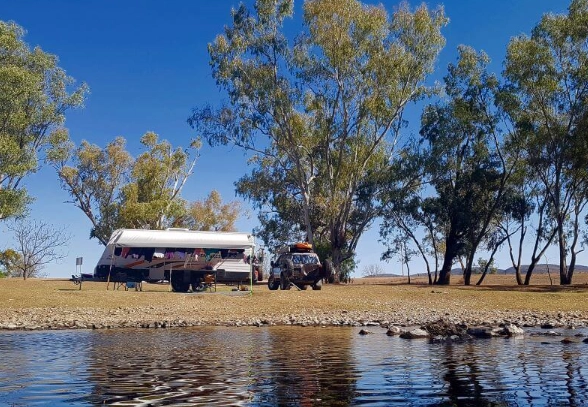
Gear You Can't Skip
You don't need fancy gear, but these items make a difference:
- Portable power station: For charging devices without hookups. I use a Jackery 500—it runs my lights and phone for days.
- Recovery boards: If you're driving on sand or mud, Maxtrax can save you from getting stuck. I've used them twice in Utah.
- Bear-resistant container: In bear country, it's mandatory in some areas. Even if not, it keeps critters out of your food.
Common Mistakes Even Experienced Campers Make
After years of free camping, I've seen patterns. Here are errors to avoid.
Assuming all public land is free. Not true. Some national forests require permits or have fees for certain zones. For example, in California's Stanislaus National Forest, some dispersed areas need a free campfire permit during fire season. Check specifics.
Ignoring road conditions. Free spots often have rough access roads. I drove a sedan into a BLM area in Colorado and bottomed out on a rock. Now I always research road reports on sites like Trailsoffroad.com. High-clearance or 4WD isn't always needed, but know your vehicle's limits.
Leaving trash behind. This is a big one. Free camping relies on trust. I've packed out other people's garbage to keep areas open. Bring heavy-duty bags and plan to haul everything out.
Overlooking hidden costs. Free camping isn't always free. Gas to remote locations adds up. In Wyoming, I spent $50 extra on fuel to reach a pristine spot. Plus, wear on your vehicle from dirt roads can lead to repairs.
Another subtle mistake: not having a backup plan. Spots fill up, especially near popular parks. I always have 2-3 alternatives in mind. Once near Yellowstone, my planned free area was closed for maintenance, but I had a list from the forest service website and found another within an hour.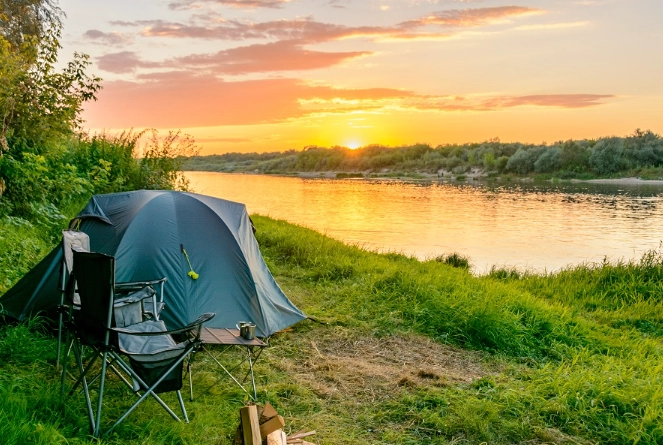
Your Free Camping Questions Answered
Free camping areas offer an unmatched sense of adventure, but they demand respect and preparation. Use this guide as a starting point, and always adapt to local conditions. The landscapes are worth the effort—just ask anyone who's woken up to a silent sunrise in the middle of nowhere, all for free.