You pitch the tent, breathe the pine-scented air, and feel a sense of calm. But beyond the mental reset, what's actually happening to your body? The connection between camping physical health is profound, backed by more than just folk wisdom. It's a full-system upgrade with a few potential bugs you need to patch. I've spent over a decade guiding trips, and I've seen people transform from weekend couch potatoes into capable hikers. I've also seen people make the same avoidable mistakes that turn a healing retreat into a painful slog.
This isn't about vague "nature is good" statements. We're going deep on the physiological changes, the often-ignored risks, and the exact steps to make your next trip a net positive for your body.
What You'll Discover
The Science-Backed Physical Health Benefits of Camping
Let's cut to the chase. Why does sleeping on the ground beat your memory foam mattress for your body? The benefits stack up in surprising ways.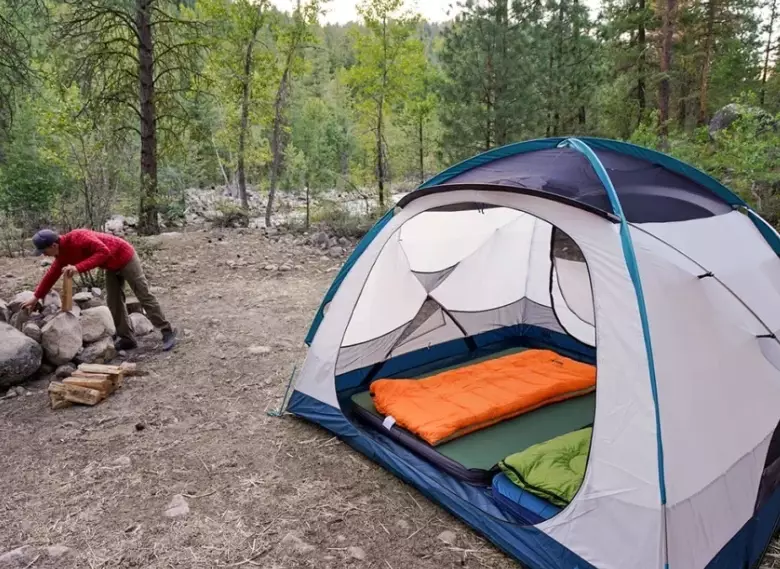
Resetting Your Sleep Clock (It's Not Just the Air)
Everyone says they sleep better camping. The reason is brutal simplicity: darkness and light. Our bodies run on a circadian rhythm governed by light exposure. At home, screens and artificial light after sunset confuse our brains, suppressing melatonin. A study published in Current Biology found that a weekend of camping reset participants' melatonin cycles by over 80%, syncing them with natural sunrise and sunset.
The result? You fall asleep easier, experience deeper sleep cycles, and wake up feeling genuinely refreshed, not just caffeinated. This isn't a placebo effect; it's your biology finally getting the right signals.
Accidental Exercise and Functional Fitness
You won't find a treadmill in the woods. The fitness from camping is functional and incidental. Setting up camp, gathering firewood, hiking to a vista, filtering water—these are compound movements that engage stabilizer muscles your gym routine might miss.
Carrying a loaded backpack (even a 20-pound one) is a full-body workout that improves posture and core strength. A moderate 2-hour hike can burn between 400-700 calories, depending on your pack weight and terrain. The varied, uneven ground challenges your balance and proprioception in a way a flat pavement never will.
The Immune System Boost Beyond "Fresh Air"
"Fresh air" is part of it, but the magic ingredient might be phytoncides. These are antimicrobial compounds released by trees, especially conifers like pine and cedar. Research from Japan (the home of Shinrin-yoku or "forest bathing") shows that breathing in phytoncides increases the activity and number of natural killer (NK) cells, a type of white blood cell that fights infections and even tumors.
You're also exposing your body to a diverse array of environmental microbes, which can help train and strengthen your immune system, potentially reducing inflammation. It's like a system update for your internal defenses.
Sunlight: The Ultimate Vitamin D Factory
Moderate, sensible sun exposure is the most efficient way to produce Vitamin D, crucial for bone health, calcium absorption, and immune function. Just 15-30 minutes of midday sun on your arms and legs can generate a significant amount. Most of us are deficient, stuck indoors. Camping forces you into the light.
| Camping Activity | Primary Physical Benefit | Key Consideration |
|---|---|---|
| Hiking with Pack | Cardiovascular endurance, leg & core strength, calorie burn. | Start with a pack weight |
| Setting Up Camp | Functional strength, flexibility, coordination. | Use your legs, not your back, when lifting. |
| Gathering Firewood | Grip strength, rotational movement, light cardio. | Only gather dead, fallen wood; never break branches. |
| Sleeping on a Pad | Can improve sleep cycle alignment & spinal alignment. | Invest in a pad with sufficient R-value for insulation. |
The Hidden Physical Risks of Camping (And How to Avoid Them)
Now, the part most blogs gloss over. Camping can hurt you if you're not smart about it. I've seen more trips ruined by preventable physical issues than by bad weather.
Overuse Injuries: The "Weekend Warrior" Trap
This is the big one. You sit at a desk all week, then on Saturday you attempt a 10-mile hike with 2,000 feet of elevation gain. Your tendons, ligaments, and stabilizer muscles aren't ready. The result? Shin splints, plantar fasciitis, knee pain, or a strained Achilles.
The fix is gradual progression. Don't let the epic trail photos fool you. If your regular walk is 3 flat miles, a camping hike should be 4-5 miles with mild hills. Build up over multiple trips.
Poor Sleep Setup Leading to Aches
A bad sleeping pad isn't just uncomfortable; it's a one-way ticket to back and hip pain. The ground sucks heat and provides zero cushion. An under-insulated or too-thin pad will leave you stiff and sore, negating any sleep cycle benefits.
Dehydration and Altitude Sickness
You're more active and often at higher elevations. You forget to drink because you're not near a tap. Dehydration creeps in, causing headaches, fatigue, and dizziness. At higher campsites (>8,000 feet), altitude sickness can hit with nausea, headache, and shortness of breath.
Drink water consistently, not just when you're thirsty. If heading high, spend a night at an intermediate elevation to acclimatize.
Vector-Borne Diseases and Water Safety
Ticks (Lyme disease), mosquitoes (various viruses), and contaminated water (giardia) are real physical health threats. A tick bite can have long-term consequences.
Use EPA-registered insect repellent (like those containing picaridin or 20-30% DEET), do thorough tick checks at the end of each day, and always treat water from natural sources, even if it looks crystal clear. Giardia doesn't care how pretty the stream is. The CDC has clear guidelines on preventing tick bites that are worth reviewing before you go.
How to Plan a Camping Trip That Boosts Your Health
Let's make this actionable. Here’s a framework for planning a trip where the health benefits vastly outweigh the risks.
Step 1: Honestly Assess Your Baseline Fitness
Be real with yourself. Can you walk 5 miles on a paved trail? Carry 15 pounds up a flight of stairs without being winded? Your trip plan hinges on this. Choose a campground and trails rated "easy" or "moderate" that match or slightly exceed your current ability. National Park Service trail descriptions are usually accurate for difficulty.
Step 2: Gear Up for Support, Not Suffering
- Footwear: Trail runners or hiking boots broken in before the trip. Blisters are a physical health disaster.
- Sleep System: A sleeping pad with an R-value suitable for the expected nighttime lows. Side sleepers need thicker pads.
- Backpack: Properly fitted. The hip belt should carry 80% of the weight, not your shoulders.
- Trekking Poles: Not just for old folks. They reduce impact on knees and ankles by 25-30% on descents.
Step 3: Craft a "Movement Menu" for Your Trip
Plan activities like you'd plan meals. Mix intensity and purpose.
Day 1 (Arrival): Light activity. Set up camp, take a short 1-2 mile exploratory walk around the lake or campground loop. Focus on acclimating.
Day 2: Your main hike. Aim for the morning when energy is high. Pack plenty of water and snacks.
Day 3: Active recovery. Maybe some gentle stretching by the tent, foraging for kindling, or a leisurely swim if water is safe and available.
Step 4: Nutrition and Hydration Strategy
Pack food that fuels activity: complex carbs (oatmeal, whole grain tortillas), proteins (nuts, jerky, tuna packets), and healthy fats. Avoid heavy, greasy meals that sit in your gut before activity. Pre-hydrate the day before you leave. Carry more water than you think you need and know where to refill safely.
Listen to your body. That extra mile to the summit isn't worth it if your knee is twinging. The goal is to return home feeling better than when you left, not injured.
Your Camping Health Questions, Answered
I have a bad back. Can I still camp without making it worse?
How do I avoid being sore all over after a camping trip?
Is camping actually good for weight loss or fitness building?
What's the single biggest mistake people make regarding camping physical health?
I have a chronic health condition (e.g., asthma, diabetes). What extra precautions should I take?