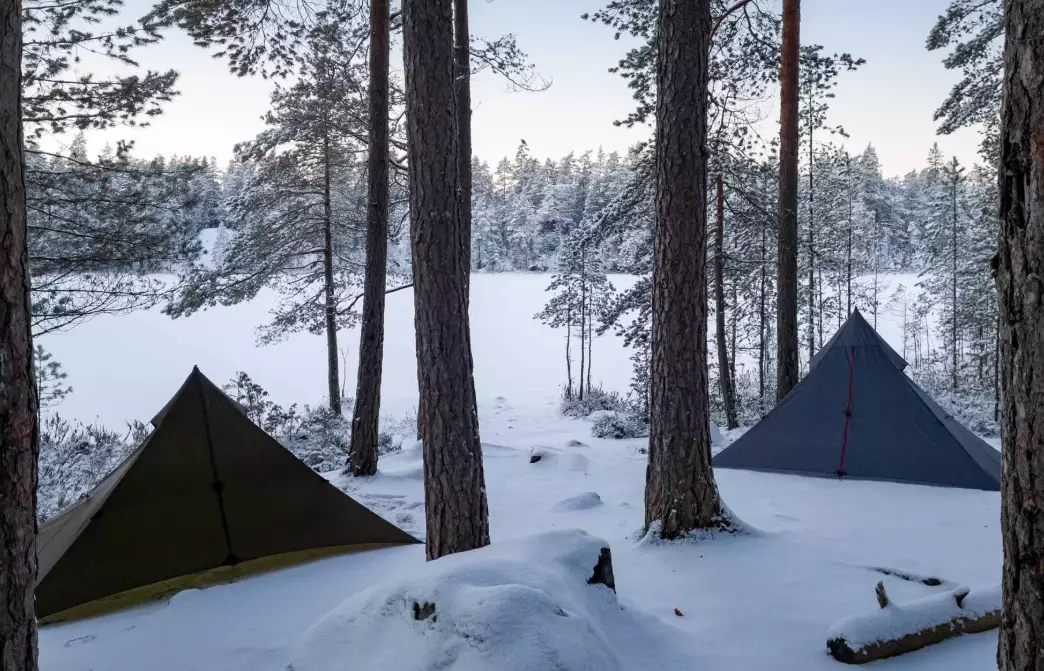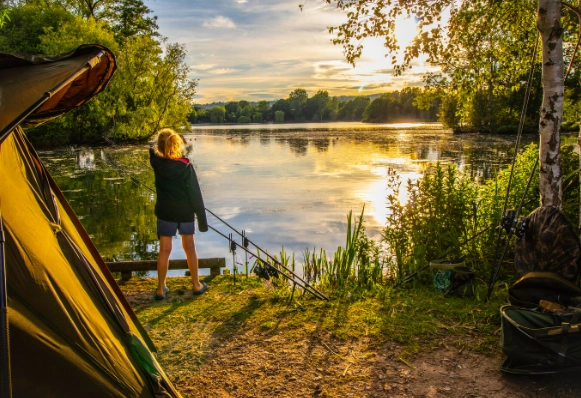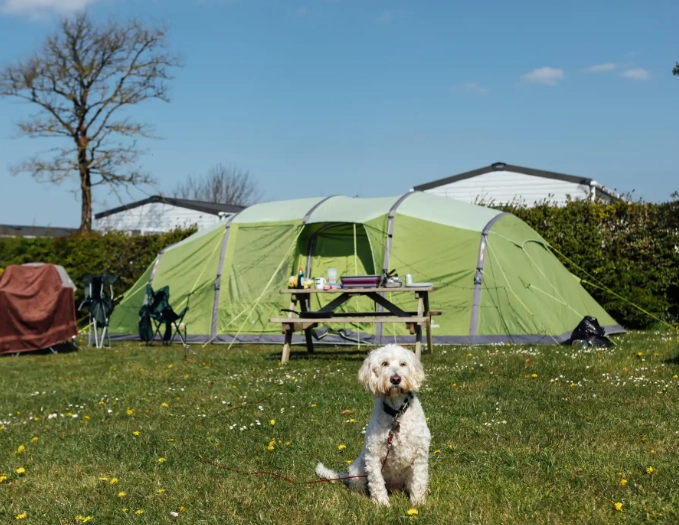
Ten years of testing tents, hauling coolers, and watching beginners spiral in REI aisles taught me one thing: there are really just 4 types of camping, and the wrong pick ruins the trip before you leave the driveway. I'm not talking about marketing labels. Car camping, backpacking, RV camping, and glamping each demand a different gear list, budget, and tolerance for discomfort. Below I break down exactly what each style costs, where it works, and the specific mistakes I see every single season.
What's in this guide
Car Camping: The Drive-In Default
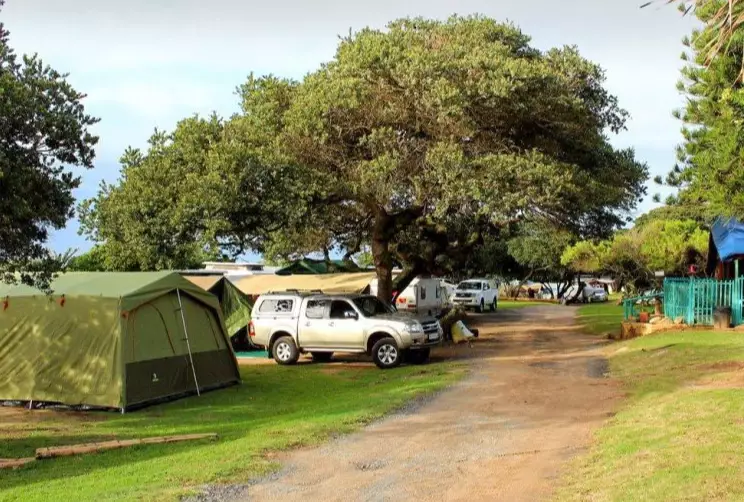
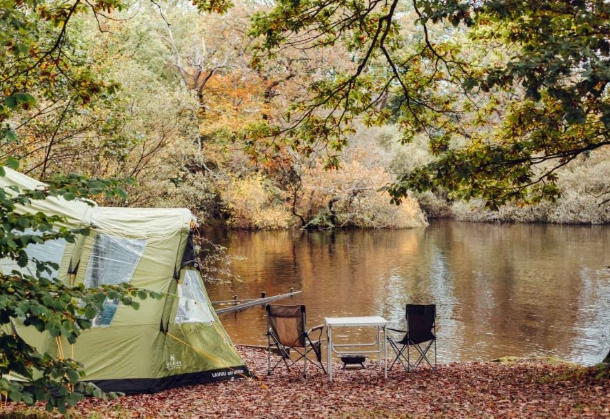
This is where almost everyone starts. You park within 50 feet of your tent pad, unload whatever fits in the trunk, and sleep on a $30 air mattress from Walmart. I've done this in Yosemite's Upper Pines Campground (reservations open five months out, about $36 per night) and at a random BLM pullout outside Moab that cost exactly zero dollars.
Car camping feels easy until you hit three very specific pain points. First, the cooler. Ice melts in 8 hours if you buy a cheap one — I learned that in 95-degree heat at Zion. Second, tent footprint. A 10-person tent sounds fun until you realize most national park pads max out at 12 by 12 feet. Third, noise. Generators, crying toddlers, and that one guy who thinks 7 a.m. is a good time for a Bluetooth speaker. Earplugs aren't optional.
Gear that actually matters: a decent sleeping pad (the Klymit Static V costs around $70 and packs small), a headlamp, and a two-burner stove. Skip the elaborate camp kitchen on your first trip. Nobody needs a cast-iron Dutch oven when you're just boiling water for instant ramen.
Backpacking: Everything on Your Back
Backpacking filters out the casual. You carry your shelter, sleep system, food, and water — often across 8 to 12 miles a day. My first trip on the Four Pass Loop near Aspen taught me a hard lesson: my pack weighed 38 pounds, and by day two I was cursing every extra t-shirt. Experienced hikers aim for 20 to 25 pounds base weight. That means spending real money on lightweight gear. A good ultralight tent like the Big Agnes Copper Spur runs $450 to $500.
The upside? You reach places car campers never see. Alpine lakes, ridge lines, silence so complete you hear your own heartbeat. The downside is invisible to beginners: water sources. On the Superstition Mountains' Dutchman Trail in Arizona, the only reliable spring was 6 miles in — I filtered from a puddle that a cow had clearly visited. Carry a backup filter and know the seasonal water report before you go.
Permits matter, too. Mount Whitney requires a lottery entry. The Wonderland Trail around Mount Rainier has a 1-in-10 success rate in peak season. Apply early, or you're not going.
RV Camping: The Rolling Apartment
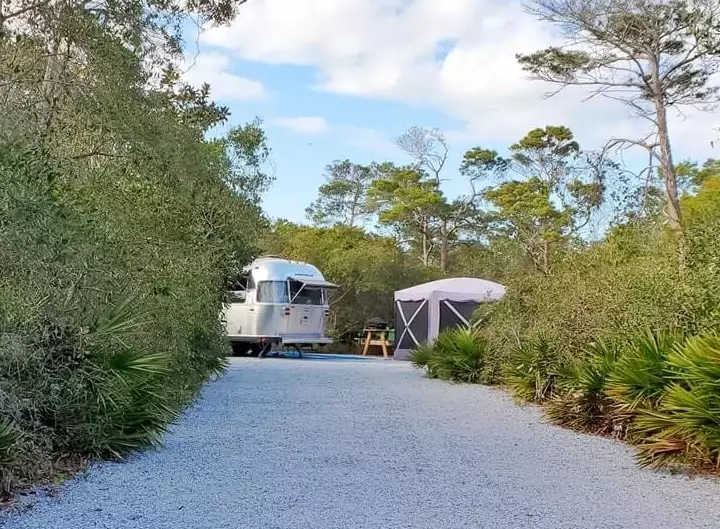
An RV solves most camping complaints: real mattress, fridge, toilet, heat. I rented a 25-foot Class C from Cruise America in Denver for a week ($180 per night, plus mileage) and drove through Rocky Mountain National Park. Showers every morning changed my whole attitude. But RV camping has its own trapdoors.
First, hookups. Full hookup sites at private campgrounds like KOA run $55 to $80 per night. Public campgrounds often lack electrical hookups entirely — you're dry camping with a limited battery. Second, height restrictions. A 12-foot clearance sign in a national park will make you sweat when your RV is 11 feet 9 inches tall. Third, dumping tanks. Nobody talks about the black water hose until it's your problem. Wear gloves. Watch a YouTube tutorial before your trip.
Don't rent a 32-footer for your first time. A 20- to 25-foot model handles easier and fits many more campsites. And book well in advance for popular parks — RV sites in Yellowstone are gone six months out.
Glamping: The No-Sweat Version
Glamping means someone else pitched the tent, made the bed, and probably left a bottle of wine on the nightstand. It's camping for people who want stars but not dirt. I've stayed at Under Canvas near Moab (safari-style tents from $250 per night in high season, flush toilets and hot showers on site) and at a farm stay in Vermont with a canvas bell tent and a wood-fired hot tub.
The price tag is the obvious barrier. But the hidden issue is location. Many glamping sites sit on private land without trail access — you're basically in a fancy hotel room with a view. Ask before booking: can I walk from my tent to a hiking trail, or do I need to drive? The best spots (Under Canvas, Collective Retreats) solve that with shuttle service or on-site activities.
If you want a middle ground, try a platform tent at a state park. Michigan's Porcupine Mountains offer rustic yurts from $65 per night — four walls and bunks, but you bring your own sleeping bag.
Camping Styles Side-by-Side
| Style | Typical Cost (per night) | Gear Investment | Physical Effort | Best For |
|---|---|---|---|---|
| Car camping | $25–$45 (public site) | $300–$600 | Low | Families, first-timers, gear hoarders |
| Backpacking | $0–$15 (permit fees) | $800–$1,500 | High | Solo hikers, fitness-focused folks |
| RV camping | $55–$120 (full hookup) | $50,000–$150,000 (or rental $180–$250/night) | Low–Medium | Families, long road trips, remote workers |
| Glamping | $150–$400 | $0–$100 (just personal items) | Very low | Couples, hesitant beginners, luxury seekers |
Notice what the table hides: car camping gear also works for glamping if you bring your own linens. Backpacking gear can overlap with RV camping — a camp stove is a camp stove. Don't buy twice. But do budget for the invisible costs. Firewood at a campground runs $8 to $12 per bundle. Showers at state parks cost quarters. Those little fees add up.
Questions I Actually Get Asked
One last thing. Whichever of the 4 types of camping you pick, check fire restrictions before you go. I've watched campers get fined $300 for an illegal fire in a dry county. The rules change weekly. Call the ranger station, not the website.
This article was fact-checked against current National Park Service campground fee schedules and REI rental pricing.