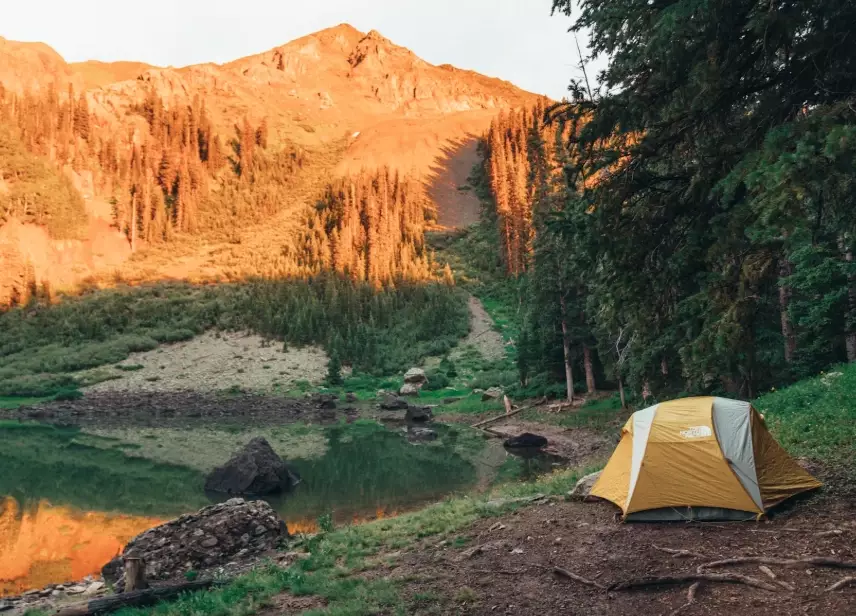
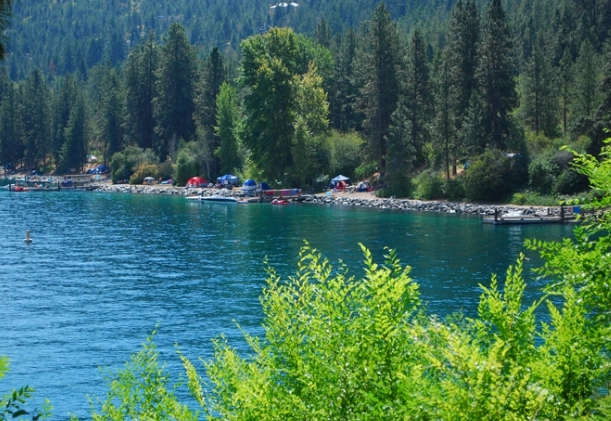
Let's clear something up right away. Glamping isn't just a tent with a rug thrown in. I learned this the hard way on my first trip, expecting a five-star hotel experience in the woods and getting something... less. True luxury camping, or glamping, is about seamlessly blending the raw beauty of the outdoors with genuine comfort and thoughtful design. It's for people who love the idea of waking up to birdsong but have zero interest in wrestling with tent poles or sleeping on a thin pad.
This guide is different. I'm not going to just list pretty pictures. I'm going to tell you how to actually plan a glamping trip that matches your expectations, show you real destinations with specific details (yes, prices included), and give you the tips most blogs gloss over.
Your Glamping Journey Starts Here
What is Glamping, Really?
Think of glamping as a spectrum. On one end, you have upgraded safari tents with proper beds and private decks. On the far end, you have architect-designed treehouses with glass walls, hot tubs, and full kitchens. The common thread is shelter, bed, and amenities you don't have to build or inflate yourself.
The accommodation is provided, set up, and maintained for you. Your job is to show up and enjoy.
A common mistake first-timers make is assuming "luxury" means "just like a resort." It doesn't. Part of the charm is the unique structure itself—the yurt, the geodesic dome, the converted Airstream. You're trading standardized hotel rooms for character. Sometimes the "luxury" is simply the location: a cliffside pod overlooking the Pacific, accessible only by foot. The value is in the experience, not just the thread count.
Why Choose Luxury Camping?
People don't just glamp for Instagram photos (though that's a bonus). They do it for specific reasons that traditional camping or hotel stays don't satisfy.
Accessibility. It opens the outdoors to those with physical limitations, families with young kids, or anyone who finds the logistics of camping daunting. My friend with a bad back would never camp, but she's stayed in a stunning stargazing dome with an accessible bathroom.
Time. Your vacation time is limited. Glamping condenses the best parts of camping—the fire, the stars, the solitude—without the hours spent setting up camp, cooking over a tiny stove, and breaking everything down.
A Unique Middle Ground. It's the perfect compromise for groups with mixed interests. The adventure-seeker can hike all day while the comfort-lover reads in a hammock on the deck. Everyone meets back at the cozy shelter for the evening.
How to Plan & Book Your Glamping Trip
Planning is where trips go right or wrong. Don't just search "glamping near me" and pick the first result.
Step 1: Set Your Priorities
Ask yourself these questions before you even look:
- Privacy vs. Community: Do you want a secluded pod miles from anyone, or a cool communal lodge where you might meet other travelers?
- Rustic vs. Refined: Is a composting toilet part of the adventure, or is a full en-suite bathroom non-negotiable?
- Activity Hub vs. Digital Detox: Are you looking for a basecamp for hiking and kayaking, or a place to truly unplug and do nothing?
Step 2: Know Where to Look
Major platforms like Airbnb and Vrbo have a lot, but their filters for "unique stays" can be hit or miss. I've had better luck with specialty sites for specific types of glamping. For example, looking for a treehouse? Websites dedicated to treehouse rentals often have more curated, higher-quality options than a general search.
Always, always read the most recent reviews. A place can look amazing in professional photos from 5 years ago. Reviews tell you about the current state of the mattress, the reliability of the hot water, and if the road is actually passable in the rain.
Step 3: Ask the Host These Specific Questions
Don't be shy. A good host expects them. Email or message before booking to ask:
- "What is the exact source of heating/cooling?" (Electric heater? Wood stove? Nothing?)
- "Is the kitchen equipped for actual cooking, or just basic coffee and reheating?"
- "What is the cell service and WiFi situation realistically?"
- "Are there any seasonal considerations?" (e.g., bugs in summer, road closures in winter).
This saves so much disappointment later.
Top Glamping Destinations: A Curated List
Here are three standout destinations in North America that represent different glamping styles. I'm including real details to help you plan.
| Property & Location | Accommodation Type | Price Range (Per Night) | Key Features & Notes |
|---|---|---|---|
| AutoCamp Joshua Tree Joshua Tree, California, USA |
Custom Airstream Suites & Luxe Tents | $250 - $450 | Mid-century modern design inside vintage Airstreams. Full ensuite bathroom, kitchenette, AC/heat. Central clubhouse with pool, fire pits. Perfect blend of design and desert immersion. Book 4-6 months ahead for weekends. |
| Clayoquot Wilderness Lodge Vancouver Island, BC, Canada |
Canvas Safari Tents | $1,500+ (all-inclusive) | The high-end, all-inclusive experience. Tents feature wood stoves, antique furniture, and ensuite bathrooms with heated floors. Price includes gourmet meals, guided adventures (whale watching, hiking, fishing), and boat transport from Tofino. It's a splurge, but everything is handled. |
| Collective Retreats - Governors Island New York City, New York, USA |
Summit Tents | $300 - $600 | Glamping with a Manhattan skyline view. Platform tents with king beds, linen, and electricity. Shared luxury bathroom facilities a short walk away. On-site farm-to-table restaurant. The ultimate "escape the city without leaving it" experience. Open seasonally (May-Oct). |
Notice the variety? From desert-chic Airstreams to all-inclusive wilderness lodges to an urban escape. Your choice depends entirely on the vibe you want.
What to Pack: The Glamping Essentials List
You don't need a 60-liter backpack, but you do need to think differently than a hotel stay. Here’s my non-negotiable list, born from forgetting things.
Lighting: Even if your dome has lights, bring a good headlamp or handheld lantern for walking to bathrooms or finding things at night. The outdoors is dark.
Layers: Temperature swings are real, even in a heated shelter. A warm hat, a puffy jacket, and good socks make evenings around the fire perfect.
Footwear: Two pairs minimum. Sturdy shoes or boots for exploring, and comfortable slip-ons or sandals for around your shelter. You don't want to lace up boots every time you step outside.
The Extras That Feel Like Luxury: A nice blanket to wrap up in outside, your favorite coffee or tea, a portable speaker for music, a good book. These small items personalize the space and elevate the relaxation factor.
Avoid overpacking clothes. Focus on versatile, comfortable items you can layer. The space is often more compact than a hotel room.
Your Glamping Questions, Answered
Is glamping suitable for families with young children?
It can be ideal, but you have to pick the right spot. Look for places with safety features like deck railings, no open water hazards immediately nearby, and heating/cooling you can control. A separate sleeping area for kids (like a loft or partitioned space) is a game-changer. Always message the host to confirm the setup is child-friendly—some beautiful, fragile domes are not.
What happens if the weather is bad during our glamping trip?
This is a critical question. A well-designed glamping site plans for this. Your shelter should be weatherproof (proper sealing, rain flys). The best places have a communal lodge or covered area with games, books, or even a movie projector for rainy days. Before booking, check the cancellation or rescheduling policy for severe weather. A good operator will have a fair policy, not just "all sales are final."
How do I handle meals while glamping? Do I need to bring all my own food?
It varies wildly. Some high-end spots are all-inclusive. Many provide a kitchenette with basics (mini-fridge, hot plate, kettle) expecting you to bring groceries. Others are near towns with restaurants. My strategy: Plan for one nice meal out if possible, and keep other meals simple but satisfying. Pre-make and freeze a stew or pasta sauce at home, then just reheat it there. It feels gourmet with minimal effort. Always verify exactly what cooking equipment is provided.
Is glamping actually more environmentally friendly than a hotel?
It can be, but it's not automatic. Look for sites that practice regenerative tourism. This means they actively improve the land they're on—using solar power, composting waste, sourcing food locally, and limiting light pollution. Ask about their sustainability practices. A true eco-glamping site will be proud to share them. Avoid places that just clear-cut a forest to plop down 50 identical tents; that's not sustainable.
What's the one thing most first-time glampers regret not bringing?
Earplugs. Seriously. Even in luxury, you're in nature. Animals are active at night. The wind might howl. A tent flap might tap. If you're a light sleeper, earplugs ensure you wake up refreshed, not frazzled. My second pick would be an extra power bank for your devices, as outdoor outlets can be scarce or far from the bed.