In This Guide
- Why You Absolutely Need a Water Purifier or Filter for Camping
- The Tech Breakdown: Filter vs. Purifier – What's the Difference?
- Main Types of Camping Water Purifiers & Filters
- Head-to-Head: Top Contenders for the Best Camping Water Purifier
- How to Actually Choose: The Decision Matrix
- Critical Features & Red Flags
- Care, Maintenance, and Winter Use
- Your Questions, Answered (The FAQ)
- Final Thoughts: So, What IS the Best Water Purifier for Camping?
Let's be real. When you're out in the woods, miles from the nearest tap, the question of "what is the best water purifier for camping?" stops being a hypothetical gear-head discussion and becomes a matter of basic survival and comfort. You can't just Google it on the trail. I learned this the hard way on a early backpacking trip years ago, trusting a cheap, untested filter that left my water tasting like pond scum. Not fun. Since then, I've tested pumps, squeezed bags, chugged from straws, and zapped water with UV light, all in the name of finding what actually works.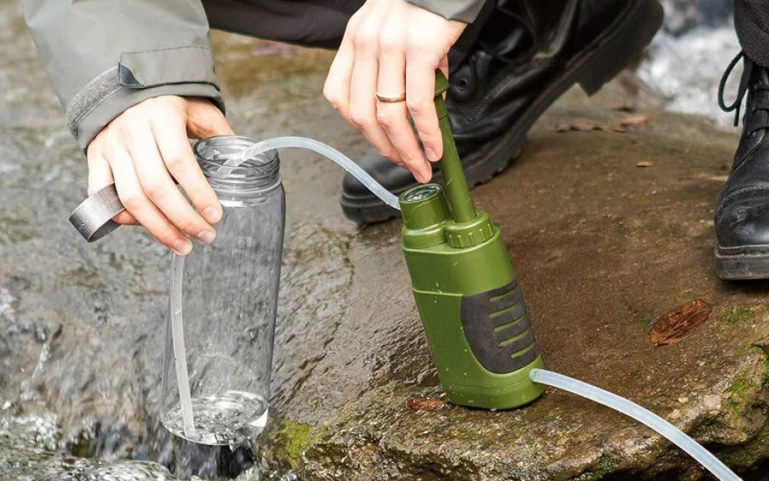
The truth is, there's no single "best" answer that fits every camper, backpacker, or overlander. The best camping water purifier for a solo ultralight hiker is a terrible choice for a family car-camping at a lake. It all comes down to your specific trip, your tolerance for effort, and what nasties you're actually trying to avoid.
This guide is here to cut through the marketing jargon. We'll break down the different technologies, put the major brands under the microscope, and talk about the real-world factors – weight, speed, ease of use, maintenance – that actually matter when you're tired, thirsty, and just want a clean drink. By the end, you'll know exactly how to pick the right tool for your adventures.
Why You Absolutely Need a Water Purifier or Filter for Camping
Maybe you think that crystal-clear mountain stream looks pure enough to drink. I get it, it looks pristine. But looks are deceiving. Even in remote, beautiful areas, water can be contaminated by wildlife (think beaver fever, which is the common name for giardiasis), agricultural runoff further upstream, or other campers. The risks aren't just an upset stomach; waterborne pathogens like Giardia, Cryptosporidium, bacteria (E. coli, Salmonella), and viruses (like norovirus) can ruin a trip or lead to serious illness.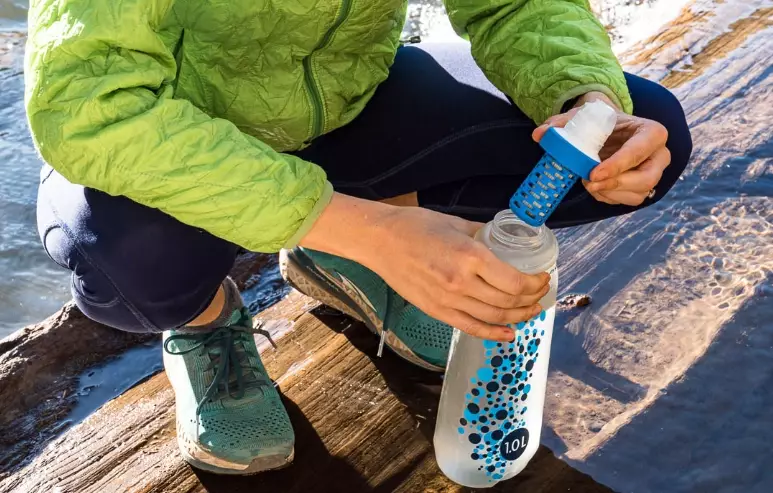
Boiling is a reliable, time-tested method (rolling boil for 1 minute, or 3 minutes at high altitude), but it's fuel-intensive, time-consuming, and leaves you waiting for hot water to cool. A good water purifier is about convenience, speed, and immediate safety. It's a core piece of gear, as essential as a shelter or a sleeping bag.
The Tech Breakdown: Filter vs. Purifier – What's the Difference?
This is the most important concept to grasp. People use the terms interchangeably, but for your safety, you need to know the distinction.
A water filter physically removes parasites (like Giardia, Cryptosporidium cysts) and bacteria by forcing water through tiny pores. Think of it as an extremely fine sieve. Most filters use hollow fiber membranes, ceramic elements, or depth filters. They are excellent at removing the big stuff but generally do not remove viruses, which are much smaller.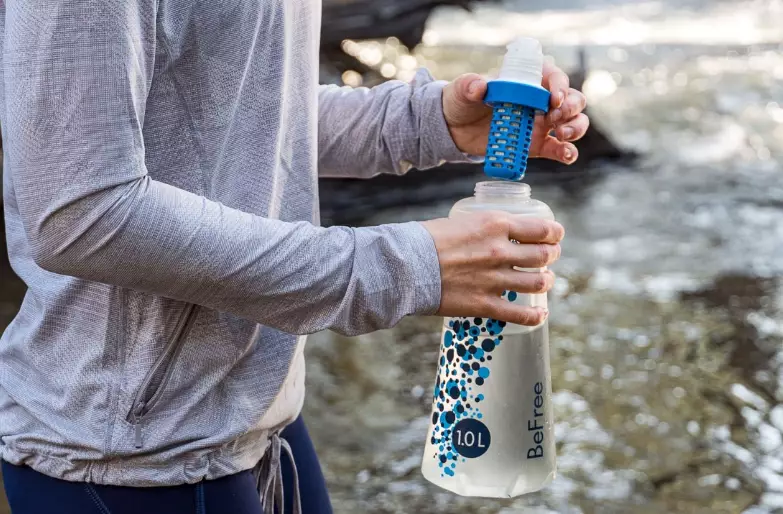
A water purifier goes a step further. It is designed to remove, deactivate, or destroy viruses in addition to bacteria and parasites. Purification can be achieved through advanced chemical treatment (like chlorine dioxide), specific ultra-fine filtration, or UV light.
So, which do you need? For most backpacking and camping in North America, a filter that handles bacteria and protozoa is sufficient, as viral contamination in backcountry surface water is relatively rare. However, if you're traveling internationally, near high human or agricultural activity, or simply want the highest possible safety margin, a purifier is the way to go. The CDC's guidelines on backcountry water treatment are a great resource for understanding the level of risk and appropriate treatment methods.
Main Types of Camping Water Purifiers & Filters
Let's dive into the main categories. Each has its passionate fans and its frustrating quirks.
Pump Filters
The old-school workhorses. You place an intake hose in the water source and a pump handle to force water through the filter and out a discharge hose into your bottle. They are highly effective, allow you to filter large volumes directly into a clean container, and often have versatile attachments.
The good: Reliable, good flow rate control, can pull from shallow sources. The not-so-good: They are bulkier, heavier, and the pumping action can feel like a chore after filtering liters for a group. They also have more moving parts that can fail or freeze. Brands like Katadyn and MSR dominate here.
Gravity Filters
My personal favorite for base camping or groups. The principle is beautifully simple: fill a dirty water bag, hang it from a tree, and let gravity pull the water through a filter into a clean reservoir below. You set it up and forget it while you set up camp.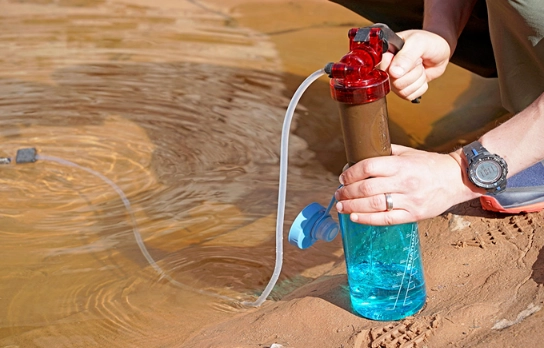
The good: Hands-free, fantastic for filtering large quantities (4+ liters) with minimal effort. Perfect for making morning coffee or dinner for multiple people. The not-so-good: The initial setup can be slower than other methods, and they require a place to hang them. The bags can be prone to punctures if you're not careful. MSR and Katadyn have great systems, but Sawyer's gravity kits are incredibly popular for their value.
Straw-Style Personal Filters
The ultimate in lightweight, on-the-move convenience. You literally put the straw directly into the water source and drink. LifeStraw made this category famous.
The good: Unbeatable weight and simplicity. No bottles or bags needed. Great as an emergency backup. The not-so-good: You can only drink directly from the source. You can't use it to fill a pot for cooking or a bottle for later without some clever (and often awkward) squeezing or sucking. It's a personal, immediate-use tool. I find them a bit limiting for anything more than a day hike.
Squeeze Filters & Bottle Systems
This is arguably the most popular category for solo backpackers and thru-hikers. Systems like the Sawyer Squeeze or Katadyn BeFree consist of a filter attached to a soft flask or compatible water bottle. You fill the dirty bag, screw on the filter, and squeeze clean water into your mouth or another bottle.
The good: Extremely lightweight, compact, fast for filtering a liter or two. The filter can often be screwed onto standard disposable water bottles (like a Smartwater bottle) in a pinch, a huge hack for ultralighters. The not-so-good: Squeezing requires hand strength, and the bags can wear out and burst at the seams – a common complaint I have with some models. Filtering for a group of four would be tedious.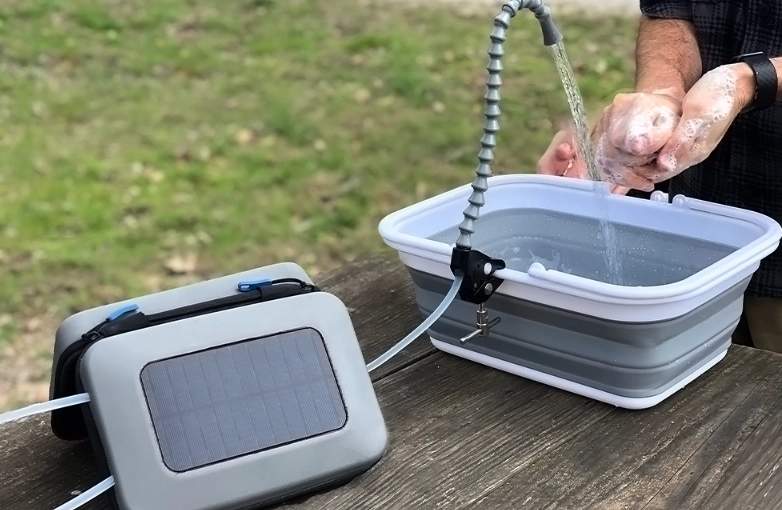
UV Light Purifiers
High-tech and chemical-free. Devices like the SteriPEN use ultraviolet light to scramble the DNA of microorganisms, rendering them harmless. You simply stir the pen in your water bottle for a set time.
The good: Extremely effective against viruses, bacteria, and protozoa. Very fast (about 90 seconds per liter). No change in water taste. The not-so-good: They require batteries (or USB charging), which can die. They don't work well in murky or cloudy water—the particles can shield organisms from the light. If you drop it and break the bulb, it's useless. It's a fantastic primary or backup system for clear water, but never your only option.
Chemical Treatment (Purification Drops/Tablets)
The lightest and most compact option of all. You add drops (like Aquamira chlorine dioxide) or tablets (like Potable Aqua iodine tablets) to your water, wait the prescribed contact time (often 30 minutes to 4 hours), and it's ready.
The good: Weighs almost nothing, indestructible, cheap, and effective against everything, including viruses. An essential backup in any serious kit. The not-so-good: The wait time can be long, especially in cold water. It can leave an unpleasant chemical taste (though taste-neutralizer tablets help). Some people are sensitive to iodine. It doesn't remove sediment or particulates, so your water might look dirty even if it's safe.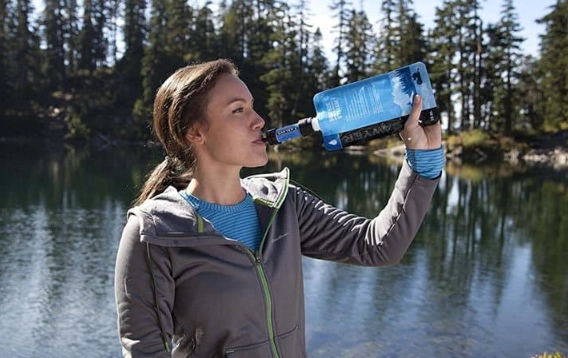
Head-to-Head: Top Contenders for the Best Camping Water Purifier
Let's put some of the most talked-about brands and models on the table. Remember, "best" is relative to your needs.
| Type / Model | Key Technology | Best For | Weight (approx.) | The Real-World Take |
|---|---|---|---|---|
| Sawyer Squeeze | Hollow Fiber Membrane (0.1 micron filter) | Solo backpackers, thru-hikers, budget-conscious buyers. | 3 oz | The workhorse of the trail. Dirt cheap for its performance, incredibly light, and versatile (squeeze bag, in-line on a hydration bladder, or gravity kit). The flow rate slows down without regular backflushing. The bags are the weak point – I've had seams split. |
| Katadyn BeFree | Hollow Fiber Membrane (0.1 micron filter) | Fast, on-the-go filtering for individuals or pairs. | 2 oz (with 0.6L flask) | Unbelievably fast flow rate when new. The integrated soft flask is great. However, the filter is harder to clean/backflush thoroughly than the Sawyer, and the flow rate seems to degrade more quickly with silty water. The flask is also less durable than a hard bottle. |
| MSR Guardian Purifier | Mechanical Purification (hollow fiber + self-cleaning) | Expeditions, international travel, high-risk areas, groups. | 1 lb 1 oz | This is the tank. It's a pump purifier that removes viruses mechanically (no chemicals). It's built like it could survive a fall off a cliff, has a self-cleaning mechanism, and is the gold standard for absolute safety. But wow, is it heavy and expensive. Overkill for a weekend in a known-clean area. |
| Platypus GravityWorks | Hollow Fiber Membrane (0.2 micron filter) | Base camping, groups of 2-4, car camping. | 11.5 oz | A superb gravity system. The 4L dirty bag is huge, the hoses are long and robust, and it filters quickly. It makes camp chores easy. The downside is the bulk – it's not something you'd take on a fast-and-light mission. The reservoir caps can be finicky. |
| SteriPEN Ultra | Ultraviolet (UV-C) Light | Travelers, backpackers in clear-water regions, as a primary or backup viral guard. | 4 oz (with batteries) | Magic wand simplicity. Drop it in, press a button, stir. It feels futuristic. The USB-rechargeable version is great. The fragility and reliance on electronics make me nervous as a sole source. Always pair it with a pre-filter or backup chemicals if the water isn't crystal clear. |
| Aquamira Water Treatment Drops | Chlorine Dioxide (Chemical Purification) | Ultralight backpacking, emergency backup, winter camping (where filters can freeze). | 3 oz (bottle) | The ultimate lightweight, reliable, and bombproof plan B (or even plan A for some). No moving parts, never freezes, treats viruses. The 30+ minute wait for full purification is a buzzkill when you're thirsty now. The taste is noticeable but not horrible. |
See? No single winner.
How to Actually Choose: The Decision Matrix
Forget the specs for a minute. Ask yourself these questions. Your answers will point you toward the best water purifier for your camping style.
1. What's Your Water Source?
Clear alpine lake? Silty river? A questionable pond? For silty or cloudy water, you need a filter with a good pre-filter or easy cleaning mechanism (like the MSR Guardian's self-cleaning). A UV purifier will struggle here. For clear water, almost any method works.
2. Who's in Your Group and How Much Do You Need?
Solo hiker? A squeeze filter is perfect. Family of four car-camping? A gravity system or a high-capacity pump will save your sanity. Filtering 8 liters for dinner with a Sawyer Squeeze is a forearm workout you don't want.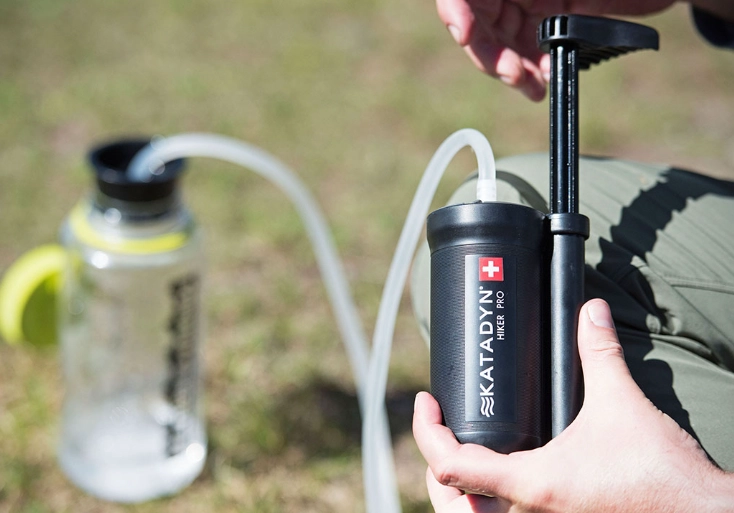
3. How Long is Your Trip?
A weekend trip doesn't require a filter with a 100,000-liter lifespan. A thru-hike on the Appalachian Trail does. Consider the filter's longevity and whether it's cleanable or replaceable. The EPA's standards for water treatment units provide a framework for understanding what claims like "purifier" vs. "filter" mean in a regulated sense, which can help when comparing lifespans and capabilities.
4. What's Your Tolerance for Weight and Bulk?
An ultralight backpacker will choose a 3-ounce squeeze system over a 1-pound pump every time. A car camper has the luxury of bringing a robust, versatile system without a second thought.
5. What's Your Budget?
You can spend $25 on a Sawyer Mini or over $400 on an MSR Guardian. More money typically buys durability, faster flow rates, advanced features (like viral removal), and brand reputation. But a Sawyer Squeeze at ~$40 is arguably 90% as effective as much more expensive options for most North American backpacking.
Critical Features & Red Flags
Pore Size: Look for 0.2 microns or smaller to remove bacteria and protozoa. 0.02 microns or smaller is needed for virus removal (true purification).
Flow Rate: Measured in liters per minute. A faster flow rate is less frustrating, but it often comes with a trade-off in weight or price.
Filter Life/Capacity: This is an estimate. Silty water will clog a filter much faster than clear water. Cleanable filters (by backflushing) extend life dramatically.
Ease of Maintenance: Can you easily backflush it in the field with clean water? Does it require special tools or replacement parts? This is huge for long-term usability.
Red Flag: Any product that claims to filter water but doesn't clearly state its pore size (in microns) or what it removes (bacteria, protozoa, viruses) should be avoided. Vague marketing like "removes 99.9% of impurities" is meaningless without context.
Care, Maintenance, and Winter Use
Taking care of your purifier is non-negotiable. A clogged filter is useless, and a frozen one can be destroyed.
In the Field: Always pre-filter visibly dirty water with a bandana or your shirt. Backflush your filter regularly with the clean water syringe or bag it came with. For hollow fiber filters, this is vital to maintain flow rate.
At Home: Follow the manufacturer's instructions for sanitizing (often a mild bleach solution) and drying before storage. Never store a wet filter—mold and bacteria can grow inside, ruining it. The REI Expert Advice on water treatment has excellent, detailed maintenance tips for all filter types.
Cold Weather: This is a big one. Water inside a filter's elements can freeze, expanding and cracking the delicate fibers or membranes. If freezing is a risk, sleep with your filter in your sleeping bag or insulated jacket. Chemical treatments (drops/tablets) are foolproof in freezing temps.
Your Questions, Answered (The FAQ)
Do I really need a purifier, or is a filter enough for camping?
For most camping and backpacking in the US and Canada, a filter rated for bacteria and protozoa (like 0.1 or 0.2 microns) is perfectly adequate. If you are traveling to regions with poor sanitation, near heavy human/animal activity, or simply want the utmost safety, invest in a purifier (chemical, UV, or mechanical like the MSR Guardian).
Can't I just use my LifeStraw for everything?
You can, but it's limiting. The core issue is that you can't easily fill a pot or a bottle with it. It solves the problem of "I'm thirsty right now at this water source" but not "I need to make dinner back at camp." It's a fantastic emergency tool but a suboptimal primary system for most camping scenarios.
How do I deal with the taste of chemically treated water?
Chlorine dioxide (Aquamira) has a milder taste than iodine. You can also use taste-neutralizer tablets that come with some kits. A pro tip: mix treated water with a powdered drink mix (lemonade, electrolyte mix). The flavor completely masks any chemical taste.
Is boiling better than filtering?
Boiling is 100% effective against all pathogens if done correctly (rolling boil for 1 min, 3 mins above 6,500 ft). However, it uses fuel, takes time, and requires you to wait for the water to cool. Filtering provides instant, cold, drinkable water. They are complementary skills—knowing how to boil is your ultimate backup plan.
My filter is slow. Is it broken?
It's probably just clogged. This is normal, especially after filtering silty water. Perform a thorough backflush with clean water. If that doesn't work, a more intensive cleaning (soaking in a vinegar solution for calcium deposits, for example) per the manufacturer's instructions might be needed. All filters slow down over time.
What's the best all-around system for a beginner?
I'd point a beginner towards a Sawyer Squeeze system or a Katadyn BeFree. They are affordable, lightweight, easy to understand, and effective for the vast majority of trips. Pair it with a few Aquamira drops as a backup, and you have a robust, versatile setup.
Final Thoughts: So, What IS the Best Water Purifier for Camping?
If you've read this far, you know the answer: it depends. But that's empowering, not frustrating.
For the solo or duo backpacker tackling trails in North America, a versatile hollow fiber squeeze filter like the Sawyer Squeeze or Katadyn BeFree is incredibly hard to beat. It's the sweet spot of weight, performance, and cost.
For group camping or base camps, a gravity system like the Platypus GravityWorks or MSR Thru-Link is a game-changer for convenience.
For global adventurers or those who want the highest safety margin without chemicals, a mechanical purifier like the MSR Guardian is worth its weight and price.
The real "best" system is often a hybrid approach. My go-to kit for a typical backpacking trip is a Sawyer Squeeze (attached to a Smartwater bottle as my primary filter) and a tiny bottle of Aquamira drops as a backup/virus guard. This covers speed, weight, and ultimate safety.
Stop looking for a single magic bullet. Instead, understand the technologies, honestly assess your own camping habits, and invest in the tool that fits them. Clean water isn't a luxury on the trail; it's the foundation. Choose wisely, maintain your gear, and you'll never have to worry about the answer to "what is the best water purifier for camping?" again—you'll already be drinking it.