Let's be honest. When life feels like a never-ending stream of notifications, deadlines, and background anxiety, the idea of escaping to the woods isn't just appealing—it feels necessary. But "camping for stress relief" is more than a nice slogan on a mug. It's a powerful, evidence-backed reset button for your nervous system. This isn't about becoming an expert survivalist. It's about using simple time in nature to quiet the mental noise that modern life amplifies.
I've seen people pack their car with every gadget, plan every minute, and bring their work inbox with them (digitally). They come back more tired than when they left. That's not stress relief; that's just relocating your anxiety. After years of guiding trips and learning the hard way myself, I want to show you how to do it right. How to make your next camping trip a genuine, deep-reaching antidote to burnout.
Your Quick Trail Map
- The Science Behind the Calm: Why Nature Resets Your Brain
- Planning Your Escape: Matching Camping Style to Your Stress
- The Non-Negotiable Stress Relief Camping Checklist
- The 3 Biggest Mistakes That Ruin a Restorative Trip
- A Sample "Do Nothing" Weekend Itinerary
- Finding Your Spot: Campgrounds Built for Quiet
- Your Camping for Stress Relief Questions, Answered
The Science Behind the Calm: Why Nature Resets Your Brain
This isn't just a feeling. Research from places like the University of Michigan and Stanford has shown that time in natural environments lowers cortisol (the primary stress hormone), reduces rumination (that loop of negative thoughts), and can even lower heart rate and blood pressure.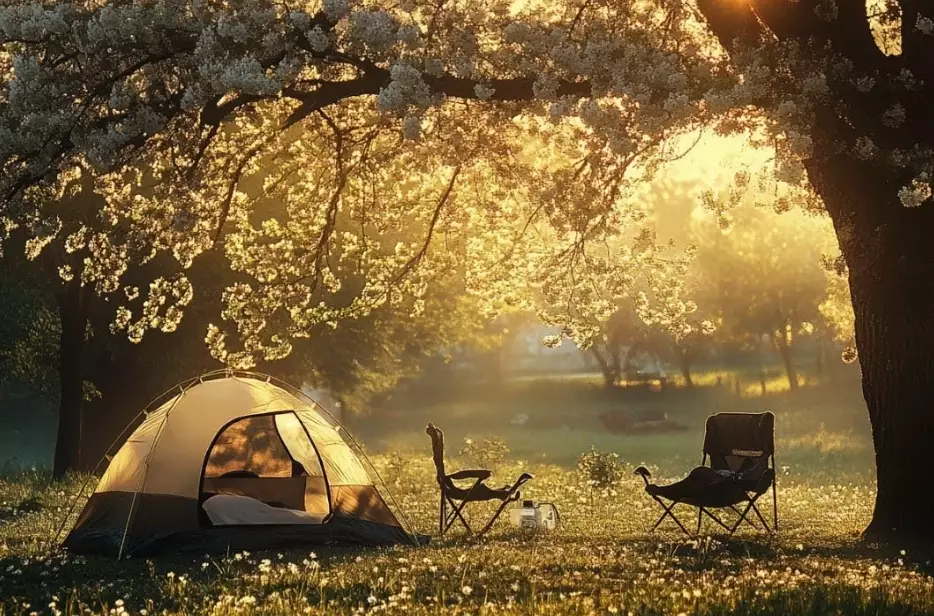
It's called Attention Restoration Theory. Your brain's directed attention—the kind you use for work, screens, and navigating traffic—gets fatigued. Nature engages your involuntary attention in a gentle way (the sound of leaves, the shape of clouds), allowing the directed part to rest and recover. Think of it as a system reboot.
Furthermore, the physical act of camping introduces healthy rhythms. Sunrise and sunset dictate your schedule, not a clock. The simple tasks of gathering wood, filtering water, or setting up a tent provide a sense of tangible accomplishment that's often missing from abstract digital work.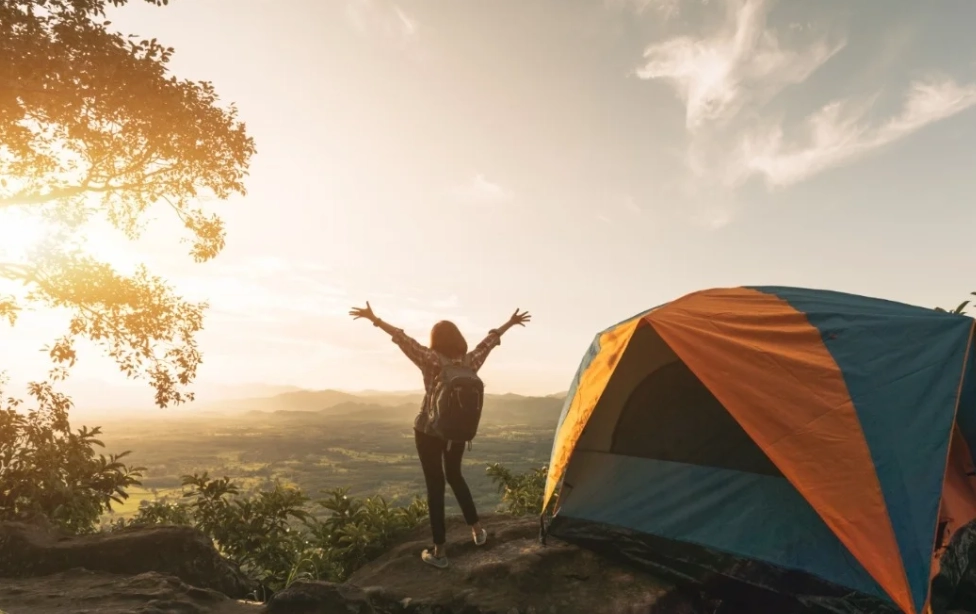
Planning Your Escape: Matching Camping Style to Your Stress
Not all camping is equally relaxing. Your goal dictates your setup.
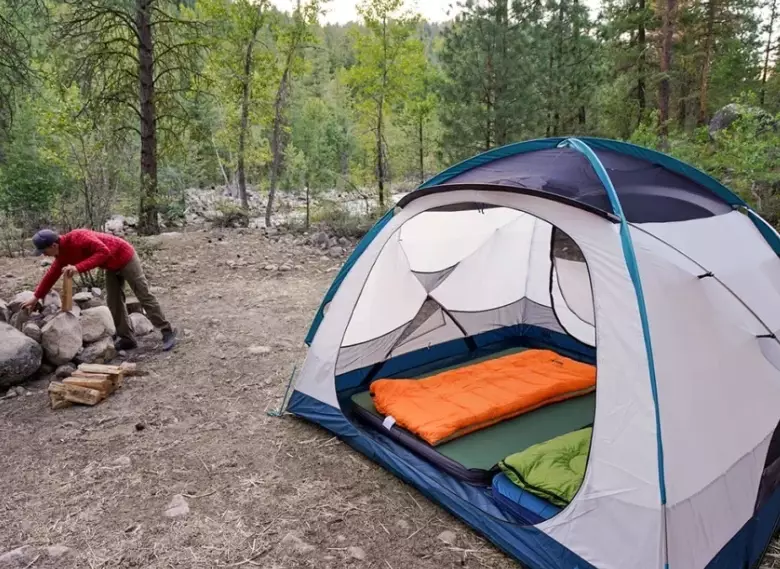
Car Camping at an Established Site: This is the low-barrier entry point. You drive right to your spot. You can bring a comfortable air mattress, a cooler with good food, and a roomy tent. The stress relief here comes from simplicity and comfort. It's perfect if your daily stress is high-logistical (managing family, complex work projects). The goal is to reduce decision-making to "should I read or stare at the fire?"
Backpacking or Hike-In Sites: This is for when your stress is mental and claustrophobic—feeling trapped in your own head or routine. The physical challenge of carrying your home on your back forces you into the present moment. Every step is a meditation. The reward is profound solitude and the pride of self-reliance. It's a harder reset, but often a deeper one.
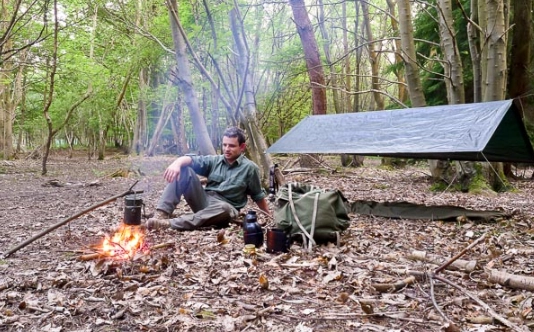
Dispersed Camping (on public lands): This means camping outside of a designated campground, often for free. It offers maximum solitude. The trade-off is zero amenities—no water, no toilet, no neighbors. This is ideal if your stress is social or sensory (open office noise, constant interaction). The silence out here is a physical thing you can feel.
Choose based on what you need to escape from. Overwhelmed by stuff and decisions? Go car camping. Overwhelmed by your own thoughts? Try a backpacking overnight.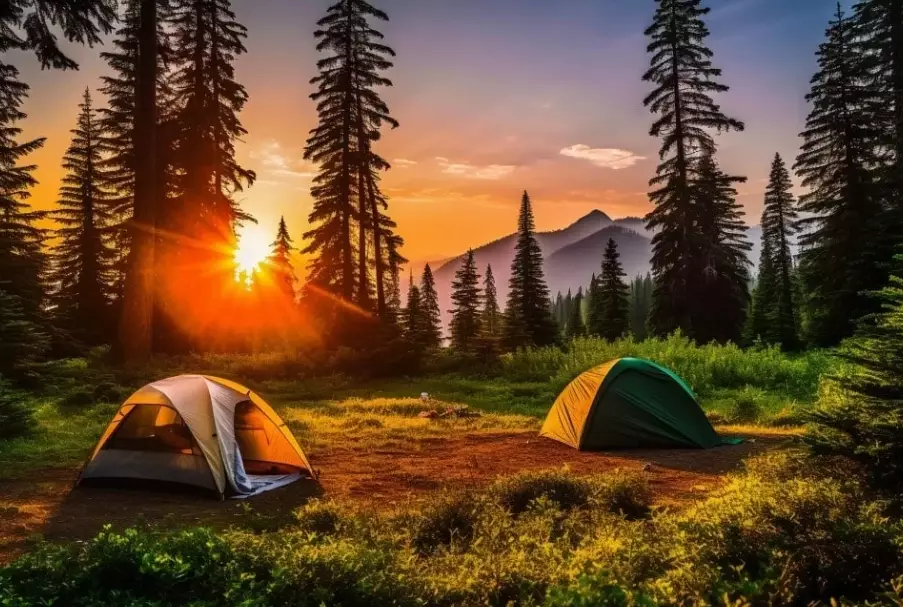
The Non-Negotiable Stress Relief Camping Checklist
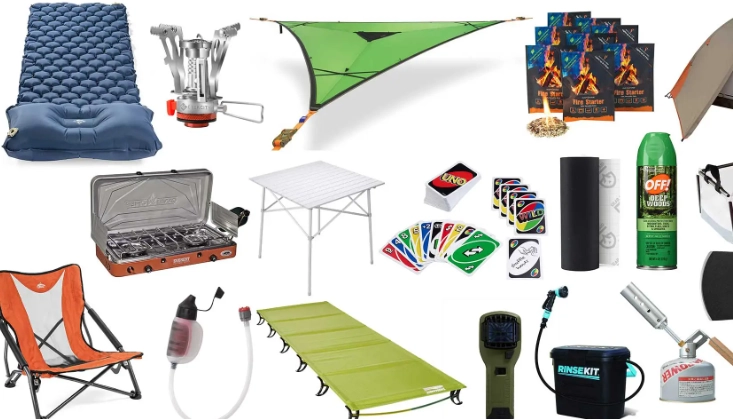
Forget the 50-item master lists. For a stress-relief-focused trip, prioritize comfort and simplicity. Here’s a pared-down list that focuses on creating a calming environment, not just surviving.
| Category | Essential Items | Why It's Key for Stress Relief |
|---|---|---|
| Shelter & Sleep | Reliable tent, sleeping pad with high R-value (for insulation), sleeping bag rated for the weather, compact camp pillow. | A cold, sleepless night is the fastest way to turn a relaxing trip into a miserable one. Invest in sleep comfort above all else. |
| Clothing | Merino wool base layers, insulated jacket, rain shell, warm hat, extra socks. Avoid cotton. | Being consistently warm and dry is fundamental to feeling safe and relaxed in nature. Merino regulates temperature and resists odor. |
| Nourishment | Simple, hearty meals (pre-made stews, oatmeal, trail mix), a reliable stove, a French press or pour-over for coffee. | Good food is comfort. Don't skimp or make cooking overly complex. The ritual of making morning coffee outdoors is a core pleasure. |
| Mindset Tools | Physical book or journal, a comfortable camp chair, a lightweight blanket, a star chart app (on airplane mode). | These items facilitate the idle, reflective time that is the point of the trip. The chair is arguably more important than a fancy tent. |
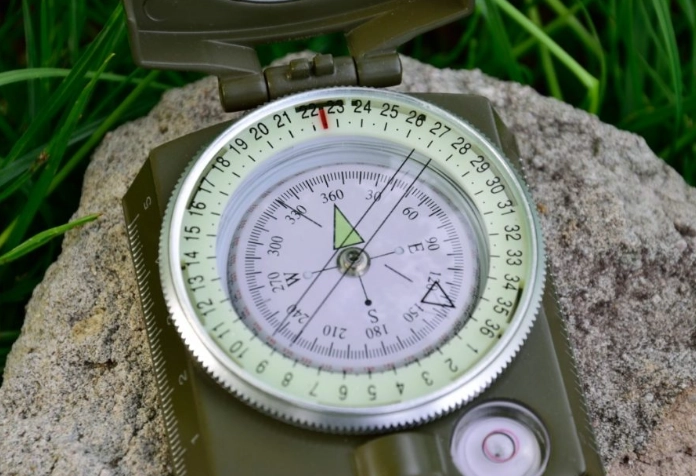
| Safety & Logistics | Headlamp, first-aid kit, water filtration, map/compass (and knowledge to use them), fire-starting kit. | Knowing you can handle basic contingencies reduces underlying anxiety, allowing you to fully let go. |
The 3 Biggest Mistakes That Ruin a Restorative Trip
Most advice tells you what to do. Let me tell you what not to do—the subtle errors that sabotage the experience.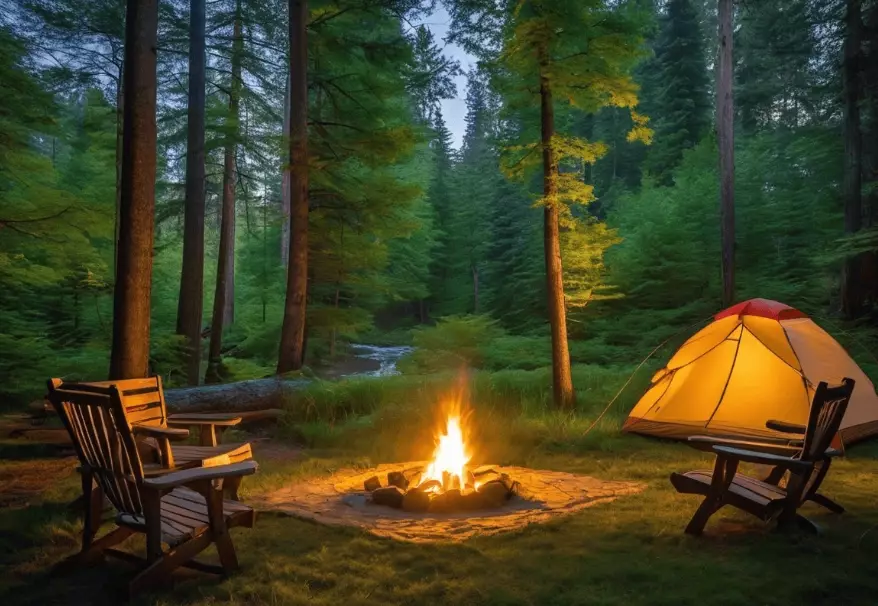
1. The Overplanned Itinerary
You schedule a hike at 9 AM, fishing at 11, scenic drive at 2… You've recreated your stressful calendar in the woods. The pressure to "do and see" everything kills the spontaneous, slow pace that allows healing. Fix: Plan one loose activity per day (e.g., "explore the lakeshore trail"). Leave the rest of the time open for napping in the sun, whittling a stick, or just watching the fire.
2. The Digital Half-Measure
You promise to "disconnect" but keep your phone in your pocket on vibrate. Every buzz is a micro-dose of anxiety, pulling your mind back to the world you're trying to escape. It fractures your attention. Fix: Designate a specific, limited time for checking phones (e.g., 15 minutes after dinner). For the rest of the trip, put all devices on airplane mode and store them in the car or the bottom of your pack. Use a physical camera or journal instead.
3. Ignoring the Arrival and Departure Buffer
You rush from work to the campsite Friday night, stressed from traffic, setting up in the dark. You pack up Sunday and drive straight into Monday's chores. You've given your nervous system no time to transition. Fix: If possible, leave early. Arrive with daylight to spare. On your last morning, pack up leisurely, have a long breakfast, and take a short walk after your tent is down. Schedule a quiet evening at home after you return.
A Sample "Do Nothing" Weekend Itinerary
Here’s what a deliberately slow, stress-relief-focused car camping weekend might look like. This is a template, not a prescription.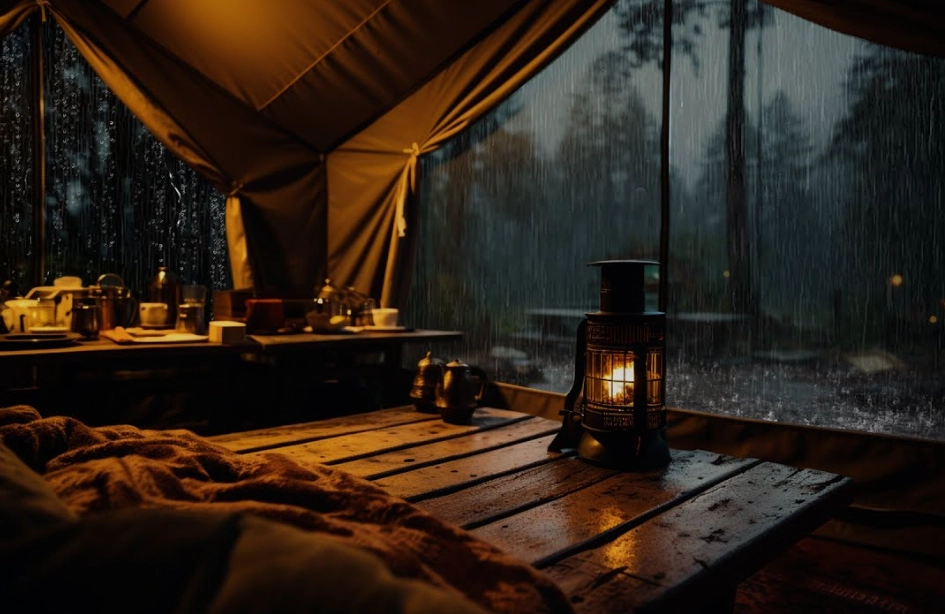
A Truly Restful Weekend Blueprint
- Friday Afternoon: Arrive at camp by 4 PM. Set up tent leisurely. Gather firewood. No rush.
- Friday Evening: Cook a simple, satisfying one-pot meal. Eat by the fire. No phones. Just talk, stare at flames, or listen to an audiobook/podcast downloaded beforehand. In bed by 10, listening to the night sounds.
- Saturday Morning: Wake naturally. Make coffee slowly. Spend an hour with a book in your camp chair. Maybe take a short, aimless walk around the campground loop, no destination.
- Saturday Afternoon: Light lunch. Consider a gentle activity like sketching a tree, identifying birds, or fishing without caring if you catch anything. Or, take a nap in the tent with the rain fly off, watching clouds.
- Saturday Evening: Another simple meal. The main event: star gazing. Lie on a blanket and just look up. Turn in when you feel tired.
- Sunday Morning: Another slow morning. Pack up most gear, but leave out the chairs and stove. Have a final cup of coffee in the now-familiar spot. Take a 20-minute "goodbye walk" to soak it in. Drive home calmly.
Finding Your Spot: Campgrounds Built for Quiet
Location is everything. A crowded, party-heavy RV park won't deliver the same effect as a quiet, forested site. Look for these features when booking:
National Forest or Bureau of Land Management (BLM) Campgrounds: Often more rustic and quieter than major National Park hubs. Sites like Recreation.gov are your friend.
"Walk-To" or "Boat-In" Sites: Even a 100-yard walk from your car filters out a lot of noise and creates a more secluded feel.
Mid-Week or Off-Season: This is the single biggest hack for solitude. A Tuesday in September is a different world than a Saturday in July.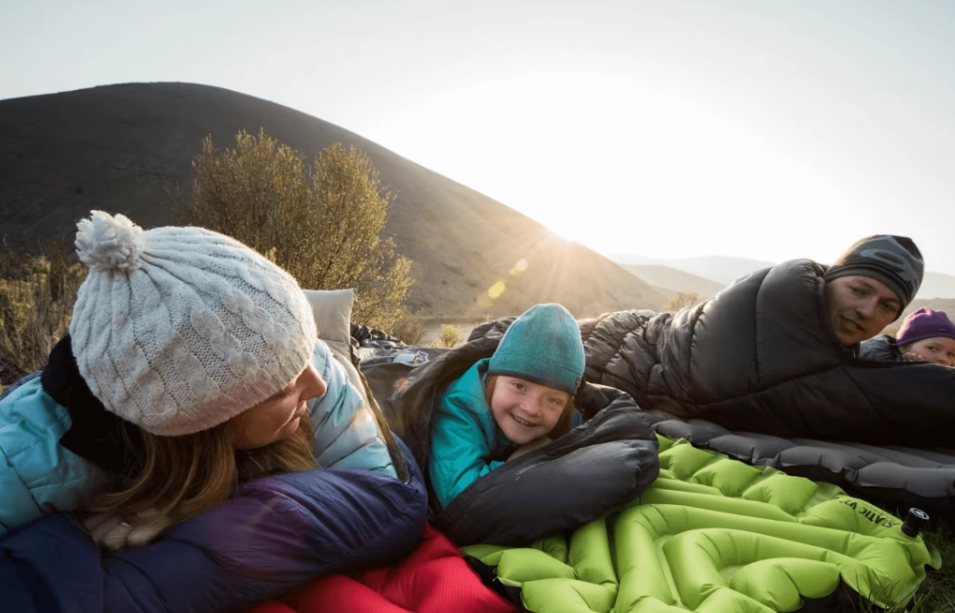
Example: A Perfect Stress-Relief Getaway
Imagine a place like Hoh River Campground in Olympic National Park, Washington. It's deep in a temperate rainforest. The sites are spacious and shaded by massive trees. The constant, gentle sound of the river masks any minor human noise. Your agenda? Walk the Hall of Mosses trail, then spend hours sitting by the milky-blue glacial river. The sensory experience—the sound, the smell of damp earth, the filtered green light—is inherently calming. You don't need to do anything else. (Always check current conditions and permits via the National Park Service website).
Your Camping for Stress Relief Questions, Answered
The real magic of camping for stress relief isn't in the gear or the perfect location, though they help. It's in the intentional act of removing yourself from the sources of your daily tension and allowing your brain the space it needs to downshift. It’s permission to be unproductive, to be bored, to be quiet. You won't come back with your problems solved, but you'll come back with a quieter mind and a renewed capacity to face them. That’s not an escape—it’s a reset. Now, go find a spot to put your chair.