I still recall my first camping trip dedicated to stargazing—a mess of wrong gear, poor location choice, and frustration when clouds rolled in. But that failure taught me more than any guidebook. Camping for stargazing isn't just about pitching a tent under stars; it's a blend of preparation, knowledge, and timing that transforms a simple outing into a cosmic experience. If you're looking to escape light pollution and witness the Milky Way in its full glory, this guide will walk you through everything, from picking dark sky spots to avoiding the mistakes most beginners make.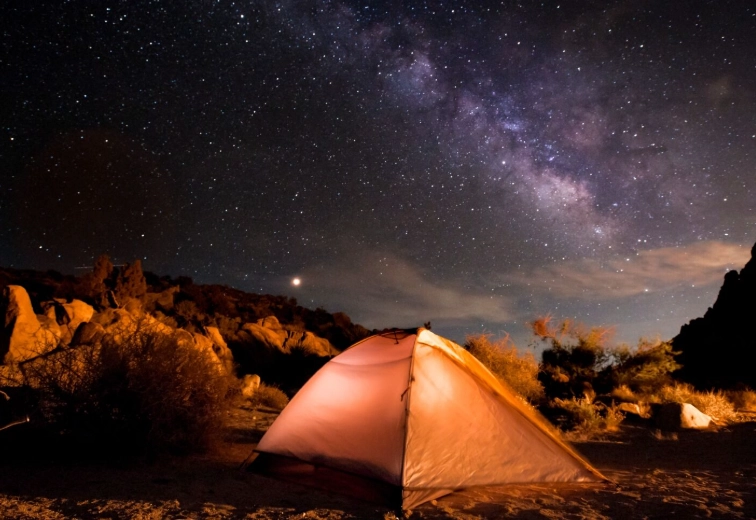
What You'll Find in This Guide
How to Choose the Best Stargazing Camping Destination
Picking the right spot is 80% of the success. You need darkness, clear skies, and accessibility. I've camped in dozens of places, and here's what matters most.
First, check light pollution maps. Resources like the Light Pollution Map or the International Dark-Sky Association's designated parks are gold. Avoid areas within 50 miles of major cities. For example, Cherry Springs State Park in Pennsylvania is famous, but it books up months ahead. Look for lesser-known gems.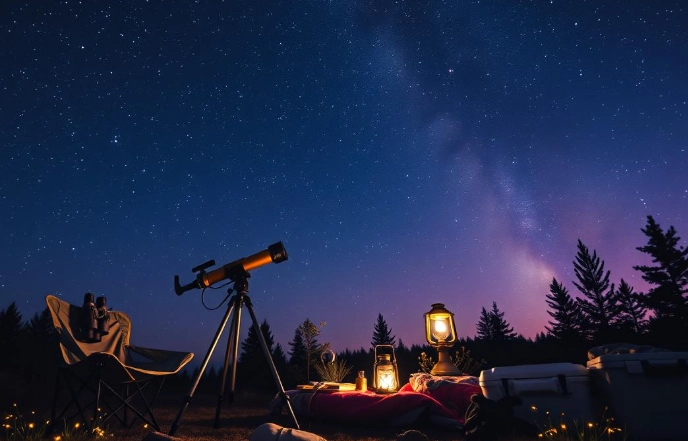
Pro tip: Don't just rely on park websites. Call the ranger station—they'll tell you about recent weather patterns and crowd levels. I once drove four hours to a "dark sky" site only to find it foggy; a quick call could have saved the trip.
Top Stargazing Camping Destinations in the U.S.
Here are three spots I've personally visited, with specifics to help you plan.
| Destination | Location (Address/Nearby Town) | Best Time to Visit | Camping Fees & Reservations | Why It's Great for Stargazing |
|---|---|---|---|---|
| Big Bend National Park | Texas, USA (Park Headquarters: Big Bend National Park, TX 79834) | October to April (dry season, clear skies) | $20 per night for campgrounds; reservations via Recreation.gov; some first-come, first-serve sites | Designated Dark Sky Park, minimal light pollution, high elevation for crisp views. The Milky Way is visible almost year-round. |
| Great Basin National Park | Nevada, USA (100 Great Basin National Park, Baker, NV 89311) | Summer (June-August) for warm nights, but spring/fall have fewer crowds | $20 per night at developed sites; reservations recommended; backcountry camping free with permit | Remote location, astronomy programs led by rangers, and the Lehman Caves area offers sheltered spots if wind picks up. |
| Joshua Tree National Park | California, USA (74485 National Park Dr, Twentynine Palms, CA 92277) | March to May and September to November (mild temperatures) | $30 per night at popular sites like Jumbo Rocks; book months ahead on Recreation.gov | Unique rock formations frame the sky, low humidity enhances visibility, and it's accessible from Los Angeles (but go mid-week to avoid crowds). |
When evaluating destinations, consider travel time. A site 5 hours away might be perfect, but if you have only a weekend, it's not practical. I learned this the hard way—rushing leads to poor setup and missed celestial events.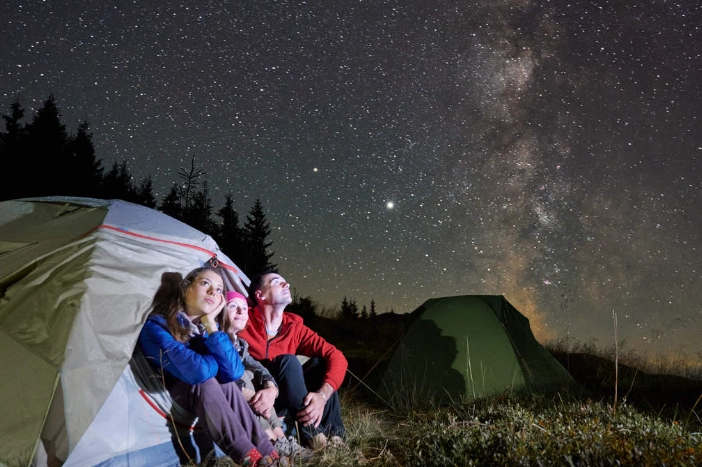
Essential Gear for Stargazing Camping: Beyond the Basics
Your regular camping gear won't cut it. Stargazing adds layers of need, especially for comfort and observation. Let's break it down.
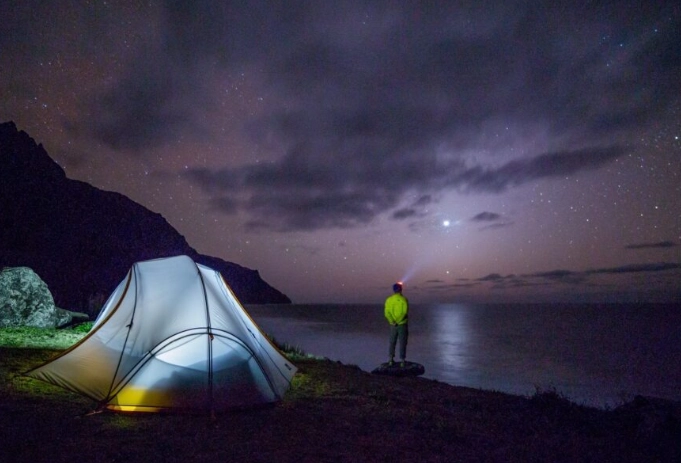
Start with shelter. A four-season tent isn't necessary, but one with dark colors helps block stray light from your own camp. I use a green tent—it blends and doesn't reflect. For sleeping, a sleeping bag rated 10°F lower than forecasted temps is key. Nights get colder than you think, and shivering ruins the experience.
Lighting is critical. Use red-light headlamps to preserve night vision. Brands like Black Diamond offer affordable options. Avoid white lights at all costs—they'll blind you and annoy fellow campers.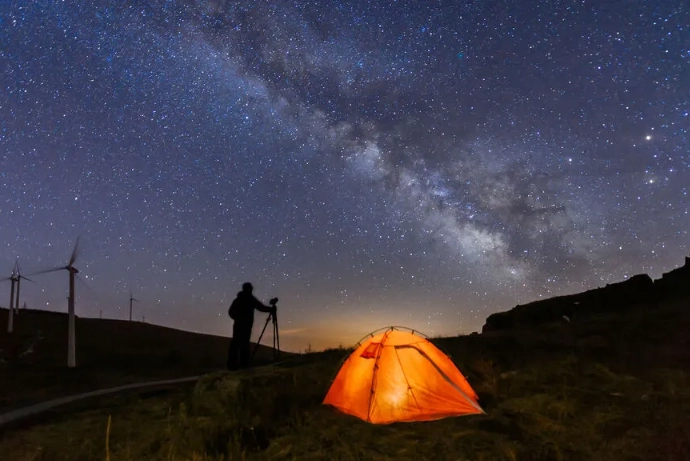
For stargazing itself, you don't need a fancy telescope. Beginners often blow budgets on equipment they can't use. Instead, invest in:
- Binoculars (7x50 or 10x50): More versatile than telescopes; great for scanning constellations. I recommend Celestron's Cometron series—under $50 and durable.
- Star charts or apps: SkyView or Stellarium are free and work offline. But bring a paper map as backup; phones die.
- Warm clothing layers: Merino wool base layers, insulated jacket, and a beanie. Sitting still for hours chills you fast.
Personal take: I see campers lugging huge telescopes without a proper tripod. It's a recipe for frustration. Start simple—learn the sky with binoculars, then upgrade if you're hooked. My first telescope collected dust because I didn't know how to align it.
Gear Checklist for a 2-Night Trip
Here's what I pack, refined over years:
- Tent with rainfly (test it at home first)
- Sleeping bag (rated 20°F) and sleeping pad
- Red-light headlamp and extra batteries
- Binoculars and smartphone with stargazing app (download maps beforehand)
- Thermos with hot drinks—coffee or tea for late-night sessions
- Folding chair with back support (you'll be sitting a while)
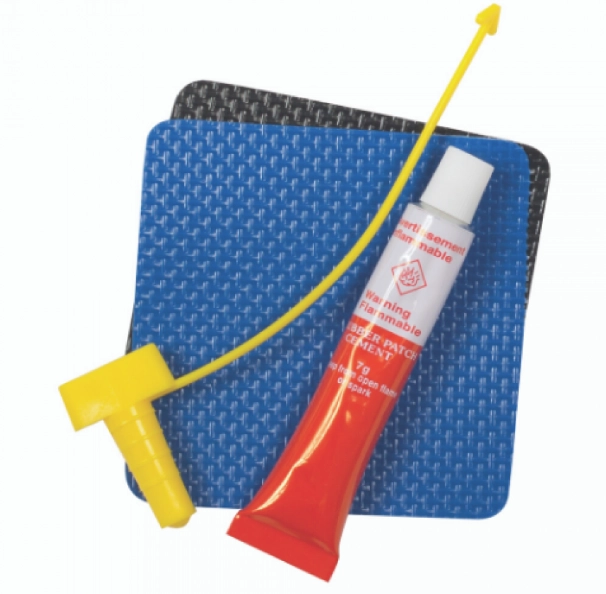
- First-aid kit including blister patches (hiking to sites happens)
Skip the fancy camera initially. Astrophotography is a deep rabbit hole; focus on enjoying the view first.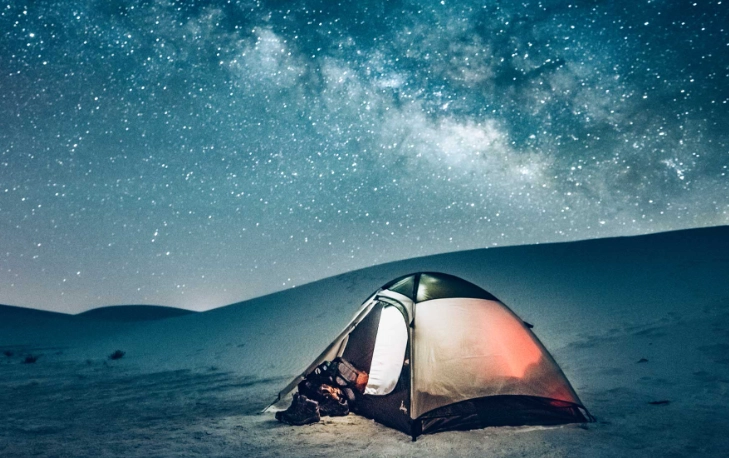
Planning Your Stargazing Camping Trip: A Step-by-Step Guide
Planning makes or breaks the trip. I treat it like a military operation—flexible but detailed. Follow these steps.
Step 1: Check moon phases and weather. A full moon washes out stars. Aim for new moon or crescent phases. Use apps like Clear Outside for cloud forecasts. I once ignored this and ended up under overcast skies; now I always have a backup date.
Step 2: Book campsites early. Dark sky sites fill fast, especially weekends. Reserve 3-6 months ahead. If you're spontaneous, target mid-week or dispersed camping areas in national forests (check regulations—some allow free camping).
Step 3: Plan your route and timing. Arrive before sunset to set up in daylight. Navigating in the dark is tough. Pack a paper map—GPS can fail in remote areas.
Step 4: Prepare for celestial events. Look up meteor showers or planet alignments. The Perseids in August are popular, but also crowded. Consider lesser-known events like the Geminids in December for solitude.
Here's a sample 3-day itinerary for Big Bend National Park:
- Day 1: Drive in, arrive by 4 PM. Set up camp at Chisos Basin Campground. After dinner, join a ranger-led night sky program (free, check park schedule).
- Day 2: Hike during day to acclimatize. At night, drive to Sotol Vista for panoramic views—bring binoculars and snacks. Stay up late for Milky Way core visibility (best around midnight).
- Day 3: Early morning observation for planets, then pack up and leave by noon.
Adjust based on your fitness and interests. The key is balance—don't over-schedule. Stargazing requires patience; rushing ruins the magic.
Common Mistakes to Avoid (From a Decade of Experience)
Most guides repeat the same tips. Here are subtle errors I've seen—and made—that aren't often discussed.
Mistake 1: Overlooking wind and humidity. Clear skies don't matter if wind shakes your binoculars or humidity fogs lenses. Check wind forecasts and bring lens cloths. In coastal areas, dew can ruin gear; use anti-fog sprays.
Mistake 2: Ignoring local wildlife. I once had a raccoon steal my snack bag during a meteor shower—distracting and dangerous. Secure food in bear-proof containers, even in non-bear areas. Noise from animals can also disrupt quiet observation.
Mistake 3: Assuming all dark sky sites are equal. Some parks have "dark sky" status but allow RV generators that create light pollution. Research campground rules; opt for primitive sites away from RV zones.
Mistake 4: Neglecting personal comfort. You'll be stationary for hours. A thin sleeping pad on cold ground leads to back pain. Invest in a thick insulated pad. Also, hydrate—dehydration at altitude worsens fatigue.
My worst trip was in Colorado: perfect skies, but I forgot extra socks. Wet feet made me cut the night short. Now I always pack spare clothing in a waterproof bag.
Your Stargazing Camping Questions Answered
Stargazing camping blends adventure with awe. It's not about perfection; it's about connecting with the cosmos. Start small, learn from missteps, and soon you'll have your own stories under the stars. Remember, the sky is always there—your preparation just lets you see it better.