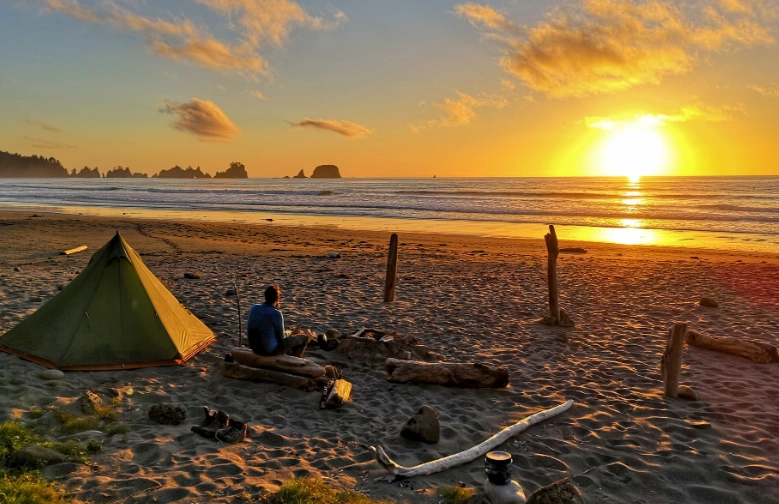
Mountain camping isn't just regular camping with a better view. It's a different beast. The air is thinner, the weather switches moods in minutes, and a simple mistake can have real consequences. But the reward? Waking up above the clouds, with silence so deep you hear your own heartbeat, is worth every ounce of effort. I've spent over a decade chasing that feeling, from the Rockies to the Alps, and made plenty of mistakes so you don't have to. Let's cut through the fluffy advice and talk about what you actually need to know.
What's Inside This Guide?
How to Choose the Perfect Mountain Campsite
Forget picking the spot with the most Instagrammable sunset. Your first priority is safety, then comfort. That gorgeous bare knob on the ridge? It's a lightning magnet and a wind tunnel. That soft, grassy bowl? It's a "cold sink" where all the chilly air pools at night.
Here’s my checklist, in order of importance:
- Ground Surface: Durable surfaces only. Dirt, gravel, rock, or sand. Never on alpine meadow vegetation—it takes decades to recover. In popular areas, use existing, established sites to minimize impact.
- Wind & Weather Exposure: Look for natural windbreaks. A cluster of boulders or a line of stunted trees (krummholz) can make the difference between a peaceful night and a tent-collapsing gale. Avoid ridgelines and wide-open passes.
- Water Source: You need water for drinking, cooking, and cleaning. A site within a 5-10 minute walk of a reliable stream or lake is ideal. Never camp right on the bank. Regulations often require being at least 200 feet away to protect water quality and wildlife corridors.
- Slope & Drainage: A perfectly flat spot is rare. Look for a slight, even slope. Lie down on the ground before setting up your tent. Feel for rocks and roots. More importantly, check for subtle drainage channels. If it looks like water might flow there during a storm, it will.
- Avalanche & Rockfall Paths: This is critical in early season or in certain terrain. Look up! Are you at the base of a steep, bare slope? Are there signs of previous slides (broken trees, piles of debris)? Move.
A quick story: In Colorado's San Juan range, I once ignored a faint gully in my chosen site, thinking "it hasn't rained in weeks." A midnight thunderstorm proved me wrong. I woke up to a cold stream running under my tent floor. Lesson learned—always read the land, not just the forecast.
What Gear Do You Really Need for Mountain Camping?
Your backyard camping kit won't cut it. Mountain gear is about redundancy, weight, and performance under pressure. It's not about having the most expensive items; it's about having the right ones.
The Non-Negotiables (The "You'll Regret It" List)
| Category | Specific Item | Why It's Critical |
|---|---|---|
| Shelter | 3-Season (or 4-Season) Tent | Must withstand high winds and driving rain. Freestanding designs are easier to pitch on hard ground. Look for strong poles and lots of guylines. |
| Sleep System | Insulated Sleeping Pad (R-value 4+) & Down/Synthetic Bag Rated 10-20°F below expected low | Cold ground sucks heat. A high R-value pad is non-negotiable. Your bag rating is a survival rating, not a comfort rating. Always go colder. |
| Navigation | Detailed Topo Map, Compass, GPS/Satellite Communicator (e.g., Garmin inReach) | Phones fail. A paper map and compass are your primary tools. A satellite device is for emergencies and check-ins. Know how to use all three. |
| Water & Food Storage | Water Filter/Purifier & Hard-Sided Bear Canister | Giardia ruins trips. A reliable filter (like a Sawyer Squeeze or Katadyn BeFree) is essential. In most alpine zones, bear hangs don't work. A canister is required by law and protects wildlife. |
| Layers | Merino Wool/Synthetic Baselayer, Insulating Mid-Layer (Fleece/Puffy), Hardshell Rain Jacket & Pants, Warm Hat, Gloves | Cotton kills. It holds moisture and loses insulation. You need a system to manage sweat, warmth, and rain independently. |
The biggest gear mistake I see? People skimp on the sleeping pad. They buy a fancy, lightweight tent and pair it with a flimsy foam pad. You lose more heat to the ground than to the air. Invest in a good pad first.
One Piece of Gear That's Often Overlooked
Everyone remembers the tent and the sleeping bag. Almost no one thinks about the battery. At high altitude, your phone dies quickly searching for a signal that isn't there. A dedicated GPS device like a Garmin inReach Mini isn't just for navigation; its SOS feature is a literal lifesaver. Pair it with a detailed paper map of the area you're in. Don't rely on your phone for this.
Planning Your Mountain Camping Trip: A Sample Itinerary
Let's make this concrete. Say you're planning a 3-day, 2-night trip to a spot in Colorado's San Juan Mountains. Here’s how a pro thinks through it.
Months in advance: Research permits. Yes, you often need one for the area you want to camp in. Check with the managing agency (US Forest Service, BLM, etc.). Book it online. Don't wait.
Week before: Check weather trends. Mountain weather is fickle. Prepare for all seasons in one day. Pack layers. Break in your boots. Again.
Day 1: Drive up. Acclimatize slowly. Hike to the trailhead. Set up camp. Enjoy the view. The silence is deafening.
Day 2: Wake up early. The air is thin. Your head hurts. Take ibuprofen. Drink water. Filter more. The pump is heavy. Your back aches. You're tired.
Day 3: Pack out. Drive home. Shower. The hot water feels good. You're already planning the next one.
This is the rhythm. It's punishing and rewarding in equal measure. You're hooked.
Mountain-Specific Leave No Trace (It's More Than Packing Out Trash)
In the alpine zone, the principles are the same, but the stakes are higher. The vegetation is fragile. The soil is thin. It takes a century to recover.
- Plan Ahead and Prepare: This means knowing the regulations for the area you're in. Some allow fires, some don't. Some require bear canisters, some don't. Don't assume.
- Travel and Camp on Durable Surfaces: Stay on established trails and campsites. The meadow you're in is sensitive. The grass is long. It waves in the wind.
- Dispose of Waste Properly: Pack out all trash, including toilet paper. Use a WAG bag. The smell is awful. You'll never forget it.
- Leave What You Find: That pretty rock? Leave it. The flower? Don't pick it. The view? Take a picture. Your memory is the best souvenir.
- Minimize Campfire Impacts: If fires are allowed, use an existing ring. Keep it small. Put it out completely. Drown it, stir it, feel it's cold before you leave.
- Respect Wildlife: You might see a bear. Don't run. Make noise. Be big. Act calm. They can smell fear.
- Be Considerate of Other Visitors: The family next to you is loud. Their dog barks. You're annoyed. Breathe. Let it go.
It's a code. Live by it. The mountains thank you.
Your Mountain Camping Questions, Answered
Mountain camping strips everything down to essentials. It's hard, sometimes miserable, and profoundly simple. The challenge clears your head. The silence is tangible. You come back changed, tired in your bones, and already dreaming of the next ridge. That's the pull. That's why we go.