You've seen the photos. Endless trails, pristine lakes at sunrise, the profound silence of a forest at dusk. Backpacking camping is the purest form of adventure travel, but the leap from car camping to carrying your life on your back can feel massive. Where do you even start? I remember my first trip, a supposed "easy" 20-miler. I brought a cast-iron skillet (seriously) and cotton everything. The blisters were epic, the pack felt like a fridge, and I swore I'd never do it again. But I did, and now, after a decade of trekking everything from the Rockies to the Scottish Highlands, I'm here to give you the straight talk no one gave me. This isn't about buying the most expensive gear; it's about smart planning and avoiding the subtle mistakes that turn dreams into disasters.
Your Trail Map to This Guide
Gear Essentials: The Backpacker's Core Kit
Forget the endless "Top 100" lists. You need about 12 key items. The goal is lightweight camping gear, not lightweight bankruptcy. Prioritize spending on three things: your backpack, your shelter, and your sleep system. A cheap, heavy pack will ruin your trip faster than bad weather.
The Non-Negotiable Big Three
Backpack (50-65 Liters): Don't buy online first. Go to a store, get it fitted with weight in it. Your torso length, not your height, is the key measurement. A poorly fitted pack is a torture device.
Shelter (Tent or Hammock): A 3-season tent is the safest bet for beginners. Look for a "freestanding" model—easier to pitch on hard ground. Weight per person should ideally be under 3 lbs. I made the mistake of buying a "bargain" 2-person tent that was actually a 1-person tent with a rainfly that flapped like a sail all night.
Sleep System (Bag & Pad): Your sleeping bag's temperature rating is a survival limit, not a comfort rating. If you expect nights at 40°F, get a 20-30°F bag. The pad is not optional; it provides insulation from the cold ground. An inflatable pad is comfier but a closed-cell foam pad is bombproof and cheaper.
The Practical Gear Checklist
| Category | Essential Items | Why It Matters & Pro Choice |
|---|---|---|
| Sleep | Sleeping Bag, Sleeping Pad, Pillow (inflatable) | Warmth and recovery. Down bags are lighter and pack smaller but lose insulation when wet. Synthetic bags are heavier but safer in damp conditions. |
| Hydration | Water Filter, Bottles/Bladder (2-3L capacity) | Non-negotiable safety. A Sawyer Squeeze or Katadyn BeFree filter is lightweight and effective against bacteria/protozoa. Never rely solely on chemical tablets for all your water. |
| Cooking | Stove, Fuel, Pot, Spork, Lighter | Simple is best. A canister stove like the Jetboil Flash boils water fast. Dehydrated meals are easy, but repackage them in zip-locks to save space and trash. |
| Clothing | Merino Wool Base Layers, Insulating Layer, Rain Shell, Extra Socks | The layering system is key. Avoid cotton entirely (it holds moisture). A puffy jacket for camp is a luxury worth its weight. |
| Navigation & Safety | Paper Map & Compass, Headlamp, First-Aid Kit, Multi-tool | GPS phones fail. A paper map is your backup brain. Your headlamp should have fresh batteries—check them before you leave the car. |
Planning Your First Multi-Day Trip
Let's plan a hypothetical first trip: a 2-night, 3-day loop. The goal isn't mileage; it's enjoyment and learning.
Step 1: Logistics & Permits. Many popular multi-day hiking trails require permits, sometimes months in advance. For a first trip, pick a trail with a self-issue permit or none at all to avoid complexity. Check the managing agency's website (e.g., National Park Service, US Forest Service).
Step 2: The Food Plan. You'll need about 2,500-4,500 calories per day. Breakfast: Oatmeal with nuts. Lunch: Tortillas with peanut butter and jerky (no refrigeration needed). Dinner: A dehydrated backpacking meal. Snacks: Trail mix, bars, chocolate. Pack one extra day's food—always.
Step 3: The Itinerary. Be brutally conservative. If a trail guide says a section is "8 miles, moderate," plan for 5-6 hours your first day. You'll be slower with a full pack. Aim to reach camp by 3 PM. This gives you time to set up leisurely, filter water, and enjoy the spot you hiked all day to see.
How to Select Your First Multi-Day Hiking Trail
Don't start with the John Muir Trail. Your mission is to build confidence.
Criteria for a First-Timer's Trail:
- Distance: 10-25 total miles, with days under 8 miles.
- Elevation Gain: Look for under 1,500 feet of gain per day.
- Water Access: Reliable water sources every 5-7 miles are crucial.
- Loop or Out-and-Back: Loops are more interesting, but out-and-back is simpler logistically.
- Cell Service: Assume you'll have none. Tell someone your detailed plan.
Example Starter Trails (Always verify current conditions):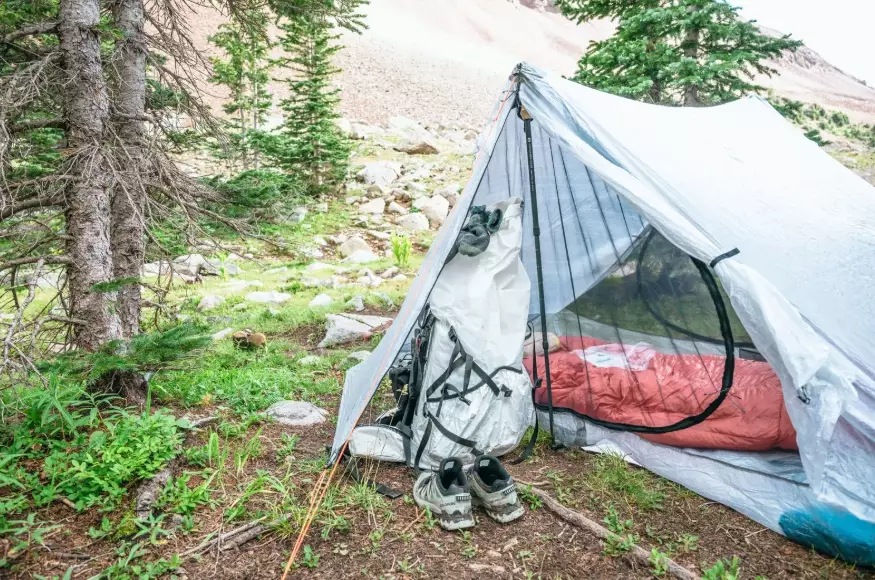
1. Four Mile Loop in Great Smoky Mountains National Park: Actually about 4 miles one-way to a backcountry campsite. You can turn it into an easy overnight. Water from streams (filter required!). No permit needed for this specific route, but you must reserve the campsite. It gives you a taste of true Appalachian forest.
2. Lost Coast Trail (Northern Section), California: This is a more ambitious but flat option. Requires careful tide planning (you need a tide chart!). Permits are competitive. It's stunning, but the logistics teach you important research skills. Maybe a goal for your second or third trip.
The best resource is often not a blog, but the official land manager's site and platforms like The Hiking Project or AllTrails where recent user reviews mention blowdowns, water flow, and bug pressure.
How to Pack Your Backpack Like a Pro
Packing is strategic, not just stuffing. A well-packed bag carries 30% easier.
Bottom: Your sleeping bag (in a dry sack). Things you won't need until camp.
Middle (against your back): Your heaviest items. Stove, food bag, water reservoir (if using). Keep weight close to your spine and centered.
Top: Lighter, bulkier items. Your shelter, extra clothes.
Accessory Pockets: Rain shell, hat, sunscreen, snacks, map. Anything you need to grab within 30 seconds without stopping.
Your water filter and a bottle of dirty water can go in a side pocket. The goal is balance. Stand up with your packed bag. If it pulls you backward, the weight is too high. If it drags you down, it's too low.
Wilderness Safety and Navigation Basics
Getting lost is a mindset, not just a location.
Always have a physical map and compass and know how to use them. Your phone's GPS is a fantastic tool—I use Gaia GPS on every hike—but it's a supplement, not a replacement. Batteries die. Phones break.
Before you step on the trail, orient your map. Identify clear landmarks (that big peak to the north, the river to the east). Check your location at every trail junction. This habit takes 10 seconds and prevents 90% of navigation errors.
Leave a trip plan with someone reliable: trail name, entry/exit points, license plate number, and when to call for help if they don't hear from you.
Your Backpacking Questions, Answered
 My backpacking meals are bland and repetitive. Any tricks beyond expensive freeze-dried bags?