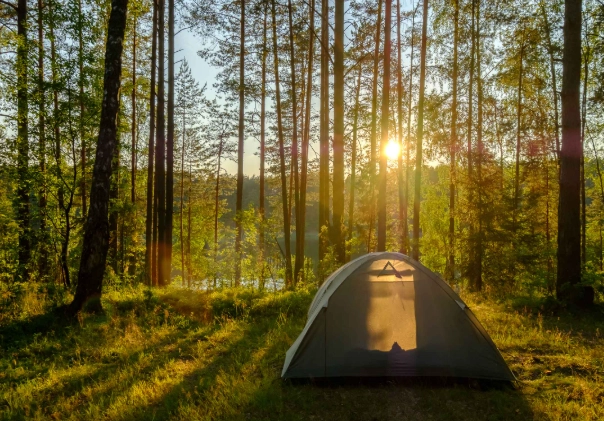
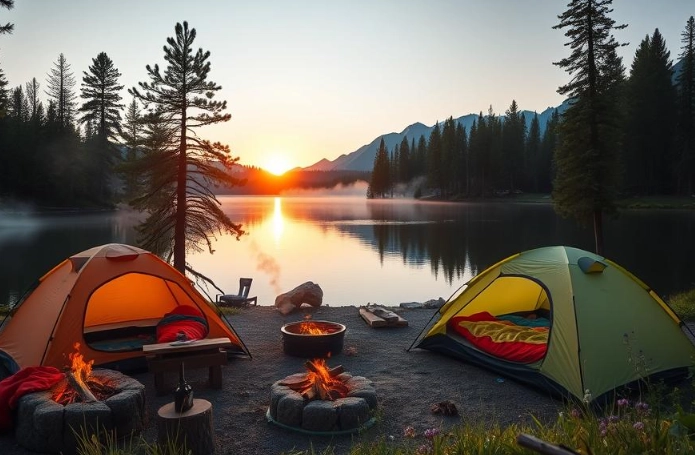
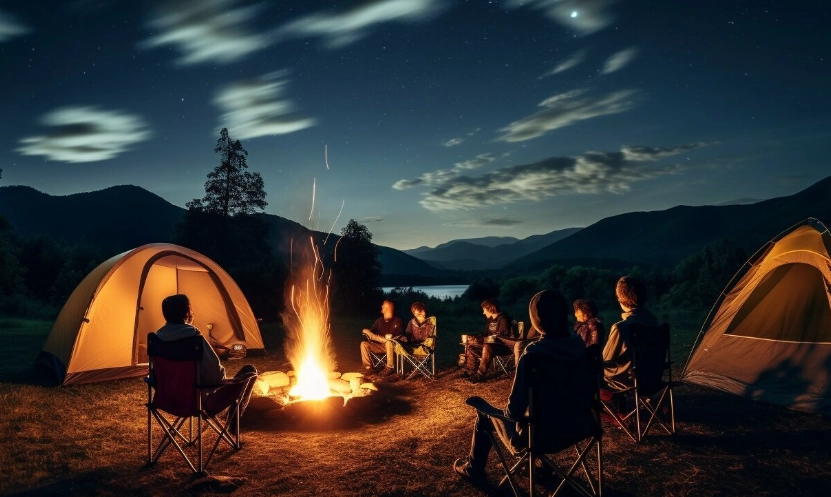
Car camping is the gateway drug to the outdoors. It's not backpacking, where every ounce counts and you're miles from your vehicle. It's showing up at a campsite, parking your car, and unloading your comfort. You sleep in a tent (or sometimes in the car itself), but your vehicle is your mobile basecamp, storage locker, and emergency shelter all in one. It's the perfect way to dip your toes into camping without the commitment of hauling everything on your back. I remember my first trip, a nervous excitement mixed with the fear of forgetting something crucial. I brought a giant, heavy cotton sleeping bag because it was cheap. That was a mistake. Let's make sure your first trip is smoother than mine.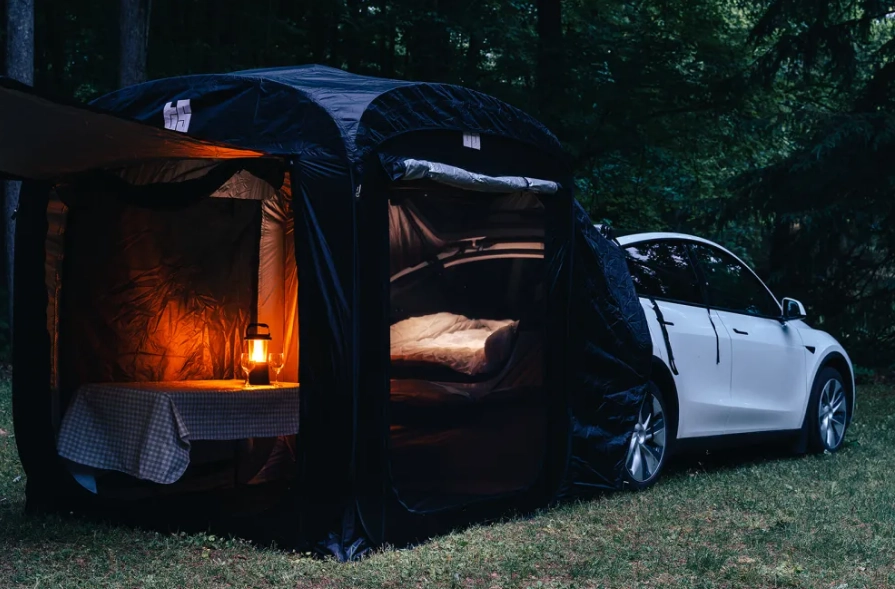
What's Inside This Guide
What Exactly Is Car Camping & Why It's Perfect for Beginners
Think of it as outdoor living with training wheels. Your car is right there. Forgot the bug spray? It's in the glovebox. Sudden downpour? Jump in the car. This accessibility removes a huge layer of stress for newcomers. The key difference from backpacking is the weight and luxury penalty. You can bring a thicker air mattress, a bigger cooler, real pillows, folding chairs, and even a camp kitchen setup. The goal is comfort, which makes enjoying nature a lot easier.
But here's a subtle mistake I see all the time: people treat their car like a bottomless pit and overpack chaotically. You still need to be organized. Throwing everything into the trunk in a giant heap means you'll be unpacking the entire car to find the spatula at dinner time. We'll get to packing strategy later.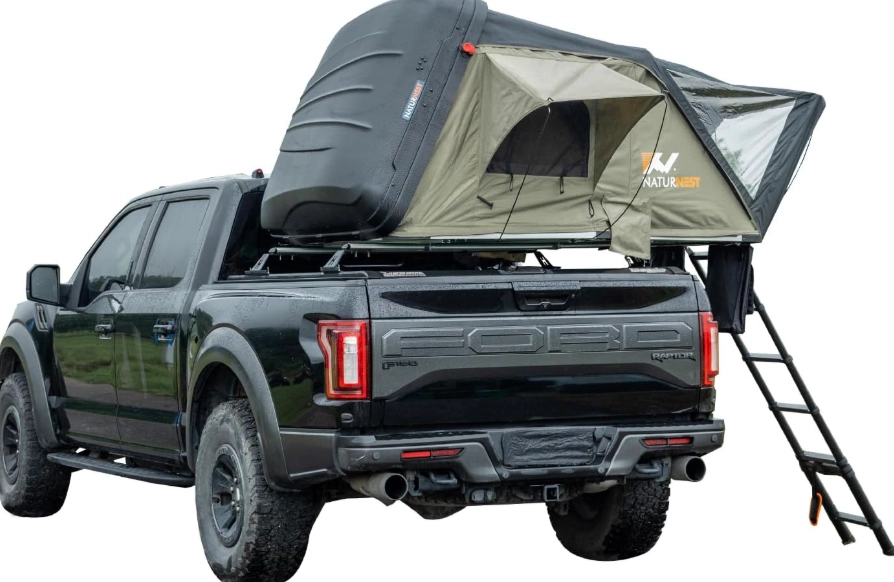
How to Find and Book Your First Campsite
Your campsite choice can make or break the trip. As a beginner, aim for established campgrounds, especially for your first outing.
Bookable Campgrounds (State Parks, National Parks, KOA)
These are your best bet. They have designated spots, usually a flat tent pad, a picnic table, a fire ring, and access to shared amenities like restrooms, potable water, and sometimes showers. Sites are booked online through platforms like Recreation.gov (for federal lands) or state park reservation systems. Book well in advance, especially for summer weekends. A site with electric hookups ("RV site") often works for car campers too and gives you power for air pumps or string lights.
Dispersed Camping (BLM Land, National Forests)
This is free camping on public land, away from developed facilities. It's amazing for solitude, but it requires more self-sufficiency and research. You need to bring all your own water, pack out all trash, and know the specific rules for the area. For a first trip, I'd recommend saving this for later. But if you're adventurous, the Bureau of Land Management and US Forest Service websites are your starting point. Always call the local ranger district to confirm road conditions and regulations.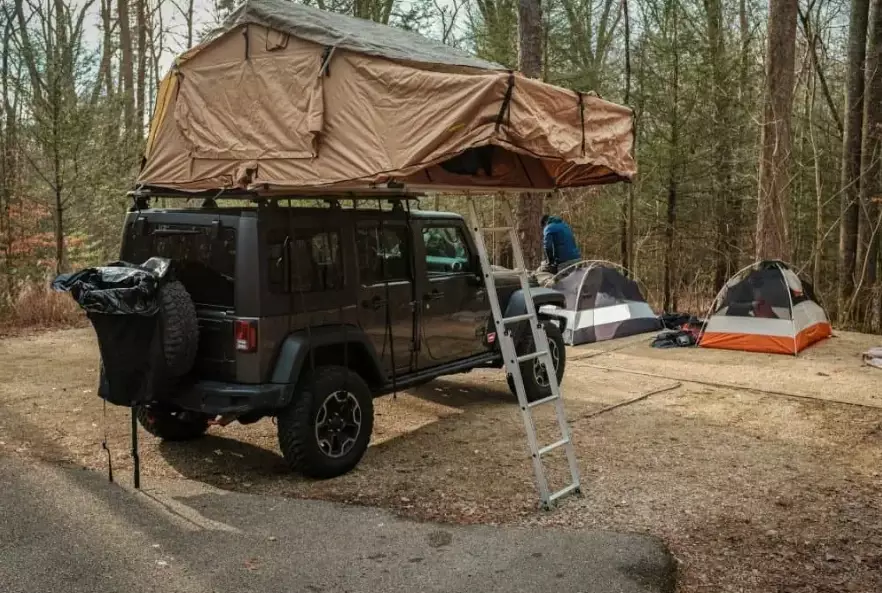
The Non-Negotiable Car Camping Gear List
You don't need to buy everything at REI on day one. Borrow, use household items, and upgrade later. This table breaks down the absolute essentials.
| Category | Essential Items | Beginner Notes & Why It Matters |
|---|---|---|
| Shelter & Sleep | Tent (check capacity), footprint/tarp, sleeping bag, sleeping pad or air mattress, pillow. | A 4-person tent for 2 people gives room for gear. The footprint protects the tent floor. Sleeping pads are for insulation, not just comfort. The ground sucks heat. |
| Cooking & Food | Camp stove & fuel, lighter/matches, pot/pan, plate/bowl, utensils, mug, cooler, food, water jug. | A simple 2-burner propane stove is perfect. Plan easy meals. A good cooler (like an Igloo or Coleman) with block ice lasts longer than cube ice. |
| Comfort & Lighting | Camp chairs, headlamp, lantern, tablecloth. | You'll live in your chair. A headlamp keeps your hands free. A lantern for ambient light at the picnic table is a game-changer. |
| Clothing & Personal | Weather-appropriate layers, rain jacket, sturdy shoes, hat, toiletries. | Avoid cotton. It gets wet and stays cold. Use synthetic or wool layers. Pack for colder nights than the forecast says. |
| Tools & Safety | First-aid kit, multi-tool, duct tape, emergency blanket, paper maps, car charger. | Cell service is often nil. Download offline maps. A basic first-aid kit should have blister treatment. |
Let's zoom in on sleep systems, because this is where most first-timers suffer. That old sleeping bag from your aunt's basement? If it's cotton, leave it. It's useless when damp. A cheap synthetic bag rated for temperatures 10-15 degrees below your expected low is a wise start. And the pad is non-negotiable. An inflatable air mattress is comfy but can be cold without insulation. A dedicated camping sleeping pad has an R-value (insulation rating). For summer, R-value 2-4 is fine.
My personal luxury item? A 5-gallon water jug with a spigot. It sits on the picnic table, provides drinking and washing water, and beats constantly refilling small bottles.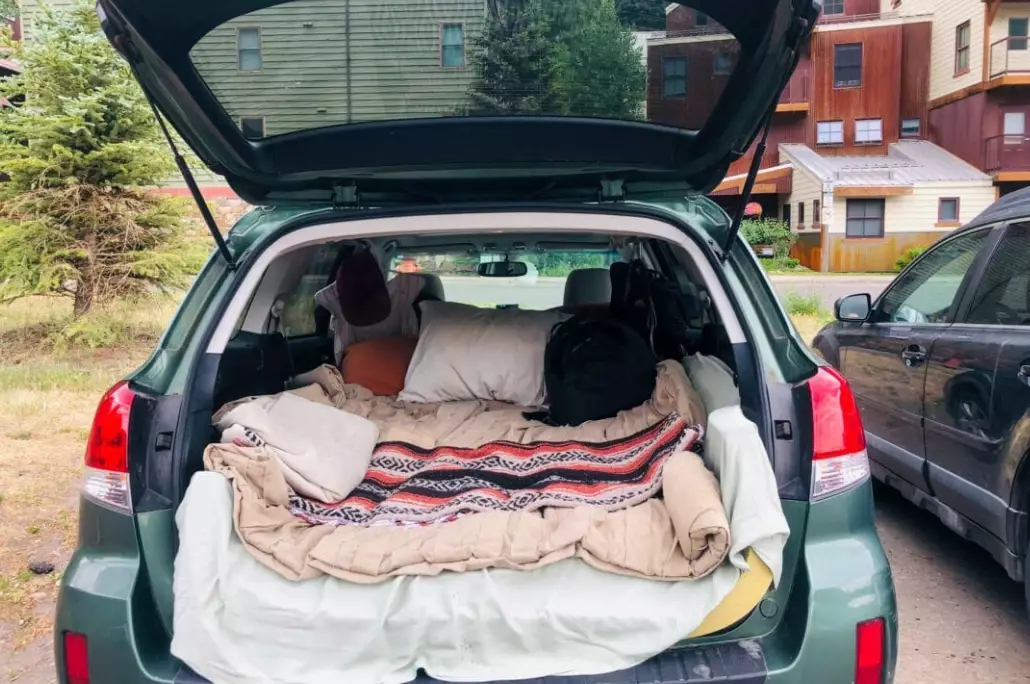
Pre-Trip Prep and Campsite Setup Like a Pro
Before You Leave Home
Check your car's tire pressure, oil, and coolant. Pack the car logically: Camp setup items last in, first out. That means your tent, sleeping bags, and chairs should be accessible without unpacking the cooler and kitchen bin. Use storage bins or bags to group items (Kitchen Bin, Sleep Bin, Clothing Bag). It keeps the car organized and makes unloading at camp a breeze.
The Golden Hour: Arriving at Camp
1. Park and Scout: Pull into your spot. Get out and look around. Where's the flat, rock-free spot for the tent? Where's the table? Where will you cook?
2. Set Up Shelter First: Always pitch your tent before anything else. Weather can change in minutes. Get your sleeping gear inside.
3. Create Zones: Establish a kitchen area (away from the tent, because of critters), a lounging area by the table, and a clean gear area near the car.
4. Food Management: Immediately store all food, trash, and scented items (toothpaste, deodorant) in your car or a provided bear box when not in use. This is critical, even in non-bear country, to avoid raccoons and mice.
I learned the zone lesson the hard way. I once cooked right next to my tent door. The smell of dinner lingered, and I spent the night listening to very interested rustling just outside the thin nylon wall.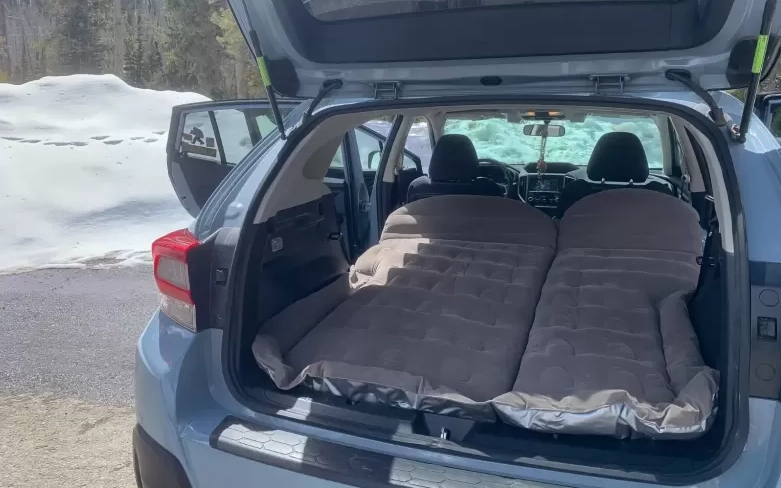
Pro Tips They Don't Tell You in the Brochure
These come from a decade of forgetting things and figuring it out.
Battery Power: A small portable power bank is fine for phones. For longer trips or to run a small fan/CPAP, consider a dedicated power station like a Jackery. They're pricey, so maybe rent one first.
The Midnight Bathroom Run: Keep your shoes, headlamp, and a light jacket right inside the tent door. Fumbling in the dark is no fun.
Leave It Better: Bring an extra trash bag. Spend the last 10 minutes before you leave doing a sweep of your site and picking up any micro-trash, even if it's not yours. It matters.
Start Small: Your first trip shouldn't be a 5-night epic. Try a single Friday night at a campground 90 minutes from home. If you hate it, you're close enough to bail. If you love it, you have all day Saturday to enjoy it.
The biggest barrier isn't gear or skill—it's the anxiety of the unknown. By following a clear plan, you replace that anxiety with anticipation.
Your Car Camping Questions, Answered
 Is car camping safe for solo travelers, especially women?