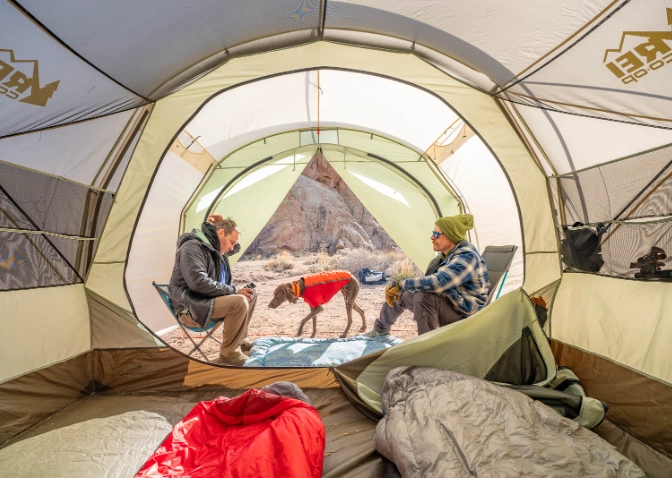
I remember our first family camping trip. My vision was all marshmallow-roasting bliss and serene sunsets. The reality involved a three-year-old who refused to enter the tent because "it's a monster cave" and me realizing at midnight that I'd packed zero warm clothes for myself. We survived. More than that, we learned, and we've gone back dozens of times since. That first trip, despite its chaos, planted a seed. If you're staring at a pile of gear or a daunting campsite booking page, this guide is for you. Let's skip the glossy brochure version and talk about how to make your first time camping with family genuinely good.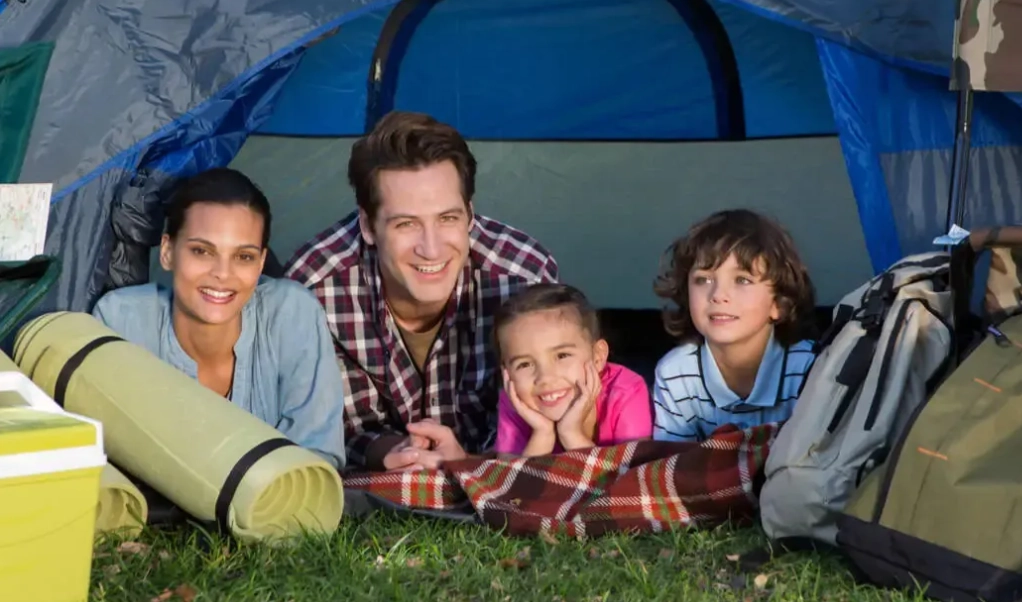
What You'll Find in This Guide
Why Bother? The Real Benefits of Family Camping
Forget the Instagram filters for a second. The value isn't just in the photos. It's in the unplanned moments. The shared struggle of setting up a tent becomes a team victory. Without Wi-Fi, conversations stretch longer. Kids who are timid at home become bold explorers spotting squirrels and tracing leaves. According to a report by the American Camper, over 40 million households in the U.S. went camping in 2023, with family trips being a primary driver. It's not a fad; it's a reset button. It simplifies life down to basics: shelter, food, play, sleep. That simplicity is a gift, especially for over-scheduled kids.
But here's the non-consensus part most guides won't tell you: The benefit isn't contingent on perfect weather or expert skills. The benefit is in the shared problem-solving. When it drizzles and you're huddled in the tent playing cards, that's the bonding. When the campfire won't light and you all try different methods, that's the memory. Aim for connection, not perfection.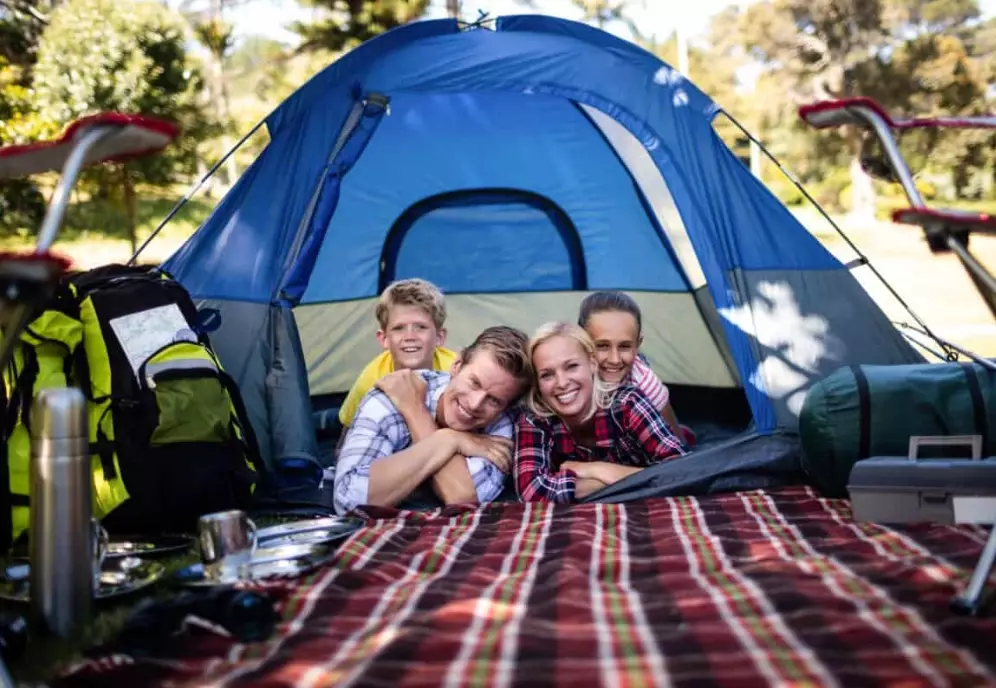
Choosing Your First Campsite: Drive-In is Your Friend
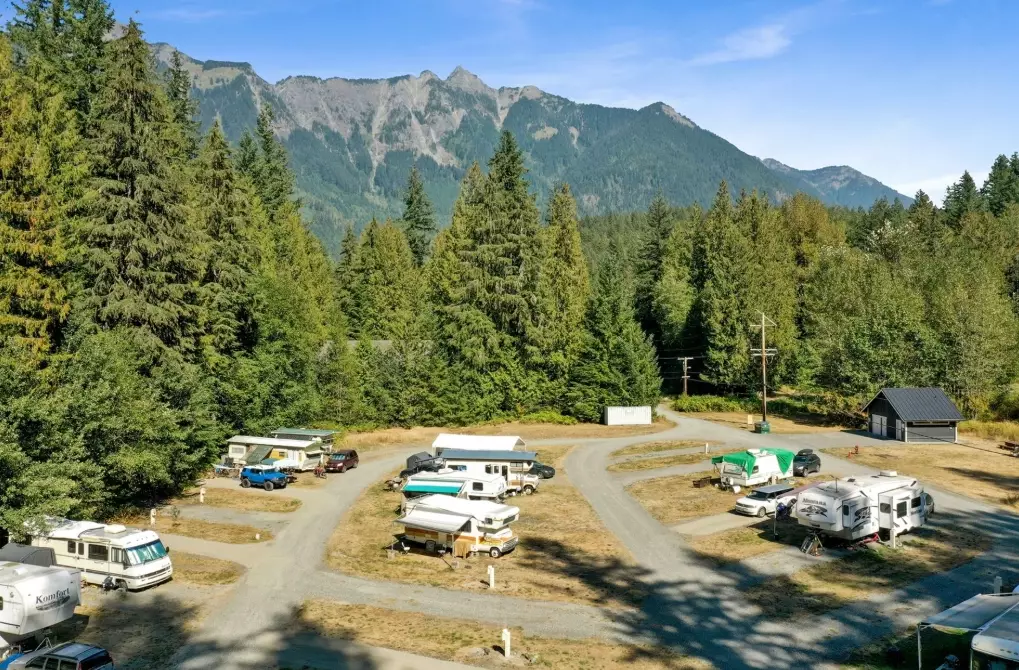
Your number one goal for trip #1 is to minimize variables. This is not the time to hike 5 miles into the backcountry. A developed, drive-in campground in a state or national park is your ideal launchpad.
Look for these specific amenities when booking:
- Flush Toilets & Running Water: Non-negotiable for first-timers, especially with young kids. Vault toilets (pit latrines) can be a deal-breaker for hesitant children.
- Designated Fire Pit & Picnic Table: The core of your campsite "living room."
- Proximity to Home: Under 2 hours of driving. If everything goes sideways, you can bail without a major ordeal.
- Cell Service (Optional but Recommended): Knowing you can call for help or check the weather eases parental anxiety.
How to find them? Use Recreation.gov for U.S. federal lands (National Parks, National Forests) or your state's park reservation website. Read the recent reviews! Campers are brutally honest about bug levels, noise, and site quality.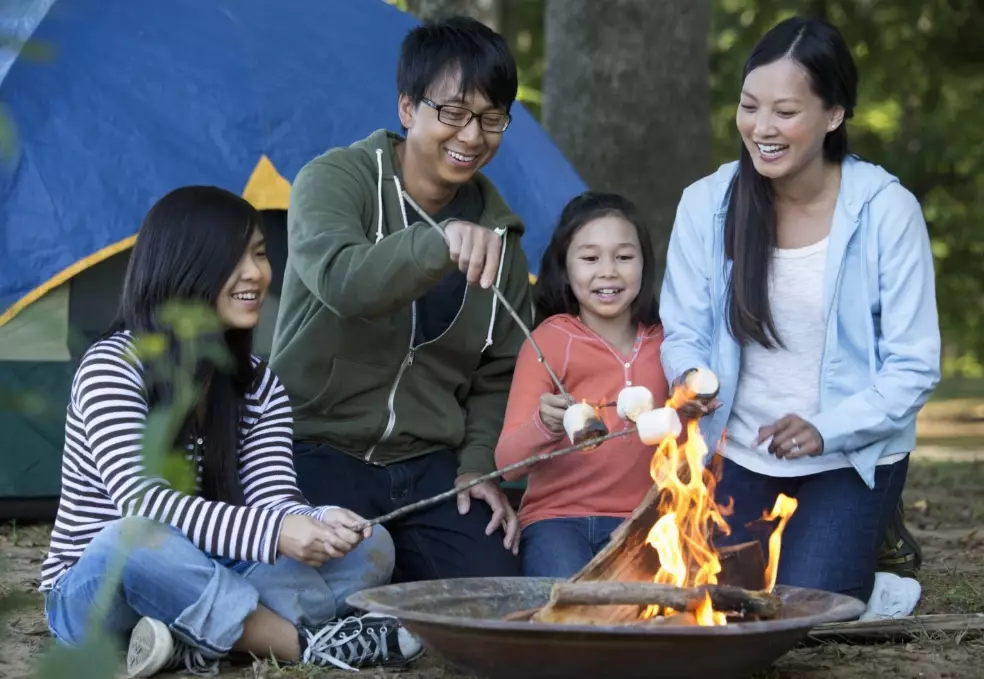
The Non-Negotiable Family Camping Gear List
You don't need a $2000 roof-top tent. You need the right basics. Borrow, rent, or buy used for your first trip. REI and other outfitters offer rental kits. Here’s a breakdown of what you truly need, categorized by priority.
| Item | Why It's Essential | Pro-Tip / Common Mistake |
|---|---|---|
| Shelter: Tent | Your dry, bug-free home. Get one rated for 2-3 more people than your family (e.g., a 6-person tent for a family of 4). | Practice setting it up in your backyard first. Doing it in the dark with tired kids is a nightmare. Also, a cheap tarp as a "footprint" underneath protects the tent floor. |
| Sleeping: Bags & Pads | Sleep is the difference between a good trip and a miserable one. Insulation from the cold ground is as important as the bag. | Check the bag's temperature rating. A 30°F "comfort rating" is a good summer start. For pads, air-filled are comfier than foam for most. Bring pillows from home. |
| Lighting: Headlamps | Hands-free light for cooking, bathroom trips, and reading in the tent. Far superior to flashlights. | Get one for every family member, even kids. It makes them feel empowered and safe. Bring extra batteries. |
| Cooking: Camp Stove | Reliable heat for boiling water and cooking meals. Don't rely solely on the fire pit. | A basic 2-burner propane stove is perfect. Remember the fuel canister! Plan simple, one-pot meals like pasta or pre-made foil packet dinners. |
| Hydration: Water Jugs | You need water for drinking, cooking, and cleaning. Most campgrounds have a spigot. | Bring at least two 5-gallon jugs. Collapsible ones save space. Never assume "there will be a stream." |
| Comfort: Camp Chairs | You will want to sit. The picnic table bench gets hard and is often dirty. | One per person. Kid-sized chairs are a huge hit. The $10 basic folding chair is fine. |
| Organization: Plastic Totes | Keeps gear dry, organized, and safe from animals. Your car will be a mess without them. | Use one for kitchen stuff, one for clothes. Clear ones let you see inside. They double as a wash basin. |
The biggest gear mistake I see? Overpacking clothes and underpacking warmth. Nights get cold. Pack a dedicated set of warm, dry sleep clothes (fleece, long underwear, wool socks) that never leave the tent.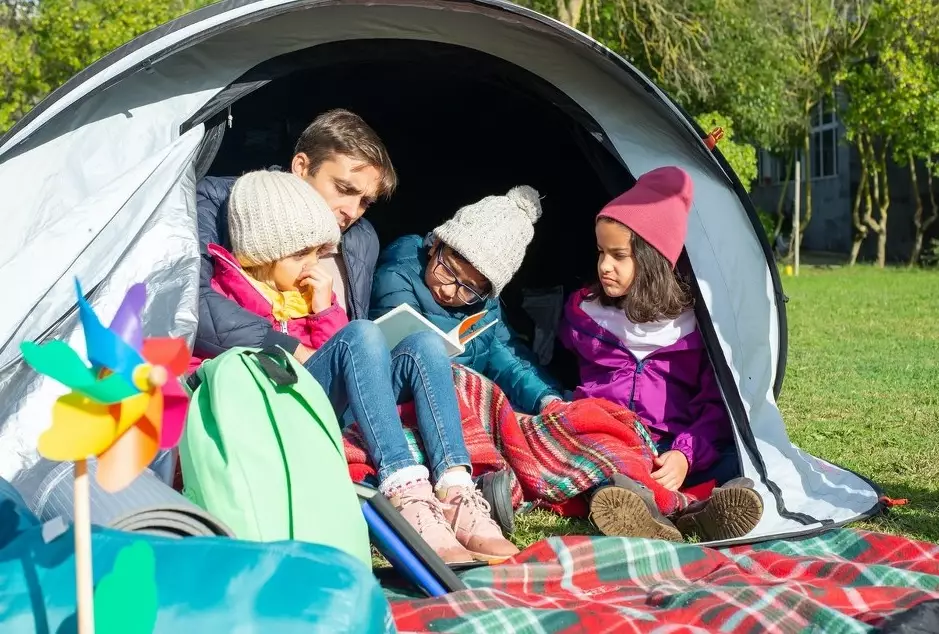
Beyond the Tablet: Keeping Kids Engaged Outdoors
"I'm bored" is the camping parent's nemesis. The trick is to facilitate exploration, not orchestrate every moment.
Low-Effort, High-Reward Activities
Scavenger Hunt with a Twist: Don't just find a pinecone. Find: "Something smoother than your cheek," "Something that makes a sound when the wind blows," "Three different shades of green." This engages senses.
Junior Ranger Programs: If you're at a National or State Park, these are gold. Free booklets with activities lead to a badge. It's structured, educational, and a coveted souvenir.
Fire Master Apprentice: With strict supervision, let kids be in charge of gathering tiny twigs ("kindling") or blowing gently on the embers once the fire is safe. Giving them a real job builds ownership.
Stargazing 101: Download a free app like SkyView Lite. Point it at the sky to identify planets and constellations. Seeing Saturn's rings through binoculars will blow their minds.
My philosophy? Pack a few small, novel toys (glow sticks, a magnifying glass) but let nature be the main event. A stick can be a sword, a fishing pole, or a marshmallow roaster. Let them be.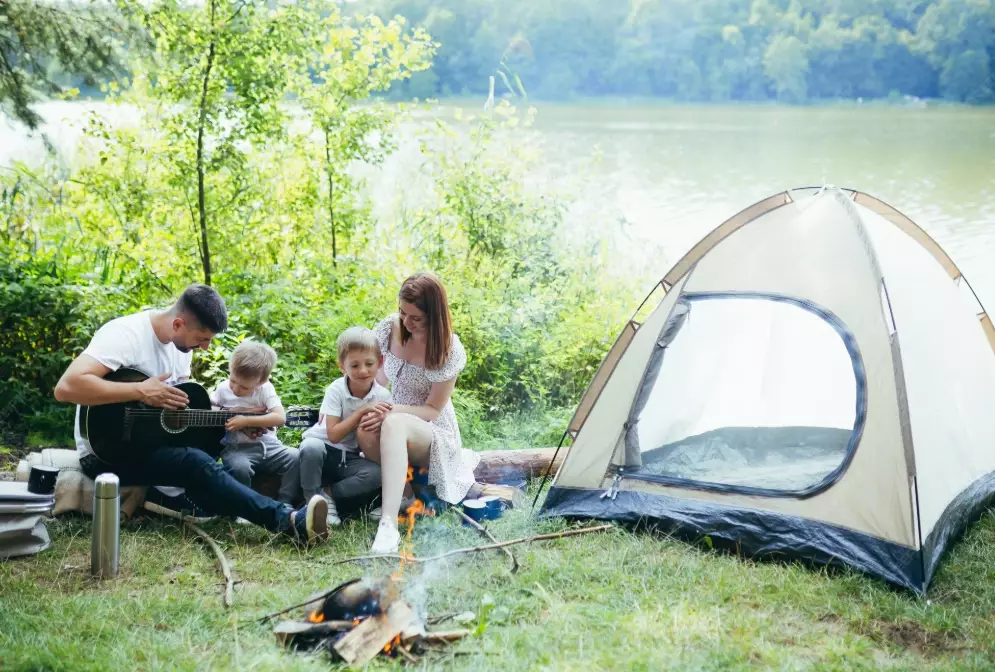
Your Step-by-Step First Trip Game Plan
Let's walk through the timeline. This is the script that reduces decision fatigue.
Weeks Before: Book your campsite. Set up all new gear at home. Create a meal plan for every breakfast, lunch, and dinner. Pre-mix pancake batter in a bottle, chop veggies for foil packets. Pack clothes in bags by person and day.
Day Before: Load the car, except cooler and last-minute items. Charge all devices and power banks. Check the weather forecast and do a final adjustment.
Arrival Day (Aim for Early Afternoon): 1. Check in at the campground office.
2. Drive to your site. Do a quick safety sweep for broken glass or hazards.
3. Critical First Task: Set up the tent immediately. This establishes your home base.
4. Set up kitchen area and chairs.
5. Let kids explore the immediate site boundaries while you finish.
6. Keep dinner simple—hot dogs or pre-made sandwiches.
7. Build a small fire, make s'mores, enjoy the dark. Go to bed when the kids are tired.
Full Camp Day: Lazy morning with pancakes. Go for a short, easy hike (1 mile or less). Return for lunch and downtime (reading, drawing in the tent). Afternoon can be more exploring, ranger program, or relaxing at the site. Another simple dinner. The rhythm is eat-play-rest, just like home, but outside.
Departure Day: Pack up methodically. Leave the site cleaner than you found it. Stop for a treat (ice cream, pizza) on the way home. Everyone will be tired and dirty, but in the best way.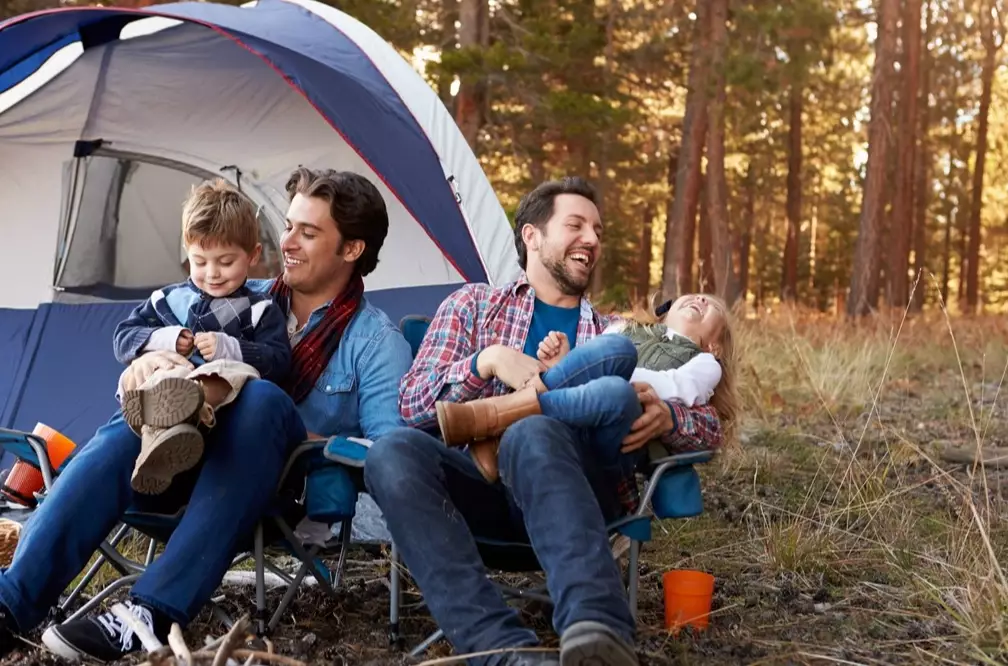
Answers to the Questions You're Secretly Worried About
How do we handle nighttime with a toddler who's scared of the dark and unfamiliar sounds?
This is the top concern. First, normalize the sounds during the day. "Listen, that's a bird! That rustling is probably a squirrel." At night, use white noise. A small, battery-powered fan does double duty for air circulation and sound masking. Bring their favorite lovey and a familiar night light. Most importantly, stay calm. Your anxiety is contagious. If they wake, reassure them and point out the fun sounds: "That's just the wind singing through the trees, our tent is keeping us safe." Often, they'll surprise you by sleeping harder than at home.
What's a realistic meal plan that won't have me cooking over a fire for hours?
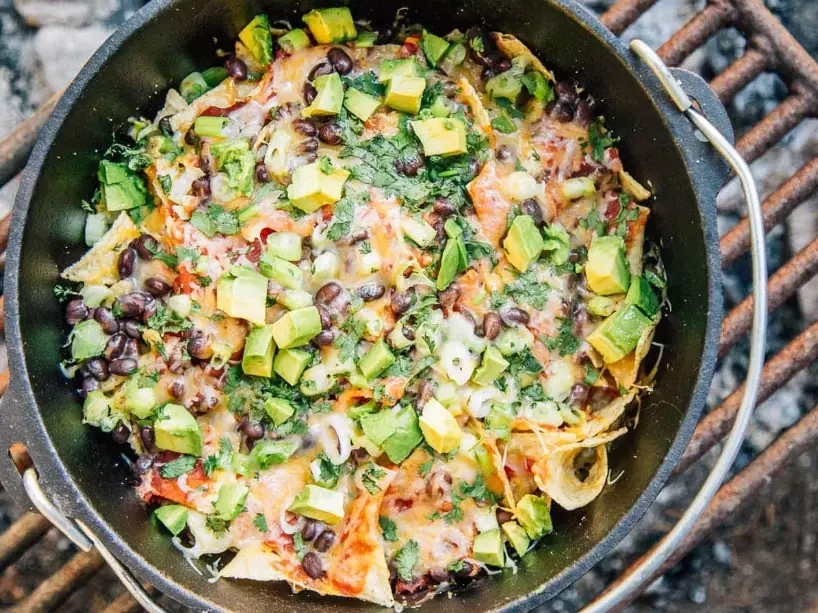
Avoid complex recipes. Breakfast: Pre-made muffins, instant oatmeal, or just fruit and yogurt. Lunch: Sandwiches, wraps, or snack lunches (cheese, crackers, salami, fruit). Dinner: Go for one-pot wonders. Pre-cook chili or pasta sauce at home and just reheat. Foil packets with sausages, potatoes, and veggies are foolproof. Or, embrace the "fun" factor: hot dogs and baked beans. Dessert is always s'mores. Remember, food tastes better outdoors, so keep it simple.
 It's supposed to rain on our planned weekend. Should we cancel our first trip?
Not necessarily. A little rain can be a great teacher and make for a cozy adventure. The key is preparation. A large pop-up canopy or a tarp strung over your picnic table creates a dry "porch." Ensure your tent has a rainfly that extends properly and that you've used a footprint. Pack plenty of dry socks, waterproof boots, and rain jackets. Have a tent-only activity bag ready: cards, books, small board games. If the forecast calls for severe thunderstorms or constant downpours, postponing is wise. But a passing shower? That's just part of the story.
How do we manage the constant dirt and mess?
You surrender to it, to a point. Designate the tent as a "clean zone"—no shoes, no food. A small doormat and a brush outside helps. Bring multiple towels designated as "dirty" for wiping hands and faces. Baby wipes are a camping parent's secret weapon for quick clean-ups. Pack clothes in sets inside large ziplock bags, so you always have a clean, dry pair. Accept that everyone will be grubby by the end; it's a sign of a good time.
Is "glamping" a good alternative for a nervous first-time family?
Absolutely. Glamping ("glamorous camping") in a pre-set cabin, yurt, or safari tent removes the biggest hurdles: shelter and sometimes bedding. You get the immersion in nature without the gear stress. It's a fantastic on-ramp. Use it to test your family's appetite for being outdoors without the full commitment. Many state parks now offer these options. If you discover you love the campfire and the stars but hate airing out a damp tent, you've learned something valuable about your family's camping style.
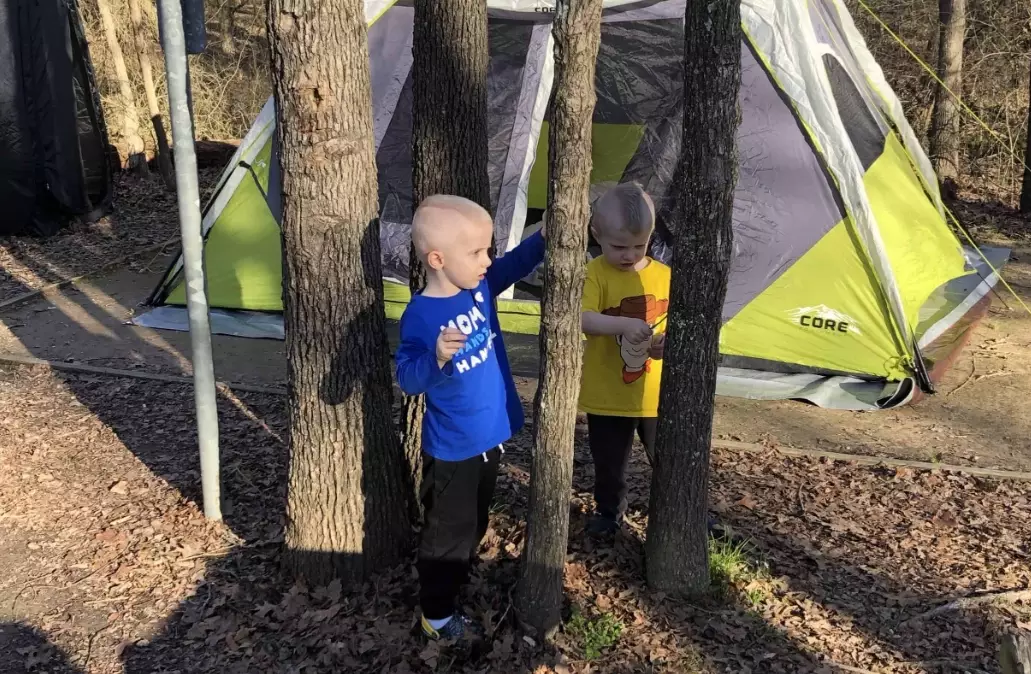 The goal of your first family camping trip isn't to be perfect. It's to be a successful enough experiment that you want to try it again. Focus on the basics: a safe, dry place to sleep, simple food, and low expectations. The magic isn't in the gear or the location; it's in the uninterrupted time together, the shared challenges, and the quiet moments watching the fire. Start small, pack your sense of humor, and go make some messy, wonderful memories.