In This Guide
- Why Bother? The Magic and The Madness
- Picking Your Park and Your Spot
- The Nuts and Bolts: Reservations, Permits, and That Dreaded Website
- What to Actually Bring (And What to Leave at Home)
- Playing by the Rules: Safety and Leave No Trace
- Answering Your Burning Questions (FAQs)
- Beyond the Basics: Making It Truly Yours
Let's be honest. You've seen the pictures. The perfect sunrise over a canyon, the quiet morning with mist rising from a lake, the starry skies untouched by city lights. Camping in national parks promises that. But between that dream and reality lies a whole lot of... planning. And confusion. And maybe a frantic search for a permit at midnight.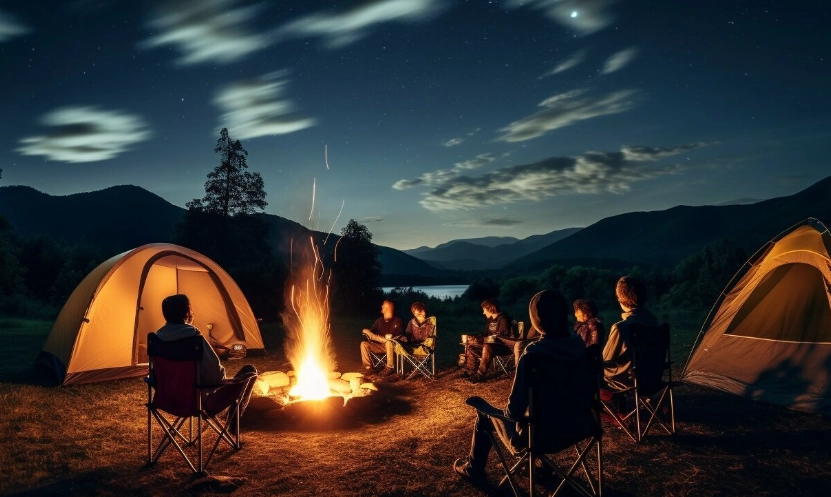
I've been there. I've also spent countless nights in parks from the soggy forests of Olympic to the dry, vast silence of Big Bend. This isn't a fluffy, romanticized take. It's a straight-shooting guide to actually making it happen, avoiding the common pitfalls, and having a genuinely great time. Because camping in national parks is one of the best ways to connect with these places, but you've got to be smarter than the average bear. Literally.
So, whether you're a first-timer wondering where to even start, or a seasoned backpacker looking for a new challenge, let's break it down.
Why Bother? The Magic and The Madness
First, the why. Why deal with competitive reservations, strict rules, and potentially crowded campgrounds? Simple: access. Waking up inside a national park is a different experience entirely. You're there for the golden hour before the day-trippers arrive and after they leave. You hear the park's night sounds. You can take your time.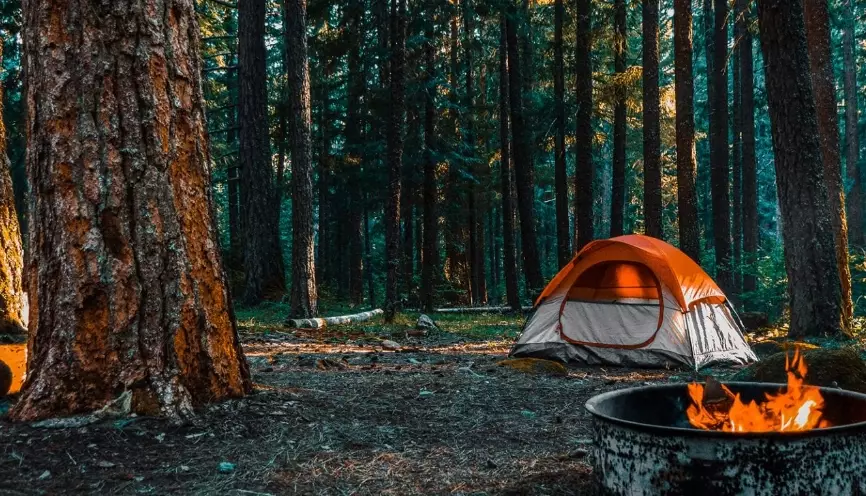
But it's not all solitude and serenity. Some park campgrounds feel like parking lots with tents. Others are so remote you'll question your life choices. The key is knowing what you're signing up for.
Planning a successful trip hinges on two big decisions: which park and what kind of camping you want. They're totally intertwined.
Picking Your Park and Your Spot
Not all parks are created equal for camping. Some are frontcountry paradises with RV hookups and camp stores. Others offer only rugged backcountry sites reachable by miles of trail. Your comfort level and goals dictate everything.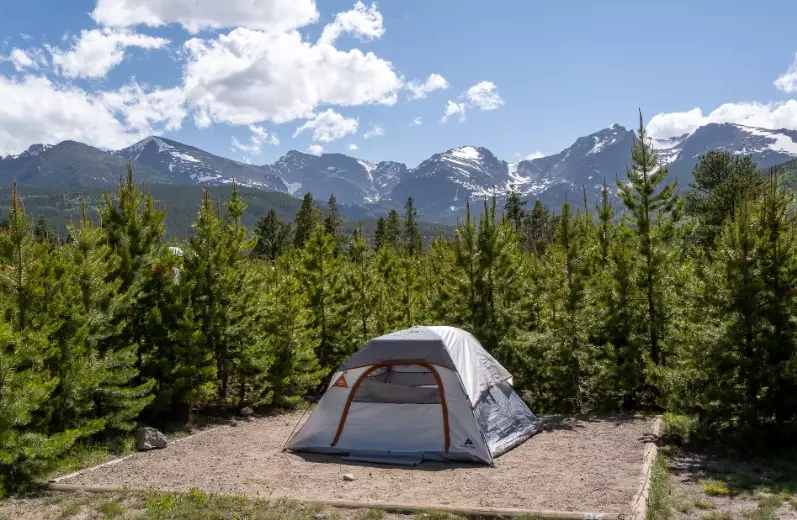
Frontcountry vs. Backcountry vs. Everything In-Between
Most people think of frontcountry camping—drive-up sites, often with amenities like picnic tables, fire rings, potable water, and restrooms. This is the gateway to camping in national parks for most families and beginners. Places like Yosemite's Upper Pines or Glacier's Many Glacier are iconic for a reason, but they book up insanely fast.
Then there's backcountry camping. This is dispersed camping at designated sites or zones, miles from your car. It requires permits, solid gear, and backcountry know-how. The reward? Profound solitude. Think of hiking to a remote site in Grand Canyon or canoe-in sites in Voyageurs.
But wait, there's a middle ground gaining popularity: walk-in or hike-in sites. These are often a short walk (0.25 to 1 mile) from a parking area. You get a taste of separation from the car crowd without a full multi-day trek. Sites like those at Arches' Devil's Garden are perfect examples.
Ask yourself: Am I looking for convenience or solitude? A social vibe or pure nature?
Top National Parks for Different Camping Styles
Here’s a quick comparison to point you in the right direction. This isn't just a list of "best"—it's about matching the park to your style.
| Park | Best For | Camping Vibe | Reservation Difficulty | My Personal Take |
|---|---|---|---|---|
| Yellowstone | Classic Family Camping, Wildlife | Large, developed campgrounds (some with RV hookups). Very social. | Very High for summer. Some first-come, first-served. | Mammoth Campground is great for seeing elk right at camp, but it can be noisy. |
| Grand Teton | Stunning Views & Access to Lakes | More rustic than Yellowstone, incredible mountain backdrops at sites like Jenny Lake. | Extremely High. Jenny Lake sites sell out in minutes. | Signal Mountain Campground has killer views of the Tetons from your tent door. |
| Zion | Convenience to Hiking | Only one in-park campground (Watchman). Shuttle access right from site. | Extremely High. Book exactly 6 months out. | Watchman is convenient but feels more like a basecamp than a wilderness escape. |
| Acadia | Wooded, Coastal Camping | Forested sites on Mount Desert Island. Close to park loop road. | High for Blackwoods and Seawall. Book early. | Blackwoods is deeply wooded and feels secluded, even when full. |
| Great Smoky Mountains | Spontaneous Trips & Backcountry | All frontcountry sites are FIRST-COME, FIRST-SERVED. Great for backcountry novices. | Low for planning, high for stress—you have to arrive early to snag a site. | The first-come system is a pain but allows for last-minute adventures. Cades Cove is magical at dawn. |
| Olympic | Variety (Rainforest, Coast, Mountains) | Different campgrounds offer totally different ecosystems. From beachfront to deep forest. | Moderate to High. Mora (coast) and Heart O' the Hills (forest) are popular. | Camping at Kalaloch on the beach is unbeatable. Just be ready for wind and dampness. |
The Nuts and Bolts: Reservations, Permits, and That Dreaded Website
This is where dreams go to die if you're not prepared. The system for camping in national parks can feel like trying to win a lottery.
Recreation.gov is the monolithic platform for most reservable frontcountry sites and many backcountry permits. It's... functional. Sometimes it crashes during peak booking times. My advice? Create an account before your booking window opens. Have your credit card info saved. Know exactly which site or zone you want. Be logged in and ready to click the millisecond reservations open (usually 10:00 AM ET for many parks).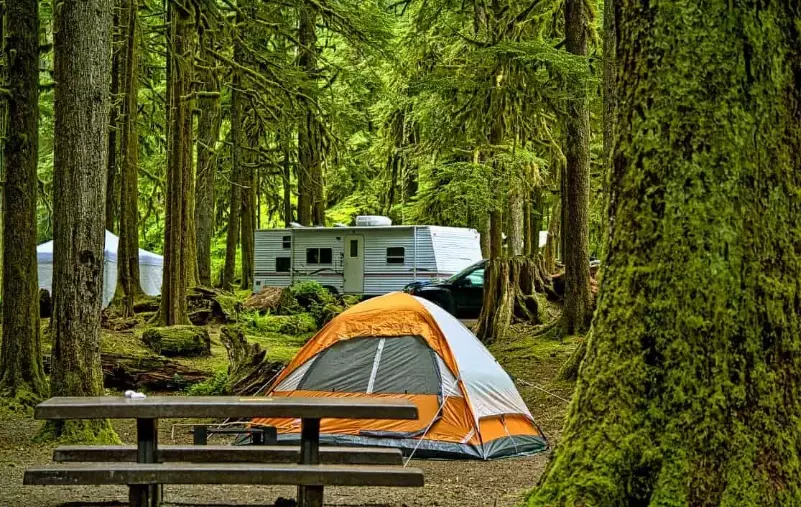
But here's a crucial tip many miss: not all camping in national parks is on Recreation.gov. Some parks, like Great Smoky Mountains, handle their own first-come, first-served system. Others, like Grand Canyon, have their own permit portal for backcountry trips. Always, always check the specific "Camping" page on the official park website (NPS.gov is your bible).
For backcountry permits, the process is more nuanced. It often involves a lottery (e.g., Half Dome cables in Yosemite) or a rolling window. Research the specific park's backcountry page months in advance. The NPS backcountry permit overview is a good starting point.
What to Actually Bring (And What to Leave at Home)
Packing for camping in national parks isn't just about a tent and a sleeping bag. It's about being self-sufficient while respecting the rules. Here’s a categorized list that goes beyond the basics.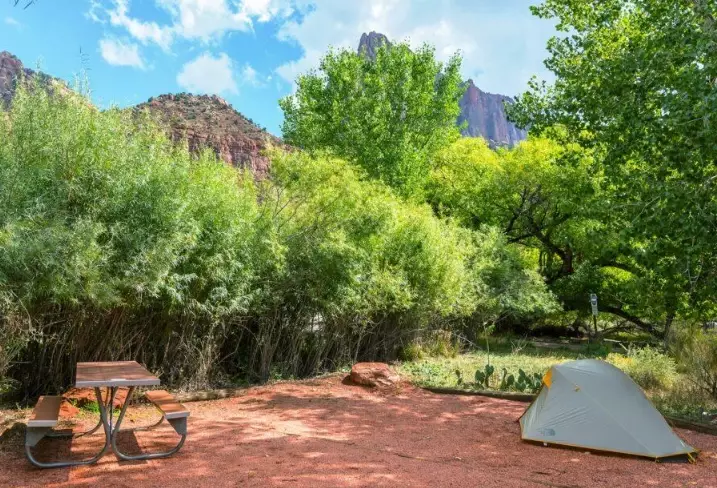
The Non-Negotiables
- Shelter: A tent with a rainfly. Test it at home first. Nothing worse than a leak in a park downpour.
- Sleep System: Sleeping bag rated for the expected low temperature, plus a sleeping pad for insulation and comfort. The ground is cold.
- Lighting: Headlamp (hands-free!) plus a lantern for the campsite. Extra batteries.
- Food Storage: This is critical. In most parks, especially bear country, you need a hard-sided bear canister or you must use provided food lockers. Hanging food is often prohibited and less effective. I use a BearVault. It's bulky but peace of mind is priceless. The park website will specify requirements.
- Cooking: A simple camp stove (Jetboil, MSR PocketRocket). Check for fire restrictions! Often, wood fires are banned during dry periods. Even if allowed, buy firewood locally to prevent spreading pests.
- Water: Way more than you think. Collapsible containers plus a filtration/purification system if you'll be refilling from natural sources (even in the backcountry, treat all water).
The "Oh Yeah, That" Items (Commonly Forgotten)
- Camp Chair: Sitting on a log gets old.
- Multi-tool or Knife: For a thousand small tasks.
- Duct Tape: Wrapped around a water bottle. Fixes tents, poles, shoes.
- First-Aid Kit: Tailored for blisters, cuts, and burns.
- Cash: For firewood, small entrance stations without card readers, or showers at nearby facilities.
- Warm Clothes for Evening: Even in summer, desert and mountain parks get cold at night. A puffy jacket and beanie are lifesavers.
Playing by the Rules: Safety and Leave No Trace
This isn't just about being a good citizen; it's about keeping the parks wild and keeping yourself safe. The rules for camping in national parks exist for a reason.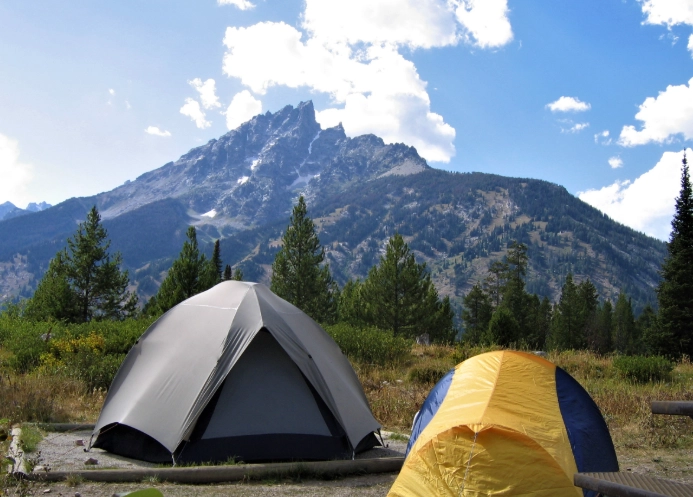
Wildlife Safety (It's Not Just Bears)
Bears get the headlines, but other animals can be just as problematic.
Bears: Store ALL smellables (food, toothpaste, deodorant, trash) in the bear locker or canister. Every time. Not just at night. If a bear approaches your site, make noise, group together, and do NOT run. Report incidents to a ranger immediately.
Rodents: Chipmunks, squirrels, and mice are the real food thieves in many parks. They'll chew through your backpack in minutes for a crumb. Keep your car and tent absolutely clean.
Bison, Elk, Moose: These are large, wild, and unpredictable. Give them a wide berth—at least 25 yards for elk/moose, 100 yards for bears and wolves. Never get between a mother and her young.
A fed bear is a dead bear. It's a cliché because it's tragically true.
Leave No Trace for Real
LNT is a framework, not just a slogan. When camping in national parks, it's your responsibility.
- Plan Ahead: You're doing that now.
- Travel & Camp on Durable Surfaces: Use established sites and trails. Don't create new tent pads.
- Dispose of Waste Properly: Pack out all trash. For human waste in the backcountry, use a cathole 6-8 inches deep, 200+ feet from water. Pack out toilet paper in many fragile environments (like deserts).
- Leave What You Find: No rocks, antlers, flowers, or historical artifacts. Take pictures, leave footprints.
- Minimize Campfire Impacts: Use a stove. If you have a fire, keep it small, use existing rings, burn only small sticks to ash, and drown it completely.
- Respect Wildlife: Observe from a distance. Never feed.
- Be Considerate of Other Visitors: Keep noise down, especially after quiet hours (usually 10 PM). Let nature's sounds prevail.
The Leave No Trace Center for Outdoor Ethics website has incredible detail on each principle.
Answering Your Burning Questions (FAQs)
Here are the questions I get asked most, or wish I'd known answers to earlier.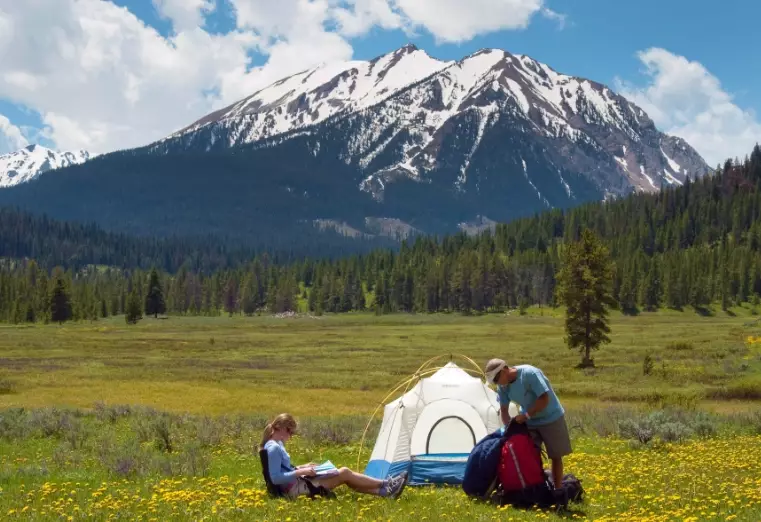
Almost never. Dispersed camping outside of designated campgrounds is generally prohibited in national parks to protect resources. You must camp in a designated site or backcountry zone with a permit. National Forests and BLM land bordering parks often have dispersed camping rules—check those regulations separately.
Shoulder seasons—late spring/early summer and early fall. Crowds are thinner, temperatures are milder, and reservations are (slightly) easier. Summer is peak for a reason (all roads/trails open) but it's a zoo. Winter camping is a fantastic, quiet option in some parks (like Bryce Canyon or Death Valley) but requires serious cold-weather gear and preparation.
No. This is a huge point of confusion. Fire restrictions are common, especially in western parks during dry summers. Always check the park's website or with a ranger upon arrival. Often, only camp stoves are permitted. Even if fires are allowed, never leave one unattended and drown it until it's cold to the touch.
All hope is not lost. First, look for first-come, first-served (FCFS) campgrounds within the park. Plan to arrive on a weekday morning (think Tuesday-Wednesday) as early as possible (before 10 AM) to snag a site that just emptied. Second, look at campgrounds in surrounding National Forests or state parks. They're often close and have more availability. Third, use the cancellation strategy mentioned earlier.
Generally, yes, especially in frontcountry campgrounds. Take normal precautions: let someone know your plans, secure your belongings, and trust your instincts. For solo backcountry travel, extra preparation and a satellite communicator (like a Garmin inReach) are wise investments. Rangers are also an excellent resource for discussing safety concerns.
Beyond the Basics: Making It Truly Yours
Once you've got the logistics down, you can start to refine the experience. Camping in national parks is your basecamp for adventure.
Use your campsite as a hub. Get up for sunrise at a famous overlook before the crowds. Return to camp for a lazy midday break when the trails are hottest and busiest. Head back out for sunset and stargazing. You have the freedom of being there.
Talk to your neighbors and the rangers. Some of my best trail recommendations came from a retired couple at the next site over in Capitol Reef. Rangers at the visitor center or campground host can tell you about hidden gems or recent wildlife activity.
Embrace the simplicity. The rhythm of camp life—making coffee, cooking a simple meal, watching the light change—is a big part of the appeal. Put the phone away (service is often spotty anyway). Bring a book, a sketchpad, or just sit and watch the trees.
Camping in national parks isn't always easy. It can be frustrating, dirty, cold, or buggy. But when it clicks—when you're sipping that coffee as the sun hits the canyon wall, or when you see a sky full of stars you never knew existed—every bit of planning feels worth it. You're not just visiting a park; you're living in it, briefly. And that's something special.
So get out there. Plan smart, respect the place, and get ready to make some memories that have nothing to do with a perfect Instagram shot and everything to do with the real, raw, wonderful experience of being outside.