You remember the big moments—the summit view, the perfect sunrise. But what about the taste of that surprisingly good campfire stew, the exact shade of green in the moss by the creek, or the joke your friend told that had everyone laughing until their sides hurt? Those details fade. Fast. That's where camping journaling comes in. It's not about writing a novel; it's about capturing the soul of your trip so you can relive it for years. I've kept a camp journal for over a decade, and it's the single most valuable piece of gear I own, next to my sleeping bag.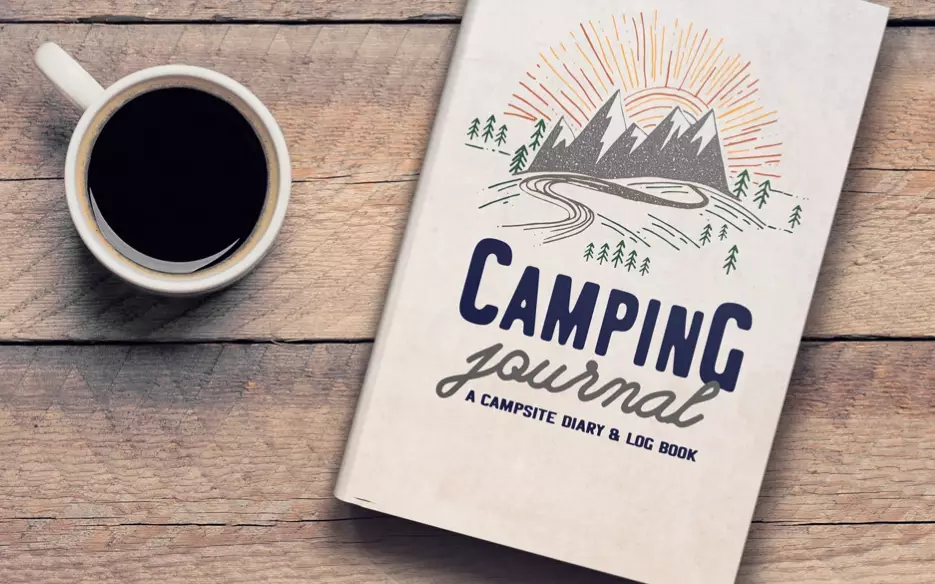
What's Inside This Guide?
What is Camping Journaling (And Why Bother)?
Think of it as a dedicated notebook for everything outdoors. It's part logbook, part sketchpad, part scrapbook. You jot down the route, weather, and gear used (the log). You scribble a drawing of a weird mushroom or write a few lines about how the air smelled after the rain (the sketch). You tape in a leaf, a park map, or a campsite receipt (the scrap).
Most beginners think it's just for recording facts. It's not. The real magic is in recording feelings and sensory details. The National Park Service even encourages journaling as a way to deepen the connection with natural spaces. When you write down "the wind sounded like the ocean through the pines," you're not just noting wind; you're saving a tiny piece of the experience.
How to Start Your First Camping Journal: A No-Stress Guide
Don't overthink it. The goal is to start, not to create a masterpiece. Perfection is the enemy of a good camp journal.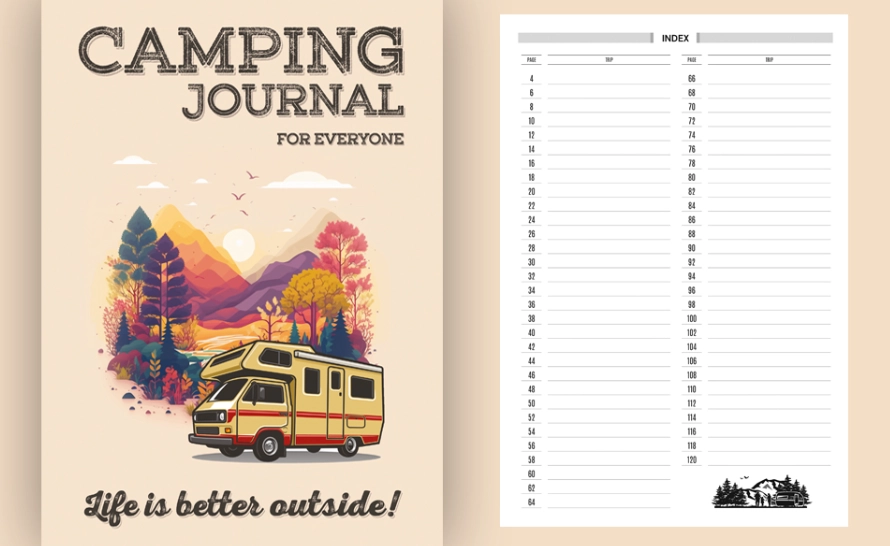
Step 1: Pick Your Weapon (The Notebook)
You have options. A cheap composition book works. A fancy leather-bound notebook feels great. The key is durability and size. It needs to survive a spilled water bottle and fit in your pack's brain or a cargo pocket.
| Notebook Type | Best For | Considerations | My Personal Take |
|---|---|---|---|
| Rite in the Rain All-Weather | Any condition, especially wet climates. | Paper feels different, works with pencil or their specific pens. Truly waterproof. | My go-to for serious backpacking. Ugly but utterly reliable. |
| Hardcover Sketchbook | Artists, sketchers, glue-stick scrapbookers. | Heavy. Paper is thick and can handle watercolors, glue, and tape. | Too bulky for me on long hikes, but perfect for car camping creativity. |
| Simple Pocket Notebook (Moleskine, Field Notes) | Minimalists, quick note-takers. | Light and portable. Paper is thin—ink may bleed. Not weatherproof. | I use these for day hikes or as a quick-capture supplement to my main journal. |
| Digital App (Notes, Google Keep, Evernote) | Tech-first campers who hate paper. | Requires battery. Easy to add photos. Lacks the tactile, unplugged charm. | I use it for voice memos when my hands are cold (more on that later). |
Step 2: The Basic Framework: What to Write Down Every Time
Establish a quick ritual. When you first get to camp or right after a hike, spend 5 minutes on this core data. It creates a searchable structure later.
- Date & Location: Not just "Yellowstone." Try "August 15, 2024 - Shoshone Lake, site 8S1, Yellowstone NP."
- Crew: Who were you with?
- Weather: Temp, sky, wind. Not just "sunny." Was it a harsh, glaring sun or a soft, hazy one?
- Route/Trail: Miles hiked, trailhead, notable landmarks.
- Gear Notes: One thing that rocked, one thing that failed. "New sleeping bag liner was worth every penny. Camp chair leg snapped—again."
That's it. The skeleton is done. Now for the fun part.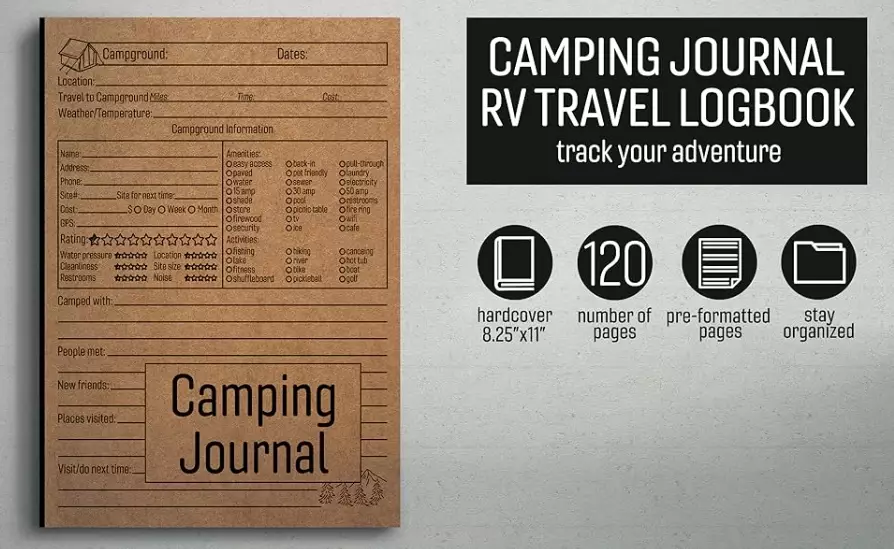
Core Journaling Methods & Prompts That Actually Work
This is where you move from logbook to legacy. You don't need to do all of these. Pick one that resonates each day.
1. The Sensory Snapshot Prompt
Close your eyes for 60 seconds. Then, quickly note one thing for each sense. Don't censor.
Sight: The way the light hit the tent wall, turning it orange.
Sound: The rhythmic *plink* of condensation dripping from a tree onto the rainfly.
Smell: The sharp, clean scent of pine sap mixed with woodsmoke.
Touch: The surprising warmth of a smooth river stone in my palm.
Taste: The metallic tang of the filtered creek water.
This method is gold. It forces you out of your head and into the moment.
2. The "One Line a Day" Challenge
Forget paragraphs. Commit to a single, impactful sentence that sums up the day's essence. It removes all pressure.
"Today was about the quiet hum of fatigue after 10 miles and the deep satisfaction of a perfectly tied trucker's hitch."
"A day of waiting out rain under the tarp, learning that my hiking partner knows every lyric to 80s hair metal."
3. The Map & Annotate Method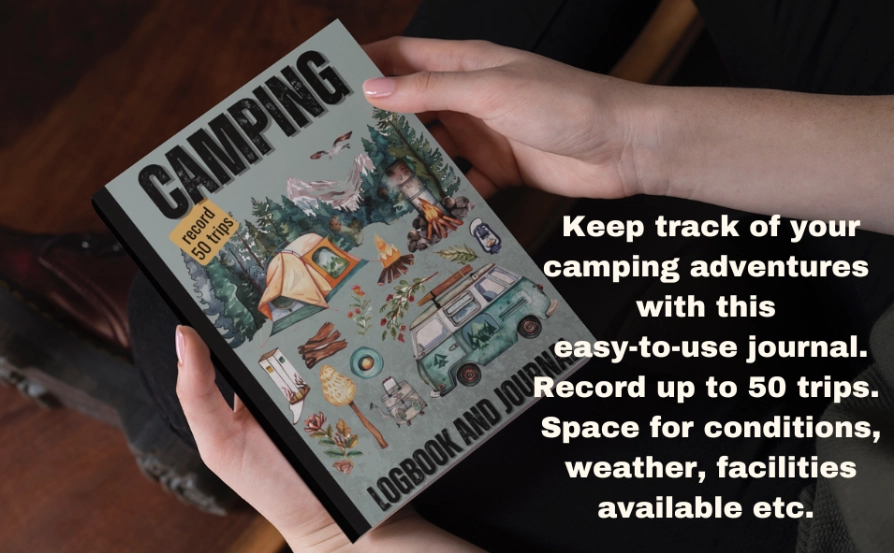
Trace or sketch a crude map of your campsite, the trail, or the lake shore. Then, add tiny notes and arrows. "Best view for coffee here." "Saw a pile of bear scat (berries) near this log." "Tent door faced east for sunrise." It creates a visual memory that pure text can't match. The REI guide on navigation talks about the importance of observational skills—this exercise trains them.
Camping Journal Gear: From Budget to "I'm All In"
You need a pen that works. That's the only mandatory gear. But here's a breakdown if you want to level up.
The Essential: A mechanical pencil (never needs sharpening, works in any temp) or a fine-point waterproof pen like the Uni-ball Power Tank or a Rite in the Rain pen. Ballpoints can skip in the cold.
The Game-Changer: A tiny glue stick or a roll of washi tape. Stick in your permit stub, a wildflower you pressed, the label from your local brewery post-hike. Instant texture.
The "Luxury" Item: A small watercolor set (like the Koi Pocket Field Sketch Box). Adding a wash of color to a sketch takes it to another level. It's meditative and slows you down.
Let's be real: some of the expensive "camping journal kits" sold online are mostly marketing. A ziplock bag with your notebook, a pencil, a mini glue stick, and a small ruler for underlining is 95% as effective as the $50 kit.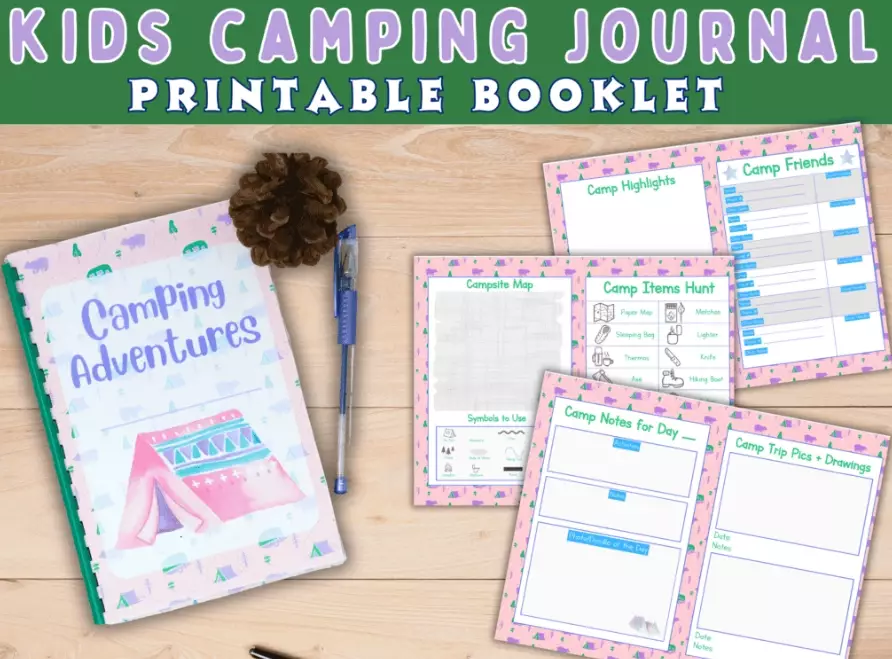
Your Camping Journaling Questions, Answered
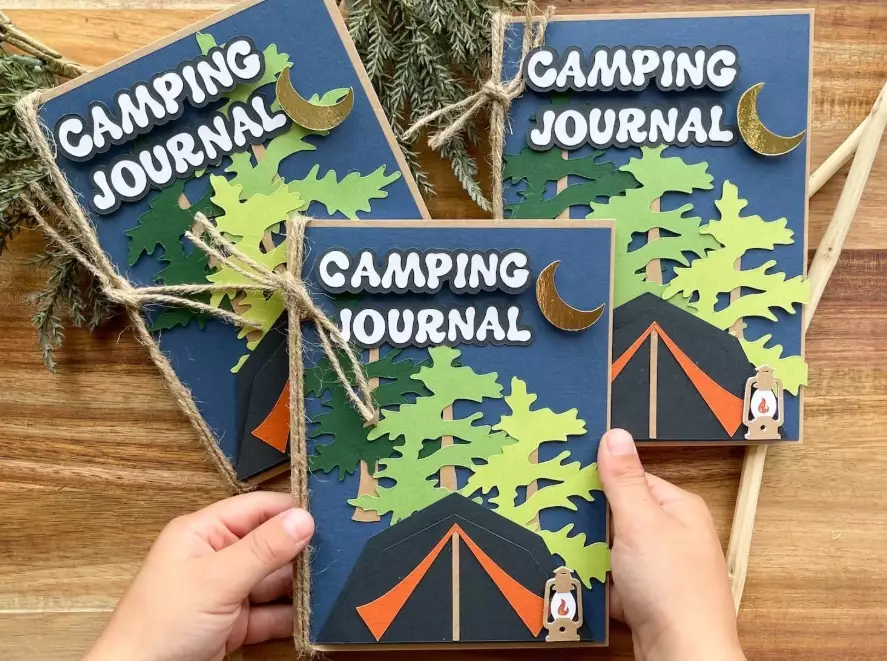 How do I overcome camp journal block? I sit down and just stare at the blank page.
The last thing. Your camping journal is yours. There are no rules. Rip pages out. Spell things wrong. Press a mosquito you swatted right into the binding. It's a record of a real experience, not a performance. The messy, smudged, taped-together notebook you actually use is infinitely more valuable than the pristine one that stays in its plastic wrap. Now, get a notebook, throw it in your pack, and start saving those moments before they disappear.