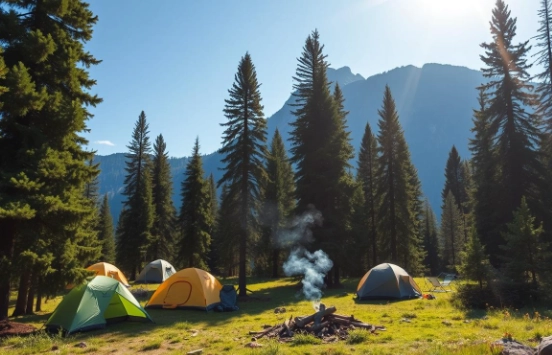
You've seen the pictures of iconic national parks, but have you ever woken up with a view of a 1,000-year-old pueblo or a massive volcanic plug? Camping near national monuments offers that exact blend of raw nature and deep history, often without the overwhelming crowds of their more famous park cousins. I've spent over a decade chasing these experiences, from the high desert of Utah to the forests of the Midwest, and I can tell you—this is where you find the soul of American public lands.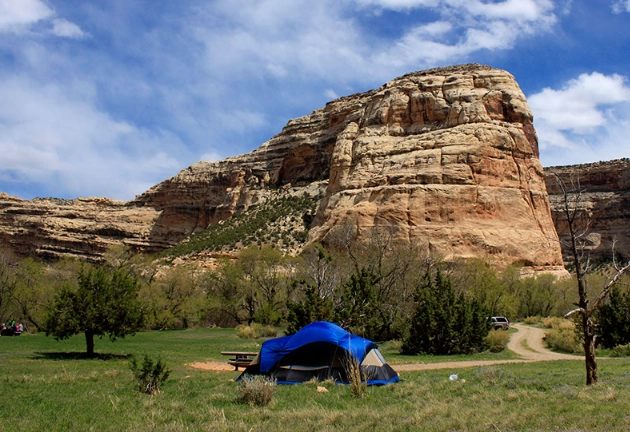
The secret most people miss? National monuments aren't just smaller versions of national parks. They're protected for their historical, cultural, or scientific significance. This means your camping trip isn't just about a pretty sunset; it's about sleeping in the shadow of a dinosaur fossil bed, an ancient cliff dwelling, or a pivotal Civil War site. The vibe is different, more intimate.
Your Quick Trail Map
Why Camping Near National Monuments Beats the Parks (Sometimes)
Let's be real. Getting a campsite in Yosemite Valley or near Old Faithful feels like winning the lottery. The competition is brutal. National monument campgrounds, and those in the surrounding public lands, are often your ticket to a similar landscape without the six-month-advance planning stress.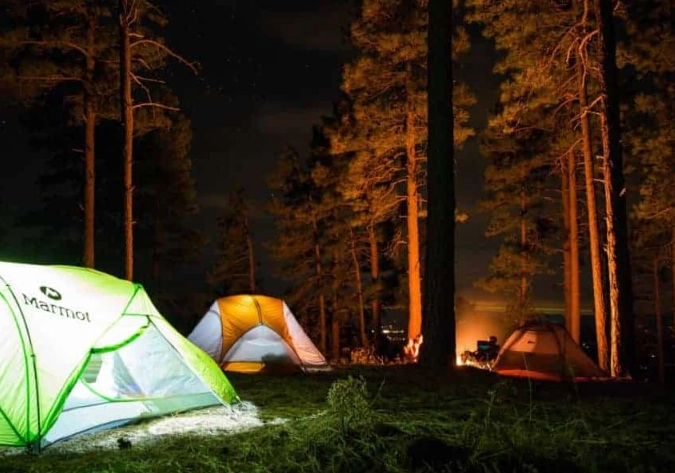
They're quieter. You'll have more space to breathe. The ranger talks feel more like conversations than lectures. And the cost? Frequently lower, or even free if you're on adjacent Bureau of Land Management (BLM) or US Forest Service land.
The biggest advantage, though, is the connection. At a place like Devils Tower National Monument, you're not just looking at a rock. You're camping in a sacred site for over 20 Native American tribes. The evening programs delve into star lore and creation stories you won't hear elsewhere. It transforms a camping trip into something more meaningful.
Pro Tip Most Blogs Miss: Don't just search for "camping at [Monument Name]." Many monuments themselves have tiny or no campgrounds. The magic is in searching for camping in the surrounding national forest, BLM land, or state park. For example, the best camping for Colorado National Monument isn't inside it—it's in the adjacent McInnis Canyons National Conservation Area.
Top Campground Picks Near Iconic National Monuments
Here are three concrete examples to get your planning wheels turning. These are places I've personally stayed, and the details are what you need to book.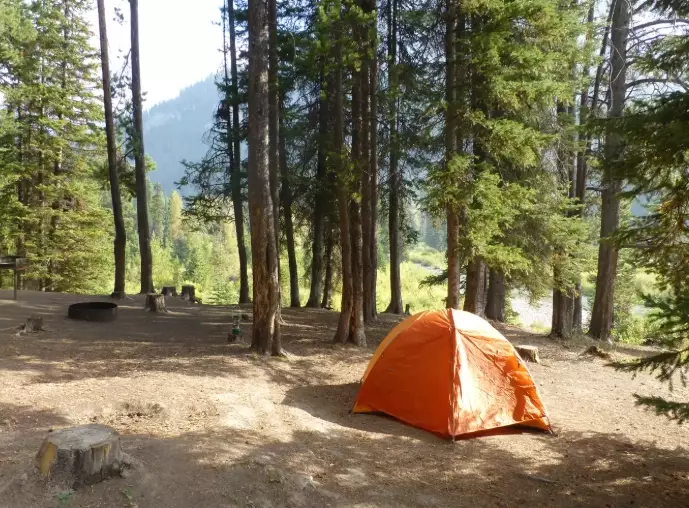
| National Monument | Recommended Campground | Distance & Type | Key Info (Fees, Reservations) |
|---|---|---|---|
| Devils Tower (WY) | Belle Fourche River Campground (Inside the Monument) | At the monument base. 46 sites, RV & tent. | First-come, first-served only. $20/night (2024). Arrive by 10 AM for a spot in summer. No hookups. Potable water, flush toilets. NPS Page. |
| Cahokia Mounds (IL) (State Historic Site, UNESCO World Heritage) | Scott AFB FamCamp (Military) or Kaskaskia Campground (Public) | 30-45 min drive. Urban-adjacent camping. | Shows you don't need wilderness. Kaskaskia: ~$25/night, reservations recommended. Perfect base to explore this ancient city complex. |
| Rainbow Bridge (UT) | 1 hr drive + boat ride to monument. Lakeside. | $15/night, often available. The journey—driving, then a boat tour across Lake Powell to the bridge—is the core adventure. Book boat tours separately. |
The Devils Tower campground is a classic. Waking up, unzipping your tent, and seeing that massive formation right there is unforgettable. But that "first-come, first-served" note is critical. I've seen people roll in at noon in July and circle hopelessly. Plan to be settled by lunchtime.
How to Find More Like These
Use Recreation.gov for federal sites, but don't stop there. State park websites are goldmines. For true flexibility, learn to identify dispersed camping areas on BLM and Forest Service land. A good mapping tool like Gaia GPS with public lands layers is worth every penny.
How to Plan Your National Monument Camping Trip
This is where most first-timers stumble. They treat it like a national park trip. The rules can be subtly different.
First, research the monument's own website on the National Park Service portal. Check for alerts—sometimes water is scarce, or roads are rough. Then, look at the managing agency of the *land around it*. Is it a National Forest? BLM? This determines the camping rules.
Second, understand the access. Some monuments, like Misty Fiords in Alaska, are primarily accessed by floatplane or boat. Your camping will be backcountry. Others, like Castle Mountains in California, have no developed facilities at all—you're in for primitive, pack-it-in-pack-it-out camping.
My personal planning checklist looks like this:
1. Permits: Does the monument or surrounding land require a camping permit? For developed sites, it's usually the reservation fee. For dispersed/backcountry, it might be a free self-issue permit at the trailhead.
2. Water: Is it available at the campground? Never assume. For many Southwestern monuments, hauling in all your water is non-negotiable.
3. Fire Rules: This changes constantly. A campfire might be banned even in a metal fire ring due to drought. Always check current restrictions with the local ranger district. I've packed a fire pan only to find a total ban in effect.
4. Cell Service: Assume you'll have none. Download offline maps (Google Maps, AllTrails) and the monument's PDF brochure beforehand.
What to Pack: The Monument-Camper's Essential Kit
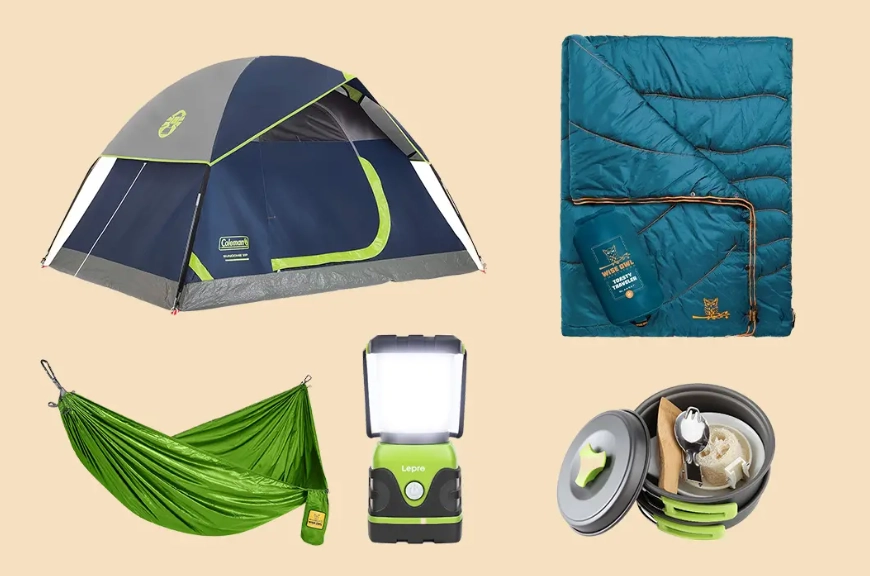
Beyond your standard tent and sleeping bag, a few items rise in priority.
A Good Shade Structure: Many monument landscapes are desert or prairie. A pop-up canopy or tarp is worth its weight in gold for midday relief. The sun at El Malpais National Monument (the lava flows in New Mexico) is relentless.
Extra Water Containers: I bring two 7-gallon Aquatainers for my car, even if the site has water. Infrastructure can fail.
Guidebooks & History Primer: A physical book on the area's history or ecology. Reading about the Ancestral Puebloans at Bandelier National Monument by headlamp in your tent makes the next day's exploration 100x richer.
Red Light Headlamp: Respect other campers and the dark skies. Many monuments are designated International Dark Sky Parks. A red light preserves night vision and minimizes light pollution.
One thing you can often leave behind? The massive, resort-style camping chair. You'll be hiking to ruins, exploring canyons, or attending ranger programs. A lighter, packable chair is smarter.
Under-the-Radar Monument Camping Gems
Everyone targets the Utah Mighty 5. Try these instead for solitude and wonder.
1. John Day Fossil Beds National Monument (Oregon): Camp in the Shelton State Park or surrounding Malheur National Forest. You'll wake up among painted hills that look like a layer cake, and the fossil museum is mind-blowing. It feels like camping on another planet.
2. Pullman National Historical Park (Illinois): Okay, it's a historical park, not a monument, but it makes the point. Urban camping exists! Camp Bullfrog Lake near Chicago gives you a base to explore this groundbreaking labor history site. It proves you can mix city culture with camping easily.
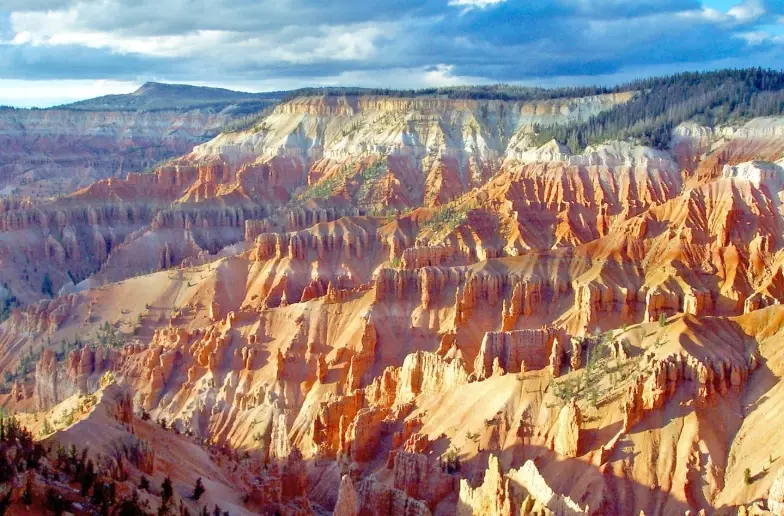
3. Cedar Breaks National Monument (Utah): It's like a mini, quieter Bryce Canyon. The Point Supreme Campground right in the monument sits at 10,000 feet. It's cold at night, even in July, but the stars and the view into the amphitheater are insane. Reservations are easier than its famous neighbors.
Your Monument Camping Questions, Answered
So, ditch the assumption that camping near protected lands means fighting for a spot in a packed park. The world of national monuments offers a quieter, often more profound, backyard. It’s about trading the postcard view for a living history book you get to sleep inside. Pick a monument that calls to you, research the surrounding land, pack your sense of adventure (and extra water), and go see a different side of America’s story.